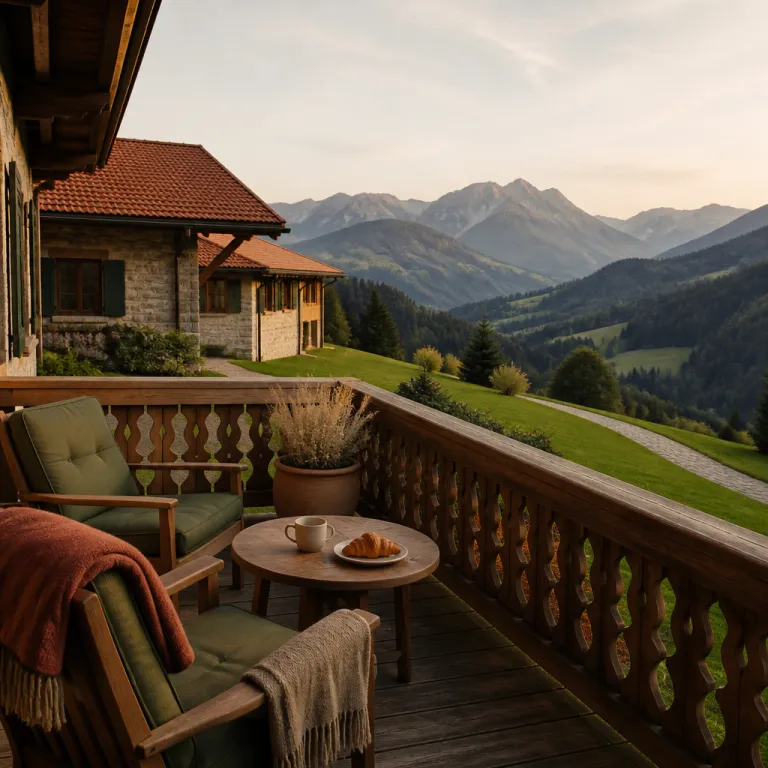
Why the Bavarian Alps are a strong hotel choice
Snow-dusted peaks above emerald pastures, church spires rising from valley floors, and a line of elegant hotels facing the mountains as if they were a private stage. The Bavarian Alps in Germany are not just scenic; they are structured for a refined, comfortable stay. If you are weighing whether to book a hotel in this region, the answer is simple: it is one of the most balanced Alpine areas for nature, culture, and understated luxury.
From the Wetterstein Mountains near Garmisch Partenkirchen to the dramatic cliffs around Berchtesgaden, the landscape feels cinematic yet accessible. Munich city centre lies about 90 km from Garmisch Partenkirchen (roughly 1.5 hours by car), while Munich Airport is around 120 km away, so a trip from Munich into the Alps is easy to combine with a city break. You can land in the morning, be in a pool with mountain views by early afternoon, and still have time for a short hike before dinner.
Hotels here tend to lean into wellness and calm rather than ostentatious glamour. Expect properties that call themselves a spa retreat, with several spas and pools, saunas, and quiet relaxation rooms rather than nightlife. If you want a place where you will wake to cowbells, step onto a balcony with a clear room view of the Alps backdrop, and end the day in a good restaurant rather than a bar crawl, the Bavarian Alps are a very good choice.
Key regions: Garmisch, Elmau valley and Berchtesgaden
Sharp decisions start with geography. The Bavarian Alps stretch across a surprisingly varied corridor, and where you stay will shape your entire stay. Around Garmisch Partenkirchen, at the foot of the Zugspitze and the Wetterstein Mountains, hotels cluster along streets like Zugspitzstraße and Loisachstraße, with quick access to cable cars and valley trails. This area suits travelers who want classic Alpine scenery, easy hikes, and a strong base for year round activities.
Further east, the Elmau valley feels more secluded. Here, a handful of properties sit in a broad meadow framed by forest and peaks, often described as a luxury spa retreat in its own right. You come to Elmau to slow down: long breakfasts, quiet libraries, spas and pools with mountain views, and perhaps a concert or cultural event on site. It is less a village, more a self-contained world.
Berchtesgaden, close to the Austrian border and the Berchtesgaden nature park, offers a different mood again. The mountains close in more tightly, the Königssee lies about 5 km away, and hotels often face sheer rock walls rather than rolling pastures. This is where you book if you want steeper hikes, lake excursions, and a sense of being tucked into the far corner of Bavaria. For a first trip, Garmisch Partenkirchen and its surroundings are usually the most versatile choice; for a second or third visit, Elmau or Berchtesgaden reward deeper exploration.
What to expect from luxury and premium hotels
Marble lobbies and chandeliers are not the point here. Luxury in the Bavarian Alps tends to be defined by space, silence, and the quality of the view. Rooms and suites are usually generous, with wide balconies or terraces that frame the mountains like a painting. When you compare options, pay close attention to the room view descriptions and photos; in this region, a south-facing balcony can transform the entire experience.
Wellness is the other defining feature. Many of the best resorts operate as a full luxury spa retreat, with several spa offers under one roof: adults-only saunas, family friendly pools, sometimes a pool heated outdoors so you can swim while snow falls around you. Spas and pools are not an add-on; they are the core of the stay, especially outside the peak hiking season.
Culinary highlights matter more than flashy design. Expect serious attention to breakfast, often with local cheeses, alpine butter, and breads from nearby bakeries. Dinner can range from refined Bavarian dishes to lighter, health-focused menus. When choosing a hotel, look for whether there is at least one strong in-house restaurant for evenings when you do not want to drive, and whether there are alternative dining options within a short car ride for variety during a longer stay.
Who these hotels suit best
Families will find the Bavarian Alps surprisingly accommodating. Many hotels offer family friendly layouts, with interconnecting rooms and suites or apartments that allow parents and children to share space without sacrificing privacy. A heated indoor pool, perhaps with a shallow area, can save a rainy day, and some properties schedule low-key activities that keep younger guests occupied while adults enjoy the spa.
Couples, on the other hand, may gravitate towards quieter retreats in the Elmau valley or slightly outside Garmisch Partenkirchen. Here, the emphasis is on calm: long spa sessions, slow walks through meadows, and dinners that stretch over several courses. If you are planning a proposal, anniversary, or simply a rare child-free weekend, look for hotels that highlight adults-only spa zones and more intimate dining rooms.
Active travelers who come primarily to hike or ski will want to prioritize location over spa size. Being within a short walk or quick shuttle ride of a cable car station in Garmisch Partenkirchen or near the main trailheads in Berchtesgaden can matter more than having the largest pool. In short, families should focus on facilities and flexibility, couples on atmosphere and privacy, and hikers or skiers on direct access to the mountains.
Seasonality: when to go and what changes
Alpine hotels in Bavaria operate almost year round, but the feel of a stay shifts dramatically with the seasons. In winter, from roughly December to March, the region becomes a classic snow retreat: ski slopes above Garmisch Partenkirchen, cross-country tracks in the valleys, and spas full of guests moving between saunas and a pool heated against the cold. If you come then, choose a hotel with strong wellness facilities; you will spend more time indoors than you think.
Spring and early summer, from late April to June, are for those who like quieter trails and the first wildflowers. Snow still caps the higher mountains, but valley paths open early, and a simple hike to a nearby Alm (mountain pasture hut) can be the highlight of a day. This is also a good time to combine a trip from Munich with a few nights in the Alps, as roads are usually clear and the contrast between city and mountain is sharp.
High summer and early autumn bring the most stable hiking conditions. Lakes around Berchtesgaden warm enough for boat trips and short swims, and the Berchtesgaden nature park is at its best. Autumn, especially late September and early October, offers crisp air, golden larch trees, and fewer families, which can suit couples seeking a calmer atmosphere. Whenever you book, check whether the hotel offers seasonal spa packages or themed weekends, as these can add structure and value to a stay.
How to choose and what to verify before booking
Distance and access come first. From Munich Airport, most Bavarian Alps destinations are reachable in 1.5 to 2.5 hours by car, depending on traffic and snow. If you plan to arrive late or travel with children, consider a hotel closer to the motorway exits near Garmisch Partenkirchen rather than the more remote valleys. For those relying on trains and local buses, staying near Garmisch Partenkirchen station or in the centre of Berchtesgaden simplifies transfers.
Once you have narrowed the area, compare three elements carefully: spa facilities, dining, and room categories. Some hotels offer extensive luxury spa areas with multiple pools and saunas but only one main restaurant; others have several dining venues and smaller wellness zones. Decide what matters more to you. For a short two-night stay, a larger spa and a single excellent restaurant may be ideal; for a week, you might prefer more culinary variety even if the spa is more compact.
Finally, read the fine print on what is included. Check whether access to all spa zones and pools is part of the room rate, whether there are age restrictions in certain areas for family stays, and whether the hotel provides parking for your car. If you are planning an event or retreat, verify the availability of event venues and meeting rooms, as not every mountain property is equipped for larger gatherings. A careful look at these details before you book will ensure that your chosen hotel in the Bavarian Alps matches the trip you have in mind.
Is the Bavarian Alps region a good choice for a first luxury stay in the Alps?
Yes, the Bavarian Alps are an excellent entry point into Alpine travel. The region combines easy access from Munich with a wide range of hotels that balance wellness, nature, and culture. You can stay in properties with serious spa facilities, dine well on local and international cuisine, and reach hiking trails or ski slopes within minutes, all without the logistical complexity of more remote Alpine valleys.
What amenities can I typically expect in a luxury spa hotel in the Bavarian Alps?
Luxury spa hotels in the Bavarian Alps usually offer several pools, often including at least one pool heated outdoors, multiple saunas, steam rooms, and quiet relaxation areas with mountain views. Many also provide a menu of spa offers such as massages and beauty treatments, along with fitness rooms and sometimes health-focused programs. Expect high-quality bedding, spacious rooms and suites, and at least one serious restaurant on site.
Is this region suitable for a family holiday?
The Bavarian Alps work very well for families, especially around Garmisch Partenkirchen and Berchtesgaden. Many hotels are family friendly, with interconnecting rooms, suites with separate sleeping areas, and pools that welcome children. Easy valley walks, cable car rides, and nearby lakes provide low-effort activities, while the relatively short drive from Munich reduces travel fatigue for younger guests.
Do I need a car to enjoy a hotel stay in the Bavarian Alps?
A car gives you more freedom to explore different valleys, lakes, and trailheads, and it simplifies travel from Munich Airport to more secluded retreats. However, if you prefer not to drive, staying near transport hubs such as Garmisch Partenkirchen or central Berchtesgaden still allows you to reach many highlights by train, bus, and cable car. For guests focused on spa time and short walks directly from the hotel, a car is helpful but not essential.
What should I check before booking a hotel in the Bavarian Alps?
Before booking, confirm the exact location and travel time from Munich or Munich Airport, especially in winter. Review the spa and pool facilities to ensure they match your expectations, and check whether all areas are included in the room rate. Look closely at room descriptions for the type of view, balcony or terrace access, and layout, particularly if you are booking for a family or planning a special occasion where the room view and sense of space will matter.