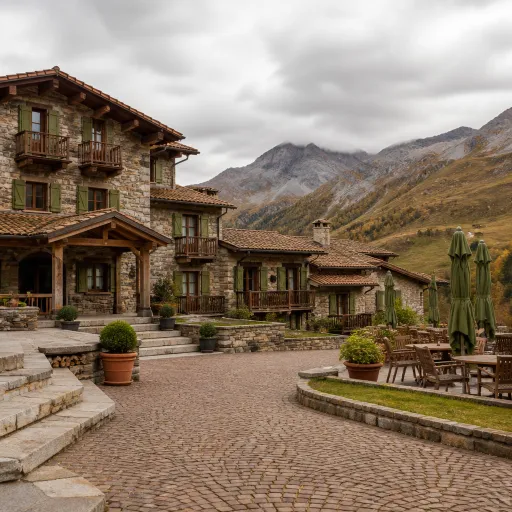
Why guests keep returning to hotels in the Italian Alps The Italian Alps run from the French border to Slovenia, crossing six regions where the hotel landscape shifts from grand resort properties to intimate family-run addresses with fewer than twenty...
Why guests keep returning to hotels in the Italian Alps
The Italian Alps run from the French border to Slovenia, crossing six regions where the hotel landscape shifts from grand resort properties to intimate family-run addresses with fewer than twenty rooms. What sets Italy apart from its Alpine neighbours is the collision of cultures: German-speaking South Tyrol, the Ladin valleys of the Dolomites, the francophone energy of the Aosta Valley. The hotels mirror that diversity. Expect a property where the breakfast spread moves from speck and rye bread to espresso and brioche within a single corridor.
For guests searching for the right hotel in the Italian Alps, the challenge is rarely quality. It is choosing between regions that deliver radically different experiences. Whether you want exceptional skiing, summer hiking, a spa resort with thermal pools, or a restaurant with a Michelin guide entry, the Italian Alps have a property for it. And unlike Switzerland, the value here remains genuinely good.
Hotels in the Dolomites: UNESCO-listed scenery, world-class hospitality
The Dolomites are a UNESCO-listed mountain range where pale limestone towers rise above forested valleys. The hotel scene splits between Val Gardena, Alta Badia, Cortina d'Ampezzo, and the quieter valleys of Trentino. Each area has its own character, its own guest profile, and its own idea of what a good night in the mountains should feel like.
Val Gardena, with Selva, Santa Cristina, and Ortisei, offers 175 kilometres of ski runs connected to the Dolomiti Superski circuit. The hotels here lean toward generous South Tyrolean hospitality: rooms with views of the Dolomites, half-board arrangements that rival standalone restaurants, and spa facilities designed by architects who thought about light, stone, and water rather than just square footage. Guests who check availability early for the winter season will find better room options; peak weeks sell out months in advance.
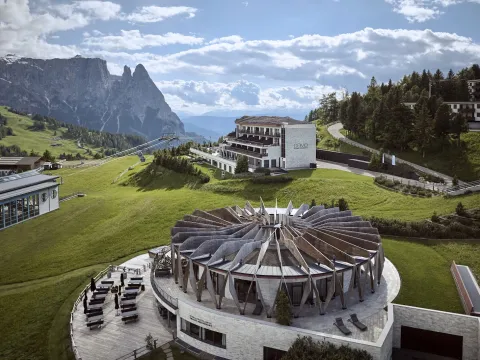
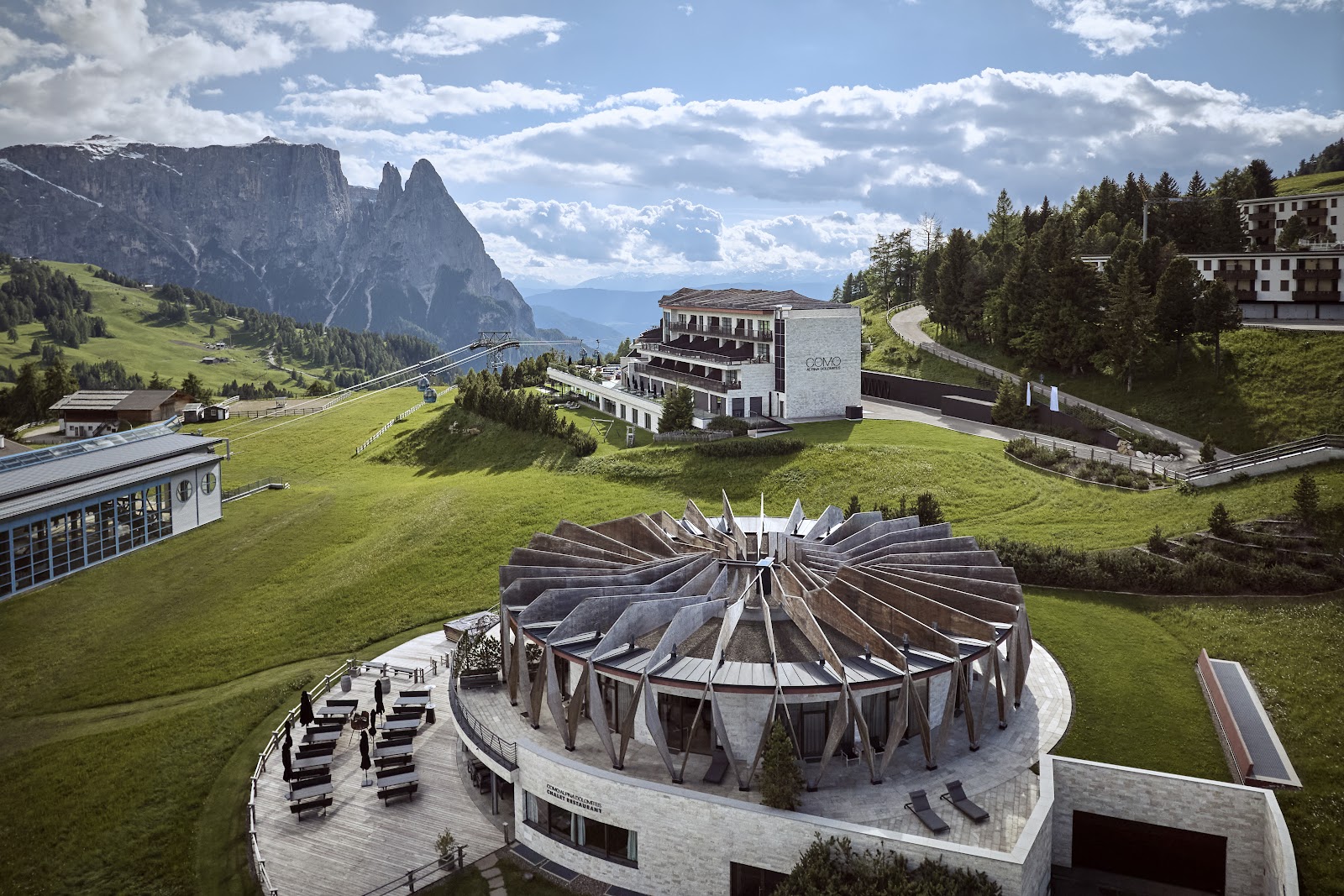
Alta Badia centres on San Cassiano, a village with an outsized gastronomic reputation. Three Michelin guide restaurants operate within fifteen minutes of each other. The hotel properties here match that ambition. Serious wine cellars. Tasting menus rooted in Ladin tradition. A guest experience that blends mountain informality with genuinely exceptional dining. COMO Alpina Dolomites, located in nearby Alpe di Siusi, has set a standard that combines contemporary design with the warmth and service guests expect from the best Italian Alps hotels.
Cortina d'Ampezzo carries a different energy: Italian glamour meets alpine sport. Grand hotel properties with a century of history sit alongside contemporary spa resort addresses. The Faloria Mountain Spa Resort delivers views and wellness in equal measure. Whether you are a guest drawn by the skiing, the hiking around Lake Sorapis, or simply the scene, Cortina rewards those who discover it beyond the postcard image. Check availability for the summer months; Cortina is increasingly popular with hikers and the best rooms go fast.
South Tyrol: where hotel guests discover the best of both worlds
South Tyrol is technically Italy, but the culture, service, and hotel standards owe as much to Austria. This region has the highest concentration of luxury alpine hotels in the country, particularly around Merano, Naturno, and the Schnals Valley.
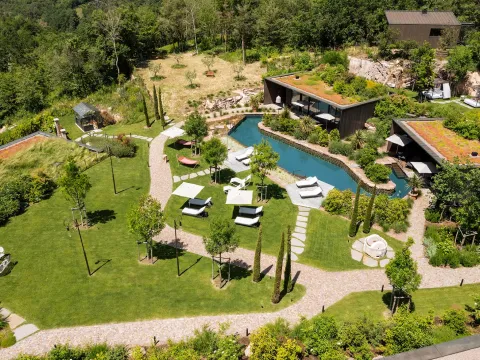
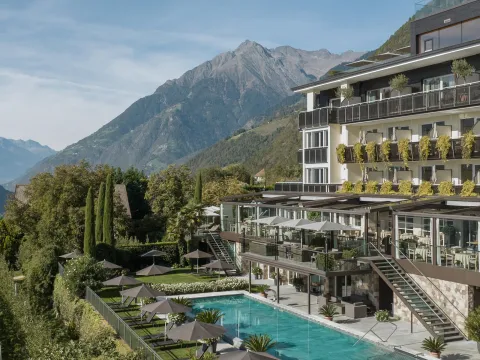
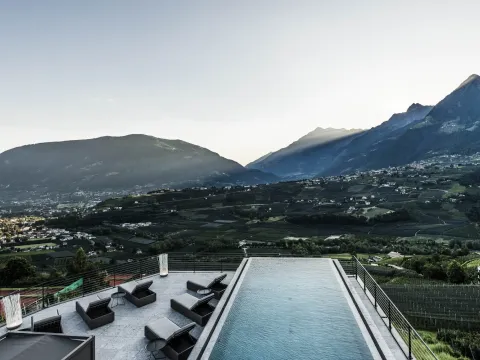
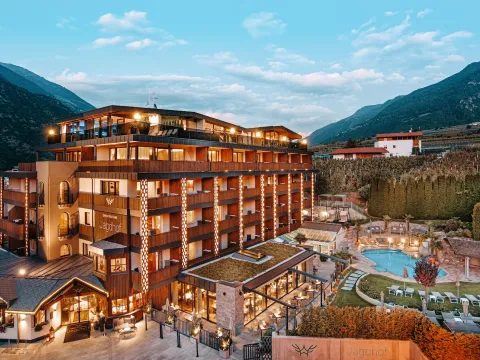
Merano sits at just 325 metres, sheltered by mountains on three sides. The microclimate allows palm trees and Mediterranean garden settings alongside alpine architecture. Hotels here combine wellness traditions with an urban sophistication: thermal spa access, rooms overlooking sculpted gardens, restaurants that source from both South Tyrolean farms and Mediterranean suppliers. Guests rate the experience consistently good across properties, from five-star resort hotels to intimate addresses with twelve rooms and a rooftop pool.
The Reichhalter in Lana delivers a thoughtful renovation of a historic property, blending South Tyrolean heritage with contemporary design. Guests looking for exceptional food will find it here. In the Schnals Valley, Goldene Rose in Karthaus offers a quieter register: adults-only spa, mountain views from every room, and a score on guest review platforms that reflects the care invested in every detail of the stay. Pet-friendly policies, garden terraces, and sports facilities add practical value to properties throughout the region.
What distinguishes South Tyrol from the rest of the Italian Alps is consistency. The hotel infrastructure benefits from decades of hospitality investment. Breakfast alone can be revelatory: local cheeses, fresh bread, fruit from the valley orchards. Even a mid-range property delivers a guest experience that many countries reserve for their most expensive addresses.
Trentino and Bormio: family-friendly hotels without compromise
South of South Tyrol, Trentino offers a slightly different register. The mood is more relaxed, the night rates gentler, and the landscape trades the Dolomites' dramatic verticals for softer valleys and alpine lakes.
Madonna di Campiglio is the standout resort, located in the Brenta Dolomites with access to 150 kilometres of ski terrain. Hotels here cater well to families; children are genuinely welcomed rather than tolerated. Good restaurants, rooms with mountain views, and enough altitude to guarantee snow from December through April. The guest reviews speak for themselves: this is one of the most family-friendly resort destinations in the Italian Alps.
Bormio, further east, adds thermal springs to the equation. The spa tradition dates to Roman times, and modern hotel properties build on that history with indoor-outdoor thermal circuits, exceptional wellness programming, and resort facilities that keep guests occupied for a full week. Check availability early for the thermal spa hotels; they are popular year-round and the best rooms with garden or mountain views book months ahead.
The Gourmet und Boutiquehotel Restaurant Tanzer, located in the Isarco Valley, represents a different approach entirely: a property where the restaurant is the main event and the rooms are designed for guests who want to sleep exceptionally well after eating exceptionally well. The review scores reflect this focus on quality over scale.
Aosta Valley: where Italy meets Mont Blanc
The Aosta Valley is the most francophone corner of the Italian Alps. Courmayeur sits directly beneath Mont Blanc and draws cosmopolitan guests: skiers in winter, hikers and trail runners in summer, food lovers year-round.
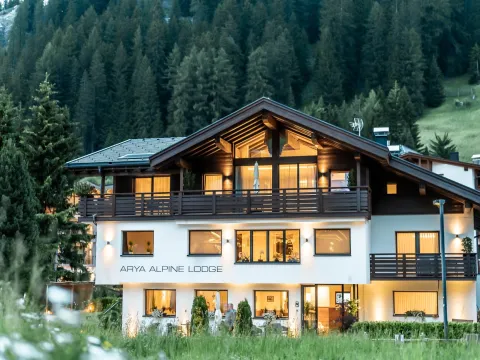
Hotels here tend to be smaller than in the Dolomites. Stone and slate rather than the wooden warmth of South Tyrol. What guests discover is proximity to the most dramatic high-mountain scenery in Europe, and a dining culture that blends French technique with Piedmontese ingredients. The Tour du Mont Blanc passes through Courmayeur, and several hotel properties cater specifically to trekkers with good drying rooms, early breakfast service, and contact with local mountain guides.
Cervinia, located on the Italian side of the Matterhorn, offers altitude and sports: skiing above 3,000 metres and summer glacier access. The hotel scene is more functional than luxurious, but the mountain view alone is worth the night rate. Adults and families alike will find good value here compared to the Swiss side of the same mountain.
How to choose and book your Italian Alps hotel
For guests who prioritise gastronomy, Alta Badia and Merano deliver the strongest hotel and restaurant combinations in the Italian Alps. The Michelin guide concentration in these areas rivals much larger European cities.
For skiing with serious infrastructure, Val Gardena and Madonna di Campiglio offer the most reliable combination of terrain, lift systems, and hotel quality. Cortina adds prestige but at a premium.
For wellness and spa, South Tyrol leads comfortably. The thermal tradition runs deep, the hotel spa facilities are architecturally ambitious, and the combination of mountain air with serious wellness programming creates a guest experience impossible to replicate in a city resort.
Check availability across several properties before booking. The Italian Alps reward guests who look beyond the most obvious choices. A smaller hotel in Naturno or San Cassiano may deliver a better stay than a larger resort property in a better-known location. Read the guest reviews carefully; the scores often reveal which properties invest in consistent service and which rely on location alone.
Most Italian Alps hotels offer half-board, and it is usually worth accepting. The food quality across the region is genuinely good, and the convenience of returning from a day on the mountain to a meal that requires nothing more than sitting down should not be underestimated.
Notable hotel properties across the Italian Alps
The Italian Alps hotel landscape includes several exceptional properties that guests consistently rate among the best in Europe. COMO Alpina Dolomites, located in Alpe di Siusi, combines minimalist design with views of the Dolomites that guests describe as life-changing. The spa, the restaurant, and the room quality all score highly in guest reviews; it is the kind of property where every detail has been thought through with genuine care.
In South Tyrol, the Castel Fragsburg above Merano occupies a seventeenth-century castello with just twenty suites surrounded by twelve acres of private garden. The location offers panoramic views across the valley, and the service strikes a balance between attentive and unobtrusive that few Italian Alps hotels manage. Guests seeking a room with a view and adults-only tranquility will find it here. Check availability well in advance; the limited room count means this property books out quickly.
Hotel Ciasa Salares in San Cassiano, Alta Badia, has built its reputation on wine and food. The cellar holds over 30,000 bottles. The restaurant has earned recognition in the Michelin guide. For guests who see a hotel stay as a gastronomic journey, this is a strong choice in the Italian Alps. The score on review platforms reflects the consistency of the experience.
The Gourmet und Boutiquehotel Restaurant Tanzer near Bressanone takes a focused approach: the dining room is the reason guests book, and the rooms are designed to make the night before and after as comfortable as possible. Friendly service, a garden terrace for summer dining, and a location that allows easy access to both ski areas and hiking trails.
In Bormio, the Grand Hotel offers a classic resort experience with thermal spa access, sports facilities, and a property scale that allows for both family-friendly areas and quieter adults-only spaces. The Dolomiti Wellness Hotel concept has expanded across several locations in Italy, offering a standardised level of spa quality and guest service that makes booking with confidence easier for travellers who value reliability.
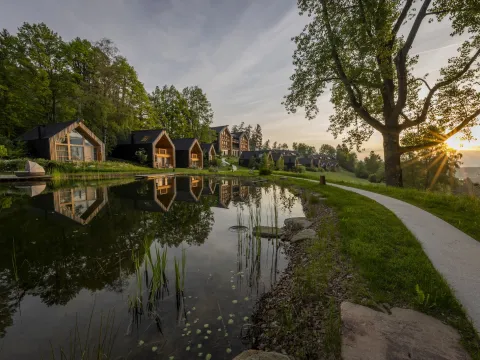
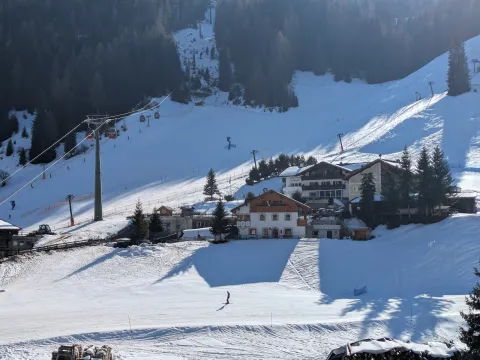
For guests who prefer discovery over predictability, the smaller addresses are often the most rewarding. A twelve-room property in the Schnals Valley. A renovated farmhouse above Ortisei with a rooftop pool and mountain views. A ski-in hotel in Selva Val Gardena where the lift is close enough to ski to breakfast. These properties rarely advertise widely, so checking availability through regional tourism portals or contacting properties directly often reveals rooms that do not appear on the larger booking platforms.
Frequently asked questions about hotels in the Italian Alps
Which Italian Alps region has the best luxury hotel options?
South Tyrol, particularly the area between Merano and Val Gardena, has the highest concentration of luxury hotels in the Italian Alps. Properties like COMO Alpina Dolomites and the spa resort addresses around Merano set the standard. Alta Badia and Cortina d'Ampezzo follow closely. Guests looking for exceptional service, rooms with Dolomites views, and access to Michelin guide restaurants will find the strongest selection in these areas. Check availability early for peak season; the best properties have limited room inventory.
Are Italian Alps hotels good for a summer stay?
Summer is arguably the best season for hotel guests in the Italian Alps. The Dolomites transform into one of Europe's finest hiking destinations. Hotel rates drop compared to winter peaks. Restaurants move to garden terraces with mountain views. Most resort properties offer guided hiking, mountain biking, and outdoor wellness programmes. The season runs from mid-June through September. Guests who discover the Italian Alps in summer rarely go back to winter-only visits.
Are there adults-only and pet-friendly hotels in the Italian Alps?
Yes. South Tyrol in particular offers a good selection of adults-only spa hotels, including properties in the Schnals Valley and around Merano that restrict access to guests over sixteen. Pet-friendly policies are common throughout the Italian Alps; many hotels welcome dogs in rooms and garden areas, though it is worth confirming the specific property policy before booking. Check availability and contact the hotel directly for pet-related questions; policies on allowed breeds and sizes vary.