From glass cubes to quiet craft: how alpine chalet architecture 2026 really looks
The most interesting alpine chalet architecture 2026 is not shouting. It keeps the familiar mountain silhouette, the pitched roof and stacked stone base, while hiding contemporary infrastructure inside the old chalet house envelope. For couples booking a luxury stay in the French Alps or across the wider alpine arc, this shift changes how a Swiss chalet or mountain cabin feels from the moment you step into the living room.
Architects such as Peter Pichler, Plasma Studio, EM2 Architekten and Bergmeister Wolf are leading a counter trend to the glass cube era, working with traditional alpine chalets that still read vernacular from the road. Their projects keep the chalet style intact outside, yet rework every layer of interior design, from insulation and climate control to AV and lighting, so the architecture performs like a contemporary alpine hotel. For travelers, this new generation of alpine chalet architecture 2026 and contemporary alpine renovations means you can sleep in a mountain chalet that looks unchanged since your grandparents’ postcards, while enjoying silent underfloor heating, filtered light and generous space planning.
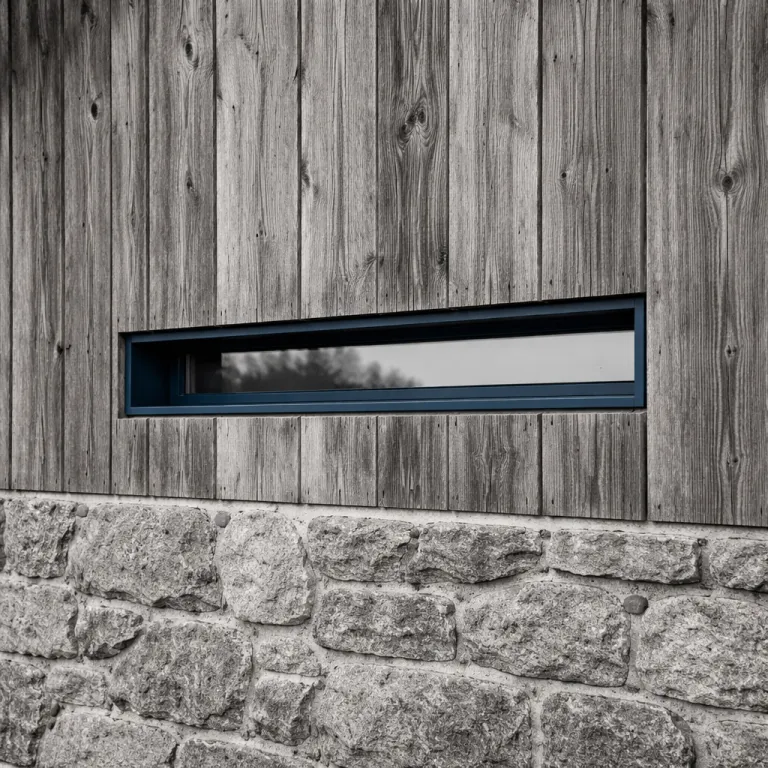
This restraint is not nostalgia; it is precision. The best alpine chalets now use natural materials such as light wood and local stone, but combine them with large format glazing only where it respects the original decor and scale. When you browse chalets on stay in Alps style booking platforms, the most refined luxury often appears in the quietest images, where the chalet decor and subtle alpine detailing feel almost untouched yet the living comfort is unmistakably contemporary.
Inside the envelope: how architects hide contemporary comfort in traditional alpine shells
Behind those weathered wood façades, alpine chalet architecture 2026 is a technical exercise in discretion. Heritage exteriors are carefully repointed with lime mortar, while wood wool insulation is slipped between old beams so the mountain cabin walls breathe yet meet modern thermal standards. Under the chalet interior floors, invisible underfloor heating replaces bulky radiators, giving each living room and bedroom a calm, uncluttered space.
In South Tyrol, Bergmeister Wolf has become known for this approach, threading geothermal systems and advanced ventilation into historic wine cellars and hotel barns without disturbing the traditional alpine rooflines. Similar thinking guides Plasma Studio in the Dolomites and Aosta Valley, where contemporary chalet projects tuck AV cabling, fiber and smart home controls behind stone walls and light wood paneling. The result is alpine chalets that feel authentically rustic in decor and alpine character, yet deliver the quiet, even warmth and air quality you expect from a top tier luxury property; in comparable alpine refurbishments, external wall U-values around 0.20–0.25 W/m²K and triple glazed windows near 0.8 W/m²K are now typical targets.
Data from regional industry reports suggests that the average renovation cost per square meter can reach around 2 000 USD, and the most careful chalet design work often sits above that benchmark. A 2022 survey by the South Tyrolean Chamber of Commerce, for example, places high quality hotel refurbishments in the 1 800–2 200 USD range per square meter, with complex heritage projects trending higher; these figures are indicative rather than exhaustive and should be read as order of magnitude guidance. Every decision to retain an original beam or rebuild a Swiss chalet balcony in traditional materials adds labour and coordination with local craftsmen. For guests, that investment translates into a mountain chalet or alpine chalet where the architecture, interior design and chalet decoration feel seamless, from the first step onto the stone threshold to the last evening by the fire.
Four quiet revolutions: projects that define alpine chalet architecture 2026
Across the Alps, a handful of projects show how far this discreet design language can go. In South Tyrol, Peter Pichler’s barn inspired suites reinterpret the classic mountain cabin profile, keeping the agricultural volume while inserting a contemporary alpine interior with layered light wood, precise interior design and carefully framed alpine views. His 2019 “Hotel Schgaguler” in Castelrotto, for instance, reworks a village hotel into a sculpted, gabled form that still echoes local farmhouses; the project, widely documented in European design press, has become a reference for quiet, sculpted roofs. The roofs remain steep and familiar, yet inside the space opens into double height living areas where light and shadow become part of the decor.
Further west, monastery to hotel conversions in the Engadin and Tyrol preserve thick stone walls and cloistered courtyards, while hiding geothermal fields beneath meadows and climate control behind historic plaster. Projects like the long running transformation of the 17th century Chasa Montana in Samnaun show how carefully integrated spa wings and ventilation can sit within a traditional envelope; published case studies describe borehole fields sized in the range of 30–50 kW for mid scale hotels. Guests walk through corridors that feel centuries old, but their rooms function like the best alpine chalet architecture 2026, with silent ventilation, generous bathrooms and chalet interior finishes that balance luxury with restraint. In France, barn conversion chalets echo this approach, turning haylofts into warm living room lounges where chalet decor uses natural materials and large format textiles instead of flashy ornament.
Closer to the classic ski heartlands, projects such as the Maya residences in Andermatt by Patricia Urquiola and the Le Sarto renovation in Megève by Claves show how Swiss and French Alps properties can merge contemporary chalet design with regional character. The Maya apartments, completed around 2021 and frequently cited in Swiss design media, reinterpret the Swiss chalet archetype with deep eaves and timber façades, while interiors mix light wood, stone and soft alpine details to create intimate yet modern space. For couples browsing stay in Alps listings, these chalets prove that alpine retreats can feel both timeless and technologically current without resorting to all glass façades.
What this means when you book: reading photos, plans and promises
For travelers, the new alpine chalet architecture 2026 changes how you evaluate a property long before arrival. When you scroll through chalets online, look for exteriors that keep traditional alpine proportions, then study the interior photos for clues to hidden upgrades. A well considered chalet interior will show flush skirting boards, minimal visible cabling and a living room layout where radiators are absent yet the space still feels warm and inviting.
Pay attention to materials in both singular and plural forms; repeated use of light wood, solid stone and natural textiles usually signals a serious approach to architecture and interior design. Descriptions that mention underfloor heating, triple glazing or geothermal systems indicate that the chalet house has been brought to contemporary alpine performance without sacrificing its shell. When a Swiss chalet or mountain chalet looks almost unchanged outside but offers spa level bathrooms, silent climate control and balanced light inside, you are seeing the essence of this renovation wave.
Hidden modern amenities, sustainable materials, and minimalist designs all play a role in this shift. How do architects preserve traditional chalet aesthetics? By retaining original structures and using materials that match the traditional style while integrating new systems in the background. Are modern chalet renovations more expensive? Costs vary by region and complexity; hidden enhancements can be cost effective compared to highly visible structural alterations, but detailed studies from bodies such as the Swiss Society of Engineers and Architects (SIA) consistently note that heritage work often carries a premium over standard new build benchmarks. On stay in Alps, you can cross reference these cues with room types and layouts, especially in properties offering family suites that actually work, where separate adult and kid zones show how carefully the space has been re planned.
The cost of restraint and the rare missteps
Working within an existing alpine shell is rarely the cheaper option. While industry data cites an average renovation cost per square meter of around 2 000 USD, the most meticulous alpine chalet architecture 2026 projects often exceed this, because every concession to the existing structure demands bespoke solutions. Retaining a warped beam or rebuilding a stone wall with traditional techniques can require more time and more specialised équipes than pouring a new concrete frame.
For hoteliers, the payoff lies in character and long term value, as guests increasingly choose chalets where the architecture feels rooted rather than generic. The context is clear; demand for modern comforts in traditional settings is rising, and only about 5 % of chalets are renovated annually, according to several regional tourism board estimates and SIA aligned planning reports, which makes each successful mountain cabin or contemporary chalet project a competitive advantage. When you pay a premium nightly rate, you are often funding not just luxury finishes, but the invisible insulation, climate engineering and careful chalet decoration that keep the building viable for decades.
There are, however, properties where restraint tips into stiffness. Some renovations over restore, sanding every piece of wood to uniform perfection and freezing the decor in a museum like traditional alpine tableau that feels more stage set than living architecture. As a guest, you may sense this when the chalet decor looks flawless in photos yet the living room feels formal, the space resists casual use and the overall chalet style lacks the relaxed, natural patina that makes alpine chalets truly welcoming.
FAQ
How can I tell if a renovated chalet is genuinely comfortable?
Look for mentions of underfloor heating, high performance insulation and ventilation, even if the photos show very traditional wood and stone finishes. In images, absence of visible radiators, discreet lighting and a calm chalet interior layout usually indicate that the technical layer has been carefully integrated. Reviews that highlight quiet rooms and stable temperatures are another strong sign that the architecture matches contemporary alpine standards.
Are traditional looking alpine chalets less sustainable than glass fronted lodges?
Not necessarily; many of the best alpine chalet architecture 2026 projects use thick existing walls, wood wool insulation and geothermal systems to achieve strong energy performance. Retrofitting a chalet house can reduce the need for new materials, especially when local light wood and stone are reused. The key is how well the renovation balances heritage preservation with modern building physics.
Why do some renovated chalets feel more expensive than new builds?
Working within an old alpine structure often means custom detailing, from fitting new windows into irregular openings to threading services through historic beams. These tasks demand more time from architects, engineers and craftsmen than a straightforward new build. As a result, the cost per square meter can be higher, but the reward is a mountain chalet with unique character and modern comfort.
What should couples prioritise when choosing a chalet for a romantic stay?
Focus on the quality of the interior design and the way space is organised, rather than just the view or the size. A well planned living room with warm chalet decor, good lighting and natural materials will feel more intimate than a larger but poorly arranged space. Check for thoughtful details such as sound insulation, private terraces and spa level bathrooms, which often signal a serious architectural renovation.
Do minimalist interiors clash with traditional alpine architecture?
Minimalist interiors can work beautifully inside a traditional Swiss chalet or alpine chalet when they respect the existing structure. Keeping original beams and stone walls visible, then pairing them with simple furniture and light wood surfaces, creates a calm contrast rather than a conflict. The most successful contemporary alpine projects use minimalism to highlight, not erase, the character of the building.