What defines the hotel experience in the Swiss Alps Switzerland does not have the cheapest hotels in the Alps .
What defines the hotel experience in the Swiss Alps
Switzerland does not have the cheapest hotels in the Alps. It has the most consistent. From a historic grand hotel overlooking Lake Geneva to a boutique spa hotel above the clouds in Zermatt, the Swiss Alps deliver a guest experience built on precision, service, and a relationship with mountains that predates tourism by centuries.
The country packs more variety into a small footprint than any other alpine nation. German-speaking Grindelwald, French-speaking Verbier, Italian-speaking Ticino, Romansh-speaking Engadin: four languages, four cultures, four approaches to welcoming a guest. Nine five-star hotels in St. Moritz alone. A thermal spa tradition in Bad Ragaz that dates to the fifteenth century. A hotel restaurant scene where Michelin recognition is almost routine in the major resorts.
For guests comparing Swiss Alps hotels with French or Austrian alternatives, the difference is not luxury itself. It is the width of the quality band. Even a mid-range hotel in Switzerland tends to deliver a standard of room, breakfast, and service that many countries reserve for their premium addresses.
Zermatt: where the Matterhorn sets the standard for hotel views
Zermatt is a car-free village at 1,620 metres, overlooked by the most photographed mountain in Europe. The Matterhorn dominates every hotel terrace, every restaurant window, every morning jog. It is the kind of view that does not get old, even after a week-long stay.
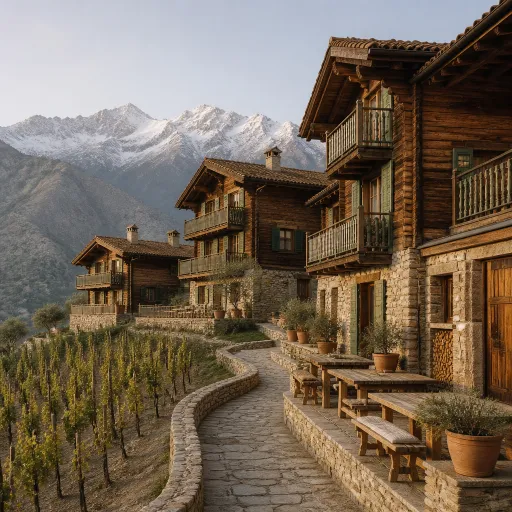
Hotels in Zermatt range from historic grand establishments that have operated for over a century to contemporary boutique spa hotels designed with clean lines and mountain materials. The village has no shortage of accommodation at every price point, but the best properties share a common trait: they use the mountain as their primary amenity. A room with a Matterhorn view in Zermatt is not a marketing gimmick; it is the entire point.
The skiing connects to Cervinia on the Italian side, creating one of the highest and most snow-sure ski areas in the Swiss Alps. Summer hiking is equally compelling, with trails leading to glaciers, alpine lakes, and mountain huts where the coffee is strong and the scenery is wonderful beyond description. Check availability early for hotel bookings during the winter high season; the best rooms with a direct mountain view sell out months ahead.
Guest reviews for Zermatt hotels consistently highlight the quality of the spa facilities, the warmth of service, and the reliability of the dining. The village operates year-round, unlike many Swiss resorts that close between seasons. The rating of top Zermatt hotel properties on review platforms reflects this consistency: rooms are well-maintained, the restaurant quality is good across price points, and the concierge service helps guests discover trails, restaurants, and experiences beyond the obvious. For a family looking to book a hotel in Zermatt with a great mountain view and friendly service, the options are genuinely numerous. Check guest review scores carefully, as they reveal which accommodations invest in room quality and which rely on location alone.
St. Moritz: the original alpine luxury hotel destination
St. Moritz invented alpine winter tourism. In 1864, a hotel owner bet his British guests that they would enjoy the Engadin Valley in winter as much as summer. He won that bet, and the village has been welcoming guests ever since. The concentration of grand hotel properties here is unmatched: nine five-star hotels in a village of fewer than 6,000 permanent residents.
The guest experience in St. Moritz hotel properties is defined by a particular kind of alpine elegance. Crystal-clear lake. 300 days of sunshine per year. Slopes groomed to perfection. A social scene that mixes old European money with contemporary cosmopolitanism. The grand hotels, Badrutt's Palace chief among them, are institutions where the service is as choreographed as a Swiss watch and the spa facilities span entire floors.
Pontresina, ten minutes from St. Moritz, offers a quieter alternative with wonderful hiking in the Roseg Valley and hotel properties that deliver similar quality at gentler night rates. For guests who want the Engadin without the St. Moritz premium, it is worth checking availability in Pontresina first.
Summer in the Engadin is spectacular: Lake St. Moritz for swimming, high-altitude trails through flower meadows, and a quality of light that photographers travel from across Europe to capture. Historic hotel properties adjust their programming for summer with hiking guides, mountain biking, and wellness packages.
Verbier and Crans-Montana: French-speaking Swiss Alps character
Verbier sits at 1,500 metres in the canton of Valais, south-facing and blessed with some of the best off-piste skiing in Switzerland. The hotel scene here skews younger and more energetic than St. Moritz. Boutique hotels with DJ nights. Spa resort properties with rooftop hot tubs overlooking the Mont Blanc massif. A restaurant culture that blends French gastronomy with alpine heartiness.
The Four Valleys ski area, accessible from Verbier, covers over 400 kilometres of terrain. For a guest who wants to combine serious skiing with a hotel that has genuine personality, Verbier delivers. The summer season brings mountain biking, trail running, and a music festival that transforms the village. Hotel ratings in Verbier are consistently high for properties that balance contemporary style with mountain authenticity.
Crans-Montana sits on a sun terrace above the Rhone Valley with panoramic views from the Matterhorn to Mont Blanc. The resort combines golf, hiking, and skiing with a hotel landscape that ranges from spa resort properties to historic addresses dating back to the early twentieth century. Guest reviews praise the sunshine, the gentler pace compared to Zermatt or Verbier, and the wonderful quality of the restaurant and hotel dining scene. Check availability for the spring ski season; Crans-Montana enjoys excellent late-season snow with warm temperatures. The hotel accommodations in Crans-Montana range from grand hotel properties located in the centre to boutique addresses with a more intimate guest experience. The booking window for winter is shorter here than in Zermatt or Verbier, making it a good option for guests who discover the Swiss Alps later in the planning process.
Grindelwald and the Bernese Oberland: Swiss Alps hotels with lake and mountain views
The Bernese Oberland offers the most dramatic scenery in the Swiss Alps outside the Valais. Grindelwald sits at the foot of the Eiger, with the Jungfrau railway providing access to Europe's highest railway station at 3,454 metres. Hotels here cater to a broad guest profile: families, hikers, skiers, and day-trippers from Interlaken and Lucerne.
The Jungfrau Region ski area covers 213 kilometres of piste across Grindelwald, Wengen, and Murren. Hotel properties in Grindelwald range from traditional Swiss chalets with wonderful views of the North Face to contemporary boutique addresses with spa and wellness facilities. Guest reviews consistently rate the breakfast quality and the friendliness of service across the region.
Lake Brienz and Lake Thun, flanking the Bernese Oberland, add a water dimension to the mountain hotel experience. Properties along these lakes offer a summer stay that combines alpine hiking with lakeside relaxation. The booking window for summer in this region has grown longer as the area gains popularity with guests from across Europe and Asia.
Wellness and spa hotels in the Swiss Alps
Switzerland takes spa seriously. Bad Ragaz, in the Rhine Valley, has operated thermal baths since 1242. The Chedi Andermatt, in the heart of the Swiss Alps, combines a historic alpine village with a spa hotel experience designed by Jean-Michel Gathy, the same architect behind leading resort properties in Thailand and Bali. The result is a property that feels both deeply Swiss and genuinely international.
Gstaad, in the Bernese Oberland, offers a more discreet form of luxury. Hotels here serve a clientele that values privacy over display, with spa facilities designed around mountain wellness traditions: herbal baths, altitude treatments, and outdoor pools with wonderful views of the surrounding peaks. The village itself feels like a movie set, with chalet-style architecture and streets clean enough to eat from.
Adelboden, less known internationally, delivers outstanding spa hotel value. Guest ratings reflect genuine quality at prices significantly below Zermatt or St. Moritz. The thermal tradition here draws on local mineral springs, and hotel properties have invested in wellness infrastructure that rivals the more famous Swiss resort addresses. For guests seeking a spa-focused alpine stay without the grand resort premium, Adelboden merits serious consideration.
Montreux, on the shores of Lake Geneva, bridges the gap between city and mountain hotel. The Montreux Jazz Festival brings music lovers each July, and the lakeside hotels offer a refined guest experience with mountain views and easy access to alpine trails. It is a different kind of Swiss Alps stay, but a wonderful one.
How to book and discover the best Swiss Alps hotel for your stay
The Swiss hotel booking landscape rewards early planning. For winter stays in Zermatt, St. Moritz, or Verbier, check availability and book three to six months ahead for rooms with the best mountain view. Family rooms and interconnecting suites are limited at most Swiss Alps properties; they disappear first. Summer bookings are more flexible, though Grindelwald and the Bernese Oberland have seen growing demand from guests who discover the region through hiking and trail running.
Guest rating and review platforms are useful for comparing Swiss Alps hotels, but the score alone rarely tells the full story. A historic hotel in Gstaad with a slightly lower rating may deliver a more memorable night than a modern spa property in Crans-Montana with a perfect score. Read what guests say about the room quality, the restaurant, and the service consistency; those details matter more than the number.
Davos and Arosa, in Graubunden, are worth discovering for guests who want great skiing and excellent hotel accommodations without the Zermatt or St. Moritz premium. Both resorts have invested in their hotel infrastructure, and the guest reviews reflect genuine improvement in recent years. Arosa in particular offers a family-friendly atmosphere, pet-friendly policies at several properties, and a relaxed pace that many guests prefer to the busier Swiss resort centres.
For a truly special Swiss Alps hotel experience, consider the less obvious locations. A boutique hotel above Lucerne with lake and mountain views. A historic property in Pontresina with access to the Morteratsch Glacier trail. A wellness address in Adelboden where the night rate is half of what you would pay in Zermatt for a comparable room and spa experience. The Swiss Alps reward the guest who looks beyond the famous names.
Most Swiss hotel properties are happy to be contacted directly for special requests: room preferences, dietary needs, anniversary arrangements, or advice on the best season for a particular type of stay. The concierge tradition in Switzerland is among the strongest in Europe, and good hotels take genuine pride in helping guests discover their region. Check the hotel website or contact them before booking through a third-party platform; direct booking rates are often competitive, and the hotel can accommodate preferences that online systems cannot capture.
Frequently asked questions about Swiss Alps hotels
Which Swiss Alps resort has the best hotel selection?
St. Moritz has the highest concentration of five-star hotel properties in the Swiss Alps, with nine in the village alone. Zermatt follows closely with a range from historic grand hotels to contemporary boutique spa addresses. For guests who prioritise spa and wellness, Bad Ragaz and Gstaad offer the most developed hotel wellness infrastructure. Verbier is strongest for guests who want nightlife and contemporary boutique style alongside their skiing.
How expensive are Swiss Alps hotels compared to French or Austrian alternatives?
Swiss Alps hotel night rates are typically 20 to 40 percent higher than comparable properties in the French or Austrian Alps. The premium reflects higher service standards, stronger currency, and a quality of hotel infrastructure that benefits from decades of sustained investment. However, the Swiss hotel guest experience includes elements often charged separately elsewhere: spa access, breakfast quality, and a level of service consistency that justifies the premium for many travellers. Check availability during shoulder seasons for better rates; spring skiing and autumn hiking offer wonderful value.
Are Swiss Alps hotels accessible for a summer holiday?
Summer is an excellent time for a hotel stay in the Swiss Alps. Most resort properties remain open from June through October, with significantly lower rates than winter. The hiking infrastructure is among the best in Europe, with 65,000 kilometres of marked trails. Lake swimming at Lake Brienz, Lake Geneva, and Lake St. Moritz adds variety. Historic hotels and spa properties adjust their guest programming for summer with guided hikes, mountain biking, wellness retreats, and cultural events. Grindelwald and Zermatt are particularly strong summer hotel destinations.