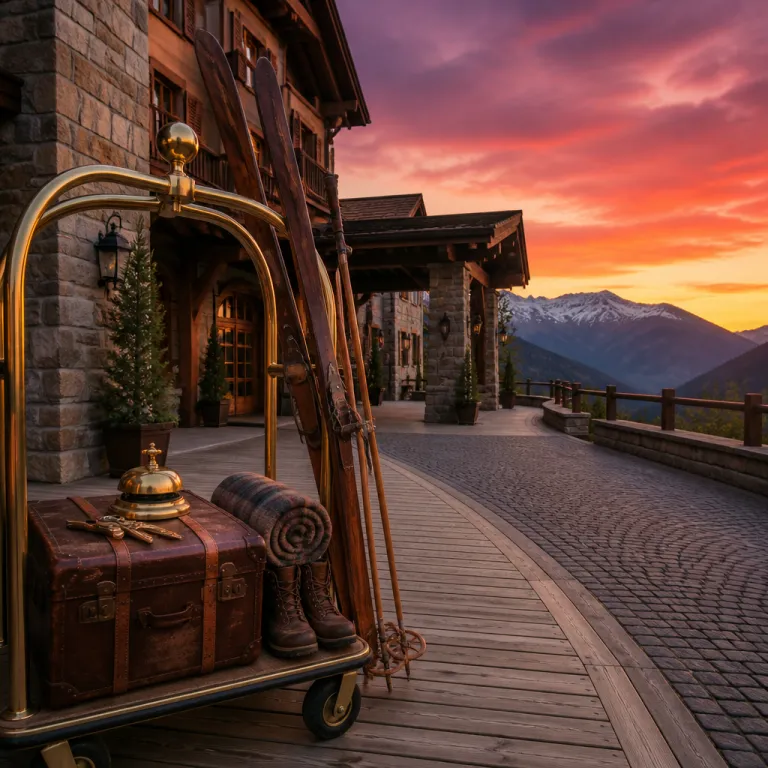
Best Hotels in the Lombardy Alps: Where to Stay Between Bormio and the Lakes
Why the Lombardy Alps are a smart choice for a mountain stay
Snow-capped ridges above Bormio, vineyards running down to the lake shore, and a direct rail line from Milan: the Lombardy Alps combine high-altitude drama with rare accessibility. If you are weighing where to book your next hotel in the Alps, this region of Lombardy in northern Italy is a strong contender for travelers who want both serious mountains and cultured detours. You can ski in the morning, then be back on Corso Buenos Aires in Milan for aperitivo the next day.
The area stretches from the Swiss border near Livigno and Valdidentro down towards the great lakes, with Lake Como and Lake Garda framing the southern edge. That geography matters when you choose between hotels: a room in the upper Valtellina valley feels very different from a lakefront hotel villa on the shores of Lake Garda. In the high valleys, guests enjoy quieter villages, direct access to ski slopes or hiking trails, and a more traditional Alpine rhythm, while the lakeside towns offer a softer, more Mediterranean atmosphere.
Closer to the lakes, the mood changes. Grand hotel façades line the promenades, palm trees appear beside the swimming pool, and the views over the water replace glacier panoramas. Both worlds sit within the same region of Lombardy, which makes it easy to combine a few nights in the mountains with a stay by the lake. For many travelers, that mix is precisely what makes hotels in Lombardy such an appealing alternative to more one-dimensional Alpine resorts, especially if you want to balance outdoor activity with relaxed days by the water.
Key areas to stay: from Bormio to the lakes
High in the Valtellina, Bormio anchors one of the most interesting corners of the Lombardy Alps. The town sits at around 1,200 metres, at the junction of three valleys, with the Stelvio Pass road climbing above it in a series of tight hairpins. Hotels here tend to focus on wellness and mountain sports: you will find properties with indoor pools, compact spa areas, and rooms and suites designed for skiers returning after a long day on the slopes. The atmosphere is Alpine first, Italian second, and the nearest major rail connection is Tirano, around 45 minutes away by bus or car.
Further west, the valleys around S. Caterina Valfurva, Valdidentro, and Madesimo feel more secluded. These are places to stay if you value direct access to hiking paths over nightlife, or if you prefer to hear cowbells rather than traffic when you open your room window at night. Many hotels in these villages are family-run, with friendly staff who know the local passes, snow conditions, and summer trails by heart. Expect simple, functional rooms, sometimes with generous balconies and wide mountain views, and plan on around three to four hours’ travel from Milan by car depending on the valley.
Drop down towards the south and the mood softens as you approach Lake Como and Lake Garda. On the western shore of Lake Como, around Menaggio and Tremezzina, a number of historic hotels and refined hotel villas sit a minute’s walk from the water, often separated only by the lakeside road. Here, guests enjoy views of the lake rather than peaks, landscaped gardens instead of ski rooms, and restaurants that serve lake fish and risotto rather than hearty mountain stews. Around Desenzano del Garda and Sirmione on Lake Garda, larger resort-style properties appear, some with outdoor pools and extensive grounds, better suited to longer summer stays and easily reached by train from Milan in around 90 minutes.
What to expect from hotels in the Lombardy Alps
Rooms in the Lombardy Alps tend to be practical rather than ostentatious, even in a higher category star hotel. Think solid wooden furniture, thick duvets, and large wardrobes for ski gear, with a few contemporary touches in more recently renovated properties. In the mountains, many hotels offer a mix of classic double rooms and larger rooms and suites for families or small groups, often with a sofa corner and an extra bed. When you check availability, pay attention to the exact room type: the difference between a standard room and a junior suite can be significant in terms of space and layout.
Public areas usually revolve around a lounge bar, a compact wellness area, and sometimes a small swimming pool. In Bormio and Valdidentro, several hotels connect their identity to thermal and wellness traditions, offering saunas, hot tubs, or access to nearby spa facilities. Around the lakes, the focus shifts outdoors: an outdoor pool with views of the lake, a shaded terrace for breakfast, and direct access to the promenade become the key features. In both settings, the best hotels in Lombardy understand that guests enjoy a sense of place, so you will often see local stone, larch wood, and regional wines on display, sometimes complemented by photos of nearby passes and lakes.
Service style is generally informal but attentive. This is not the hyper-polished choreography of a palace in central Milan, but a more relaxed, mountain version of Italian hospitality. Friendly staff will usually remember your room number by the second night and may suggest a less obvious mountain hut for lunch or a quieter ferry time on Lake Como. For many travelers, that blend of professionalism and familiarity is one of the region’s quiet luxuries, especially in smaller hotels where the owners are present every day.
Dining, local flavours, and on-site restaurants
Breakfast in the Lombardy Alps leans towards substance. Expect baskets of local bread, mountain butter, jams, and often a corner with bresaola from Valtellina and regional cheeses. In winter, a hot buffet with eggs and pastries is common, especially in hotels that cater to skiers who will not stop again until mid-afternoon. Around the lakes, breakfast may move outside onto a terrace with views of the lake, with lighter options and more fruit, reflecting the milder climate and the slower pace of a lakeside holiday.
Many hotels in the region operate an in-house restaurant that serves both guests and external diners. Menus often mix classic Italian dishes with local specialities such as pizzoccheri, sciatt, or lake fish grilled with herbs. In Bormio and the surrounding valleys, half-board remains popular: guests enjoy the convenience of returning to the same dining room each night, with a changing set menu and a short à la carte list. On Lake Garda and Lake Como, there is more competition from independent trattorie along the shore, so hotel restaurants tend to refine their offer, sometimes focusing on tasting menus or a strong wine list that highlights Valtellina reds and Lugana whites.
If dining is a priority for you, it is worth checking in advance whether the hotel offers a full restaurant or only a breakfast room and bar. Some smaller mountain hotels close their restaurant on one or two nights per week outside peak season, which can affect your plans if you prefer not to drive after dinner. In lakefront towns such as Bellagio or Desenzano del Garda, this is less of an issue, as you are usually only a few minutes’ walk from several alternatives, including gelaterie and wine bars along the promenade.
How to choose the right area and property profile
Choosing between the high valleys and the lakes is the first real decision. The upper Lombardy Alps around Bormio, Valdidentro, and Livigno are better for guests who prioritise skiing, hiking, and cycling, and who like to step out of the hotel and be close to the lifts or trailheads. Here, the best places to stay are often in compact villages where everything is within a short walk, from the rental shop to the café on the main piazza. Nightlife is limited, but the sense of being in a true mountain community is strong, and you can reach most of these towns from Milan in three to four hours by car or a combination of train and bus.
The lake areas, especially Lake Como and Lake Garda, suit a different rhythm. If you imagine slow mornings on a balcony, boat trips, and late dinners on a terrace, a grand hotel or refined hotel villa on the shore will be more appropriate. These properties often have more elaborate gardens, larger outdoor pools, and a broader mix of guests, from couples on a short break from Milan to families staying a full week. The trade-off is that you are further from the high Alpine passes: day trips into the mountains are possible, but not as immediate, and you will rely more on ferries and local buses than on ski lifts.
Within each area, consider whether you prefer a smaller, family-run hotel with a handful of rooms or a larger property with full facilities. A compact star hotel in a side street off Via Roma in Bormio might offer a more intimate atmosphere, with staff who quickly learn your preferences. A larger lakeside property near Desenzano del Garda may provide more services, such as multiple restaurants, a sizeable outdoor pool, and organised activities, but with a more anonymous feel. There is no universal “best”: it depends on whether you value character or infrastructure more, and whether you are travelling as a couple, a family, or a group of friends.
Practical booking tips: timing, availability, and stay length
Seasonality in the Lombardy Alps is pronounced. Winter and August are the busiest months in the high valleys, while late spring and early autumn can feel almost private, with empty trails and quieter hotels. Around Lake Como and Lake Garda, the peak stretches from late May to September, when ferries run frequently and waterfront promenades stay lively late into the night. If your dates are flexible, shoulder seasons often offer a calmer experience and more choice of rooms and suites, as well as better value in higher category hotels.
When you check availability, look beyond the headline room category. Pay attention to whether the room faces the street, the mountains, or the lake, and whether a balcony is included. A modestly sized room with a clear view of the peaks or the water can feel more luxurious than a larger space facing a courtyard. In towns like Bormio or Menaggio, a room a few floors up can also reduce noise from evening passeggiata on the main streets such as Via Milano or Via IV Novembre, while still keeping you close to restaurants and the main piazza.
Length of stay shapes your choice as well. For a short two- or three-night escape from Milan, a hotel in Bormio or on the central basin of Lake Como works well, as both are reachable within a few hours by car or train and boat. For a longer holiday, consider splitting your time: a few nights in the high Lombardy Alps for fresh air and activity, followed by several nights on Lake Garda or Lake Como for slower days by the water. This combination allows you to experience the full range of what the region of Lombardy offers without constant packing and unpacking, and makes it easier to match different hotel styles to different parts of your trip.
Who the Lombardy Alps suit best
Active travelers who like to earn their dinner will feel at home in the Lombardy Alps. The passes above Bormio and Livigno attract road cyclists, while hikers can access well-marked trails directly from many villages. In winter, skiers and snowboarders benefit from varied terrain and generally reliable snow at higher elevations. For this profile, a hotel that offers early breakfast, a secure equipment room, and perhaps a small wellness area for recovery at night is ideal, especially if you plan full days on the slopes or in the saddle.
Couples looking for a romantic setting may gravitate towards Lake Como or the quieter corners of Lake Garda. A room with views of the lake, a small balcony, and a restaurant that serves dinner by candlelight can be more memorable than a larger but more functional mountain hotel. Here, the ability to stroll hand in hand along the promenade, stop for gelato, and return to a grand hotel lobby for a nightcap matters more than direct access to ski lifts, and many properties offer late check-out or spa treatments tailored to couples.
Families often appreciate the balance offered by mid-sized properties that combine a relaxed atmosphere with enough facilities to keep everyone content. An outdoor pool on Lake Garda, a simple play area, and flexible meal times can make a significant difference. In the mountains, proximity to beginner slopes or easy walking paths is more important than elaborate design. In all cases, the Lombardy Alps and their lakes reward travelers who value a sense of place, local food, and the possibility of shifting from mountain air to lakeside breeze within a single trip, whether you are travelling with children, friends, or on your own.
Best Hotels in Lombardy Alps, Italy
The best hotels in the Lombardy Alps sit in two main settings: high mountain valleys such as Bormio and Valdidentro, and the shores of Lake Como and Lake Garda. Mountain properties suit guests who prioritise skiing, hiking, and cycling, with practical rooms, wellness corners, and quick access to trails and lifts. Lakefront hotels and hotel villas focus more on gardens, outdoor pools, and views of the lake, ideal for slower stays and romantic breaks. Choosing between them depends on whether you want an activity-led escape in the high Alps, a refined lakeside interlude, or a combination of both within the same region of Lombardy.
- QC Terme Grand Hotel Bagni Nuovi (Bormio) – Historic spa hotel with extensive thermal facilities and elegant rooms, perfect for guests who want a hotel in Bormio with spa access. Pros: direct entry to thermal baths, mountain views, refined dining. Cons: slightly outside the town centre, premium pricing in peak season.
- Hotel Baita Clementi (Bormio) – Comfortable Alpine-style property a short walk from Via Roma. Pros: cosy rooms, small wellness area, good value for skiers. Cons: decor is traditional rather than ultra-modern, limited outdoor space.
- Hotel San Lorenzo (Bormio) – Central hotel close to shops and restaurants. Pros: convenient location, friendly staff, easy access to ski bus. Cons: some rooms face the street, parking can be tight at busy times.
- Alpen Hotel Chalet (Valdidentro) – Intimate mountain hotel in a quiet valley setting. Pros: peaceful location, wood-panelled rooms, good base for hiking and cross-country skiing. Cons: limited nightlife nearby, you will need a car for wider exploring.
- Hotel Sonne (Livigno) – Boutique-style option in the pedestrian area of Livigno. Pros: stylish interiors, generous breakfast, close to lifts and shops. Cons: higher rates than some neighbouring properties, lively surroundings in high season.
- Grand Hotel Tremezzo (Tremezzina, Lake Como) – Iconic luxury hotel on the western shore of Lake Como. Pros: spectacular lake views, multiple pools, lush gardens, classic grand hotel atmosphere. Cons: very popular and priced accordingly, advance booking essential in summer.
- Hotel du Lac (Menaggio, Lake Como) – Mid-range lakefront hotel near the ferry terminal. Pros: central location, rooms with balconies over the water, easy boat connections. Cons: some rooms are compact, traffic noise possible on lower floors.
- Hotel Villa Serbelloni (Bellagio, Lake Como) – Historic villa hotel at the tip of the Bellagio promontory. Pros: grand interiors, lakeside pool, fine-dining restaurant. Cons: formal atmosphere may not suit all guests, parking and access can be busy in peak months.
- Hotel Villa Rosa (Desenzano del Garda, Lake Garda) – Contemporary lakefront property with pool and gardens. Pros: short walk to the historic centre, modern rooms, good base for exploring southern Lake Garda. Cons: limited spa facilities, some rooms have partial rather than full lake views.
- Hotel Eden (Sirmione, Lake Garda) – Central Sirmione hotel with direct access to the lake. Pros: panoramic terrace, easy walk to the castle and thermal baths, ideal for car-free stays. Cons: parking is off-site, rooms can book out quickly in summer.
FAQ
Are there luxury hotels in the Lombardy Alps?
Yes, the Lombardy Alps offer several luxury and premium hotels, particularly in and around Bormio and along the shores of Lake Como and Lake Garda. In the mountains, higher category properties often feature wellness areas, refined dining, and spacious rooms and suites, while on the lakes you will find grand hotel buildings and elegant hotel villas with landscaped gardens and outdoor pools. The level of formality is usually lower than in a central hotel in Milan, but comfort and service standards remain high, especially in long-established family-run properties.
Which area is better for a first stay: Bormio or the lakes?
Bormio is better if you want a classic Alpine experience with easy access to skiing, hiking, and mountain passes, all concentrated in a compact town. The lakes, especially Lake Como and Lake Garda, are preferable if you imagine boat trips, waterfront walks, and long dinners on terraces with views of the lake. For a first visit, many travelers choose Bormio in winter and Lake Como or Lake Garda in late spring or early autumn, when each area shows its strengths and travel from Milan is straightforward by train and bus.
Do hotels in the Lombardy Alps usually have swimming pools?
Many, but not all, hotels in the Lombardy Alps have some form of pool or wellness facility. In the high valleys, indoor pools and small spa areas are more common, reflecting the colder climate and focus on winter sports. Around Lake Como and Lake Garda, outdoor pools are more frequent, often set in gardens with sun loungers and partial lake views. If a pool is important to you, always check the facilities list carefully before booking, and confirm whether it is open in the shoulder seasons.
Is it easy to combine a stay in the Lombardy Alps with a visit to Milan?
Yes, combining the Lombardy Alps with Milan works well, especially for trips of a week or more. Rail and road links connect Milan with towns such as Tirano and Lecco, from which you can continue into the mountains or along Lake Como and Lake Garda. Many guests spend a night or two in a hotel in Milan at the start or end of their trip, using the city as a cultural counterpoint to the quieter rhythm of the Alps and lakes, and taking advantage of direct trains from Milano Centrale or Milano Porta Garibaldi.
When is the best time to visit the Lombardy Alps and lakes?
For skiing and snow-focused stays, the best time is typically from late December to March in the higher valleys around Bormio and Livigno. For lake stays on Lake Como and Lake Garda, late May to June and September offer warm weather, active ferry schedules, and fewer crowds than peak summer. Hikers and cyclists often favour June and September in the mountains, when trails are open, temperatures are moderate, and hotel availability is usually better than in the core holiday weeks of August, especially in smaller spa hotels and lakefront properties.