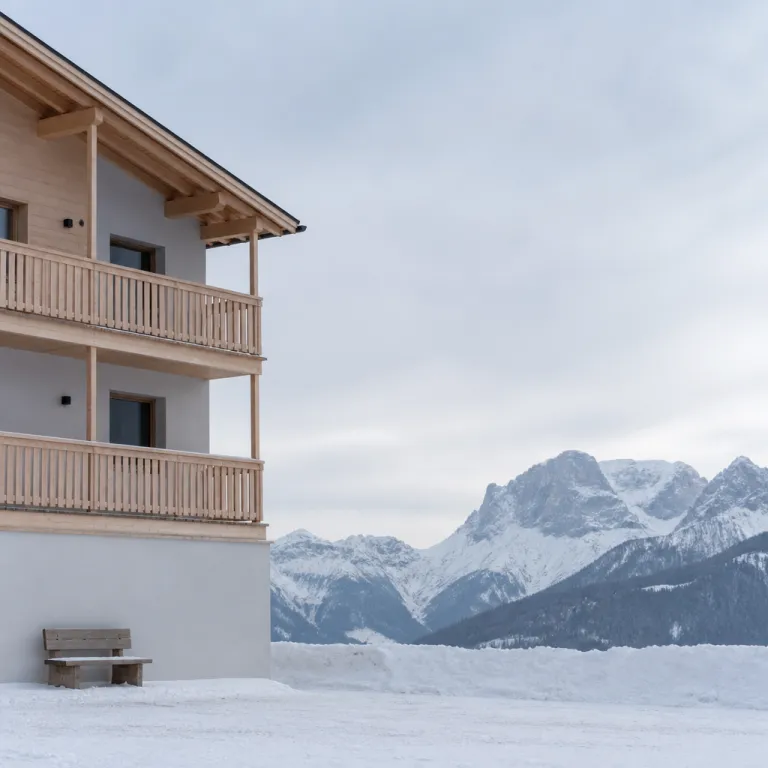
Cavalese: the Dolomite town that chose cross-country over circus
Most visitors to the Italian Dolomites follow the well-grooved path toward Cortina or Val Gardena, chasing vertical metres and Instagram panoramas. Cavalese, sitting at 1,000 metres as the principal town of Val di Fiemme in eastern Trentino, chose a different identity altogether. This is where the Nordic World Ski Championships have landed three times, where 150 kilometres of groomed cross-country trail wind across the valley floor, and where the Marcialonga marathon brings 8,000 skiers surging through town each January. The culture here is endurance, not spectacle. And the hotels reflect that philosophy with a quiet competence that the flashier resorts struggle to replicate.
Val di Fiemme operates on rhythms that predate tourism by centuries. The Magnifica Comunita di Fiemme, a self-governing body that has managed the valley's forests and pastures since 1111, still runs from a Renaissance palazzo on the main piazza. The shops sell bread and cheese, not branded goggles. The cafes keep the same hours in July and January. When you check into a Cavalese hotel, you are not entering a resort bubble. You are joining a functioning alpine community that happens to sit at the base of some extremely good skiing.
The Cermis and the skiing equation
The Cermis cable car launches from the eastern edge of town and climbs to 2,229 metres, opening up 110 kilometres of connected downhill terrain across Val di Fiemme. The skiing is honest rather than heroic. Intermediate cruisers dominate, the nursery slopes at the base forgive beginners generously, and the summit panorama stretches from the jagged Pale di San Martino across to the Lagorai granite ridge. Three snow parks provide progression features without the chaos of the mega-resort equivalents.
But the real magnetic pull is underfoot on the valley floor. Those 150 kilometres of cross-country trail represent some of the finest Nordic skiing in the Alps. The tracks are meticulously groomed, the terrain rolls through meadows and forest with enough variety to keep classical and skating technique skiers engaged for a full week, and the atmosphere on the trails carries a quiet intensity that downhill queues never generate. If you have spent any time around Scandinavian ski culture, the valley floor here will feel immediately familiar, just warmer, and with better food at the end of each session.
Wellness hotels that understand recovery
The wellness tradition in Cavalese grew directly from the valley's athletic culture. These are not spa hotels that drape a sauna over a lobby and call it wellness. The stronger properties offer systematic recovery programming: heated indoor pools, proper sauna circuits, treatment rooms staffed by people who understand what 30 kilometres of Nordic skiing does to hip flexors, and half-board dinners built to refuel rather than merely impress. The four-course evening meal draws on Trentino mountain cooking with real conviction. Canederli in broth, polenta with slow-braised venison, mushroom risotto using porcini from the Lagorai slopes, apple strudel made with fruit from the valley's own orchards. The cooking is rooted and seasonal, and it tastes like the place it comes from.
Several of the older hotels in the town centre occupy buildings with centuries of structural history. Thick stone walls, vaulted cellars, wooden beams darkened by generations of alpine winters. These properties put you within walking distance of the palazzo, the parish church, and the evening passeggiata that unfolds along the main street after dinner. That proximity matters. Cavalese after dark has a sociability that the purpose-built resort villages, for all their investment, simply cannot manufacture.
B&B stays, apartments, and the maso tradition
The b&b network across Cavalese and Val di Fiemme provides the most accessible route into the valley. A typical Cavalese b&b delivers a clean, comfortable room with mountain views and a breakfast table loaded with local cheese, fresh bread, cured meats, and the altitude honey that Fiemme beekeepers produce from wildflower meadows above the tree line. The freedom to explore a different restaurant each evening is part of the appeal. The valley has enough good kitchens to sustain a week of dining without repetition.
Apartment rentals suit families and anyone planning a longer stay who prefers independence over the half-board structure. But the accommodation type unique to Trentino, and worth seeking out, is the maso. These farm-stay properties serve breakfast from their own production: milk still warm from the morning, eggs collected that day, cheese aged in the cellar below your room, and fruit preserves made from whatever the altitude and the season provided. The maso tradition connects guests to the agricultural reality of the valley in a way that even the best hotel breakfast buffet cannot approximate. Properties on the slopes above town deliver the widest Dolomite panoramas alongside the farm experience.
The Marcialonga and what it reveals
Every January, the Marcialonga transforms Val di Fiemme into something that feels more Scandinavian than Italian. Eight thousand participants ski 70 kilometres from Moena to Cavalese, and the valley lines the route with spectators who understand the effort involved. The finish in Cavalese erupts with a communal energy that downhill racing, with its distant fences and VIP enclosures, never generates. This is participatory sport at its most democratic, and the hotels that serve the Marcialonga crowd know exactly what that guest needs: waxing rooms, breakfast served before dawn, and dinner menus designed around fuel rather than theatre.
The event fills every hotel, b&b, and apartment in the valley months ahead. But the Marcialonga is not just a weekend. It is the clearest expression of what Val di Fiemme values. Effort. Community. A shared relationship with landscape that goes deeper than scenery. Hotels here absorb that ethos. The welcome tends to be warm without performance, the service attentive without fuss, and the overall experience shaped by a valley that has been hosting visitors on its own terms for nine centuries.
Summer: the Lagorai and the quieter mountains
When the snow retreats, Cavalese pivots to hiking and cycling with the same understated confidence. The Cermis lifts reopen for mountain access, and the trail network fans out from the valley floor toward the Lagorai range rising south to over 2,700 metres. The Lagorai is the great secret of eastern Trentino. A 70-kilometre granite chain studded with over 100 glacial lakes, scarred by First World War trenches, and visited by a fraction of the hikers who crowd the western Dolomite paths. The multi-day traverse of the Lagorai ridgeline ranks among the finest mountain walks in the eastern Alps, and it rewards solitude-seekers with a wilderness quality that the more famous ranges have largely surrendered.
Road cyclists follow the Marcialonga route through a landscape of churches, orchards, and meadows backed by Dolomite walls. Mountain bikers find a dedicated trail network above the valley. The lake at Tesero, a few kilometres west, provides swimming for families. And through July and August, the town centre fills with music festivals and markets that give the evenings a social warmth entirely distinct from the winter atmosphere.
Cavalese and Val di Fiemme at a glance
- Cavalese altitude: 1,000 m, principal town of Val di Fiemme, eastern Trentino
- Cermis cable car summit: 2,229 m, direct access from the town edge
- Downhill ski terrain: 110 km across Val di Fiemme
- Cross-country trails: 150 km groomed, among the finest Nordic networks in the Alps
- Marcialonga: 70 km marathon, 8,000 participants each January
- Lagorai range: 70 km granite chain, 100+ glacial lakes, multi-day traverse
- Trentino Guest Card: cable cars, buses, and museums included with stays of 2+ nights
- Transfer from Trento: 50 km, approximately 45 minutes by road
What type of accommodation works best in Cavalese?
Wellness hotels suit guests who want spa recovery built into the ski day: pool, sauna, treatments, and half-board dinners rooted in Trentino cooking. Historic properties in the town centre deliver the strongest sense of place and walking access to restaurants and the evening social life. B&b stays provide the best value alongside genuine warmth and strong breakfasts. Maso farm-stays offer the most distinctive Trentino experience, with breakfast sourced directly from the property. Apartment rentals suit families and longer stays where kitchen independence matters. Peak periods fill early across all categories.
How does Cavalese compare to the western Dolomite resorts?
The skiing is smaller in scale, the atmosphere is less polished, and the rates are meaningfully lower. What Cavalese trades in vertical metres and resort infrastructure, it gains in community authenticity, Nordic skiing depth, and the kind of genuine hospitality that comes from a town that existed long before tourism arrived. The cross-country network alone justifies a visit for anyone with even a passing interest in Nordic technique. And the overall cost of a week here, from accommodation through dining to lift access, makes an extended alpine stay feasible in a way that the premium Dolomite valleys stopped offering a generation ago.
Is Cavalese accessible without a car?
The Val di Fiemme bus service connects Cavalese to Trento and to the surrounding villages, and town-centre hotels put skiing, restaurants, and the cable car within walking distance. A car adds flexibility for reaching Lagorai trailheads and the lake at Tesero, but it is not essential for a ski-focused visit. Trento is 50 kilometres west. Verona Airport sits 150 kilometres south, roughly two hours by road.