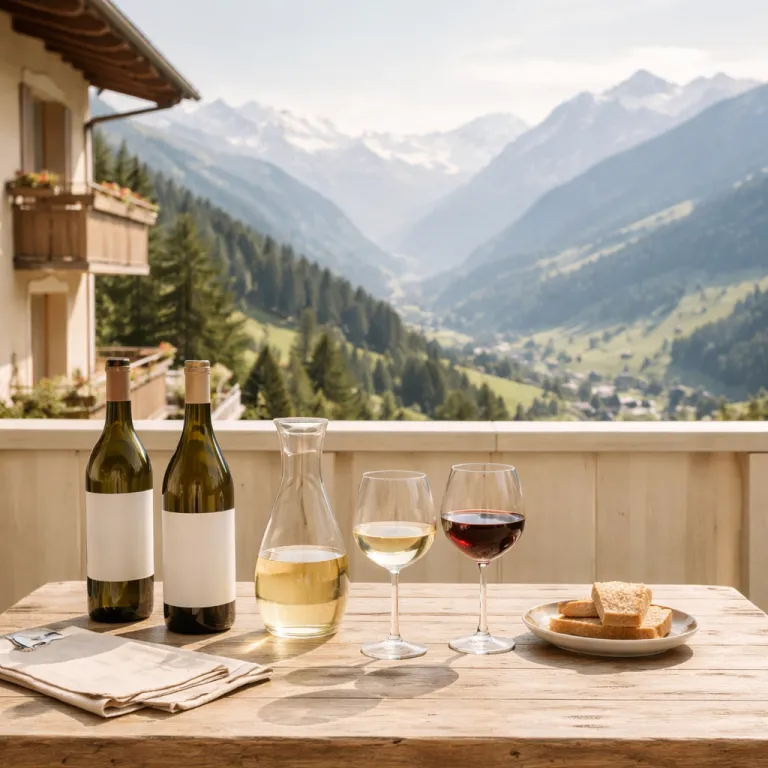
Alpine wine sommeliers and the quiet power of the cellar
In the Alps, alpine wine sommeliers shape your stay long before the first glass reaches the table. Their work stretches from pre service study of obscure grape varieties to late night sessions when the last red wine is poured and the dining room falls silent. Those off duty hours are when the real alpine wine lists are edited, argued over and quietly rewritten.
Across the region, a sommelier or a full wine director will often finish service with a small tasting of biodynamic wines or natural alpine wines opened just for the team. They are not checking the price or thinking about regular sales; they are asking whether a new Müller-Thurgau from Valais or a cabernet sauvignon from a warmer south facing slope truly belongs on the wine list. As one head sommelier in Savoie explained during a 2023 internal workshop, the guiding rule is that if a bottle does not clearly express its origin and story, it will not stay on the list. These moments turn a simple sommelier wine selection into an expert guide for guests who care about wine culture as much as they care about the view.
Data from serious cellars underlines how deep this commitment runs in luxury hotels. Publicly available figures and industry reports suggest that properties such as Döllerers Genusswelten and Hotel Almhof Schneider each manage tens of thousands of bottles in their cellars, while Posthotel Achenkirch is frequently cited for holding one of the larger collections in the region. Exact numbers vary from year to year, but the scale is clear. When you book through a curated platform such as stay in alps dot com, you are effectively choosing which of these alpine wines you want within reach on any given day.
The people behind the list: from Aosta biodynamics to South Tyrol depth
Names matter in the mountains, and certain alpine wine sommeliers are worth planning a trip around. In Alta Badia, the team at Rosa Alpina has built a reference level cellar for alpine wine, with a wine director who treats Gewürztraminer, Lagrein and Schiava from Alto Adige as seriously as grand cru Pinot Noir from Burgundy. Their wine list reads like a study in altitude, with red wines from the valley floor and easy drinking whites from higher terraces poured side by side, often described in terms of alpine herbs, stone fruit and cool slate.
Across the border in Aosta, a new generation of sommelier talent is championing biodynamic producers such as Grosjean and Anselmet, both widely cited in regional guides published between 2020 and 2023. Here you will see Petite Arvine and Cornalin listed next to Pinot Grigio from northern Italy and structured red wine made from Nebbiolo grown in the Donnas region, all at a price that still feels fair compared with the United States or the south of Spain. If you want to understand how these professionals think, the article on the team behind luxury hotel booking excellence in the Alps offers a useful parallel with how wine directors build trust.
Further north, Lenkerhof in Switzerland and Forsthofalm in Austria show how a sommelier can anchor a property’s identity. Lenkerhof’s cellar leans into Valais alpine wines, often highlighting Petite Arvine with notes of grapefruit and salt, while Forsthofalm focuses on Austrian grape varieties and red wines that match its wood fire cuisine rather than chasing Southern Rhône blockbusters. In each case, the sommelier wine choices reflect the region more than international fashion, which is exactly what couples seeking a sense of place should look for when they book.
Where the allocations stay in house: Valais, Alto Adige and beyond
One of the quiet truths about alpine wine is that many of the best bottles never leave the hotels that buy them. In Valais, Petite Arvine, Heida and Humagne Rouge are produced in such small quantities that alpine wine sommeliers often secure most of the available cases for their own cellars, meaning these wines rarely appear in retail outside the region. The result is that a guest in a luxury suite at Crans-Montana may drink a glass of red wine that even collectors in the United States will struggle to track down.
South Tyrol tells a similar story, especially in Alto Adige where Gewürztraminer takes its name from the village of Tramin. Here, alpine wines such as structured Pinot Noir, fragrant Müller-Thurgau and mineral Pinot Grigio are snapped up by hotels that understand how strongly guests respond to a sense of place. If you are planning a romantic stay, reading about the team curating these booking experiences can be as useful as studying a wine list, because the same people often advise on which regions to highlight and which producers to prioritise.
For couples who care about wine culture, this means the hotel choice effectively sets the boundaries of your tasting journey. A property with a serious sommelier and a cellar focused on alpine wines will pour Petite Arvine by the glass and offer cabernet sauvignon only when it genuinely fits the menu, not because it is a regular international request. When you see a wine director referencing Southern Rhône benchmarks while still prioritising local grape varieties, and describing them in terms of freshness, tannin and altitude, you know you are in the right dining room.
After hours: what alpine sommeliers really drink and why it matters
The most revealing moment in any luxury hotel often comes after the last guest has gone upstairs. In that quiet window, alpine wine sommeliers gather in the cellar or a small tasting room and open the bottles they have been saving for themselves, usually biodynamic wines or small batch alpine wines that are still under consideration for the list. This post service ritual is where personal curiosity meets professional responsibility.
According to the internal guidance shared with our équipe in 2023, they often choose biodynamic, natural, or small-batch wines that show clarity and balance. That choice is not about chasing a fashionable label or a low price; it is about testing whether a new Pinot from a steep south facing slope in Savoie or a Müller-Thurgau from Alto Adige can handle the region’s rich cuisine. These sessions might also include a comparative tasting of red wines from the Southern Rhône and cooler climate red wine from the Alps, giving the sommelier a sharper sense of balance and alcohol when advising guests.
Sometimes, the off pour is surprisingly simple and easy drinking, such as a light Pinot Noir served slightly chilled after a long day of heavy red wines, showing red cherry, cranberry and a hint of forest floor. On other nights, the team might open a structured cabernet sauvignon or even a well made beer to reset their palates before the next study session. If you are curious about how these choices intersect with broader hospitality design, the piece on designer perspectives on luxury hotel booking websites shows how the same attention to detail shapes both digital and cellar experiences.
Pairing alpine cuisine: where the lists shine and where they fall short
For couples planning a stay, the most practical question is how these alpine wine lists perform at the table. The strongest programs use an expert guide approach, matching cheese fondue with crisp alpine wines such as Jacquère or Müller-Thurgau, then moving to structured red wines for wood fire game or slow cooked beef. A thoughtful sommelier will suggest when to follow the cheese and when to follow the sauce, sometimes pouring an easy drinking Pinot Noir by the glass before stepping up to a more serious red wine with the main course.
Where many alpine properties still lag is in the breadth of international wines. You may find a token cabernet sauvignon from Italy or a familiar label from the United States, but the depth rarely matches what you would see in a city restaurant in the south of France or Spain. That said, the best wine director in each region turns this limitation into a strength by focusing on alpine wine, building a wine list that tells a coherent story from Aosta to Alto Adige and from Valais to the Southern Rhône.
When you read a list, look for clear signposting of grape varieties, transparent notes on style and a balance between regular favourites and more adventurous alpine wines. A serious sommelier wine program will also offer half bottles, thoughtful pricing by the glass and the occasional large format for special events, rather than pushing only the highest price options. If a menu still feels like skip content between the kitchen and the bar, it is a sign that the hotel has not yet realised how central wine culture has become to the alpine experience.
FAQ
Where can I best experience authentic Alpine wine culture during a hotel stay ?
Look for luxury hotels in regions such as Valais, Aosta and Alto Adige that employ dedicated alpine wine sommeliers and list local grape varieties by name. Properties with large cellars, such as Döllerers Genusswelten or Hotel Almhof Schneider, usually offer deeper access to alpine wines that rarely reach retail.
What wines do Alpine sommeliers prefer to drink after service ?
They often choose biodynamic, natural, or small-batch wines. These bottles help them relax while also serving as a quiet study session, allowing them to decide which alpine wines, from Müller-Thurgau to Pinot Noir, deserve a place on the wine list.
Why are some Alpine wines hard to find outside the region ?
Production in areas such as Valais, Aosta and Alto Adige is limited, and many top cuvées are allocated directly to hotels rather than exported. As a result, certain red wines and whites from these regions are effectively exclusive to the properties that buy them.
How should I read a hotel wine list in the Alps ?
Start by checking how clearly the grape varieties and regions are explained, then look for a balance between familiar names and local alpine wines. A well curated list will offer options by the glass, half bottles and a range of price points, guided by a sommelier who can act as an expert guide rather than a salesperson.
Are Alpine hotel wine lists strong for international classics like cabernet sauvignon ?
Many alpine properties still focus more on local wines than on deep verticals of international grapes such as cabernet sauvignon. If you want both, choose hotels known for serious cellars, where the wine director deliberately balances alpine wine with benchmark bottles from regions such as the Southern Rhône or northern Italy.