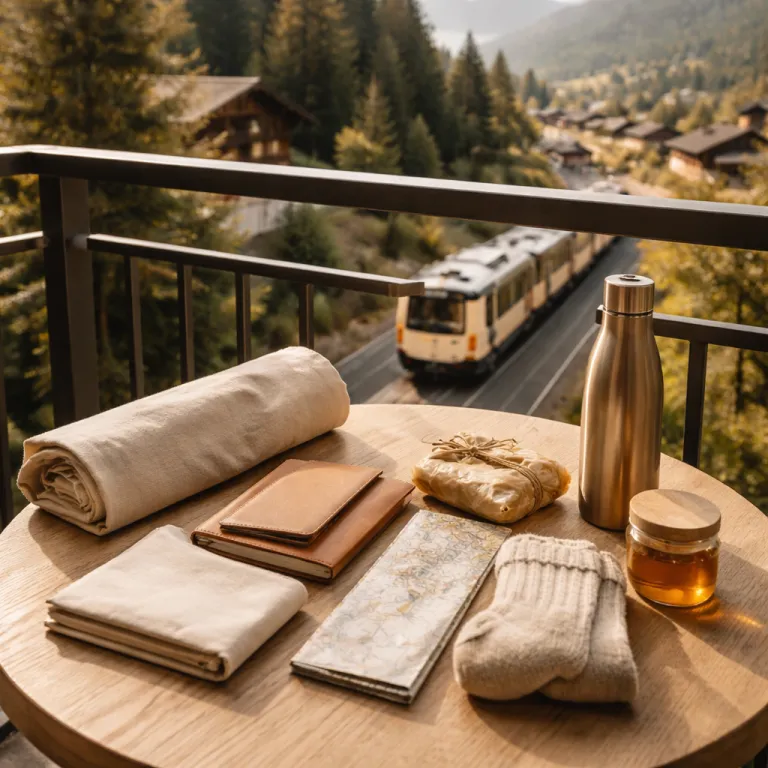
Why a rail first travel alps itinerary now beats the drive
For a luxury travel alps journey this summer, the train is no longer a compromise. Across the Alps, modern rail lines now stitch together Switzerland, Italy and Austria with a level of comfort that quietly outclasses most private drives and airport transfers. When you plan a week long trip alps escape around rail, you gain mountain time, lose parking stress and arrive with your energy intact for hiking adventures or spa rituals.
Swiss operators have leaned into year round tourism, so Glacier Express and Bernina Express timetables now serve both winter skiers and summer hiking trekking couples. Glacier Express typically runs daily from mid December to late October, while Bernina Express operates year round with extra summer departures, according to the official Rhaetian Railway schedules at the time of writing. Exact dates can shift slightly each year, so it is worth checking current timetables before you book. That shift makes a rail based adventure through the Alps popular corridors feel effortless, especially when hotels meet you at the platform with electric cars instead of sending you to hunt for cable cars or shuttle buses. As Travel And Tour World has reported, "The Alps offer diverse activities year-round."
For couples planning to visit alps regions in peak summer, rail first travel reduces exposure to heat and altitude swings that can make a long drive draining. You step from a cool, air conditioned carriage straight into a shaded station, then into a waiting car or short walk, which is a better level of care than most highway service areas can offer. That is why many of the best alps properties now reward rail arrivals with early check in, spa access on arrival days and luggage handling that feels tailored to a small group rather than a tour bus.
From an environmental perspective, a rail based trip through the Alps mountain system cuts emissions without forcing you into austerity. The European Environment Agency notes that, on comparable routes, trains can emit several times less CO₂ per passenger kilometre than private cars. You still enjoy panoramic view after view, but you do it from wide windows, linen covered seats and quiet carriages instead of from behind a steering wheel. For couples who want their travel alps choices to match their values, this is the moment when the low carbon option has finally become the best product, not the worthy compromise.
Seven day rail itinerary across three Alpine countries
This seven day travel alps itinerary is built for a couple who wants to explore three countries without ever needing to drive. It links Switzerland, Italy and Austria by rail, then uses short transfers to reach properties that understand hiking adventures, spa time and slow dinners better than any mass market tour. You can adjust the level of activity on each of the days, but the structure keeps the rhythm of the mountain at its heart.
Days 1 to 3 – Lake Lucerne and the Swiss Alps – arrive in Zürich and take the train to Lucerne in about 45 minutes, then connect by boat or bus to Weggis on Lake Lucerne for Chenot Weggis, where the spa program can be as gentle or as intense as your fitness level allows. From here, you can visit alps viewpoints by lake steamer and cable cars, or take easy alps hiking paths above the water for short hikes with a wide view but minimal effort. This is also a refined base for a day trip alps rail loop on the Gotthard Panorama Express, which combines boat and train and offers a different mountain perspective than the more popular Glacier Express tours.
Days 3 to 5 – Haute Dolomites via Italy Switzerland rail links – from Lucerne, cross into northern Italy by train via Lugano and Bolzano, then transfer to Forestis above Brixen. The journey itself feels like a curated hiking tour in reverse, as you glide past trailheads and national park gateways that summer hikers reach on foot over several level days. Forestis specialises in couples who want to spend time between sauna, forest bathing and guided hikes, with staff able to arrange private hiking trekking outings that match your preferred level of challenge.
Days 5 to 7 – Bavarian Alps and historic retreats – take the rail corridor north via Innsbruck to Garmisch Partenkirchen, then a short transfer to Schloss Elmau. This stretch along the Arlberg corridor is one of the best alps rail journeys for couples who like to watch the mountain change from limestone to granite while staying seated. If you are drawn to grand old palace style properties, pair this stay with inspiration from our guide to historic Alpine hotels where the past still checks in, then choose one extra night to linger in a valley that speaks to you.
Across the week, you will cross the Alps mountain chain from lake shore to high pasture without once needing to tour mont passes by car. Each segment is short enough that you arrive with time to explore on foot, whether that means gentle hikes near the hotel or a guided hiking tour into a nearby national park. The result is a travel alps itinerary that feels like a curated string of adventures alps moments, not a logistics exercise.
How to make rail first luxury work in real life
For this kind of travel alps journey, packing and timing matter as much as hotel choice. Aim for one shared suitcase and one small carry on each, which keeps transfers between trains, cable cars and hotel shuttles smooth even on busy summer days. With this setup, you can move like a small group rather than a caravan, slipping easily through stations in Switzerland, Italy and Austria.
Plan your days around mid morning departures, which avoids commuter crowds and gives you a calm breakfast before each leg of the trip alps route. Most long distance trains in the region offer at seat dining, so you can spend time over lunch while the mountain view rolls by instead of rushing to find food during a short platform stop. When you arrive by mid afternoon, you still have daylight for a short alps hiking loop or a swim before dinner.
To make this concrete, imagine Day 2 at Lake Lucerne: leave Weggis by boat around 09:10, reach Lucerne by 10:00, then board a mid morning InterRegio train towards Lugano or Zürich. Lake steamers on this route usually run at least once per hour in high season, and a standard second class ticket for the short crossing costs roughly the same as a local bus ride. From Lucerne, direct trains to Zürich Airport depart up to twice per hour, so you can time spa sessions or a gentle hiking tour in the morning and still reach your next stop without rushing.
Footwear is where many couples misjudge the balance between style and function on a travel alps itinerary. Bring one pair of polished shoes for dinners and one pair of light hiking trekking shoes that can handle both city pavements and easy hikes. That combination is enough for most hiking adventures near rail accessible resorts, especially if you are sticking to waymarked paths rather than technical haute route style traverses.
Use station left luggage services on transfer days when you want to explore a city such as Innsbruck or Salzburg – this makes a spontaneous Innsbruck Salzburg stopover feel effortless. On shoulder season trips, consult regional rail apps and local tourism offices, then cross check with guides such as our mid season playbook on what to do in the Alps in mid May. That way, you can adapt your hiking tour plans to weather and daylight while still keeping the spine of your rail itinerary intact.
Where rail still struggles and how to choose the right valleys
Even in a rail rich travel alps landscape, some valleys still resist car free elegance. Remote Austrian side valleys and certain high altitude hamlets above 2 000 m remain awkward to reach without a drive, especially where cable cars run only in peak summer or ski weeks. If your dream is a hut to hut haute route style traverse or a tour mont Blanc circuit, you will still need to think carefully about final mile transfers.
For couples focused on comfort, the sweet spot lies in valleys where rail, buses and cable cars intersect near the village centre. Places such as the Lauterbrunnen valley in Switzerland, or the Chamonix mont Blanc basin in France, let you step off the train and be on a hiking tour within minutes, with a level of infrastructure that keeps logistics light. These are also the areas where you find many of the best alps properties that actively encourage guests to visit alps regions by train, sometimes offering spa credits or late checkout for rail tickets.
Some classic drives, such as the high passes between Italy Switzerland and Austria, still tempt couples who love the feeling of a mountain road. If you crave that, consider a single scenic drive day with a hired car, then return it before you settle into a longer stay, rather than structuring the whole trip alps experience around the vehicle. That way, you keep the romance of the road without the parking, tolls and fatigue that can erode the pleasure of a longer adventure.
When you want to extend this rail first philosophy beyond the core Alps, look to properties that already think in terms of trains, such as Cristallo in Cortina d’Ampezzo, which we profile in our elevated guide to Italy luxury in the Dolomites. These hotels understand that modern luxury travel is about how you arrive as much as where you sleep, and they design services accordingly. Over time, as more adventures alps operators and national park authorities align timetables with long distance rail, the rail first option will only become more popular for couples who want their travel alps choices to feel both indulgent and responsible.
FAQ
What are the most popular activities for a summer trip in the Alps ?
For a summer travel alps journey, the most popular activities are hiking, scenic rail tours and gentle mountain adventures. Couples often combine easy hikes with cable cars to reach panoramic viewpoints without tackling steep level days on foot. Many resorts also offer guided hiking adventures, e bike tours and lake swimming, which fit well into a week long trip alps itinerary.
Which countries should a couple include on a one week rail itinerary ?
A well balanced seven day travel alps route can comfortably include Switzerland, Italy and Austria without feeling rushed. Swapping long drives for trains lets you spend time in each country rather than in transit, especially if you focus on one valley per stop. A classic pattern is Lake Lucerne, the Dolomites and the Garmisch region, linked by mainline rail and short transfers.
When is the best time to visit the Alps for hiking and rail travel ?
The best alps window for combining hiking and rail is usually from late spring to early autumn, when most mountain railways and cable cars operate daily. During this period, you can plan hikes of different level and length, then use trains to move between valleys without needing a car. Shoulder seasons such as mid May or late September offer quieter trails but require more attention to timetables and weather.
How can couples choose the right hiking level near rail accessible resorts ?
Start by checking local tourism office maps, which grade hikes by level and expected duration in hours or days. In rail connected valleys such as Lauterbrunnen valley or Chamonix mont Blanc, you will find everything from short, almost flat walks to more demanding alps hiking routes. Many hotels can arrange a private hiking tour or small group outing tailored to your fitness, so you enjoy the adventure without overreaching.
Do I need a car for national park visits in the Alps ?
Many national park areas in the Alps are reachable by a combination of train, bus and cable cars, especially in Switzerland and Austria. For a focused travel alps itinerary, you can often base yourself in a rail served village and use public transport to access trailheads for hikes and tours. A car becomes more useful only if you want to link several remote valleys in a single short trip alps journey.