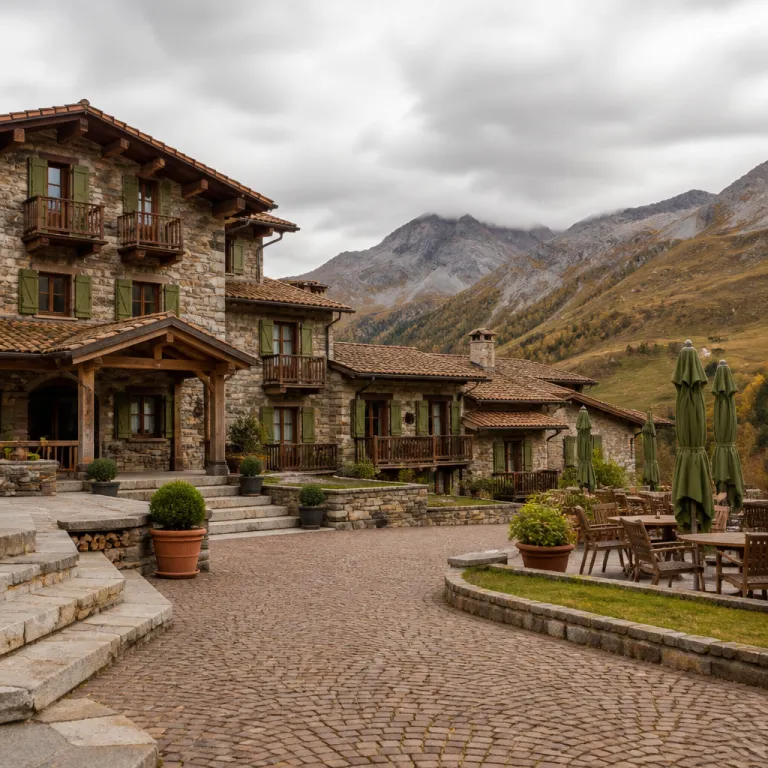
The Italian Alps hotel landscape: a guide to the best properties by area
Searching for hotels in the Italian Alps means navigating one of Europe's most diverse hotel landscapes. The mountain range stretches from Piedmont in the west to the Slovenian border in the east, covering regions where the guest experience shifts dramatically every fifty kilometres. South Tyrolean precision. Dolomites drama. Piedmontese elegance. Each area has built its own hotel tradition, and the best properties reflect the character of their surroundings rather than following a generic alpine template.
For guests planning a booking, the essential question is not which hotel is best. It is which area matches what you want from your stay. A spa resort with a swimming pool and mountain views. A boutique hotel in a medieval village. A design property where the architecture is the experience. The Italian Alps have all of these, and the thought that goes into the best addresses deserves more attention than a simple review score can capture.
Hotels in the Dolomites: where UNESCO scenery meets exceptional hospitality
The Dolomites are a UNESCO World Heritage site and home to the highest concentration of memorable hotel properties in the Italian Alps. Val Gardena, with its three villages of Ortisei, Santa Cristina, and Selva, anchors the eastern Dolomites hotel scene. Hotels in Ortisei tend toward a refined South Tyrolean register: wood-clad rooms with mountain views, generous half-board dining, spa facilities with swimming pool, and a warmth of service that guest reviews consistently praise.
Cortina d'Ampezzo, the most glamorous address in the Italian Alps, operates at a different register. Grand hotel properties with decades of history sit alongside contemporary spa resort addresses. The area around Cortina delivers some of the best hiking in Europe, particularly the trails to Lake Sorapis and the Cinque Torri. Guest ratings for Cortina hotels reflect the premium positioning; this is not a budget destination, but the quality justifies the booking for guests who want the best the Italian Alps have to offer.
Alta Badia, centred on San Cassiano, has built an outsized reputation for gastronomy. Hotel San Cassiano properties include addresses where the restaurant is the primary draw, with wine cellars holding thousands of bottles and tasting menus that draw on Ladin culinary tradition. The thought behind the food and the guest experience here is remarkable. For a stay in the Italian Alps where dining matters as much as skiing or hiking, this area has no equal.
Hotels in the Dolomites range from five-star spa resorts with swimming pool and full wellness programming to intimate boutique hotel addresses with fewer than twenty rooms. Check availability early for the winter high season; the best properties with good room options and mountain views book out months in advance. Guest reviews are the most reliable guide to quality in this area; the rating platforms capture the consistency of service that distinguishes exceptional properties from merely adequate ones.
South Tyrol hotels: Merano, Naturno, and the best of both worlds
South Tyrol is technically Italian but culturally Austrian, and its hotel scene reflects this productive tension. Merano sits at just 325 metres, sheltered enough for Mediterranean gardens and palm trees, yet surrounded by peaks that touch 3,000 metres. The hotels in Merano combine urban sophistication with alpine wellness: thermal spa facilities, swimming pool complexes overlooking the valley, restaurants that source from both mountain farms and Mediterranean suppliers.
The guest experience in Merano hotels is defined by attention to detail. Breakfast is an event: local cheeses, fresh bread, seasonal fruit, cured meats. The spa tradition here is serious, built on thermal water and decades of wellness expertise. Guest reviews for Merano properties consistently highlight the food quality and the service warmth as standout features. Even previous visitors who have stayed in Swiss or Austrian resort hotels find something genuinely distinctive here.
The architecture of South Tyrolean hotels has attracted international attention. Peter Pichler and other contemporary architects have designed hotel properties that blend into the mountain landscape while pushing the boundaries of alpine design. Glass facades framing Dolomites views. Swimming pools cantilevered over valleys. Spa buildings that use local stone and wood in ways that feel both ancient and contemporary. For guests who see hotel architecture as part of the experience, South Tyrol is the most interesting area in the Italian Alps.
Hotels in the wider South Tyrol area, including Naturno, the Schnals Valley, and the Passeier Valley, offer a quieter guest experience. Properties here are often family-run, with a personal touch that larger resort hotels cannot replicate. The hiking connects to the Merano High Route, a multi-day trail at around 2,000 metres with extraordinary views. Check availability for summer stays; the combination of hiking, wellness, and food makes this area increasingly popular with guests from across Europe.
Bormio hotels: thermal spa tradition in the Italian Alps
Bormio sits at 1,225 metres in the Valtellina, closer to Switzerland than to the Dolomites, with a thermal spa tradition that dates to Roman times. Hotels in Bormio have built on this heritage, creating properties where the spa is not an add-on but the central guest experience.
The best Bormio hotels offer indoor-outdoor thermal circuits, swimming pool facilities fed by natural hot springs, and wellness programming that takes advantage of the altitude and the mineral-rich water. Guest reviews praise the combination of genuine thermal wellness with mountain access; the Stelvio Pass, one of the most famous driving roads in Europe, begins just outside town. Bormio hotels also benefit from the Santa Caterina ski area, which offers reliable winter snow and a less crowded alternative to the Dolomites resorts.
For a booking in the Italian Alps that prioritises wellness over sport, Bormio delivers exceptional value. Night rates are significantly lower than in Merano or Cortina, and the quality of the spa hotel properties has improved markedly in recent years. Check availability and reviews to find the best property; the area rewards guests who look beyond the most obvious choices.
Piedmont and the western Italian Alps: Mirtillo Rosso and hidden gems
The western Italian Alps, in Piedmont, offer a hotel experience that most visitors overlook. Alagna Valsesia, at the foot of Monte Rosa, is home to the Mirtillo Rosso Collection, a boutique hotel property that has earned attention for its design sensibility, its food, and its location in one of the most dramatic valleys in the Italian Alps.
The Mirtillo Rosso Collection in Alagna combines contemporary design with traditional Walser architecture, creating a guest experience that feels both rooted and innovative. The restaurant works with local ingredients from the valley, and the spa facilities include a swimming pool with mountain views. Guest reviews rate it as one of the most thought-through boutique hotel properties in the Italian Alps; the attention to detail in the rooms, the public spaces, and the dining reflects a vision that goes beyond standard alpine hospitality.
Piedmont also offers the Aosta Valley, with Courmayeur beneath Mont Blanc and Cervinia on the Italian side of the Matterhorn. Hotels in these areas cater to guests who want high-altitude mountain experiences: serious skiing, glacier access, and views that stretch across the western Alps. The hotel infrastructure is more compact than in the Dolomites or South Tyrol, but the mountain scenery is arguably more dramatic.
How to choose and book your Italian Alps hotel
The Italian Alps reward guests who take time to match the area to their priorities. For gastronomy, Alta Badia and Merano. For skiing with serious infrastructure, Val Gardena and Cortina. For wellness and spa with swimming pool facilities, Merano and Bormio. For design-led boutique hotel stays, South Tyrol and the Mirtillo Rosso Collection in Alagna. For budget-conscious quality, Bormio and the Piedmont valleys.
Check availability across multiple properties before booking. Italian Alps hotels often offer half-board arrangements that represent excellent value, particularly in South Tyrol where the breakfast and dinner quality is consistently good. Guest reviews on booking platforms give useful insight, but reading previous visitor comments about the room quality, the food, and the service consistency tells you more than the overall rating alone.
Most Italian Alps hotel properties welcome direct booking enquiries, and many offer better rates or room upgrades when guests book directly rather than through third-party platforms. Contact the hotel before booking if you have specific requests; the guest service culture in the Italian Alps, particularly in South Tyrol, takes genuine pride in accommodating individual needs.
What to look for when reviewing Italian Alps hotel properties
The best Italian Alps hotels share certain qualities that guest reviews consistently highlight. A great location, first: the view from the room or the terrace matters more in the mountains than almost anywhere else. A property located above a valley with a terrace facing the Dolomites at sunset delivers something that no amount of interior design can replicate. Check previous guest reviews for comments about the view from specific room categories; the difference between a mountain-view room and a garden-view room can transform the entire stay.
The private areas of a hotel reveal its true character. An adults-only lounge with a fireplace and mountain views. A private terrace attached to a suite. A lodge-style reading room where guests can retreat from the communal spaces. These details rarely appear in the booking description but often feature prominently in guest reviews. The best Italian Alps boutique hotel properties, particularly in South Tyrol, design these private spaces with the same care as the public areas.
Family-friendly Italian Alps hotels deserve special attention. Italy has a genuine culture of welcoming families, and the hotel properties in Val Gardena, Trentino, and the Lake Garda area excel at accommodating adults and children without forcing either group to compromise. Dedicated family rooms with separate sleeping areas. Children's programmes run by trained staff. Garden play areas and ski schools located within the resort. Guest reviews from previous family visitors are the most reliable guide to which properties genuinely deliver on their family-friendly promises.
The restaurant and breakfast quality at Italian Alps hotels is often the deciding factor for return visits. Italy takes food seriously at every level, and a great hotel restaurant in Merano or Alta Badia serves dishes that rival standalone addresses. The terrace dining experience in summer, with views across the valley, is one of the most compelling reasons to book an Italian Alps hotel over a Swiss or Austrian alternative. Previous guests frequently cite the food as the reason they return, and the review scores for dining often outpace the overall hotel rating.
For guests who value architecture and design, the Italian Alps are the most interesting place in Europe to stay right now. Properties located in renovated historic buildings sit alongside contemporary designs by architects like Peter Pichler. The lodge concept, combining mountain tradition with modern luxury, has evolved further in Italy than anywhere else in the Alps. A ski lodge in Val Gardena. A wellness lodge above Merano with a rooftop terrace and mountain views. A lakeside property near Lake Garda that bridges alpine and Mediterranean aesthetics. The variety is exceptional, and check availability well in advance for the design-led properties; they tend to have limited room inventory and a loyal guest following that books early.
Frequently asked questions about Italian Alps hotels
Which area of the Italian Alps has the best boutique hotel options?
South Tyrol, particularly Merano and the surrounding valleys, offers the strongest concentration of design-led boutique hotel properties in the Italian Alps. Properties designed by architects like Peter Pichler combine contemporary aesthetics with mountain materials and views. The Mirtillo Rosso Collection in Alagna, Piedmont, is another standout. In the Dolomites, Val Gardena and Alta Badia offer boutique addresses where food, design, and mountain setting converge. Guest reviews and ratings are the best guide to finding properties where the thought behind the experience is genuinely exceptional.
Do Italian Alps hotels have good spa and swimming pool facilities?
Yes. Spa facilities with swimming pool, sauna, and treatment rooms are standard at four and five-star Italian Alps hotels, particularly in South Tyrol, Bormio, and the Dolomites resort areas. Bormio stands out for its thermal spa tradition with natural hot spring water. South Tyrol offers the most architecturally ambitious wellness facilities, including outdoor swimming pools with mountain views and spa buildings designed by internationally recognised architects. Check availability and reviews to find properties where the spa is a genuine highlight rather than an afterthought.
Are Italian Alps hotels good value compared to Switzerland?
Italian Alps hotels offer significantly better value than Swiss equivalents, typically 30 to 40 percent lower for comparable room quality and guest facilities. The food quality in the Italian Alps is often superior, and the half-board arrangements common in South Tyrol and the Dolomites represent excellent value. Bormio and the Piedmont valleys offer the best budget options. Even the premium Dolomites resorts, Cortina and Val Gardena, price below Swiss equivalents like Zermatt or St. Moritz. The Italian Alps deliver more for a lower booking cost, which is why previous visitors from other Alpine countries increasingly choose to return here.