Where the Sciliar begins: choosing between Castelrotto and Fie
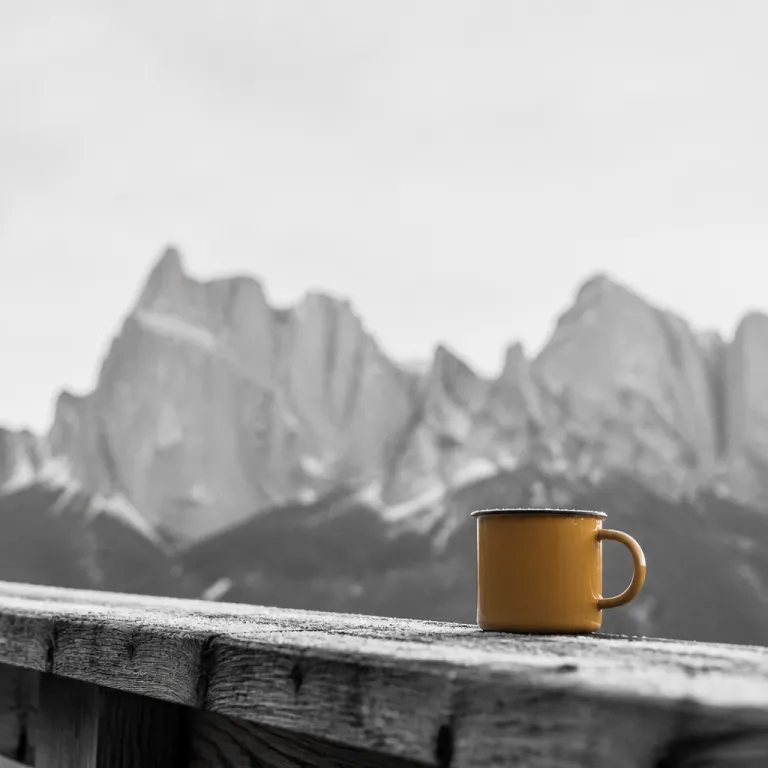
The Sciliar massif announces itself long before you reach it. Driving north from Bolzano through the Isarco valley, the flat-topped silhouette appears above the treeline like a fortress wall, pale dolomite rock catching light from every angle. Two villages sit beneath it, each offering a fundamentally different way into this landscape. Your choice between them shapes the entire character of your stay.
Castelrotto occupies a sunny terrace at 1,060 metres, with a central square and painted facades that feel almost theatrical in their perfection. The village hums with activity. Restaurants serve canederli and local wines on terraces facing the Sciliar wall. The accommodation scene leans toward wellness properties with swimming pools, saunas, and treatment rooms where the mountain panorama follows you from lobby to rooftop. If you want your evenings to include a passeggiata through cobblestone lanes after a day on the plateau, Castelrotto delivers that rhythm naturally.
Fie allo Sciliar, two hundred metres lower at 880 metres, trades alpine drama for agricultural gentleness. Orchards and vineyards surround the village, and the air carries something warmer, almost Mediterranean. Properties here tend toward garden settings where breakfast happens outdoors beneath chestnut trees. The Sciliar looms above, but from Fie it feels protective rather than imposing. Families with younger children and travellers who prefer quiet mornings over village bustle gravitate here instinctively.
The Alpe di Siusi: why this massif matters
Every accommodation choice in the Sciliar area ultimately serves one destination: the Alpe di Siusi. At 56 square kilometres, it is the largest high-altitude Alpine meadow in Europe, and nothing quite prepares you for the scale of it. The cable car from Fie rises through forest and deposits you onto rolling grassland that stretches toward the Sassolungo and Sasso Piatto peaks. The horizon opens in a way that feels almost oceanic. Wildflowers carpet the ground from late May through July. In winter, the same terrain becomes a cross-country skiing network that attracts athletes from across the continent.
The plateau operates as a car-free zone during peak season, which preserves an extraordinary silence. Walking the trails between mountain huts, you hear cowbells, wind through grass, and occasionally the distant thud of a climbing boot on rock. The Sciliar nature park wraps around the western edge, protecting ancient larch forests and rare orchid species. For photographers, the golden hour on the Alpe di Siusi produces some of the most reproduced images in Alpine tourism.
Many properties in both Castelrotto and Fie include cable car passes as part of their inclusive packages, eliminating the logistics of daily tickets. This detail matters more than it appears. Having unrestricted plateau access changes how you use the landscape. You go up for a morning walk and return for lunch in the valley. You ride up again at five for the evening light. The mountain becomes part of your daily routine rather than a single excursion.
South Tyrolean wellness culture at altitude
The spa tradition in the Sciliar area runs deeper than heated pools and steam rooms. South Tyrolean wellness draws from Alpine hay baths, local herb infusions, and water sourced from mountain springs. Properties compete not on luxury fixtures but on the authenticity and inventiveness of their treatment menus. A morning spent alternating between outdoor whirlpools and cold plunge pools while watching clouds move across the Sciliar face is the kind of experience that makes other spa destinations feel generic by comparison.
The best wellness addresses in Castelrotto invest heavily in panoramic relaxation areas. Imagine finishing a sauna circuit and stretching out on a heated lounger behind floor-to-ceiling glass, the entire Dolomite skyline laid out before you. In Fie, the approach tends to be more intimate: smaller pools set in gardens, treatment rooms that open onto meadows. Both approaches work. The difference is whether you want your relaxation framed by mountain grandeur or wrapped in orchard tranquility.
Recovery after a hiking day on the Alpe di Siusi transforms from a practical necessity into something you actively look forward to. Tired legs, cool mountain air on the descent, then warmth and stillness. Guest satisfaction ratings for wellness facilities in this area consistently rank among the highest in the Dolomites region, and it is not difficult to understand why.
Sciliar area in numbers
- Castelrotto sits at 1,060 metres on a south-facing terrace above the Isarco valley
- Fie allo Sciliar rests at 880 metres, surrounded by orchards and vineyards
- Alpe di Siusi covers 56 square kilometres, making it the largest high-altitude meadow in Europe
- Bolzano to Castelrotto is 25 kilometres, roughly 30 minutes by road
- The Sciliar summit reaches 2,563 metres, visible from both valley villages
- Over 350 kilometres of marked hiking trails connect the plateau, the Sciliar nature park, and surrounding peaks
- Cable car connections from both Fie and Compatsch serve the plateau year-round
Practical rhythms: how days unfold here
A typical summer day from a Sciliar-area base follows a satisfying arc. Breakfast runs long, South Tyrolean style: cold cuts, local cheeses, fresh bread, fruit from the valley orchards. By nine you are on the cable car, rising above the treeline into morning light that paints the meadows in shades of green and gold. The plateau trails range from gentle strolls between huts to serious ridge walks along the Sciliar crest. Lunch at a mountain hut means speck dumplings, apple strudel, and views that make conversation unnecessary.
Afternoons invite a return to the valley for spa time, a wander through Castelrotto, or a drive to nearby destinations. The Lago di Fie, a small natural lake below the village, offers swimming in summer with the Sciliar reflected in its surface. The wine road south toward Bolzano passes through Lagrein and Gewurztraminer vineyards, and a late afternoon tasting pairs beautifully with the mountain day behind you.
Winter shifts the rhythm but keeps the satisfaction. The Alpe di Siusi transforms into one of the finest cross-country skiing areas in the Alps, with groomed trails crossing snow-covered meadows beneath a typically brilliant South Tyrolean sky. Downhill skiing connects to the Dolomiti Superski network. Evenings after cold-weather days gain a particular pleasure when they end in a warm pool watching stars appear above the Sciliar silhouette.
What travellers ask
Is Castelrotto or Fie the better base for reaching the Alpe di Siusi?
Both villages provide cable car access to the plateau, so the practical difference is small. Castelrotto offers a livelier village atmosphere and a wider selection of wellness properties. Fie suits travellers who prefer a quieter setting at lower altitude with warmer temperatures and garden surroundings. Neither choice is wrong. The cable car ride from either base takes roughly the same time, and inclusive packages at properties in both villages typically cover the lift pass.
How long should a stay near the Sciliar last?
Three nights feels like the minimum to experience the plateau properly. A week allows you to explore the Sciliar nature park, visit the surrounding valleys, and actually settle into the wellness routine rather than rushing through it. The landscape rewards repetition. Walking the same plateau trail at different times of day reveals entirely different light, different sounds, different encounters with the mountain.
What makes South Tyrolean inclusive packages different from standard half-board?
The inclusive model in this area goes well beyond meals. Packages typically bundle spa access, cable car passes, guided hiking programmes, and sometimes equipment rental into a single rate. The result is that once you arrive, very little requires additional payment or logistical planning. You focus on the mountain and the experience rather than managing a series of transactions. For families especially, this structure simplifies everything and often represents strong value compared to assembling the same components individually.