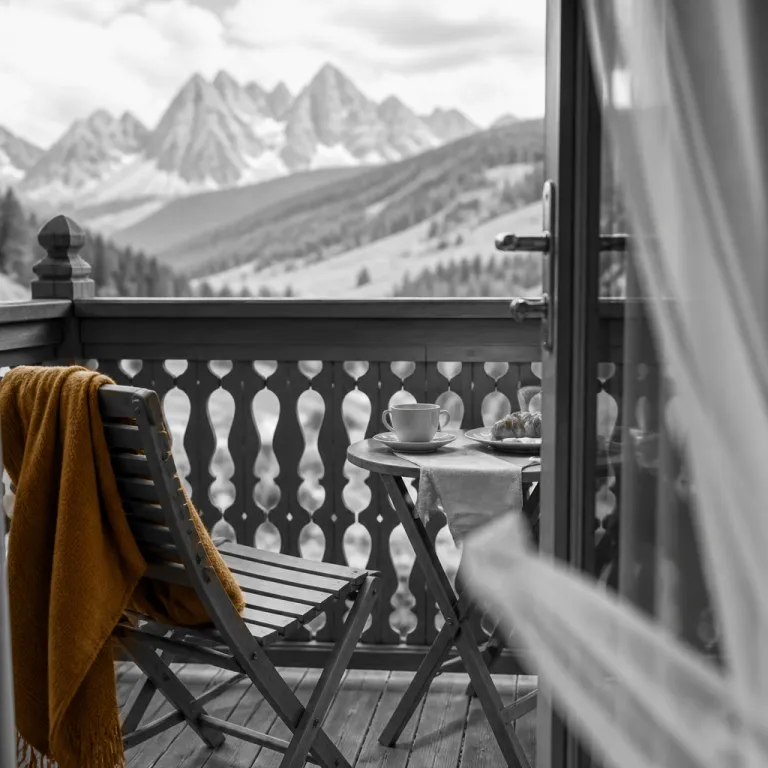
South Tyrol's northernmost valley and its hotel tradition
The Valle Aurina pushes north from Campo Tures toward the Austrian border through a landscape that grows wilder with every kilometre. Known in German as the Ahrntal, this is the last inhabited valley before the Zillertal Alps close the door on Italy altogether. The Ahr river, a tributary of the Rienz, threads through it like a cold silver nerve, gathering snowmelt from glaciers that most visitors to South Tyrol never see.
Hotels here carry a different weight than those in the polished corridors of Merano or the ski-resort machinery of Val Gardena. The properties are overwhelmingly family-run. The kitchens source from farms that sit within sight of the dining room windows. The spa tradition draws on centuries of alpine knowledge, hay baths and mountain herbs and mineral water pulled from geology that predates tourism by several hundred million years. And the silence of the upper valley, unbroken by lift infrastructure or resort entertainment, provides something that the busier destinations long ago traded away.
The valley stretches roughly 30 kilometres from Campo Tures at its mouth to the glaciated border ridge where Austria begins. At the lower end, wellness resorts have invested heavily in pool complexes and treatment programmes that rival anything in the region. At the upper end, intimate guesthouses in hamlets like Predoi and Casere offer rooms where the mountain view and the morning quiet feel like part of the rate. Between these extremes, the Valle Aurina unfolds a hotel culture that has developed largely without international marketing, which means the atmosphere at dinner feels like a community gathering rather than a tourist performance.
Campo Tures: castle town at the valley entrance
Campo Tures sits at 864 metres where the Valle Aurina branches from the Val Pusteria. Burg Taufers, one of the largest medieval castles in South Tyrol, commands the hilltop above the town with the kind of visual authority that makes you reconsider what a small Alpine settlement can contain. The castle provides the cultural weight that the valley's natural focus sometimes overshadows.
The Rio Bianco waterfall, cascading through a gorge at the edge of town, is a fifteen-minute walk from the centre. The viewing platforms sit close enough that the spray reaches you. It is a disarmingly physical introduction to a valley that operates on sensory terms: cold water on warm stone, the green smell of moss amplified by mist, the roar that drowns out everything you brought with you from the lowlands. Hotels that recommend the Rio Bianco as a first-day excursion understand that the waterfall sets the valley's contract. This is a place where rock and water and forest provide the programme. The hotel provides the comfort that makes it sustainable.
The upper valley: San Giovanni and beyond
San Giovanni sits further up at roughly 1,000 metres, where the valley narrows and the peaks on either side begin to crowd the sky. The hotel scene here has developed around wellness. Properties cluster around the spa model: indoor and outdoor pools, sauna landscapes that range from Finnish dry heat to herbal steam rooms, treatment menus that draw on the South Tyrolean tradition of combining local plants with contemporary technique.
Guest loyalty in the upper Valle Aurina runs deeper than in most Alpine destinations. Visitors who discover San Giovanni tend to come back. The hotels have adapted to this returning profile with a level of personalised attention that first-time visitors benefit from by inheritance. The staff know the trails because they walk them. Route advice comes from personal experience, not a printed brochure.
Above San Giovanni, the hiking trails climb into the Zillertal Alps. The terrain turns serious: glaciated peaks along the Austrian border provide the drama, and mountain huts provide the lunch. In winter, the Klausberg ski area delivers family-friendly terrain without the queue times and crowd pressure of the Dolomite resorts. Speikboden adds a second ski option with views south toward the Dolomites that, on a clear day, remind you why people lose their composure over this corner of the world.
Wellness: the valley's defining export
The spa culture in the Valle Aurina has reached a quality threshold that draws guests who do not hike, do not ski, and come specifically for the wellness experience. The stronger properties run treatment programmes that span the entire stay: morning yoga sessions that begin before the sun clears the ridge, afternoon spa blocks structured around hay baths and herbal wraps, evening dining designed with equal attention to nutrition and pleasure.
The outdoor pools face the mountains. Swimming in heated water at altitude while the peaks catch the first light of morning is the kind of sensory moment that defines a hotel stay in memory long after the thread count of the sheets fades from recall. The combination of mineral-rich water, mountain air at 1,000 metres, and a culinary tradition that has not been flattened by international expectations creates something that wellness resorts in lower, more accessible locations struggle to replicate.
Mountain cooking with altitude and conviction
The food in the Valle Aurina carries the mark of isolation. Traditions that the more accessible South Tyrolean valleys have diluted survive here with full flavour. Graukase, a sharp sour-milk cheese produced in the valley's alpine huts, appears at breakfast alongside speck that has been cured in the valley's cold air, mountain honey with floral notes that shift with the season, and bread from village bakeries that treat their craft as a form of cultural maintenance.
At dinner, the hotel kitchens work with game from the surrounding forests, dumplings in varieties that track the calendar from spring herbs to autumn squash, and apple strudel prepared with the territorial pride that every South Tyrolean kitchen brings to the dish. The wine list leans toward Alto Adige whites, Gewurztraminer and Pinot Grigio from vineyards that sit hundreds of metres below the valley floor, a reminder that the Valle Aurina occupies a vertical world where the grape and the glacier coexist within the same province.
Access and practical orientation
Brunico in the Val Pusteria sits 15 kilometres south and provides the nearest rail connection. From Brunico, the valley road to Campo Tures takes 20 minutes by car. Innsbruck Airport lies 100 kilometres north via the Brenner Pass. Bolzano is 90 kilometres south. The valley bus network, covered by the South Tyrol Guest Card for stays of two or more nights, connects the villages reliably enough that a car becomes optional rather than essential.
The valley's geographic position matters. It sits north of the main tourist corridors and south of the Austrian border, tucked into a corner that rewards the effort of reaching it. The isolation is not a limitation. It is the product.
- Campo Tures altitude: 864 m, gateway town with Burg Taufers castle and Rio Bianco waterfall
- San Giovanni altitude: approximately 1,000 m, wellness hotel centre of the upper valley
- Ski areas: Klausberg (family terrain, snow-sure) and Speikboden (panoramic views south)
- Valley length: approximately 30 km from Campo Tures to the Austrian border
- South Tyrol Guest Card: free local buses, cable cars, and museums with stays of 2+ nights
- Brunico to Campo Tures: 15 km, 20 minutes by road
- Nearest airports: Innsbruck (100 km), Bolzano (90 km)
How does the Valle Aurina compare to other South Tyrolean valleys for a hotel stay?
Less famous, less crowded, and more focused on wellness than skiing. The Valle Aurina provides the full South Tyrolean hotel package (spa, mountain cooking, Guest Card access, alpine trails) without the Dolomite resort pricing or the international tourist volume that Val Gardena and Alta Badia attract. The trade-off is skiing terrain: Klausberg and Speikboden suit families and intermediates, not experts hunting steep couloirs. The evening programme consists of the hotel restaurant, the spa, and a sky full of stars visible through the window of a valley that does not waste its darkness on artificial light.
What is the best season to visit the Valle Aurina?
Summer and early autumn bring the hiking. Trails into the Zillertal Alps open from June through October, with wildflower meadows at their peak in July. Winter delivers reliable snow at Klausberg from December through March. The shoulder seasons, May and November, suit wellness-focused stays when the valley is at its quietest and the spa pools feel most like a private indulgence. Each season shifts the valley's character without diminishing it.
Is the Valle Aurina suitable for families?
Strongly so. The Klausberg ski area was designed with families in mind, and the valley's hiking trails include routes gentle enough for young children, particularly the paths along the Ahr river between Campo Tures and San Giovanni. Many hotels run dedicated children's programmes, and the Guest Card opens access to attractions across South Tyrol that keep restless younger travellers engaged on days when the mountains ask for patience.