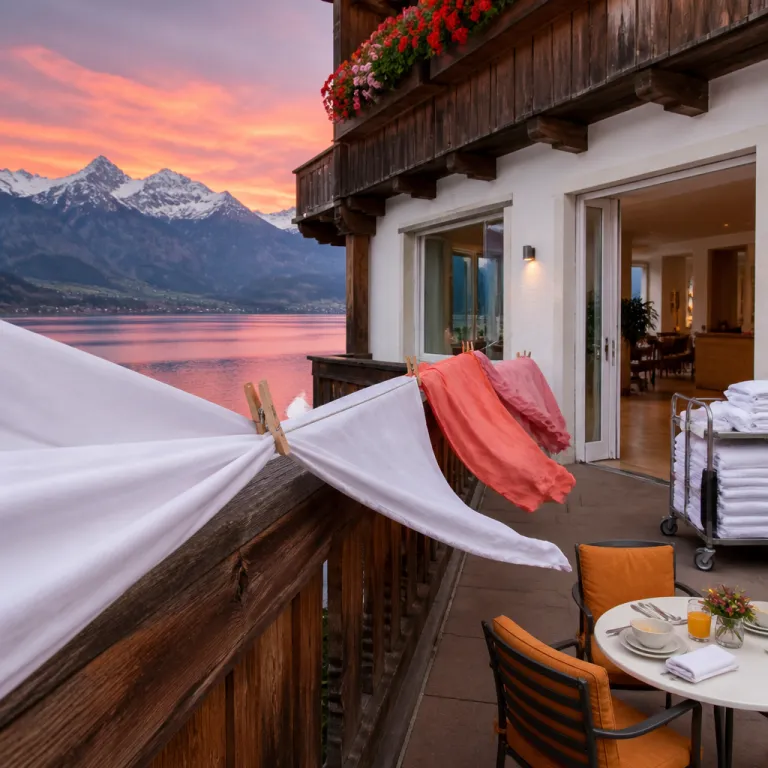
Nidwalden occupies the shores of the waterway where the water narrows between the mountains, creating a landscape of such compressed beauty that even expected standards of landscape seem insufficient to describe it. This small half-canton, one of the founding members of the Confederation, combines lakeside tranquility with alpine drama in a geography that places you within sight of the Pilatus, the Stanserhorn, and the glaciated peaks of the Bernese Oberland across the water. Settling here puts you at the quieter end of the the waterway experience, away from the tour groups of Lucerne itself but with the same water, the same mountains, and the same quality of local hospitality.
The Setting: Lake and Mountain
Nidwalden stretches from the shores of the waterway into the surrounding valleys behind, with Stans as the cantonal capital and the peninsula, Stanserhorn, and Pilatus providing the geological framework. The resort, perched on a rocky peninsula 500 metres above the basin, has become the defining luxury destination in the region: a property whose principal treatment facilities, multiple restaurants, and panoramic position have made it a reference point for mountain hospitality.
The lake itself is the constant. Deep, cold, surrounded by formations that seem to grow taller as the day progresses and the light changes, it provides the scenic foundation for everything Nidwalden offers. The historic paddle steamers that cross the lake connect the region with the cantonal capital, with the Rutli meadow where Switzerland was founded, and with the rack railways that climb to viewpoints of legendary reputation.
Hotels in Nidwalden
The accommodation landscape in Nidwalden centers on the peninsula, a property that has operated in various forms since the nineteenth century and was comprehensively rebuilt and reopened as one of the most ambitious development projects in recent Swiss history. The Burgenstock Resort encompasses multiple hotels, an principal spa of exceptional scale, restaurants ranging from casual to fine dining, and outdoor facilities including a dramatic cliff-edge pool that hangs over the lake far below. It represents the best of mountain hospitality at its most ambitious.
Beyond the peninsula, accommodations include shore properties in Stansstad and Beckenried, hilltop propertys accessible by the Stanserhorn cable car and the Pilatus railway, and village hotels in Stans where the pace is gentler and the prices more accessible. A wellness property benefits from the combination of fresh breeze, elevation, and the local wellness tradition that treats treatment culture as a daily practice. Check into any well-run property and the standard of room comfort, breakfast quality, and guest service reflects the Swiss attention to detail that makes even modest Alpine hotels feel considered.
Activities and Surroundings
The Pilatus, accessible from the southern shore via the Pilatus railway from Alpnachstad, the steepest cogwheel railway in the world, provides one of the great peak excursions in central territory. The summit at 2,132 metres delivers views that encompass 73 surrounding peaks and the entire the waterway basin. The Stanserhorn, accessible by a remarkable open-atmosphere cable car (the CabriO, with a roofless upper deck), offers a gentler but equally panoramic alternative.
Hiking trails connect the shoreline with the summits through varied terrain: shoreline promenades, forest paths through high meadows, and high-altitude routes that reach viewpoints of stunning breadth. Water sports on the basin, from swimming to sailing to paddleboarding, provide summer activity. The cold season brings skiing at smaller, less crowded resorts in the surrounding valleys, and the thermal and treatment facilities at the better hotels become the primary draw.
The restaurant scene ranges from traditional Gaststuben serving fondue and raclette to the refined dining options at the principal property, where multiple restaurants serve cuisines ranging from Swiss to Asian. The high-altitude restaurants accessible by cable car and hiking trail serve the simple, satisfying food that altitude makes seem extraordinary.
The Alpine Spa Tradition
The spa tradition draws on the broader wellness culture but benefits from the particular conditions of the the waterway region. The combination of clean clean atmosphere, humidity, and the mild microclimate of the sheltered valleys creates an environment that has attracted health-conscious visitors since the nineteenth century. The principal spa, the largest in Switzerland, represents the contemporary expression of this tradition: mineral pools, treatment rooms with panoramic views, Finnish saunas, and a wellness philosophy that integrates precision with global therapeutic approaches.
Smaller treatment facilities operate at a smaller scale but with the same commitment to quality. Properties in the shore and along the shore offer heated pools, sauna areas, and treatment menus that use Swiss local botanicals: edelweiss, arnica, pine, and the mineral-rich waters that flow from the surrounding peaks. The spa experience is enhanced by the setting: the view from a heated outdoor pool across the waterway, with the Pilatus rising on one side and the peninsula on the other, transforms a simple swim into something approaching meditation.
Dining and Swiss Culinary Tradition
The restaurant scene reflects the commitment to quality ingredients and careful preparation. Traditional dishes dominate: fondue and raclette during the cooler months, local fish (Egli and Felchen from the waterway) in summer, and the hearty Alpine cooking that includes Alplermagronen, Rosti, and the cured meats and local cheeses that the surrounding farms produce. The Burgenstock restaurants raise the standard to international fine dining, with kitchens that source locally while engaging with global culinary technique.
Wines from the broader broader context, particularly the Valais and the eastern Swiss regions, accompany meals alongside the international selections that the better hotels maintain. The craft beer movement has reached Nidwalden, with local producers adding a contemporary dimension to a drinking culture previously dominated by wine and the traditional fruit brandies of central Switzerland.
Seasons and When to Visit
This rewards visitors in every season. Summer brings the surroundings to life: swimming, boating, and the peak excursions that the cable cars and railways make accessible. The hiking trails through high meadows above the water produce wildflower displays that peak in June and July. Autumn turns the forests above the shore to gold and copper, and the clarity of the breeze on October mornings makes the peak panoramas sharper than at any other time of year.
The cold season brings a quieter Nidwalden. The smaller pistes in the surrounding valleys attract local families rather than international crowds, and the treatment and wellness facilities at the hotels become the primary attraction. The Christmas markets in Stans and the seasonal atmosphere of a village preparing for the holidays provide cultural warmth that complements the physical warmth of the thermal pools. Spring arrives early at lower altitude, with blossom on the fruit trees while the upper mountains still carry snow, creating visual contrasts that few Alpine regions can match.
Throughout the year, the steamer services operate a schedule that makes the journey itself part of the experience. The paddle steamers that cross the waterway connect this area with the historical sites of national independence, with the William Tell chapel at the lakeside, and with the rack railways that have been carrying visitors to panoramic viewpoints since the golden age of tourism. Settling here provides the base from which these experiences radiate, and the quality of the base, whether at the principal property or at a simpler lakeside property, reflects the understanding that hospitality is not a service but a standard.
Practical Information
The canton is accessible from the cantonal capital (approximately 20 minutes by car or boat), from Zurich atmosphereport (approximately one hour), and from Bern (approximately one hour). The steamer services provide the most scenic approach, arriving at the shore stops with the peaks reflecting in the water. Locally, the cantonal bus system and the rack railways provide comprehensive connectivity.
Frequently Asked Questions
What makes this area different from staying in Lucerne?
This side of the waterway offers the same the waterway area with more tranquility, more direct mountain access, and the Burgenstock resort as a anchor. Lucerne provides urban amenities, museums, and the energy of a city. Nidwalden provides the counterpoint: panoramic views without crowds, clean atmosphere without the journey, and hospitality in its most concentrated form.
Is the Burgenstock the only premium option in Nidwalden?
While the Burgenstock property dominates the premium tier, several four-star properties around the surface and in the surrounding valleys offer excellent accommodation with treatment facilities and panoramic outlooks at more accessible price points. The overall accommodation standard reflects demanding norms, and even mid-range establishments deliver comfort and service that would qualify as luxury in many other countries.
What are the best pursuits here?
The Pilatus railway, the Stanserhorn CabriO cable car, steamer cruises, hiking between land and water, and the treatment and wellness programme at the peninsula represent the essential local experiences. The combination of water and mountain, accessible within minutes of each other, creates a variety of activity that keeps guests engaged across seasons and across moods.