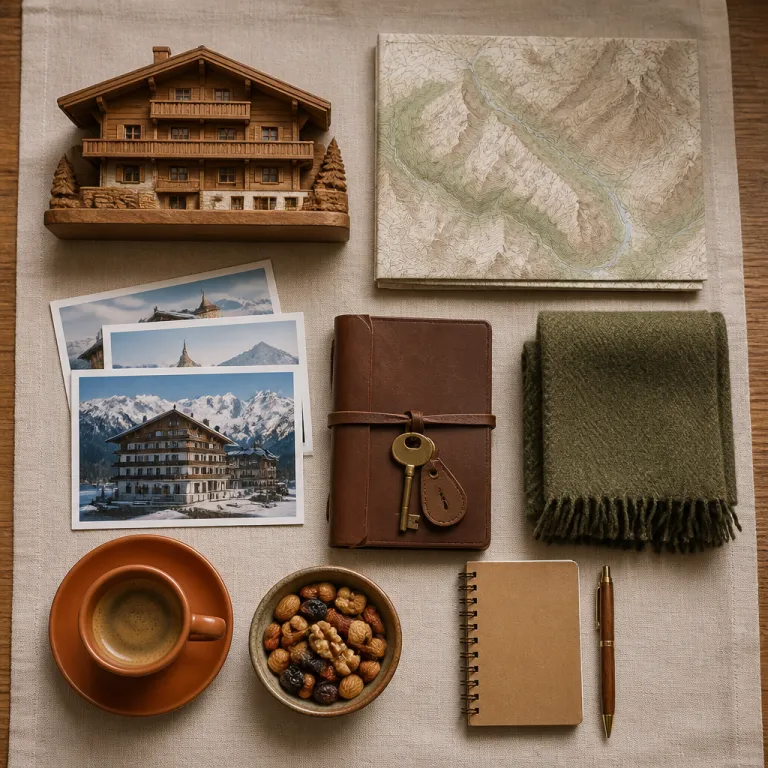
Top Hotels in Engadin St. Moritz for a Memorable Mountain Stay
Why Engadin St. Moritz is worth planning your whole trip around
Morning light on Lake St. Moritz tells you quickly if you chose the right valley. The surface shifts from steel grey to silver in minutes, with the mountains above 3 000 m catching the first pink. Staying in a hotel here is not just an overnight stop between ski days; it becomes the frame for the whole Engadin experience, whether you arrive for a classic winter week or a slower summer stay in the high Alps.
The Engadin St. Moritz area suits travellers who care as much about atmosphere as about access to slopes. You come for the long, dry winters and the high-altitude sun, but also for the ritual of returning to the same lounge chair, the same inn-style bar, the same view of Corviglia after a day outside. If you want a quick, anonymous lodge beside a motorway, look elsewhere; if you want a refined hotel inn that feels rooted in the valley, this is the right place to book your stay.
For a first stay, the choice is simple to define and harder to make. Hotels around Via Serlas in St. Moritz Dorf place you in the middle of the action, with the lake below and the funicular to Corviglia a short walk away, rising to around 2 486 m in less than 10 minutes. Properties further along the valley, towards Sils or Celerina, trade immediate buzz for quieter nights, longer views and a more village-like rhythm, ideal for a longer overnight stay when you want the mountains to set the pace.
Types of hotels you will find in Engadin St. Moritz
Historic grand hotels dominate the skyline above the lake. Badrutt’s Palace Hotel in St. Moritz Dorf, for example, overlooks Lake St. Moritz and typically opens from early December to late March and again from summer into early autumn. Nearby, Kulm Hotel St. Moritz, dating from 1856, anchors the upper part of the village with its own private ice rink in winter. These are the addresses with century-old façades, high-ceilinged salons and formal dining rooms where dinner still feels like an event. They suit travellers who want a full-service stay with extensive facilities, from large spas to several restaurants under one roof, and who appreciate classic luxury hotels in St. Moritz with concierge teams that can organise everything from ski passes to horse-drawn sleigh rides.
Closer to the valley floor, you find smaller properties that feel more like an inn or lodge, sometimes in converted Engadin houses with thick stone walls and deep window seats. In Celerina, for instance, Hotel Chesa Rosatsch sits directly on the Inn river and feels like a traditional inn lodge with several cosy dining rooms, while in Pontresina the family-run Hotel Walther combines Belle Époque architecture with a warm, informal welcome. These hotel inn hybrids often offer a more personal atmosphere, with fewer room categories but a stronger sense of place. They work well for couples or solo travellers who value character over scale and like the idea of an inn lodge where staff share local tips about trails, food and hidden viewpoints.
Further out, in villages such as Sils or Pontresina, mountain hotels lean into the landscape. Waldhaus Sils, set in a forest above Lake Sils, feels like a secluded castle reached by a short private road, while in St. Moritz Bad the Kempinski Grand Hotel des Bains stands beside the Signalbahn lift, which takes you towards the Corviglia area in a few minutes. Expect terraces facing the peaks, ski rooms that feel like gear ateliers, and staff who talk as easily about hiking routes as about the wine list. For a longer overnight stay of several days, these locations often provide a calmer base, especially in high winter when St. Moritz itself can feel intense, and they suit guests who want to wake up already surrounded by the Engadin mountains.
Location, access and choosing your base in the valley
Distances in the Engadin are short, but the choice of base still shapes your days. A hotel in St. Moritz Dorf, near Via Maistra, gives you quick access to the Corviglia lifts and the lake promenade. From Badrutt’s Palace or Kulm Hotel, you can walk to the Chantarella funicular in around 5–8 minutes and reach the Corviglia mid-station at roughly 2 486 m shortly after. You step out, walk a few hundred metres, and you are either on the funicular or watching the horses train on the frozen lake in deep winter, with the peaks above you glowing in the morning light.
St. Moritz Bad, on the opposite side of the lake, feels slightly less formal. Hotels here often have more space for wellness facilities and family-friendly layouts, while still keeping Corviglia and the cross-country tracks within easy reach. From the Kempinski Grand Hotel des Bains, for example, the Signalbahn valley station is just across the road, and the walk to the lake takes about 10 minutes. If you plan to split your time between spa days and mountain excursions, this area can be a smart compromise, especially for families who want parks, lakeside paths and playgrounds close to the hotel.
Further along the valley, Sils and Silvaplana appeal to travellers who prioritise nature over nightlife. From many hotels you can be on a lakeside path or a hiking trail within minutes, especially in summer when the focus shifts from skiing to walking, sailing and cycling. In Sils, Waldhaus Sils stands about 10–15 minutes’ walk above the village and looks directly towards Piz Corvatsch, while in Silvaplana several lakeside lodges sit within a few hundred metres of the Corvatsch cable car. For guests planning a longer overnight stay with a slower rhythm, these villages often feel more authentic than the resort centre of Moritz itself, and they work well if you want to share quiet days between the water and the surrounding mountains.
Seasonal atmosphere: winter versus summer stays
Snow defines the international image of Engadin Moritz, and with reason. In winter, the valley becomes a theatre of ice and light, with hotels turning inward towards fireplaces, deep armchairs and long dinners. The main ski areas of Corviglia, Corvatsch (up to 3 303 m) and Diavolezza (around 2 978 m) usually operate from late November into April, depending on snow conditions. A winter stay suits travellers who want direct access to ski areas and who enjoy the ritual of returning to the same dining room after cold, bright days, checking the evening webcam to plan the next morning on the slopes.
Summer changes the script completely. The same hotels open their terraces, shift menus towards lighter food and extend breakfast hours for hikers heading out later. Mountain railways such as the Corviglia funicular and the Corvatsch cable car typically run from late June to October, giving access to panoramic hiking routes and high-altitude lakes. You wake to the sound of bicycles on Via dal Bagn instead of ski boots on stone, and the mountains feel more accessible, less extreme. For guests who prefer hiking, lake swims and long evenings outside, a summer stay can be more rewarding than the classic winter week, especially if you use local transport passes or hotel vouchers to explore different parts of the Engadin.
Between these two peaks, shoulder seasons have their own charm. Late autumn brings quieter dining rooms and more attentive service, ideal for travellers who want to use the hotel as a calm inn lodge for reading, spa time and short walks. Many properties close for a few weeks between seasons, so checking opening dates before booking matters. Spring, when the last snow lingers on the upper slopes while the valley floor turns green, suits those who enjoy contrast and do not need every facility to be fully programmed, and it can be a good moment to book longer stays at attractive overnight rates.
What to look at before booking: rooms, facilities and services
Room choice matters more here than in many mountain regions, because the views are part of the stay. When comparing hotels, check whether your room faces the lake, the Corviglia side or the quieter valley slopes towards Bever. A lake-facing room in St. Moritz Dorf, for example, changes the feeling of your mornings and evenings, especially in winter when the frozen surface becomes a stage for events and in summer when the light lingers late over the water. Many hotels in Engadin Moritz also publish floor plans and sample webcam images of the view, which can help you decide before you confirm your booking.
Facilities deserve the same scrutiny. Some properties focus on expansive wellness areas with multiple pools, saunas and treatment rooms, ideal for guests who plan several spa days during a longer overnight stay. Kulm Hotel and Badrutt’s Palace, for instance, both offer large spa complexes with indoor pools and outdoor hot tubs facing the mountains, while Hotel Walther in Pontresina combines a generous wellness area with a more intimate scale. Others keep facilities more compact but invest in thoughtful details such as well-designed ski rooms, drying spaces for hiking gear or small lounges that feel like a private inn rather than a large hotel, and some even provide lobby screens with live webcams of the mountains so you can time your outings.
Before finalising your booking, look carefully at dining options. In-house restaurants range from formal multi-course rooms to relaxed stübli-style spaces serving local Engadin food. Badrutt’s Palace, for example, hosts several high-end venues, while smaller hotel inns along the valley might focus on one or two rooms that specialise in regional dishes such as capuns or barley soup. If you prefer to explore the wider valley, a hotel with a lighter dinner concept and strong concierge support for external reservations may suit you better than a property designed around staying in every night, especially if you want to share meals in different villages over several days.
Practical tips for a refined stay in Engadin St. Moritz
Arrival sets the tone. The train journey up from Chur, with its slow climb along the Albula line, takes around two and a half hours and prepares you for the altitude and the change of pace; many travellers find that arriving by rail makes the first evening in the hotel feel calmer and more grounded. From Zurich Airport, the total travel time by train is usually just under three and a half hours, with one or two changes. Once in St. Moritz, most high-end hotels offer transfers from the station, which is perched just above the lake at around 1 800 m, and the drive to most properties in Dorf or Bad takes less than ten minutes.
For winter guests, planning your days around the light pays off. Mornings on Corviglia often bring the best snow and the clearest views, while afternoons can be reserved for spa time, a walk along Via Dimlej or simply watching the changing sky from a lounge chair. Many hotels share daily weather updates and mountain webcam links on in-room tablets or lobby screens, which makes it easier to decide between Corviglia, Corvatsch or a valley walk. In summer, reverse the rhythm: start with a slow breakfast, then head out once the sun has warmed the valley, returning in time to enjoy the terrace as the light softens and the mountains turn gold.
Many properties in the valley offer small extras that shape the experience, from local transport passes for longer stays to occasional cultural evenings that share Engadin traditions. Some hotels in Engadin Moritz provide regional transport vouchers that cover mountain railways and buses for guests staying two or more nights, which can significantly reduce the cost of exploring. When you evaluate options, look beyond the headline facilities and consider how the hotel’s rhythm matches your own. A place that feels like a refined hotel inn, where staff remember your preferred table and your usual post-hike drink, often leaves a stronger impression than the most spectacular lobby, and it turns a simple overnight into a stay you want to repeat.
FAQ
What is the best time to visit Engadin St. Moritz for a hotel stay?
Winter is ideal if you want skiing, frozen lakes and the full high-season atmosphere, with hotels in St. Moritz operating at their most animated from roughly late December to early March. Summer suits travellers who prefer hiking, sailing and long days outdoors, when the valley paths and lakes become the main draw and most lifts run from late June to October. Both seasons offer strong reasons to come; the choice depends on whether you imagine yourself stepping out with skis at 08:30 or lacing hiking boots after a late breakfast on the terrace, and whether you prefer the crisp winter light or the long evenings of summer.
Are Engadin St. Moritz hotels suitable for families?
Most higher-end hotels in the Engadin are well prepared for families, with flexible room configurations, children’s menus and access to gentle slopes or lakeside paths. Properties in St. Moritz Bad and in villages like Celerina often feel particularly comfortable for multi-generation stays, thanks to slightly more space and easier access to outdoor areas. Hotel Walther in Pontresina, for example, offers family rooms and a garden that works well for younger guests, while several lodges in Silvaplana sit close to beginner-friendly lake activities in summer. When choosing, focus on room layout, proximity to beginner-friendly activities and the overall atmosphere you want for shared days in the mountains, from relaxed inn-style lodges to more formal grand hotels.
Do hotels in Engadin St. Moritz usually have spa and wellness facilities?
Spa culture is deeply embedded in the Engadin, and many hotels offer wellness facilities ranging from simple saunas to extensive spa complexes. In St. Moritz Bad, several properties build their identity around thermal and wellness experiences, making them strong choices for guests who plan spa time every day. Kulm Hotel, Badrutt’s Palace and Kempinski Grand Hotel des Bains all feature large spa areas with pools, saunas and treatment rooms, while smaller inns and lodges may offer a compact wellness corner with a steam bath and relaxation room. In smaller villages, facilities may be more compact but often feel more intimate, with views directly onto forests or peaks, and they can be a highlight of a winter or summer stay when you want to unwind after active days.
Is English widely spoken in Engadin St. Moritz hotels?
English is widely used across the Engadin, especially in hotels that welcome international guests year-round. Front-desk teams, restaurant staff and concierges typically switch easily between English and the local languages, which makes it straightforward to arrange activities, discuss food preferences or adjust your stay. This multilingual environment is one of the reasons Engadin St. Moritz works so well for travellers arriving from different parts of the world, whether they come for a short overnight stop or a longer holiday in the mountains.
How many days should I plan for a first stay in Engadin St. Moritz?
For a first visit, three to four nights allow you to settle into your hotel, explore at least one major mountain area such as Corviglia and still have time for a slower day by the lake. Skiers often stretch this to a full week to make the most of different ski areas in the valley, while summer travellers sometimes opt for five or more nights to combine hiking, cultural visits and simple downtime. Many hotels in Engadin Moritz offer transport passes or activity vouchers from the second night onwards, which can make a longer overnight stay better value. The key is to allow at least one unplanned day, when you can follow the weather and your mood rather than a fixed schedule, and to book enough time that the hotel begins to feel like your own mountain base.