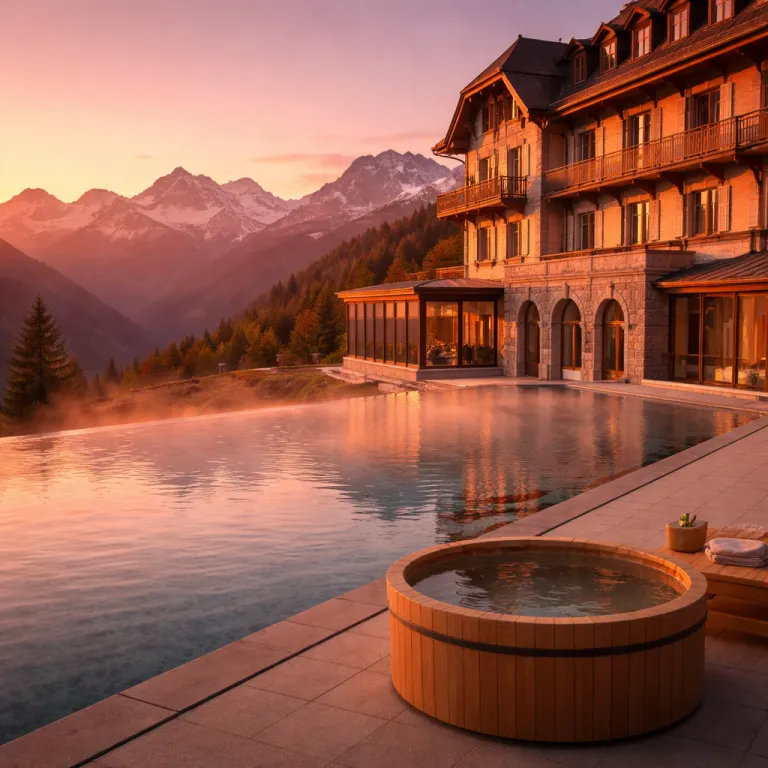
From sanatorium corridors to today’s luxury stay in the Alps
Long before anyone whispered about biohacking, a restorative stay in the Alps was already a medical prescription. From the late 19th century, alpine doctors sent patients above roughly 1,500 metres to mountain sanatoriums where thin air, intense light and strict rest schedules shaped some of the first structured wellness protocols. Those early facilities were not glamorous hotels, yet they showed that altitude, oxygen variation and photobiology could influence how lungs, blood and sleep behaved, a pattern later described in classic altitude medicine texts and in early 20th-century accounts of heliotherapy by Swiss physician Auguste Rollier.
Modern travelers booking a star hotel in the French Alps or the Italian Alps still benefit from similar mechanisms, although in a more controlled and comfortable form. When you check into a high-altitude hotel spa in Switzerland or Courchevel, your body responds within hours to lower oxygen by increasing breathing rate and heart rate, then over several days by gradually improving oxygen transport, a sequence described in research summarised by the International Society for Mountain Medicine and in reviews in High Altitude Medicine & Biology. The best hotels now pair this natural adaptation with calibrated exposure to daylight, precise sleep hygiene and nutrition that respects the slower rhythm of the mountain, often under the guidance of in-house medical, sports-science or naturopathic teams.
Think of a luxury stay in the Alps as a living laboratory where every room and spa corridor becomes part of a quiet experiment. A solo traveler arriving in Megève or Val d’Isère can use the ski area by day and then retreat to a calm room or chalet for structured rest. The most thoughtful hotels across the Alps understand that wellness is not only about a long spa menu but about how rooms and suites, views and even check-in times support circadian balance and recovery, a point frequently highlighted by spa directors in interviews with hospitality trade publications and wellness tourism reports.
Altitude physiology behind the modern alpine spa
Altitude wellness begins with oxygen, but the story runs deeper than that. At around 1,500 to 2,000 metres, where many luxury hotels best positioned for a high-end alpine retreat sit, your breathing rate increases slightly and your heart works a little harder even at rest. Over a five- to seven-day stay, this mild hypoxic stress can trigger beneficial adaptations in red blood cell mass, capillary density and sleep patterns that many modern resort programs quietly rely on, echoing findings reported in peer-reviewed journals such as High Altitude Medicine & Biology and consensus statements on acclimatisation timelines.
Properties such as Chenot Palace Weggis and Six Senses Crans-Montana have built entire hotel spa concepts around this altitude-driven physiology. At Chenot Palace Weggis, a spa of roughly 5,000 square metres according to the brand’s own materials, cryotherapy suites, diagnostic testing and an altitude training room formalise what early alpine doctors observed from sanatorium balconies. Six Senses Crans-Montana uses sleep and longevity programs to harness cooler night temperatures, indoor–outdoor circulation and the calming effect of a wide mountain view on the nervous system, with program outlines and sample schedules published in its wellness brochures and fact sheets.
When you book a star hotel in the Alps, look at how the spa uses light, temperature and movement rather than just product brands. A serious alpine resort will often schedule hydrotherapy and saunas earlier in the day, then encourage quieter rituals in your room during the evening. For solo travelers, this means choosing hotels where rooms and suites are not only stylish but acoustically calm, with blackout curtains and the option to open windows to real Mont Blanc air instead of relying only on climate control, a detail often mentioned in official room descriptions and technical specifications.
Valley by valley : where wellness is more than marketing
Some addresses treat wellness as a logo near the pool, while others embed it into every corridor. In Courchevel, Rosewood Courchevel Le Jardin Alpin opens directly onto the slopes, turning the ski area itself into a moving oxygen session before you even reach the spa. Nearby, Maya Hotel Courchevel 1850 keeps just fourteen rooms and suites, which gives solo guests a rare sense of quiet in a resort that usually celebrates excess, a feature highlighted in the hotel’s own presentation of its intimate scale and in third-party descriptions of its atmosphere.
Cross into Switzerland and the pattern continues with a different accent. The AlpenGold Hotel Davos, often noted for its sculptural, golden-hued architecture, sits in the same valley that inspired Thomas Mann’s Davos sanatorium world, and its spa leans into long soaks, slow walks and high-ceiling rooms that frame the surrounding mountain amphitheatre. In Zermatt, Cervo Mountain Resort and the Grand Hotel Zermatterhof both use their view of the Matterhorn and the wider Alpine chain to anchor a slower pace, showing that the best hotels do not need neon-coloured wellness slogans to feel restorative, as reflected in guest review notes that emphasise atmosphere, sleep quality and landscape over gimmicks.
Further west, the Alpina Gstaad and Schloss Elmau in the wider alpine arc show how serious programs can coexist with two-star dining and cultured libraries. In Megève, the historic Mont d’Arbois plateau and Resort Megève properties channel a softer French Alps mood, where a chalet-style room and a discreet hotel spa can feel like a private refuge after a day between Mont d’Arbois and the broader ski area. Across these valleys, the hotels best suited to a true luxury stay in the Alps share one trait : they treat altitude as a tool, not a backdrop, and their official wellness concepts usually spell out how climate, light and terrain are woven into daily routines and multi-day retreats.
How to read a spa menu and spot altitude led programs
When you check a spa brochure during your luxury stay in the Alps, ignore the scented adjectives and look for structure. Serious hotel spa teams in Courchevel, Megève or Val d’Isère will describe programs in sequences of days, not isolated treatments, often combining hydrotherapy, guided movement and medical-style assessments. If a resort only lists massages by the minute with no mention of sleep, breathing or altitude, you are probably looking at generic pampering rather than an alpine protocol grounded in physiology and informed by current wellness practice.
Altitude-led spas often integrate indoor–outdoor transitions as part of the treatment logic. You might move from a warm pool to a cold plunge, then step briefly onto a terrace facing the mountain before returning to a quiet relaxation room. In the Italian Alps, from Cortina d’Ampezzo to Cervinia, the best hotels design these circuits so that your cardiovascular system experiences gentle contrast, echoing the original sanatorium practice of controlled exposure to cold and light and mirroring contrast-therapy patterns described in contemporary spa industry reports and hydrotherapy guidelines.
Pay attention to how the hotel describes its rooms and suites alongside the spa. A thoughtful star hotel will mention blackout options, noise control and even pillow menus because recovery continues long after the therapist leaves the room. Before you check rates, ask the team to explain how many days they recommend for their core program and whether solo guests can adapt it around ski sessions or hiking, which is crucial if you want your luxury alpine break to feel both structured and free and aligns with guidance from wellness travel specialists and altitude health recommendations.
Designing a five to seven day solo reset in the Alps
A solo wellness trip works best when you treat the hotel as both refuge and laboratory. Start by choosing a property in the French Alps, Switzerland or the Italian Alps where the spa director can outline a clear five- or seven-day arc before you even check in. For a winter-focused reset, Courchevel, Megève or Val d’Isère offer easy ski access, while summer stays near Mont Blanc or Mont d’Arbois favour hiking, trail running and long, light-filled evenings.
On day one, keep the schedule light and let your body meet the altitude. Book a short hydrotherapy circuit, eat early and sleep with the window slightly open if your room faces a quiet mountain slope. From day two to five, alternate more intense spa sessions, such as cryotherapy or guided altitude training where available, with slower afternoons in a calm room or chalet, using the ski area or nearby trails as moving meditation rather than performance. A typical midweek day might include a morning ski or hike, a 60-minute sports massage, a brief session in a low-oxygen training room and an early night with digital devices switched off by 21:30 to support melatonin release.
By the final days, reduce stimulation and lean into the quieter side of your luxury stay in the Alps. Choose gentle stretching, long baths and unhurried meals rather than late-night bar sessions, even in lively resorts like Courchevel or Cortina d’Ampezzo. Before you leave, take a moment to review how your sleep, breathing and mood have shifted, then check rates and dates for a return visit in a different season, turning this first stay into the opening chapter of a long-term altitude ritual that you can refine with feedback from spa practitioners and, where relevant, your own health advisors.
Key statistics on luxury alpine wellness stays
- Across the wider Alpine region, industry reports from bodies such as the Global Wellness Institute and regional tourism boards indicate several dozen recognised luxury hotels with substantial wellness offerings; a working estimate of around 50 properties reflects a synthesis of these sources and may shift as new openings appear or existing hotels expand their spa footprint.
- Many of these hotels now dedicate several thousand square metres to spa and wellness facilities, with leading properties exceeding 4,000 to 5,000 square metres according to their published fact sheets and development briefs, reflecting the shift from simple pools to full-scale health programs with diagnostics, movement studios and recovery zones.
- Across the region, a growing share of new openings prioritise ski-in, ski-out access combined with advanced spa concepts, aligning sport and recovery in a single stay, a trend repeatedly noted in European alpine development and hospitality market analyses and in investor presentations for mountain resorts.
Essential questions for planning your luxury stay in the Alps
What are the top luxury hotels in the Alps for wellness focused stays ?
Travelers seeking a wellness-oriented luxury stay in the Alps often look first to addresses such as Rosewood Courchevel Le Jardin Alpin, Maya Hotel Courchevel 1850 and Experimental Chalet Verbier. These hotels combine strong spa offerings with direct access to the ski area or hiking trails, which is ideal for solo travelers balancing movement and rest. In Switzerland, properties like the AlpenGold Hotel Davos, the Alpina Gstaad and the Grand Hotel Zermatterhof extend that list with serious wellness facilities and refined rooms, as highlighted in their official wellness program descriptions, press materials and independent reviews.
Do these hotels usually offer ski in ski out access for active wellness programs ?
Many of the best hotels in the Alps integrate ski-in, ski-out access as part of their wellness logic, especially in Courchevel, Val d’Isère and Megève. This allows you to move directly from your room or chalet to the slopes without transfers, turning each ski run into a controlled altitude session. When you check rates, verify whether the hotel sits directly on the piste or offers quick shuttle access, as this can change how easily you weave skiing into a structured spa program and is usually clarified in the hotel’s own location notes and booking information.
Are spa and wellness facilities standard in luxury alpine hotels today ?
Extensive spa and wellness facilities have become a defining feature of luxury hotels across the Alps. From indoor–outdoor pools to advanced hydrotherapy circuits and quiet relaxation rooms, most high-end properties now treat the spa as a core part of the guest experience rather than an add-on. For a solo traveler planning a luxury stay in the Alps, it is worth reading recent guest review notes and speaking directly with the hotel spa team to understand how deep their programs really go and whether they follow recognised wellness, medical or sports-recovery frameworks.
Frequently asked questions about luxury wellness stays in the Alps
How many days do I need for a meaningful alpine wellness reset ?
Most altitude-based programs begin to feel effective after five to seven days. This duration allows your body to adapt gently to the thinner air while you settle into a rhythm of spa sessions, movement and deep sleep. Shorter stays can still be restorative, but a full week offers a more complete reset for solo travelers, in line with timelines commonly cited in altitude adaptation guidelines and practical advice from mountain medicine organisations.
Is it better to visit in winter or summer for a wellness focused trip ?
Winter stays suit travelers who want to combine structured spa time with ski sessions in resorts like Courchevel, Megève or Val d’Isère. Summer and early autumn are ideal if you prefer hiking, cooler nights and quieter hotels, especially around Mont Blanc or in Switzerland. The best choice depends on whether you recharge more through snow sports or long, light-filled days on the trails, and many wellness travel advisors now suggest alternating seasons to experience both and observe how your body responds to different climate conditions.
How can I tell if a hotel spa is serious about wellness or just marketing it ?
A serious spa will offer multi-day programs, clear explanations of how altitude and light are used, and staff who can adapt protocols for solo guests. Look for details about sleep support, breathing work and indoor–outdoor circuits rather than only long lists of massages. If the team can outline a personalised five-day plan before you book, that is usually a strong sign, especially when their approach is consistent with information in their official brochures and wellness concept documents.
Do I need to be very fit to benefit from an altitude based wellness stay ?
You do not need to be an athlete to benefit from a luxury stay in the Alps. Many programs are designed around gentle walks, light stretching and hydrotherapy, with intensity adjusted to your baseline fitness. If you have medical conditions, speak with your doctor and share details with the hotel spa team before confirming your reservation, following the standard precautions recommended in altitude health advice and general travel medicine guidance.
What should solo travelers prioritise when choosing between different alpine resorts ?
Solo guests should prioritise clear wellness programs, safe and walkable resort layouts, and hotels with strong reputations for attentive yet discreet service. Courchevel and Megève offer lively villages with many dining options, while smaller destinations in Switzerland or the Italian Alps can feel more contemplative. Decide whether you want evening buzz or near-total quiet, then choose the valley and hotel that match that mood, using both official hotel information and independent wellness travel reviews as reference points when planning your luxury alpine escape.