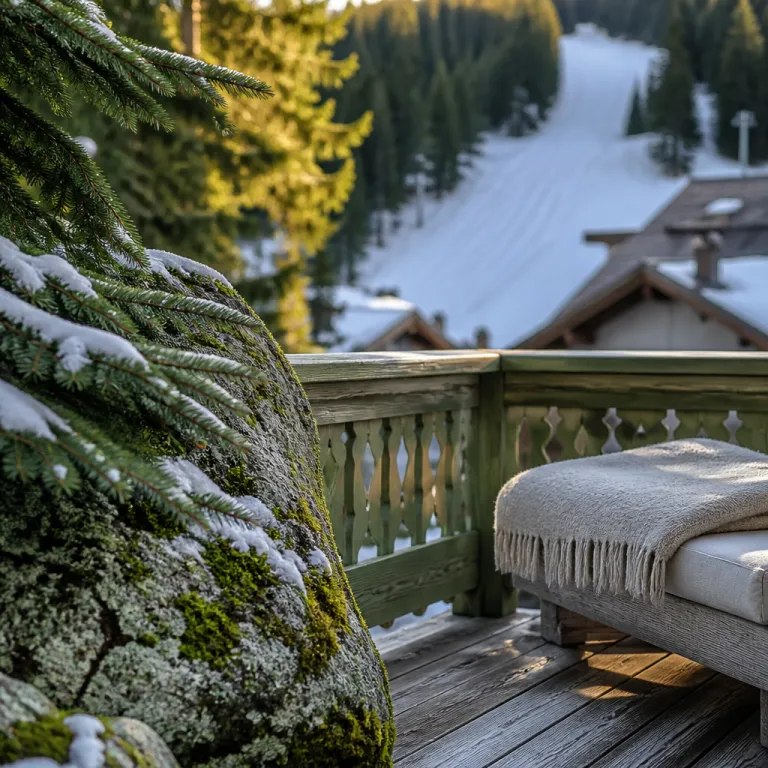
How luxury ski resorts in France redefine the alpine escape
Luxury ski resorts in France combine grand mountain scenery with meticulous service and a strong sense of place. In the French Alps, leading resorts and hotels are designed so that skiing, dining, and wellness feel seamlessly connected, from the first lift of the day to the last glass poured by the fire. This is where a ski holiday becomes a curated experience rather than a simple trip.
Across the French ski landscape, five destinations consistently rank among the best ski addresses in Europe for discerning guests. Courchevel 1850, Méribel, Val d’Isère, Megève, and Chamonix form the core of the luxury ski scene France is known for, each with its own character and signature ski area. Together they offer extensive choices, from high altitude glacier runs to wooded slopes above a quiet village, and from family friendly pistes to serious off piste itineraries.
Courchevel 1850 is the emblem of French luxury ski style, with palace level hotels such as Les Airelles and Cheval Blanc Courchevel, private ski chalets, and direct access to the vast Three Valleys ski area, which offers around 600 kilometres of marked pistes and more than 150 lifts. Méribel sits at the heart of this same network, its chalets and luxury hotels spread across a sunny amphitheatre of slopes that appeal to mixed ability groups and make it easy to ski in several directions in a single day.
Val d’Isère and neighbouring Tignes create another immense ski domain, often referred to as the Espace Killy, where high end chalets and hotels line the valley and provide reliable snow conditions from late November to early May in most winters. In Megève, the focus shifts to heritage and atmosphere, with a traditional French village square, horse drawn carriages, and refined après ski in Michelin starred restaurants such as Flocons de Sel. Chamonix, under the towering summit of Mont Blanc, appeals to strong skiing and snowboarding enthusiasts who still want luxury chalets and spa hotels to return to at night.
Across these destinations, the integration of wellness facilities, ski schools, and premium services reflects a clear objective: to provide luxury accommodations, extensive ski terrains, and exceptional service for every stage of your stay, whether you are travelling as a couple, a family, or a group of expert skiers.
Choosing the right French Alps resort for your style of stay
Selecting between the leading luxury ski areas in France depends on how you like to ski and how you prefer to unwind off the slopes. Courchevel, Méribel, Val Thorens, and Les Menuires form the Three Valleys, the largest linked ski area in the world with roughly 600 kilometres of pistes and close to 160 lifts, which is ideal if you want to ski different valleys every day. Val d’Isère offers a different mood, with a compact village centre, strong French ski heritage, and a loyal international clientele that returns year after year.
Courchevel is the best choice if you prioritise ultra luxury chalets, palace hotels, and immediate ski in ski out access to gentle and challenging pistes, especially for guests who value concierge style service and designer boutiques. Méribel suits visitors who enjoy traditional chalets and a central position in the ski area, allowing easy access to both Courchevel and Val Thorens during a single ski holiday and making it a balanced base for families and intermediates. Val Thorens, the highest resort in the Three Valleys at about 2,300 metres, is perfect for those who want snow sure conditions and modern slope side hotels at altitude.
Val d’Isère and neighbouring Tignes form the Espace Killy ski area, where serious skiing and snowboarding are balanced by stylish après ski and spa focused hotels. Here, luxury ski chalets sit beside five star properties, and many offer private guides to help you explore the full ski area safely, from glacier runs to long valley descents. The village of Val d’Isère mixes stone farmhouses with contemporary chalets, creating a distinctive French Alps atmosphere that feels both authentic and polished, and particularly attractive to advanced skiers who still want a walkable, lively centre.
Access is a crucial factor when comparing these French ski resorts, especially for short ski holidays or long weekends. Geneva, Lyon, and Chambéry airports offer transfers to most major ski destinations, with typical journey times of around 1 hour 15 minutes to 1 hour 30 minutes for Chamonix, about 1 hour 30 minutes to 2 hours for Megève, and roughly 2 hours 30 minutes to 3 hours for Courchevel or Val d’Isère depending on snow and traffic. For a deeper look at how premium alpine hotels are rethinking guest arrivals and the last kilometres of the journey, read this analysis of how luxury properties manage the last mile to the resort.
Inside the most coveted luxury chalets and hotels in the French Alps
Behind the façades of the best ski chalets and hotels in the French Alps, the focus is on privacy, space, and tailored service that feels quietly attentive rather than showy. In Courchevel and Méribel, luxury chalets often include private pools, cinemas, and full time staff, turning a ski holiday into a fully serviced alpine residence. Val d’Isère and Megève offer a similar level of comfort, but with more emphasis on traditional woodwork, stone, and views over the village church or surrounding Alps that anchor the experience in local architecture.
In these resorts across France, the line between chalet and hotel is increasingly blurred, as many properties combine independent chalet wings with shared spa and dining facilities. Guests can book a stand alone chalet with access to a hotel’s wellness area, kids’ club, and concierge, which is particularly attractive for multi generational ski holidays where grandparents, parents, and children share the same base. This hybrid model is especially visible in Val Thorens and Les Arcs, where modern architecture allows ski chalets to be integrated directly into the resort base and linked to covered walkways, lifts, and ski rooms.
Food is another defining element of luxury ski experiences in France, with several resorts hosting Michelin starred restaurants on and off the slopes. Courchevel is especially renowned for its concentration of Michelin starred dining, while Megève and Chamonix also offer refined French cuisine paired with mountain produce such as Beaufort cheese and Savoyard charcuterie. Many hotels now design their après ski around gastronomy, offering tasting menus, wine cellars, and chef’s table experiences that extend long after the lifts close and often become the highlight of a week in the mountains.
When the lifts stop turning, the quiet hours in the resort can be some of the most memorable, especially in summer when the same hotels pivot to hiking and wellness. To understand how high end alpine properties use these calmer periods to refine service and maintain their premium positioning, explore this feature on how the quietest hotels in the Alps earn their premium in the off season. Whether you choose a chalet or a hotel, look for properties that align their spa, dining, and ski services into a coherent, guest centred narrative, so that every part of your stay feels connected rather than improvised.
Top alpine destinations for ski in ski out access and varied terrain
For many travellers, the most appealing French ski destinations are those where the ski area begins at the hotel door and ends at the boot room. Courchevel, Méribel, and Val Thorens excel here, with numerous ski in ski out hotels and chalets positioned directly on the pistes and nursery slopes. Les Arcs and Alpe d’Huez also provide excellent slope side access, making them strong options for families and mixed ability groups who want to avoid long walks in ski boots.
In Courchevel 1850, several palace hotels and luxury chalets sit beside gentle green and blue runs, allowing beginners to ski back to the property with ease while advanced skiers branch off to steeper terrain. Méribel’s central position in the Three Valleys means confident skiers can reach Courchevel in the morning and Val Thorens in the afternoon, returning to their village base by late day without repeating the same runs. Val Thorens, at over 2,000 metres, offers high altitude conditions that appeal to those who prioritise snow reliability above all else and enjoy long, open pistes.
Val d’Isère and Tignes provide a different style of ski in ski out access, with many hotels and chalets located directly on the main snow front and linked by covered walkways. Here, the ski area includes both gentle nursery slopes and challenging off piste itineraries, so it is wise to use local guides and ski schools, particularly after fresh snowfall. The village of Val d’Isère also offers efficient lift access from several different quarters, reducing walking time in ski boots and making it easier for groups of mixed abilities to meet up during the day.
Chamonix and Megève may not always offer pure ski in ski out hotels, but they compensate with characterful villages and varied access to multiple ski areas connected by short shuttle rides. Chamonix’s lifts fan out along the valley, giving access to everything from family slopes to serious Mont Blanc descents such as the Vallée Blanche. For a closer look at properties where the piste literally starts at the threshold, this editorial on alpine runs that begin at the hotel door offers detailed examples and practical insight into how architects and hoteliers use the terrain.
Planning a luxury ski holiday in France ; timing, budget, and logistics
Planning a luxury ski holiday in France begins with timing, as the main winter season runs from December to April and peak demand clusters around Christmas, New Year, and February school holidays. Early season can be ideal for quieter slopes and attractive hotel offers, while mid winter brings the most reliable snow across the French Alps. Late season often combines longer days with softer snow, especially in high altitude resorts such as Val Thorens and Val d’Isère, where north facing slopes and glacier sectors help preserve conditions.
Budget is another key factor, particularly in the most exclusive mountain destinations France has developed. According to data from luxury travel agencies and reports such as the Knight Frank Ski Property Index, the average price per night in top tier properties is around 1,000 EUR, with palace hotels and private chalets often exceeding this figure during peak weeks. Booking early is essential if you want the best ski chalets and suites in high season, as availability in Courchevel, Méribel, and Megève can tighten months in advance and minimum stay requirements are common.
Logistics should be planned with the same care as the hotel choice, especially if you are travelling with children or a larger group that needs coordinated arrivals. Reserve ski passes in advance, pre book ski schools, and arrange private transfers from airports such as Geneva or Lyon to minimise waiting times and avoid last minute price surges. Many high end hotels now coordinate these elements directly, offering a single point of contact for transfers, equipment rental, and restaurant reservations so that you arrive with a clear plan rather than a list of separate tasks.
When considering where to stay, ask whether the resort offers the right mix of ski area size, après ski atmosphere, and non skiing activities for your party. Families may appreciate the gentle slopes and compact village feel of Alpe d’Huez or Les Arcs, while expert skiers might prefer the steeper terrain of Chamonix or Val d’Isère and their off piste options. Whatever your choice, aligning your expectations with the character of the resort will ensure that your ski holidays in France feel both luxurious and effortless, from the first transfer to the final run.
Après ski, wellness, and the evolving face of French alpine luxury
In the leading luxury ski resorts France offers, après ski has evolved far beyond crowded bars and loud music into something more layered. Today, the focus is on curated experiences that range from live jazz in intimate lounges to quiet spa rituals overlooking snowy peaks and guided sunset snowshoe walks. This shift reflects a broader trend in the French Alps towards wellness oriented luxury, where recovery and relaxation are as important as the skiing itself.
Resorts such as Courchevel, Méribel, and Megève now feature extensive spa complexes within their flagship hotels, including indoor pools, hammams, and treatment suites that rival urban wellness centres. Many luxury chalets in Val d’Isère and Val Thorens mirror this approach, with private hot tubs, saunas, and massage rooms built directly into the chalet design so guests can move from piste to pool in minutes. These facilities are particularly valued on longer ski holidays, when guests want to balance intense days on the snow with restorative downtime and structured wellness programmes.
Gastronomy remains central to the après ski experience, with Michelin starred restaurants playing a prominent role in several French ski resorts and shaping how visitors plan their evenings. Courchevel leads in this field, but Megève and Chamonix also host acclaimed chefs who reinterpret French cuisine through a mountain lens, using local ingredients and lighter menus suited to active days. For many guests, a long lunch on the terrace of a slope side restaurant is as important as adding another ski area to their list of descents, and reservations are often made weeks ahead.
Across these destinations, the integration of skiing, dining, and wellness is supported by modern lifts, efficient access routes, and a strong partnership between hotels, chalet operators, and ski schools. Methods such as snow grooming, advanced lift systems, and personalised guiding ensure that the on snow experience matches the quality of the accommodation and the expectations set by luxury branding. As demand for high end winter sports continues to grow, the French Alps are responding with ever more refined interpretations of what luxury ski living can be, from discreet eco conscious lodges to full service palace hotels.
Key figures and trends in French luxury ski resorts
- There are five widely recognised luxury ski resorts in France — Courchevel 1850, Méribel, Val d’Isère, Megève, and Chamonix — according to multiple travel publications, which positions the French Alps as a concentrated hub of high end winter destinations in Europe.
- The average price per night in leading luxury ski properties is around 1,000 EUR, based on data from luxury travel agencies and market reports such as the Knight Frank Ski Property Index, which reflects both strong international demand and the cost of maintaining premium services in high altitude environments.
- The main winter season in these French ski resorts runs from December to April, offering roughly four months of reliable skiing conditions, with high altitude areas such as Val Thorens and Val d’Isère often extending the practical ski window thanks to glacier sectors and north facing slopes.
- Current trends in the French Alps include increased demand for luxury ski experiences, expansion of high end accommodations such as chalets and spa hotels, and deeper integration of wellness facilities into traditional ski resort infrastructures, alongside a growing interest in sustainable operations.
FAQ about luxury ski resorts in France
What are the top luxury ski resorts in France ?
The top luxury ski resorts in France are Courchevel 1850, Méribel, Val d’Isère, Megève, and Chamonix, which are consistently highlighted by travel publications for their upscale accommodations, extensive ski areas, and premium services. These destinations combine high quality hotels and chalets with varied skiing terrain and refined après ski. Together they form the core of the luxury ski offering in the French Alps and provide a benchmark for service standards in the region.
When is the best time to visit French luxury ski resorts ?
The best time to visit luxury ski resorts in France is during the main winter season from December to April, when lifts, hotels, and restaurants operate at full capacity and snowmaking supports natural snowfall. Early winter often offers quieter slopes, while mid season brings the most reliable snow across the French Alps. Late season can be ideal in higher resorts such as Val Thorens and Val d’Isère, where altitude helps preserve snow quality and terraces become more appealing.
What amenities can I expect in a luxury ski hotel or chalet ?
In leading French ski resorts, luxury hotels and chalets typically offer spacious suites, spa facilities, fine dining, and concierge services that coordinate ski passes, equipment, and lessons. Many properties provide ski in ski out access, private transfers, and dedicated staff such as chefs or butlers in larger chalets, especially in Courchevel and Megève. High end resorts also feature wellness areas with pools, saunas, and treatment rooms designed for post ski recovery and tailored programmes such as sports massages or altitude specific therapies.
How far in advance should I book a luxury ski holiday in France ?
For peak periods such as school holidays and major festive weeks, it is advisable to book luxury ski hotels and chalets in France at least six to nine months in advance. The most sought after properties in Courchevel, Méribel, and Megève can sell out even earlier, especially for large groups that need multiple suites or a full chalet. Booking early also helps secure preferred flight times, private transfers, and ski school slots, which are often limited in high season.
Are French luxury ski resorts suitable for non skiers ?
Many luxury ski resorts in the French Alps are well suited to non skiers, thanks to extensive spa facilities, shopping, cultural events, and winter walking trails that run parallel to the pistes. Megève and Chamonix, in particular, offer vibrant village centres with galleries, boutiques, and restaurants that can fill several days without stepping into ski boots. When choosing a resort, look for properties that highlight wellness, gastronomy, and non skiing activities alongside their ski area statistics, so every member of your party feels included.