Four Seasons returns to Gstaad and resets the Saanenland hierarchy
Four Seasons returns to Gstaad and resets the Saanenland hierarchy

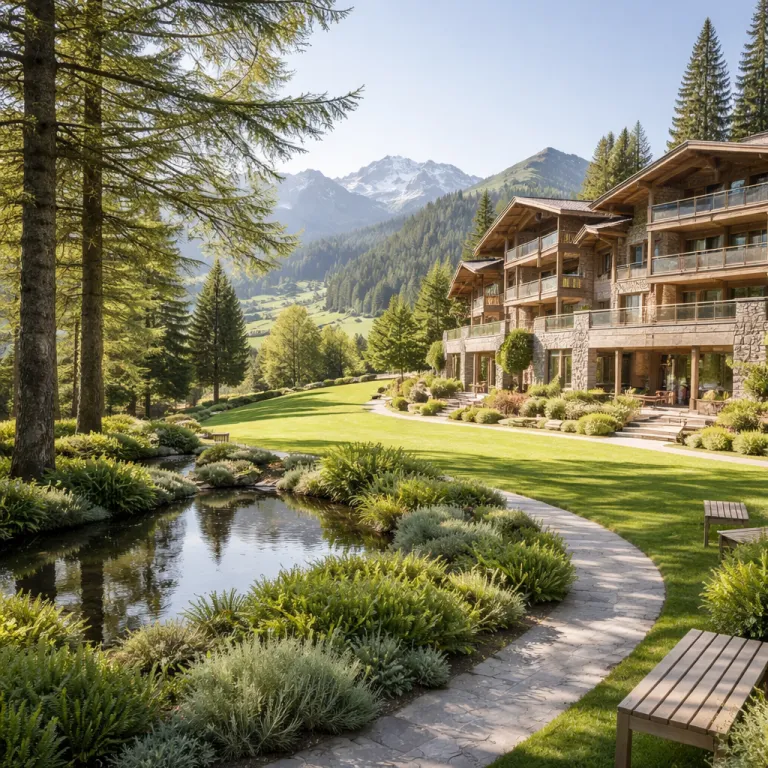
Four Seasons choosing Gstaad for a flagship return is the clearest signal yet that luxury hotels in the Alps in 2026 are about year round altitude, not just winter weekends. According to early information shared by the owner and Four Seasons in preliminary announcements, the Park Gstaad is expected to reopen with approximately 75 rooms and suites, a destination spa of several treatment rooms, indoor and outdoor pools, a seasonal ice rink and a fitness center, positioning the hotel directly against the Alpina Gstaad, Gstaad Palace and Le Grand Bellevue in the Saanenland. For travelers planning a stay in the Alps, that means a refreshed style of mountain luxury where the brand’s service culture meets the village’s long standing rhythm of discreet regulars and multi generation guests.
In practical terms, the Park’s scale and facilities matter for anyone comparing hotels across Switzerland, from St. Moritz to Garmisch Partenkirchen or the Dolomites. With a relatively small key count and a mix of classic rooms, junior suites and larger signature suites, the property remains intimate enough that a guest can expect a comfortable room with attentive service, yet large enough to support a wide range of dining, lounge and spa experiences under one roof. For couples planning a romantic ride up to Wispile by day and a quiet night in a wood paneled lounge, this balance between size and atmosphere will be a key differentiator in any serious review of alpine hotel options for the 2026 season.
The reopening also sits within a broader wave of luxury development, which places the Park alongside other high altitude projects such as Meliá’s new Dolomites hotel and THE ALPS HOTEL HAKUBA. Those three anticipated openings, spread across the Alps and Japan, underline how operators now treat mountain destinations as global, not regional, stages for luxury hospitality. For readers comparing where to join friends for a winter stay or a summer hiking week, this context helps frame Gstaad against other alpine hubs that promise similar natural beauty, modern air conditioning and spa facilities but very different village characters.
Clientele, programming and how Four Seasons reads the new Gstaad
Look closely at the Park’s proposed programming and you see Four Seasons betting on a blended clientele rather than a single niche. The destination spa, indoor and outdoor pools and fitness center speak directly to wellness first travelers who want a structured day of treatments, laps and guided movement before a quiet night in their room. At the same time, the seasonal ice rink, generous lounge spaces and family friendly rooms suggest a clear ambition to attract multi generation guests who might otherwise default to the Palace or the Alpina.
For couples using alpine hotel comparison platforms to plan a 2026 itinerary, this mix matters more than the press release language. A wellness focused guest will care about how the spa integrates with the mountain, whether treatments reference local alpine botanicals and how easily a therapist can adapt a program after a long ride on the slopes. Families, by contrast, will look at room configurations, interconnecting rooms, the availability of a truly comfortable room with quiet air conditioning and how the lounge and main restaurant handle children at peak hours.
Event driven summer travelers form the third pillar of the Park’s likely audience, especially as Gstaad leans harder into festivals, classical music and private celebrations. Here, Four Seasons’ global expertise in meetings and incentives gives the hotel an edge in handling complex room blocks, late night arrivals and privacy sensitive guests who expect seamless control over every detail of their stay. Based on typical Four Seasons openings in comparable resorts, readers can reasonably expect several food and beverage outlets, flexible meeting rooms for small conferences or retreats and outdoor terraces that keep the natural beauty of the Saanenland visible from breakfast through late evening drinks.
Service culture, booking strategy and what this means for Gstaad’s character
The real question for travelers looking at new luxury hotels in the Alps for 2026 is how the Four Seasons service model will translate into a village where Gstaad Palace still writes many of the unwritten rules. Palace regulars are used to a certain informality wrapped in old world ritual, while the Alpina has built its reputation on contemporary art, a serious spa and a quieter, retreat like atmosphere. The Park, under Four Seasons management, is likely to sit between these poles, offering a polished, anticipatory service style that feels familiar to global guests who move between the brand’s properties from Switzerland to Asia.
From a booking perspective, readers should treat the first season after the Park’s reopening as both an opportunity and a testing ground. Opening months often bring attractive pricing relative to the roughly 1 200 EUR per night rates frequently cited for many luxury alpine hotels, a benchmark drawn from recent industry commentary and public rate samples, but they can also mean a few operational kinks as teams settle into new systems and refine room service rhythms. If you value flawless execution over being first, consider planning your stay for later in the season, once early guests have left their review and the hotel has had time to adjust details from spa scheduling to lounge acoustics.
Does a Four Seasons add or subtract from Gstaad’s character? The answer depends on how you relate to the village’s existing hotels and how much you prize brand consistency over idiosyncratic charm. For many international guests, the Park will make Gstaad feel more accessible, offering a clear content anchor in a destination that can seem opaque, while long time visitors may worry about a more corporate tone even as they appreciate reliable air conditioning, a refined spa and the ability to skip frustrations that sometimes come with older properties.
Key figures shaping luxury hotel openings in the Alps
- Several new luxury hotels are scheduled to open in the broader alpine region, including the Park Gstaad, Meliá’s Dolomites property and THE ALPS HOTEL HAKUBA, according to early development announcements from the brands involved and publicly available operator statements.
- Recent industry commentary and sample pricing often cite indicative average room rates at high end alpine hotels at around 1 200 EUR per night, setting a broad benchmark for pricing expectations in Gstaad and comparable resorts, though actual rates vary by season, room type and property.
Essential questions travelers ask about new Alpine luxury hotels
What are the new luxury hotels opening in the Alps in 2026?
The most closely watched projects include the Park Gstaad under the Four Seasons flag, a new Meliá hotel in the Dolomites and THE ALPS HOTEL HAKUBA operated by Plan・Do・See Inc. Together, they illustrate how operators are investing in both European and Japanese mountain destinations with a focus on blending traditional architecture and modern comfort. For travelers, these properties expand the map of serious alpine options beyond long established names in Switzerland, Austria and Italy.
When will THE ALPS HOTEL HAKUBA open?
THE ALPS HOTEL HAKUBA is currently scheduled to open in December 2026 as part of a wave of late year mountain launches, based on information shared by the operator in its own materials. Its timing places it directly into the core ski season, which means early guests will experience the property at its busiest and most atmospheric. Anyone planning a multi stop itinerary that links the Alps with Japan can use this opening window to compare service styles, room comfort and spa offerings across continents.
Who is operating THE ALPS HOTEL HAKUBA?
THE ALPS HOTEL HAKUBA will be operated by Plan・Do・See Inc., a company known for managing design forward properties that balance local character with international standards, according to the group’s published information. For readers, that operator name is a useful signal when evaluating how the hotel might handle guest experience, from check in to late night lounge service. It also underlines how the mountain hospitality landscape now includes both global giants and specialized regional players shaping the future of high altitude stays.
All rights reserved – please refer to the site’s privacy statement for details on data use and navigation elements such as any skip links that may appear in the interface. For more background on Gstaad and the wider Saanenland, see our related guides to Swiss alpine resorts and luxury hotel openings.