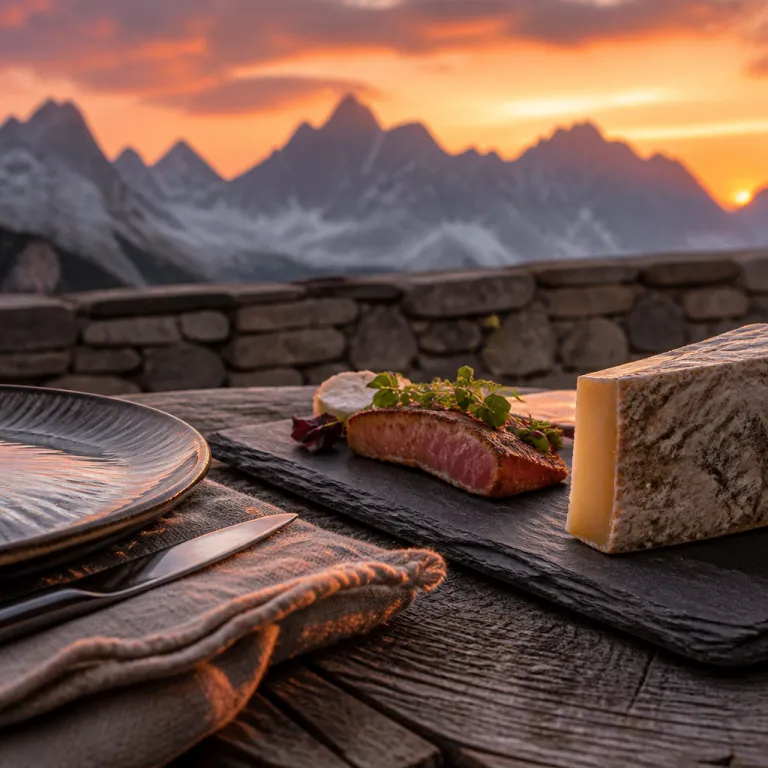
How michelin mountain restaurants in the Alps changed the rules
Michelin mountain restaurants in the Alps are no longer urban outposts with a ski view. In recent editions of the Michelin Guide, inspectors have started to describe this style of cooking as a distinct culinary identity, built around supply chains that often end at the last road in the valley rather than at a city wholesale market. For travelers choosing a luxury ski hotel, this shift means your next restaurant reservation in the French Alps or across the wider Alpine arc can define the entire dining experience of your ski holidays.
Inspectors now look at how each restaurant translates altitude constraints into creativity, not how closely it mimics a Paris or Milan fine dining room. The methods remain the same — on site evaluations, anonymous inspections, criteria based assessments — but the weight given to terroir, seasonality and producer visibility has increased in many starred restaurants from Savoie to Haute Savoie. When you book a hotel in Courchevel, Megève, Val d’Isère or Chamonix, the number of Michelin stars matters less than how those stars are earned in a genuine Alpine context.
Across the region, recent editions of the Michelin Guide list dozens of dining rooms that are now explicitly framed within this Alpine narrative. That includes high altitude addresses such as AlpiNN at around 2 000 meters, where chef Norbert Niederkofler has built a cuisine that lives by the mountain’s rhythm rather than the city’s calendar. A signature plate such as char from a nearby lake with fermented mountain herbs and smoked butter captures this approach in a single bite. For couples planning a romantic ski trip, this means that the best Michelin starred restaurants in the Alps are often the ones that feel most rooted in the mountain, not the ones with the longest wine list or the most theatrical dining room.
The Michelin Guide itself explains the stakes clearly for travelers who care about where they eat. “What is the Michelin Guide?” and “How are Michelin stars awarded?” sit alongside “Why focus on Alpine cuisine?” in its own material, and the answers are unambiguous: “A publication rating restaurants worldwide.” “Based on quality, creativity, and consistency.” “To highlight regional culinary excellence.” When you scroll through star restaurants on a booking site or the official Michelin Guide listings, those simple sentences now sit behind every red symbol you see pinned to a mountain map.
From valley floor to plate : what makes mountain cuisine different
Mountain cuisine in the Alps starts with geography, not with a menu concept. Supply chains are shorter, seasons are tighter, and the best chefs know their producers by first name because the farm, smokehouse or dairy often sits below the ski lift rather than on a logistics route. When you choose a hotel in Savoie or Haute Savoie, you are effectively choosing which valley’s ingredients will shape your dining experience in both winter and summer.
In Jongieux, Savoie, chef Michaël Arnoult at Les Morainières illustrates this new seriousness around mountain restaurants. His three Michelin stars — a rare distinction in any recent Michelin Guide for France — rest on a cuisine that treats lake fish, wild herbs and altitude cheeses such as Abondance and Chevrotin as non negotiable protagonists. A tasting menu might move from féra from Lac du Bourget with alpine citrus notes to a delicate dessert built around raw milk cream and mountain honey. Couples who book a romantic weekend around Lac du Bourget often now plan their ski or hiking days around a lunch or dinner at this Michelin starred restaurant, rather than the other way around.
Across the French Alps, the most recent Michelin Guide for France has added several new two star restaurants and dozens of new one star addresses, many of them in valleys once known only for ski schools and family chalets. This wave of starred restaurants has pushed hotels in Megève, Chamonix, Courchevel, Val d’Isère and Val Thorens to rethink how they integrate gastronomy into the overall luxury ski experience. A property that can secure a table at a nearby Michelin star restaurant, arrange transfers after après ski and align spa timings with a late seating now has a clear edge for discerning guests.
For business travelers, the shift is just as significant when closing a deal over dinner in the Alps. A mountain restaurant with one or more Michelin stars offers a quieter, more focused setting than a city brasserie, and the narrative of local producers can be a powerful conversation starter. If you are weighing where to host a key client, our guide to Alpine hotel restaurants that still earn the second bottle shows how the right starred restaurant can turn a standard business meal into a memorable experience.
Summer abundance, winter focus : how seasons shape your plate
Seasonality in Michelin mountain restaurants in the Alps is not a garnish, it is the structure. Between snowmelt and first frost, chefs in Haute Savoie and beyond work with an abundance window that urban restaurants rarely experience so intensely. If you visit in summer, expect menus that read like a walk through alpine meadows, with wild herbs, young vegetables and lake fish anchoring a lighter style of cuisine.
In winter, the same restaurants pivot toward depth and comfort, but the best Michelin addresses avoid clichés. A starred restaurant in Megève or Chamonix might build a menu around slow cooked local lamb, cellar aged cheeses and root vegetables, using technique to keep the plates precise rather than heavy. A typical winter course could pair braised shoulder of lamb with hay infused jus and a gratin of old variety potatoes, finished with a sharp herb salad. For couples on ski holidays, this means you can enjoy a serious fine dining evening after a long day on the mountain without feeling weighed down for the next morning’s first ski run.
Hotels that understand this seasonal rhythm adjust their entire offer around it, from breakfast to late night room service. Many luxury ski properties now work with their resident chef and nearby star restaurants to create packages that include a tasting menu in a Michelin starred dining room one night and a more relaxed après ski fondue the next. If breakfast matters as much as dinner for you, our feature on how Alpine hotel breakfasts quietly outclass the resort dinner explains why the first meal of the day has become a quiet battleground for serious hotels.
Summer also changes how you move through the landscape to reach these restaurants in the Alps. A lunch reservation at a Michelin star restaurant near Mont Blanc might be paired with a morning hike instead of a ski descent, and the dining experience will often lean into raw milk cheeses, fresh berries and grilled lake fish rather than braises and gratins. When you plan your stay, think in terms of valley, altitude and season, not just number of Michelin stars, because the same chef can feel like two different restaurants between July and January.
Balancing hyperlocal sourcing with global luxury expectations
One of the defining tensions in Michelin mountain restaurants in the Alps is the balance between hyperlocal sourcing and international luxury expectations. Guests arrive from New York, London or Dubai with a clear idea of what the best Michelin experience should feel like, yet the most interesting chefs in Savoie and Haute Savoie are increasingly unwilling to fly in out of season produce. When you book a five star hotel in Courchevel, Val d’Isère or Val Thorens, you are often choosing between a globally familiar luxury script and a more rooted, mountain first narrative.
Some of the most compelling star restaurants have embraced a strict localism that still feels indulgent. In the French Alps, chefs working under the “Cook the Mountain” and “Taste the Mountain” philosophies, like Norbert Niederkofler at AlpiNN, show how a menu built entirely around regional ingredients can still deliver a world class dining experience. For couples, this means that a Michelin starred dinner might feature char from a nearby lake, heritage pork from a neighboring farm and vegetables grown within a short drive of the hotel, rather than lobster and tropical fruit.
Hotels play a crucial mediating role here, translating the language of the Michelin Guide into something meaningful for guests who may not know the difference between one, two or three Michelin stars. A good concierge will explain why a starred restaurant that refuses strawberries in winter is not being difficult but consistent with its values, and why that consistency often leads to the best meals. When you browse restaurants in the Alps on a booking platform, look for mentions of sustainable sourcing, seasonal menus and integration of local traditions, because these are now core criteria for inspectors as well.
For travelers who see wellness and gastronomy as part of the same journey, this local focus dovetails with a broader shift in Alpine hospitality. Many properties that invest in serious cuisine also invest in serious spas, hydrotherapy circuits and quiet relaxation spaces, creating a full spectrum of sensory experiences around the mountain. Our in depth guide to luxury wellness resorts in the Alps highlights hotels where a Michelin level dinner and a world class spa sit under the same roof, making it easier to align your ski days, treatments and restaurant reservations.
Where to aim your appetite : key valleys and hotel strategies
Not all Alpine valleys are equal when it comes to Michelin mountain restaurants in the Alps, and that matters when you choose where to stay. Savoie and Haute Savoie currently form the most concentrated cluster of starred restaurants, with addresses ranging from lakeside dining rooms to high altitude ski in ski out hotels. If your priority is to sample several Michelin starred menus in one trip, basing yourself between Megève, Chamonix and the Mont Blanc region offers the densest map of options.
Court side, Courchevel and its neighboring resorts have long used Michelin stars as part of their luxury ski identity. Here, five star hotels often host their own starred restaurant, allowing couples to move from spa to bar to dining room without stepping outside in the snow. The best properties will also maintain close relationships with other star restaurants in the valley, securing last minute tables for guests and arranging transfers after après ski so you can enjoy the full dining experience without watching the clock.
Val d’Isère and Val Thorens, once seen primarily as performance ski destinations, now field a growing roster of restaurants in the Alps that appear in the Michelin Guide. These resorts tend to mix more relaxed bistro style addresses with formal fine dining rooms, giving you flexibility across a week long stay. When you compare hotels, look beyond the star rating of the property itself and ask how the concierge team engages with local chefs, whether they can secure a counter seat at a new starred restaurant or a kitchen tour after service.
For couples who prefer quieter valleys, smaller towns in Savoie and Haute Savoie offer a different rhythm, with fewer but often more distinctive Michelin starred restaurants. A hotel near Jongieux, for example, positions you for a pilgrimage to Les Morainières and easy access to lake and vineyard landscapes rather than crowded ski slopes. Wherever you choose, the practical rules remain the same: reserve in advance, check seasonal availability and prepare for mountain travel conditions, because the road to the best Michelin tables in the Alps often includes a final climb.
FAQ
How are Michelin stars awarded to mountain restaurants in the Alps ?
Michelin stars are awarded after anonymous inspectors visit a restaurant multiple times and evaluate the cuisine against strict criteria. They look at product quality, technical mastery, harmony of flavors, the personality of the chef expressed on the plate and consistency over time. In the Alps, inspectors now also pay close attention to how each restaurant reflects its mountain environment through sourcing and seasonality.
Why has the Michelin Guide increased its focus on Alpine cuisine ?
The Michelin Guide has turned more attention to Alpine cuisine to highlight regional excellence and support chefs who work with demanding mountain conditions. Shorter supply chains, strong producer visibility and tight seasons create a distinctive gastronomic identity that differs from urban fine dining. This focus also aligns with a broader push toward sustainable practices and local traditions in high end restaurants.
Do I need to book Michelin starred restaurants in the Alps far in advance ?
Advance reservations are strongly recommended for Michelin starred restaurants in major resorts such as Courchevel, Megève, Val d’Isère and Chamonix. During peak ski weeks like Christmas, New Year and February school holidays, prime dinner slots can be booked out four to six weeks ahead, and some iconic addresses fill months in advance. For smaller valleys and lunch services, you may find more flexibility, but planning ahead still gives you better options.
Are Michelin mountain restaurants suitable for non skiers ?
Many Michelin listed restaurants in the Alps are accessible by road year round and welcome guests who are not skiing. Hotels often arrange transfers from the property to the restaurant, and some addresses are located in villages or by lakes rather than on the slopes. When booking, check access details and opening periods, as some high altitude venues operate only during the main ski season.
How should I choose a hotel if Michelin dining is a priority ?
If Michelin dining is central to your trip, start by mapping starred restaurants in the valleys that interest you using the official Michelin Guide. Then look for hotels with strong concierge services, good relationships with local chefs and flexible dining schedules that align with late seatings. Properties that highlight seasonal menus, local sourcing and partnerships with nearby restaurants usually offer the most coherent gastronomic experience.