Chamonix Mont Blanc occupies a narrow valley beneath the highest peak in Western Europe, and it has never been shy about that fact.
Chamonix Mont Blanc occupies a narrow valley beneath the highest peak in Western Europe, and it has never been shy about that fact. The town's entire identity is built on proximity to Mont Blanc, to the Aiguille du Midi, to the glaciers and granite needles that make this section of the French Alps among the most photographed mountain landscapes on earth. Any hotel Chamonix Mont Blanc can offer places you at the foot of all of it, in a town that has hosted climbers, skiers, and mountain lovers since the golden age of alpinism in the nineteenth century.
The Setting: Mont Blanc Massif and the Valley
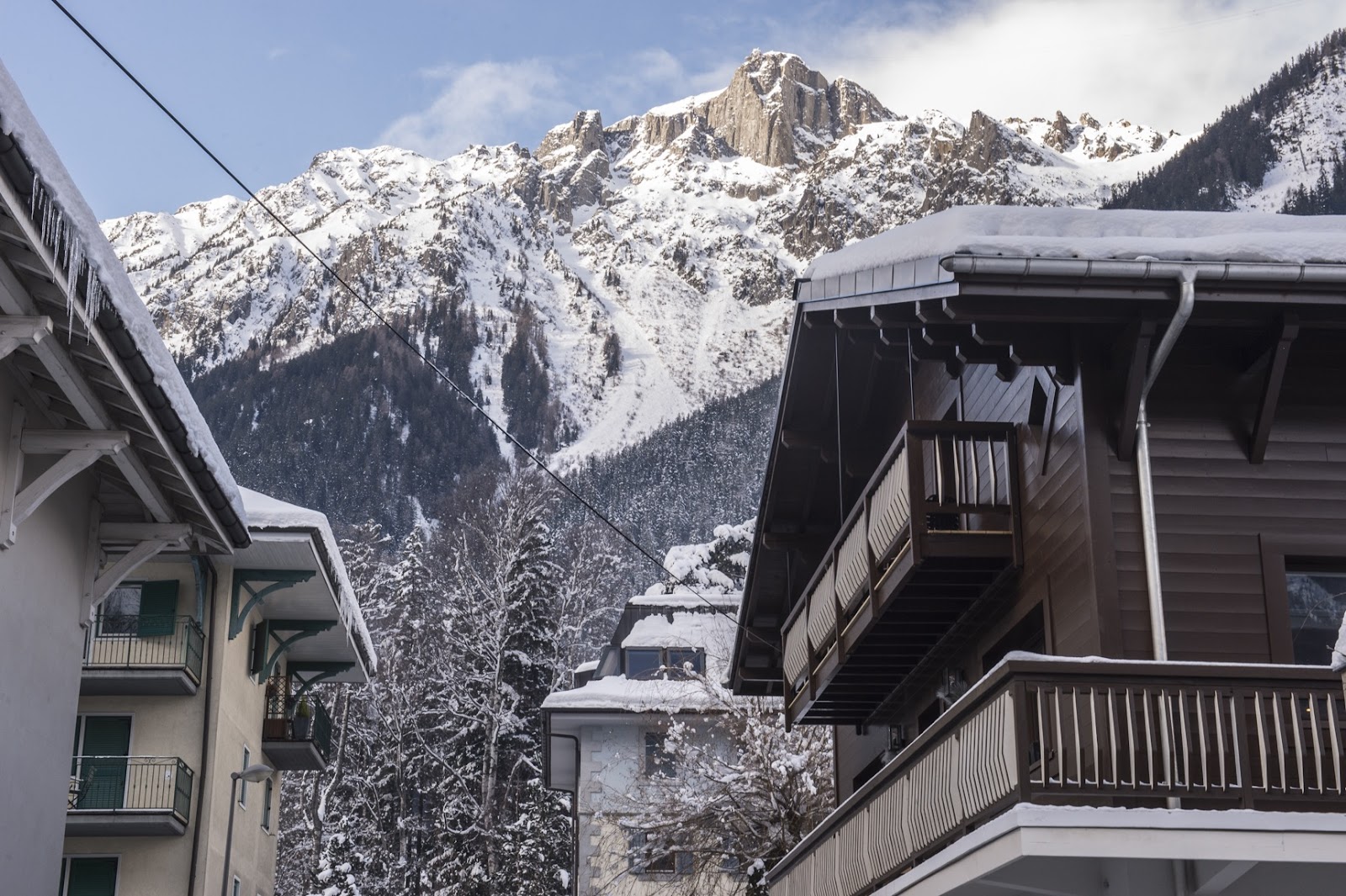
The Chamonix valley runs roughly northeast to southwest, hemmed by the Mont Blanc massif to the south and the Aiguilles Rouges to the north. Mont Blanc itself rises to 4,808 metres, its summit often wreathed in cloud, its glaciers visible from virtually every point in town. The Aiguille du Midi, accessible by cable car, reaches 3,842 metres and offers a view of the massif that compresses an enormous amount of geological drama into a single panorama. The Mer de Glace, the largest glacier in France, flows from the upper slopes and can be reached by the historic Montenvers rack railway.
The town sits at 1,035 metres, which gives it a different character from the higher Alpine villages. Trees grow here. Gardens flourish. The streets of the centre, clustered around the church and the main thoroughfare, have the energy of a mountain town that functions year-round, not merely during ski season. Restaurants, bars, climbing shops, and equipment stores line the streets. The evening atmosphere mixes the exhaustion of returning climbers with the anticipation of arriving visitors, creating a particular energy that few mountain towns can replicate.
Hotels in Chamonix: From Grand to Intimate
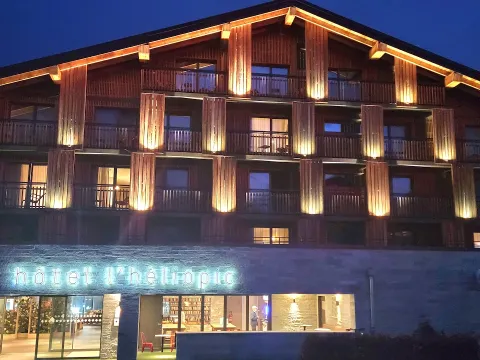
The hotel tradition in Chamonix Mont Blanc stretches back to the era of grand mountain tourism, when British and European aristocrats arrived to view the glaciers and commissioned the first ascent of Mont Blanc. That heritage survives in properties that combine period architecture with contemporary comfort. A chalet hotel in Chamonix typically features timber and stone construction, rooms with balconies facing Mont Blanc, and the kind of spa facilities that mountain visitors increasingly consider essential rather than optional.
The Chalet Hotel Prieure, positioned near the centre, represents the heritage end of the spectrum. Properties like these carry decades of hosting tradition, and their restaurants and bar areas serve as gathering points for the mountain community. The Hotel Prieure aesthetic, warm timber, mountain views, formal dining balanced with casual bar service, has influenced the broader Chamonix hotel landscape.
A spa Chamonix visitors can access at their hotel has become a competitive differentiator. Properties invest in wellness facilities that go well beyond the standard sauna and steam room. The Cinq Mondes Spa philosophy, drawing on global wellness traditions, has found its way to several Chamonix establishments, offering treatments that address the specific recovery needs of guests who have spent the day at altitude or on the slopes. Discover spa programmes that combine massage with hydrotherapy, aromatherapy with mountain botanical preparations, all delivered in spaces designed to frame the Mont Blanc view.
Contemporary design hotels have joined the traditional chalet properties, bringing clean lines and modern aesthetics to the valley. An Alpina Eclectic Hotel approach, mixing vintage furnishings with contemporary art, appeals to a younger audience seeking style alongside substance. These properties typically feature cocktail bar and dinner service that draws locals as well as guests, creating a social atmosphere that more traditional hotels sometimes lack.
For those seeking rooms and suites with the most dramatic perspectives, properties on the southern edge of town deliver views facing Mont Blanc that are essentially unobstructed. Waking to the massif filling your window, snow turning pink in the first light, is the singular luxury that Chamonix sells, and the best hotels understand that no amount of interior design can compete with that view.
Skiing and Winter Sports
Chamonix Mont Blanc is not a purpose-built ski resort. It is a mountain town with skiing, and the distinction matters. The ski areas, spread across the valley rather than concentrated around a single base, include Les Grands Montets for expert terrain, Brevent-Flegere for intermediate runs with exceptional views, Le Tour for gentler slopes, and Les Houches for family skiing. The Vallee Blanche descent from the Aiguille du Midi, a twenty-kilometre off-piste route through glacial terrain, remains one of the great ski experiences in the world. It requires a guide, solid technique, and reasonable fitness, but the reward is a descent through a landscape that redefines what skiing can be.
Cross-country skiing, snowshoeing, and ice climbing round out the winter programme. The town's infrastructure supports all of these with rental shops, guide services, and the kind of expertise that comes from two centuries of mountain sport. After a day on the slopes or the ice, the bar dinner scene in town centre provides the recovery ritual: fondue, raclette, local wine, and the particular satisfaction of earned tiredness in the company of others who understand it.
Summer in the Mont Blanc Massif
Summer transforms Chamonix into a hiking and trail running capital. The Tour du Mont Blanc, the 170-kilometre circuit through France, Italy, and Switzerland, draws thousands of hikers each season, and Chamonix serves as both starting point and essential resupply station. The UTMB, the Ultra-Trail du Mont Blanc, held each August, attracts the world's elite trail runners to a course that circumnavigates the entire massif. For spectators, the sight of runners passing through town at midnight, headlamps bobbing through the darkness with the glaciers gleaming above, is genuinely moving.
Paragliding, mountain biking, rock climbing, and via ferrata provide alternatives for those who prefer their mountain time more vertical or more technical. The cable cars operate in summer for sightseers and hikers, and the Aiguille du Midi in particular offers a high-altitude experience that requires no mountaineering skill: you simply ride the cable car to nearly 4,000 metres and discover a panorama that includes Mont Blanc, the Grandes Jorasses, and on clear days, the distant Matterhorn.
The Restaurant and Bar Scene
Dining in Chamonix reflects its dual identity as a French Alpine town and an international mountain destination. Savoyard classics dominate: fondue, tartiflette, raclette, croziflette, all built on the exceptional cheeses of the surrounding valleys. Game, river fish, and mountain herbs supplement the dairy base. The restaurant tradition ranges from rustic Savoyard inns to more refined establishments where the cooking engages with contemporary French technique. You should reserve a table at these establishments well in advance during peak weeks, as while respecting the mountain terroir.
The bar culture is distinct from the restaurant culture and equally important. Chamonix has always been a gathering place for climbers, guides, and mountain professionals, and the bars reflect this heritage. A cocktail bar with a view of Mont Blanc, serving craft cocktails alongside simple wine by the glass, creates a social environment that more exclusive ski resorts often struggle to replicate. The atmosphere is egalitarian: the guide who summited Mont Blanc this morning sits next to the tourist who rode the cable car, and both have something to say about the mountain.
Book Your Stay: Practical Considerations
Geneva airport is the primary gateway to Chamonix, with transfer times of approximately one hour and fifteen minutes by car or shuttle. The Mont Blanc Tunnel connects Chamonix to Courmayeur on the Italian side, making cross-border excursions straightforward. Within the valley, a free ski bus system connects the various lift stations during winter, and the town centre is walkable.
When deciding where to book your stay in Chamonix Mont Blanc, consider the trade-offs between central location (walking distance to bars, restaurants, and the Aiguille du Midi cable car) and valley-edge properties (quieter, often with better Mont Blanc views, but requiring transport to town). Both options deliver the essential Chamonix experience: mountain air, mountain views, mountain culture, and the indefinable feeling of being in a place where human ambition has always measured itself against geological scale.
A Mont Blanc charming hotel with a view of the massif, a spa for recovery, and a restaurant serving Savoyard cuisine represents the Chamonix ideal. The best properties deliver this without fuss, letting the mountain do the talking while ensuring that the rooms are warm, the food is honest, and the spa is ready when you return from whatever the day demanded.
Choosing Your Hotel in Chamonix Mont Blanc
The rooms in a Chamonix hotel vary dramatically in character. A room in a traditional chalet property delivers timber-clad warmth, heavy curtains, and a view that may include Mont Blanc from a deep-set balcony. A room in a contemporary hotel offers cleaner lines, larger windows, and design that treats the mountain view as a deliberate compositional element. Both formats work. The mountain does not care about interior design, and neither should you, provided the bed is comfortable and the view is clear.
Spa Chamonix establishments increasingly distinguish themselves through their treatment menus. The altitude creates specific physical demands, dry air, UV exposure, muscular fatigue from steep terrain, and the best hotel spa programmes address these with targeted recovery treatments. A spa session after a day on the Vallee Blanche or the Grands Montets is not indulgence. It is maintenance. The properties that understand this deliver spa experiences calibrated to mountain life rather than generic wellness programmes imported from sea-level destinations.
Hotel Chamonix dining rooms have evolved significantly. Where half-board once meant a fixed menu of Savoyard standards, the best hotels now offer restaurant experiences that draw non-guests to reserve a table for dinner. The cocktail bar culture has grown alongside the restaurant scene, and many hotels now feature bar spaces designed as social destinations rather than afterthoughts. A well-run hotel bar overlooking Mont Blanc, serving craft cocktails and local charcuterie, represents a form of hospitality that Chamonix does better than most Alpine towns.
The Mont Blanc View: Why It Matters
Every hotel in Chamonix Mont Blanc makes a claim about its view, and in most cases the claim is justified. The Mont Blanc massif is so dominant, so close, so overwhelming in scale that even a partial view from a side window constitutes a visual experience that most destinations cannot approach. Properties facing Mont Blanc directly deliver the full theatre: sunrise turning the glaciers gold, afternoon cloud building around the summit, the evening alpenglow painting the rock in shades no photograph fully captures.
The view from a hotel room or spa terrace in Chamonix is not passive scenery. It changes continuously. Cloud, light, season, snowfall, all alter the mountain hour by hour. Guests who book a stay of several days discover that the Mont Blanc they see on Monday morning bears little resemblance to the Mont Blanc of Wednesday evening. This variability is part of the fascination. The mountain is always the same, and never the same. A hotel with rooms positioned to capture this daily drama offers something that no amount of architectural ambition or interior design can manufacture: a front-row seat to the highest show in the Alps.
Chamonix Mont Blanc remains the reference point against which all other Alpine destinations are measured. Its hotels, from grand chalet properties to contemporary design addresses, from spa retreats to mountaineering basecamp hotels, reflect two centuries of welcoming visitors to the most famous mountain in Europe. To discover Chamonix is to understand why mountains matter to people, why they have always mattered, and why a good hotel at their foot is one of the great pleasures of travel.
Frequently Asked Questions
What makes Chamonix Mont Blanc different from other Alpine ski resorts?
Chamonix is a real town, not a purpose-built resort. It has year-round life, a two-century mountaineering heritage, and a position at the foot of the Mont Blanc massif that no other ski destination can claim. The skiing is spread across multiple areas suited to different levels, and the Vallee Blanche descent offers an off-piste experience without equal. The town's bar, restaurant, and cultural life operates independently of the ski season, giving it depth that seasonal resorts lack.
What type of hotel is best for a Chamonix Mont Blanc visit?
The choice depends on your priorities. A chalet hotel near the centre offers walking access to lifts, shops, and nightlife. A spa hotel on the valley edge provides quiet, views facing Mont Blanc, and wellness facilities for recovery. Properties with restaurant and bar service suit those who prefer not to venture out after a day on the mountain. For families, hotels in Les Houches or Le Tour offer gentler terrain and a more relaxed atmosphere while remaining connected to the Chamonix valley by bus.
Is Chamonix suitable for summer holidays?
Chamonix Mont Blanc is as compelling in summer as in winter. Hiking, trail running, paragliding, mountain biking, and high-altitude sightseeing via the Aiguille du Midi cable car provide a full programme of activities. The hotel and restaurant infrastructure operates year-round, and summer rates are typically more accessible than peak winter prices. The UTMB trail running event in August brings extraordinary energy to the town, while the Tour du Mont Blanc hiking circuit passes directly through the valley.