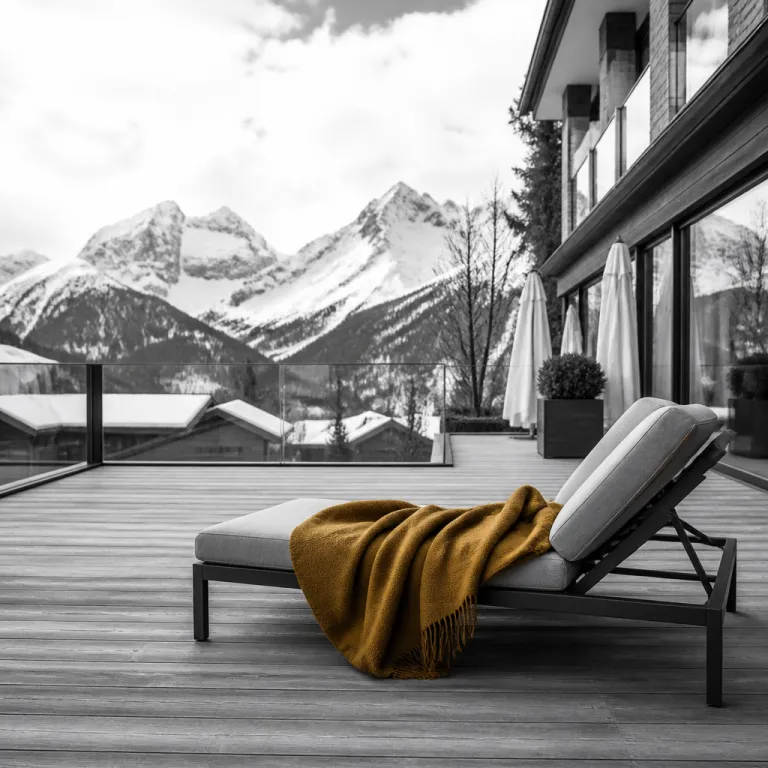
The French Alps: Where to Stay and What to Expect
The French Alps contain some of the most ambitious hotel properties in Europe. From the palace-rated resorts of Courchevel to the mountaineering lodges of Chamonix, from the lakeside elegance of Annecy to the high-altitude ski stations of Val Thorens and Tignes, the range of accommodation reflects a region that caters to every kind of mountain traveller. Hotels in the French Alps are not one thing; they are dozens of things, shaped by altitude, season, and the wonderful character of each resort town. The location of France at the heart of Europe makes these mountains accessible from most major cities, and the range of hotel accommodation is unmatched anywhere in the Alpine world.
What makes the French Alps special as a hotel destination is the infrastructure. The Savoie and Haute-Savoie departments have been hosting winter visitors for over a century, and the result is a depth of hospitality that newer mountain destinations cannot match. High-speed lifts connect villages to glaciers. Heated indoor swimming pools sit at 2,000 metres. Restaurants serve Michelin-starred food in buildings you reach on skis. The combination of serious Alpine terrain and serious French hospitality is what draws people here, and the hotels are where those two traditions meet.
Hotels in the Major French Alps Resorts
Chamonix-Mont-Blanc: Mountaineering Capital
Chamonix sits at the foot of Mont Blanc, the highest peak in Europe at 4,808 metres, and the town has been the reference point for Alpine mountaineering since the first Winter Olympics in 1924. Hotels in Chamonix range from luxury chalet properties with a spa and heated indoor pool to functional mountain lodges built for climbers and serious skiers. Many are located on slopes with direct access to the ski area, and the best rooms offer a wonderful view of Mont Blanc from a private terrace. At night, the mountain view is spectacular, with the summit catching the last light. Room prices per night in Chamonix are reasonable compared to Courchevel. Guest rooms in Chamonix tend to be warm, wood-panelled, and designed for comfort after a long day on the mountain. The Aiguille du Midi cable car climbs to 3,842 metres, offering views that justify a trip to the French Alps on their own.
The hotel scene in Chamonix is more varied than in the pure ski resorts. The town operates year-round, with summer hiking, trail running, and mountaineering drawing as many visitors as the winter season. A hotel with a restaurant, bar, and swimming pool in Chamonix serves a different clientele than the same hotel in Val Thorens; the guests here tend to be more independent, more experienced in the mountains, and less interested in being pampered than in being well-positioned. Private parking matters in Chamonix, as the town is accessible by car from Geneva in about an hour.
Courchevel: The Luxury Standard
Courchevel 1850, part of Les Trois Vallees and the largest connected ski area in the world with 600 kilometres of groomed slopes, sets the standard for luxury hotel accommodation in the French Alps. Five palace-rated properties compete here, each offering a restaurant of Michelin-star quality, a spa with swimming pool and hot tub, and wonderful rooms that cost more per night than most Alpine holidays cost per week. Guests who love luxury and can afford the rates will find Courchevel the ideal location in the French Alps. Room rates per night at the top properties are among the highest in France. The skiing is accessed directly from the hotels; many properties offer true ski-in, ski-out convenience.
Below the top tier, Courchevel also has mid-range hotels and apartments in the lower villages of 1550, 1650, and Le Praz. These offer access to the same ski area at a fraction of the price, though the atmosphere is less rarefied. Many are wonderfully located with private access to the slopes, and the hotel spa and sauna facilities are good even at mid-range properties. For hotel guests who love the Trois Vallees but not the Courchevel room price, Le Praz and Meribel are ideally located alternatives. The mountain views are free and equally wonderful from every location in the valley. The resort offers high-speed lift connections that mean you can ski the entire domain regardless of where you stay.
Val Thorens: The Highest Resort in Europe
Val Thorens sits at 2,300 metres, making it the highest ski resort in Europe and effectively the most snow-sure in the French Alps. The season runs from late November through early May, longer than almost any other resort in France. Hotels in Val Thorens tend toward the functional and modern, located at an altitude where the slopes begin at your door. This is not a village with centuries of history but a purpose-built resort designed around the skiing. Guest rooms are good and well-insulated, and the views of the surrounding peaks from upper-floor rooms are wonderful. Many hotels are located directly on the slopes, offering free ski-in, ski-out access. What it lacks in architectural charm it compensates for with altitude, snow reliability, and direct access to 600 kilometres of pistes across Les Trois Vallees.
The best hotels in Val Thorens include a spa with heated indoor pool, sauna, and hot tub, which matters at this altitude where temperatures regularly drop below minus 15 degrees. A hotel with a good restaurant and bar becomes essential at night when the nearest alternative is a mountain hut on a frozen slope. After a day on the slopes, the ideal evening involves a sauna, a view of the mountains from the hotel bar, and a wonderful meal without leaving the building. Some properties offer private parking in underground garages, useful for guests driving up from the Savoie valleys.
Val d'Isere and Tignes: The Espace Killy
Val d'Isere and Tignes share the Espace Killy ski area, named after the Olympic champion Jean-Claude Killy. The terrain is serious, the snow record is excellent, and the hotel scene in Val d'Isere in particular has evolved from rugged ski lodges to include genuinely luxurious properties with spa facilities, swimming pools, and restaurant dining that rivals Courchevel at lower prices. The village retains more traditional Savoie character than Val Thorens, with stone-and-wood chalet architecture and a main street that rewards an evening stroll. Located at the ideal altitude for reliable snow, Val d'Isere is a location that experienced skiers love returning to. Many hotels offer a terrace with mountain views where guests enjoy an aperitif after skiing.
Tignes, higher and more purpose-built, offers better value and snow reliability. The Grande Motte glacier allows summer skiing, making Tignes one of the few French Alps resorts that operates genuinely year-round. Hotel options in Tignes range from apartment-style residences with free kitchen access to full-service hotels with pool, spa, and restaurant. Room rates are lower than Val d'Isere, and the rooms offer good value for the quality of the slopes. The resort is accessible by road from Bourg-Saint-Maurice, which connects to the TGV network.
Megeve: The Original French Alpine Resort
Megeve was conceived in the 1920s as a French alternative to Saint Moritz, and the town retains the elegance and village character that attracted the Rothschild family to develop it. Hotels in Megeve tend toward the refined and traditional chalet style, with wonderful wood-panelled rooms, spa facilities including swimming pools and hot tubs, and restaurants that serve both Savoie specialities and haute cuisine. The skiing is gentler than Chamonix or Val d'Isere, making Megeve the better choice for intermediate skiers and families.
The village centre is pedestrianised and features horse-drawn carriages, independent boutiques, and a church square that looks like a postcard of everything the French Alps should be. Hotel guests in Megeve love a resort that operates at a slower, more civilised pace; it is the ideal location in the French Alps for those who value village life over vertical metres.
Annecy: The Lake Alternative
Annecy sits on what may be Europe's cleanest lake, wonderfully located 35 kilometres south of Geneva. The medieval old town, threaded with canals, is charming in a way that makes it one of the most popular destinations in the French Alps outside of ski season. Hotels range from lakefront properties with swimming pool and spa to smaller guest houses in the old town. A two-Michelin-star restaurant overlooks the lake from the eastern shore.
Annecy works as a summer base for the French Alps rather than a ski destination; the nearest slopes are at La Clusaz and Le Grand-Bornand, both about 30 minutes by car. The 40-kilometre cycling path around the lake, free to use and beautifully maintained, is one of the best in France. For hotel guests who want mountain scenery without mountain sports, or who prefer a lakeside restaurant terrace to a ski lodge bar, Annecy is the obvious choice.
Seasons in the French Alps
Winter runs from December through April, with the best snow conditions typically in January and February. High-altitude resorts like Val Thorens and Tignes extend the season at both ends. Summer, from June through September, opens the mountains to hikers, cyclists, and climbers, with many hotels converting from ski-focused to adventure-tourism operations. The shoulder months of May and October see reduced hotel availability as many properties close for maintenance between seasons.
Hotel prices in the French Alps follow the seasons closely. Peak winter weeks, particularly Christmas, New Year, and the February school holidays, command the highest rates and room prices per night. Summer pricing is generally lower except in Chamonix and Annecy, where the hiking and lake season creates its own demand. The best value is often found in early December and late March, when conditions are good but prices have not yet peaked.
Getting to the French Alps
Four airports serve the region. Geneva is the most convenient for the northern resorts: Chamonix is about an hour away, Megeve 90 minutes, and Courchevel roughly two and a half hours. Lyon-Saint Exupery connects to Val d'Isere in about three and a half hours by road. Chambery airport, smaller but closer, offers short transfers to the Savoie resorts. Grenoble serves Alpe d'Huez and Les Deux Alpes.
The TGV runs directly from Paris to Annecy in under four hours and to Bourg-Saint-Maurice, the railhead for Val d'Isere and Les Arcs, in about five hours. Many French Alps hotels arrange transfers from the nearest station or airport, and some of the larger Courchevel properties offer private helicopter transfers from Geneva.
French Alps Hotels in Numbers
- Mont Blanc: 4,808 metres, highest peak in Europe
- Les Trois Vallees: 600 kilometres of connected ski pistes
- Val Thorens: 2,300 metres, highest ski resort in Europe
- Chamonix Aiguille du Midi: 3,842 metres cable car summit
- Geneva to Chamonix: approximately 1 hour by car
- Paris to Annecy by TGV: under 4 hours
- Lake Annecy cycling path: 40 kilometres
- Courchevel: 5 palace-rated hotel properties
Questions About Hotels in the French Alps
Which French Alps resort is best for families?
Megeve offers the gentlest skiing, the most charming village atmosphere, and hotels that cater well to families with children. La Rosiere and Les Gets are smaller, quieter alternatives with excellent ski schools. Val Thorens and Chamonix are better suited to confident skiers; the terrain is steeper and the atmosphere more performance-oriented. For a non-skiing family holiday in the French Alps, Annecy combines a lake, a medieval old town, and hotel options at every price point. Guests love the location, the free lakeside walks, and the wonderful light on the water at night. It is a good, romantic alternative to the ski resorts of France.
Do French Alps hotels have swimming pools?
Most mid-range and upscale hotels in the French Alps include a heated indoor swimming pool, often combined with a spa featuring a sauna, steam room, and hot tub. Pool quality varies significantly; the best Courchevel and Megeve properties, located in wonderful settings with mountain views, offer pool facilities that rival urban luxury hotels, while budget mountain lodges may have a small plunge pool or no pool at all. If a swimming pool matters to your stay, confirm the hotel facilities before booking.
When is the cheapest time to visit the French Alps?
Early December, before the Christmas rush, and late March offer the best combination of good snow and lower hotel prices. The first two weeks of January, after the New Year peak, are also good value. Summer is generally cheaper than winter except in Chamonix and Annecy. The absolute lowest prices are in the shoulder months of May and October, but many hotels close during this period and the mountains are between seasons.