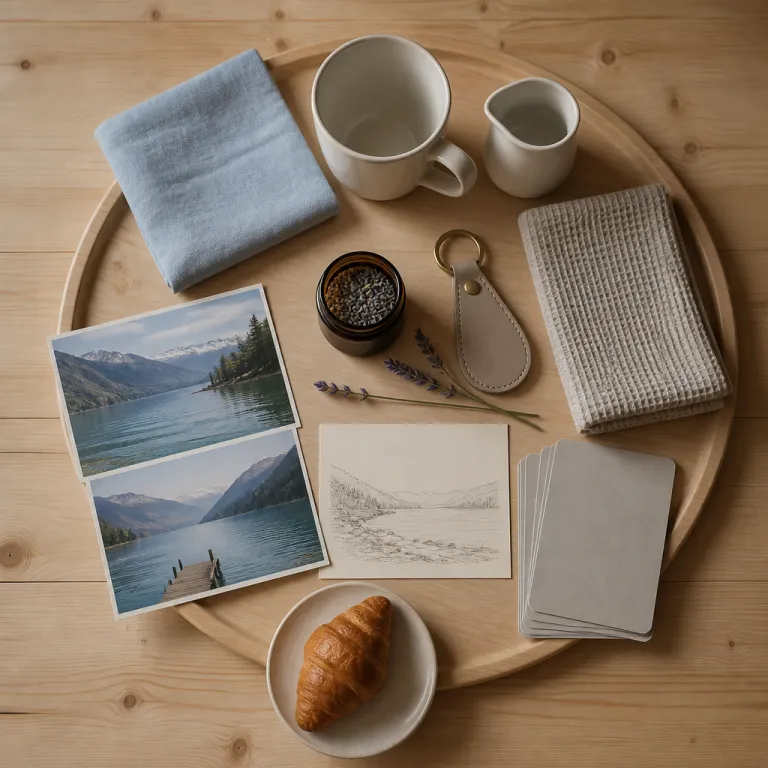
Lake Annecy catches light the way few bodies of water in Europe can. The surface shifts through the day: pale jade at dawn, deep turquoise under midday sun, dark sapphire when late afternoon shadows descend from the Bauges massif. At 446 metres of altitude in Haute-Savoie, roughly thirty-five kilometres south of Geneva, this is one of the cleanest lakes on the continent, a distinction earned through decades of rigorous environmental stewardship. A hotel on Lake Annecy puts you at the edge of water so clear that the lake bed is visible at considerable depth, framed by mountains that rise sharply on both shores.
The Setting: Where Alps Meet Water
Annecy occupies the northern tip of the lake, where the Thiou canal, one of the shortest rivers in France, drains toward the Fier gorge. The old town sits between this canal and the hillside, a compressed medieval quarter of arcaded passages, pastel facades, and cobblestone lanes that open unexpectedly onto small squares. The Palais de l'Ile, a twelfth-century fortress on a triangular island in the canal, anchors the composition. Above, the Chateau d'Annecy watches from the ridge.
The lake itself is fourteen kilometres long and framed by two distinct shores. The eastern rive, from Menthon to Talloires, is steeper, more dramatic, more sheltered. Talloires in particular occupies a bay so protected that it develops its own microclimate, slightly warmer, more gentle. The western shore, from Sevrier to Saint-Jorioz, catches more sun and spreads more gently toward the water. Both sides reward exploration, whether by bicycle along the voie verte, by boat from the Compagnie des Bateaux, or simply by driving the lakeside road with the windows down and the mountains reflected in the water beside you.
Finding the Right Hotel Annecy and Lake Annecy Can Offer
The hotel landscape around Lake Annecy divides along geography. In the centre of Annecy itself, converted medieval properties and renovated townhouses offer the intimacy of small rooms with canal views, stone walls, and the convenience of being located a minute walk from the morning market. These are hotels for guests who want to be inside the life of the old town, who value the passeggiata along the quays at dusk and the sound of water flowing past their window at night.
On the eastern shore, particularly around Talloires and Menthon, the scale changes. Properties here tend toward lakeside estates set in private grounds, with spa facilities, swimming accessed directly from manicured gardens, and restaurant terraces that look across the water toward the Semnoz mountain. Some are star hotel establishments with Michelin-listed dining rooms. Others are more discreet, family-owned properties where the same people have greeted guests for generations. In either case, the experience of sleeping on the shores of Lake Annecy, with nothing between your window and the water but a strip of garden and perhaps a ancient plane tree, belongs to a specific register of Alpine hospitality.
Budget-conscious travellers will find good value in properties slightly set back from the lake or in the commercial zones around Annecy. The distance from the water is rarely more than a few minutes by car or bicycle, and the savings are considerable during peak summer months when lakefront rooms command a premium.
The Iconic Properties on Lac Annecy
The shores of Lake Annecy have attracted hoteliers for more than a century. The tradition of the auberge, the classic French country inn, runs deep here. In Talloires, the name Pere Bise evokes a culinary lineage that stretches back generations, the sort of establishment where the dining room is the reason for the stay, and the lake through the window is almost incidental to the plate before you. Jean Sulpice, among the most celebrated chefs in Haute-Savoie, has shaped the gastronomic identity of this shore.
The Menthon side of the lake has its own register. The Palace Menthon occupies grounds that survey the water from an elevated position, gardens descending toward the shore. Properties in this stretch combine the formality of a grand hotel with the intimacy of a lakeside retreat, and a hotel spa in Annecy or along the eastern shore typically draws on Alpine wellness traditions, with treatments incorporating local botanicals, thermal water, and mountain air.
Closer to the centre of Annecy, the hotel landscape shifts toward urban hospitality. An Annecy hotel near the gare or the vieille ville puts you within walking distance of the market, the canal, and the cultural life of the old town. Many of these are renovated properties that preserve the exterior character of the historic centre while offering contemporary rooms inside. For the guest who values being located in the thick of things, the centre vieille ville is where the pulse of the town beats strongest.
On the western shore and around the lac, quieter properties appeal to those seeking seclusion. A hotel on Lac Annecy at Sevrier or Duingt trades the energy of the town centre for unbroken views and private gardens reaching to the water. The pace here is different. Mornings start with lake mist rather than market noise, and the rhythm of the stay calibrates to the water rather than the cobblestones.
Savoyard Cuisine: The Table at Lake Annecy
A meal at Lake Annecy follows Savoyard logic, which is to say it begins with cheese and builds from there. Reblochon, produced in the Aravis valley just over the mountains, is the foundational ingredient: the basis of tartiflette, the heart of a proper Savoyard salad, the cheese course that follows every serious dinner. Fondue and raclette appear with reliable frequency, though the real test of a restaurant here is its treatment of lake fish.
Fera, a whitefish endemic to deep Alpine lakes, is the signature catch. Pan-fried in butter with a squeeze of lemon, served alongside a simple green salad and a glass of Apremont or Chignin-Bergeron from the Savoie vineyards, it constitutes one of the essential eating experiences of the French Alps. Perch fillets, smaller and more delicate, run fera a close second. Both fish depend entirely on freshness, which means eating them here, beside the lake where they were caught, is categorically different from eating them anywhere else.
The market culture amplifies this. The Sunday market along the canal banks in Annecy centre is genuinely spectacular: wheels of tomme stacked head-high, baskets of early-season herbs, charcuterie from the mountain farms above. Thursday markets are smaller, more local, arguably better for actual shopping rather than spectacle. Either way, a guest staying more than two nights should plan at least one meal assembled entirely from market ingredients and eaten on a hotel terrace or a lake-facing bench.
Seasons at the Lac
Summer is when Lake Annecy earns its reputation. The water temperature climbs to a swimmable twenty-four degrees by August, and the public beaches, Albigny and Marquisats closest to the centre, fill with families and swimmers. Paddleboarding has become the default morning activity for hotel guests along the shore, the lake glassy and still before the thermal winds arrive mid-morning. Kayaking into the quieter southern reaches of the lac, toward Doussard and the nature reserve, offers genuine solitude even in high season.
Paragliding from the Col de la Forclaz above Talloires is the most dramatic way to see the lake from above. Tandem flights launch from the mountain pass and spiral down to the lakeshore, the entire body of water unfolding below in a slow reveal. It is the kind of activity that sounds terrifying in the abstract and feels transcendent in practice.
Winter transforms the equation. The lake itself does not freeze, but the mountains around it accumulate serious snow, and the ski resorts of La Clusaz and Le Grand-Bornand are reachable within forty minutes. The old town hosts Christmas markets that feel genuinely festive rather than commercially staged. Mornings begin with mist sitting on the lake surface like a silk sheet, the peaks emerging above, and the smell of woodsmoke from chalet chimneys mixing with cold mountain air. Fondue season, in other words. Hotels drop their rates significantly between November and March, and the town rewards the off-season visitor with quiet streets, shorter queues, and a more intimate atmosphere.
Beyond the Lake: Day Trips and Discoveries
Geneva is forty minutes by car, which makes Lake Annecy an alternative base for travellers who want the cultural resources of a major city combined with the tranquility of a mountain lake. The TGV from Paris reaches Annecy station in under four hours, making it accessible for a long weekend without requiring a flight.
From the shores of Lake Annecy, excursion options multiply. The Gorges du Fier, ten kilometres west, provides a dramatic half-day excursion: a walkway bolted to cliff walls above churning river water, the canyon walls so narrow that light barely penetrates in places. The Chateau de Menthon-Saint-Bernard, overlooking the lake from the eastern shore, offers a more elegant form of tourism, its medieval towers and furnished rooms providing a window into Savoyard aristocratic life.
Cyclists will find the voie verte, a thirty-three-kilometre paved and car-free path circling much of the lake, irresistible. Flat, safe, and scenic, it connects the main lakeside towns and can be ridden in a leisurely half day with stops for swimming and coffee. Bicycle rental is available at multiple points around the lake and at most hotels of any standing.
Practical Notes for Your Stay
Choosing a hotel Annecy and its surroundings provide requires understanding what each zone delivers. The Rivage Hotel Spa tradition on the eastern shore represents the full-service lakeside experience: rooms overlooking water, spa treatments tied to the Alpine setting, restaurant terraces where dinner extends well past sunset. The Auberge Pere Bise in Talloires, where Jean Sulpice runs the kitchen, has shaped the culinary reputation of the entire lake. These are properties where the stay is the destination, not a base for day trips.
In the centre, the Hotel des Alpes tradition persists in properties that put you a minute walk from the Thiou canal and the Sunday market. Budget-minded travellers will find that even a modest hotel in Annecy centre delivers access to the same lake, the same old town, the same mountains as the grand estates on the eastern shore. The Black Bass Hotel at Talloires represents another register entirely, informal, lakeside, the kind of place where you can swim from the grounds and dine with your feet almost in the water.
Whether a grand Splendid Hotel on the lac or a simple family-run Annecy hotel in a side street, the region delivers across every price point. Accessibility is straightforward. Geneva airport is forty minutes by car, and the TGV from Paris Gare de Lyon reaches Annecy in under four hours. Within the town, a car is unnecessary. The voie verte cycling path and the lake boat services connect everything that matters.
Frequently Asked Questions
What is the best time of year to stay at a hotel on Lake Annecy?
Late May through June and September offer the most balanced experience: warm enough for lake activities, uncrowded, with good restaurant availability. July and August bring peak temperatures and crowds. The Fete du Lac, the first Saturday of August, is one of Europe's largest fireworks displays and worth planning around if spectacle appeals to you. Winter is a hidden season, quieter and less expensive, with skiing nearby and the old town at its most atmospheric.
How does Annecy compare to other French Alpine lake destinations?
Lake Annecy is smaller, cleaner, and more intimate than Lac du Bourget or Lac Leman. The old town is genuinely medieval, not a reconstruction. The combination of mountain, lake, and walkable historic centre in such compressed geography is difficult to match elsewhere in France. For guests seeking both natural beauty and cultural depth, it occupies a very particular position.
Are hotels around Lake Annecy suitable for families?
Very much so. Any good hotel on Lake Annecy will point guests toward the best beaches. The lake provides safe swimming at public spots in summer, the cycling path is flat and car-free, and the overall atmosphere is relaxed. A hotel spa on the lakeshore can arrange paddleboard rentals, cycling guides, and paragliding transfers alongside its wellness programme. Any hotel Lake Annecy visitors choose will reflect the diversity of the region. Properties range from intimate old-town options better suited to couples to larger lakeside establishments with gardens, pool areas, and family rooms. Many offer good value outside the July-August peak, and the proximity to Geneva makes arrival straightforward for international guests.