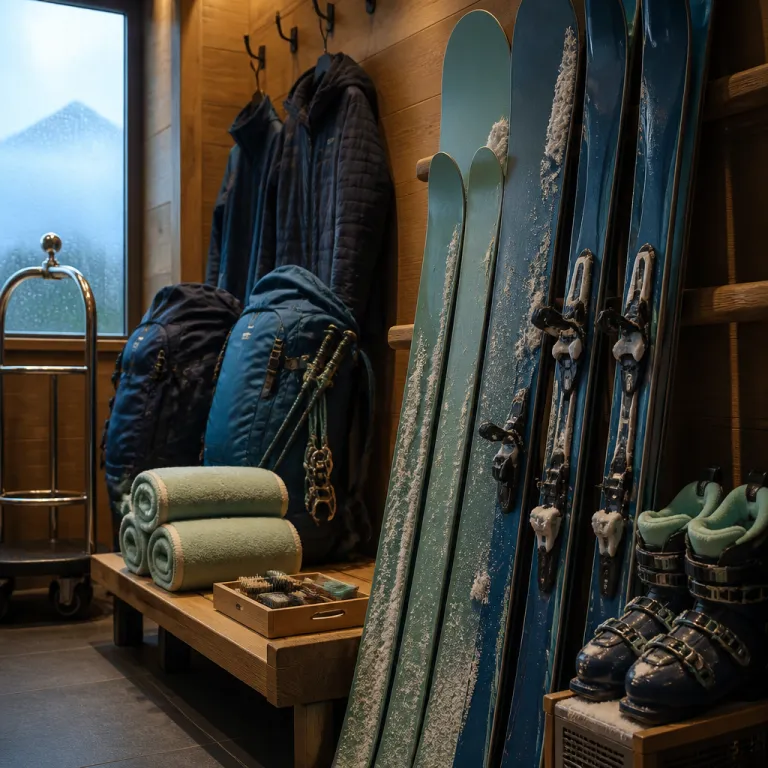
Why Badia Is the Quiet Heart of the Dolomites Hotel Scene
The municipality of Badia sits at roughly 1,315 metres in the southeastern corner of South Tyrol, where the Dolomites rise in pale limestone towers above meadows and dark conifer forests. It encompasses the hamlets of Pedraces and San Leonardo, both quieter than the better-known resort centres of Corvara or La Villa. For travellers who want to discover Alta Badia without the crowd pressure of the main valley hubs, a hotel in Badia offers something increasingly rare: a genuine mountain holiday in a village where the hospitality still feels personal and the luxury comes from the setting rather than the stage management.
Hotels in Badia range from family-run guesthouses with wood-panelled dining rooms to exclusive four-star and five-star properties offering spa and wellness facilities, a heated indoor pool, and panoramic terraces with views across the valley. Almost all share a connection to their surroundings that defines the experience of staying here. The Dolomites are a UNESCO World Heritage Site, and from a hotel room balcony in Badia, that distinction is visible at every hour of the day. The heart of this village beats to a rhythm shaped by centuries of mountain life, and hotels here have absorbed that cadence into everything from the stube furnishings to the bar service.
The Ladin Identity and Its Influence on Hotels in Badia
What distinguishes Badia from neighbouring resort villages is language. The Ladin tongue, a Romance language descended from the Vulgar Latin spoken during the Roman conquest of the Alpine region, remains the first language for most residents. Signs are trilingual, with Italian and German appearing alongside Ladin. Visitors expecting a standard South Tyrol holiday discover instead a community with its own literary tradition, cuisine, and a quiet determination to maintain both in the heart of the Dolomites mountains.
This cultural layer affects the hotel experience in tangible ways. Menus in hotel restaurants feature dishes rooted in Ladin tradition, including turtres, deep-fried half-moon pastries filled with spinach, and cajincei, crescent-shaped ravioli stuffed with local cheese. Many hotels also offer fondue evenings featuring regional cheese and wine, a special occasion that guests enjoy throughout the winter season. The kitchens in Badia tend toward honest, ingredient-driven cooking that reflects the altitude and seasons. Several hotel properties grow their own herbs and source dairy from farms visible from the breakfast room windows, offering guests a direct cin between landscape and plate that few other mountain destinations can match.
The Museum Ladin in nearby San Martino documents the geological and cultural history of the Dolomites. Understanding that these mountains were once a tropical seabed, that the pale rock is ancient coral reef, changes how a guest reads the landscape from a hotel terrace. It is well worth a half-day visit during any holiday in the valley, and hotel concierge teams are happy to arrange the perfect timing to avoid the busiest moments.
Skiing from a Hotel in Badia: The Dolomiti Superski
The Alta Badia ski area is accessible directly from the village. A gondola connection leads toward the hill plateau linking the six villages of the valley, and from there the entire Dolomiti Superski network opens up, covering more than 1,200 kilometres of groomed pistes across twelve valleys. A single ski pass grants access to all of it, which means a guest at a modest hotel in Badia can enjoy the same terrain as someone at an exclusive star resort in Val Gardena or Cortina. The availability of this interconnected system from a quiet village base is one of the great advantages of choosing Badia over a busier hub.
The terrain immediately above Badia favours intermediate skiers and confident beginners. Long, wide runs descend through open hill meadows with consistent gradients, and the grooming standard is high. For stronger skiers, the Sella Ronda circuit is the main draw. This famous loop encircles the Sella massif, crossing four Dolomite passes: Gardena, Sella, Pordoi, and Campolongo. The circuit links four Ladin valleys in a single day tour of roughly 40 kilometres. Starting from Corvara, a short bus ride from any hotel in Badia, the clockwise route typically takes six hours and rewards the effort with views that justify every minute on the hill.
On-mountain dining in Alta Badia deserves special mention. Several rifugi along the pistes offer cuisine that would not be out of place in a city bistro, and the Gourmet Skisafari programme invites Michelin-starred chefs to cook in hill huts during specific winter weeks. This is a ski holiday where lunch is not an afterthought but a highlight. The hotel bar becomes a lively gathering point after the lifts close, where guests enjoy a glass of wine and share stories from the day on the hill before heading to the spa for relaxation and pool time.
Snow Reliability and Ski Season
The Alta Badia ski area operates between altitudes of roughly 1,400 and 2,800 metres. Snow-making covers the vast majority of lower runs, and investment in modern systems means the season typically opens in early December and runs through mid-April. The north-facing slopes above La Villa hold natural snow well, while the sunnier hill pitches around Badia benefit from artificial reinforcement. For hotel guests, the snow conditions are reliable throughout the core winter season, making availability of perfect ski days the norm. This consistency is one reason many visitors return for winter holidays year after year, selecting the same hotel room and the same weeks with well-practised confidence.
Summer Holidays: Hiking from Hotels in Badia to the Fanes Nature Park
The Fanes-Senes-Braies Nature Park begins almost at the edge of the village and extends northward into a wilderness of high plateaux, karst formations, and alpine lakes. A summer holiday based at a hotel in Badia provides direct access to trails that shift from dense forest to open moorland to bare rock within a few hours. It is the perfect base for anyone who wants to discover the Dolomites on foot, and hotels in the village offer packed lunches, early breakfast options, and guided excursion programmes.
The hike to the Fanes hut, starting from Pederue above Badia, crosses terrain of extraordinary variety. The plateau around the hut is a landscape of weathered limestone pavements and scattered tarns, home to marmots and chamois. For a longer mountain excursion, the traverse from Fanes to Lavarella and onward to the Lago di Braies requires two days with a hut overnight and rewards the effort with some of the most dramatic views in the Alps. These are the moments that define a Dolomites holiday, accessible to anyone staying at a hotel in Badia with a reasonable level of fitness and a willingness to read the trail markers.
Closer to the village, the walk around Lago di Sompunt above Pedraces offers easy afternoon relaxation with views to the Sasso di Santa Croce. Hotel concierge teams in Badia are well versed in matching guests to routes that suit their experience level, and the selection of day hikes available would fill several weeks of holidays in the mountains without repetition.
Mountain Biking and Road Cycling from Badia
The network of gravel tracks and forest roads supports mountain biking at a high level, with marked routes climbing to alpine huts and returning via flowing hill descents. Road cyclists discover the Dolomite passes with the enthusiasm they deserve. The climb from Badia toward the Passo di Campolongo, at 1,875 metres, is a manageable warm-up before the Passo Gardena and Passo Sella. These roads feature in the Giro d'Italia, and riding them on a quiet morning with the Sella group catching the light is one of those special moments that stay with a cyclist permanently. Hotels in the valley increasingly offer bike storage, washing stations, and partnerships with rental shops, offering a well-organised cycling holiday experience in the Dolomites.
Where to Stay: Choosing a Hotel in Badia
The hotel landscape in Badia reflects the village character. Properties are family-owned across multiple generations, and the standard of upkeep is high. Most four-star and five-star hotels include spa facilities with saunas, steam rooms, and a heated indoor pool. Many offer half-board arrangements that showcase kitchens producing both Ladin tradition and modern Alpine cuisine. The bar and stube areas in these hotels function as genuine social spaces where guests enjoy an evening drink, read about the next day's excursions, and experience the warm tones of local wood and stone. Some exclusive properties maintain a cigar lounge where guests can enjoy premium cigars after dinner, a discreet addition that speaks to the South Tyrolean understanding that luxury is about offering choice rather than imposing a formula.
Location within the village matters less than it might in a larger resort. Badia is compact enough that everything is walkable. The ski bus linking the valley hamlets runs frequently through winter. Hotels in Pedraces sit closest to the Lago di Sompunt and the Fanes park access routes. Properties in San Leonardo occupy a more central position near restaurants and shops. Both locations offer genuine Badia character, and neither suffers from the traffic that can affect Corvara during peak weeks. Checking hotel availability early is advisable for the high-season winter weeks and the July to September summer holiday period, when the best rooms are booked well in advance.
Room Style, Pool, and Wellness at Hotels in Badia
Rooms in Badia hotels typically feature a mix of traditional wood panelling and contemporary finishes. Balconies with mountain views are standard at most properties, and at this altitude the air quality and silence offer perfect relaxation for guests arriving from urban environments. Breakfast in the better hotels is an elaborate selection centred on local products: South Tyrolean speck, fresh bread from village bakeries, mountain honey, fondue cheese, and a rotating selection of seasonal specialities. The attention to detail at breakfast sets the tone for the day, and it is one of those small luxury touches that distinguishes a well-run mountain hotel from a merely adequate one.
The wellness and spa culture in South Tyrol is taken seriously, and even smaller hotels in Badia include relaxation and pool facilities that exceed expectations. Hay baths, a regional tradition involving immersion in warm fermented mountain grasses, appear alongside more conventional spa treatments. The indoor pool at many Badia hotels offers views toward the surrounding mountains, and the sauna area becomes the perfect place to enjoy the stillness of a Dolomites evening after hours on the hill. A cigar on the terrace, a book in the library, an hour by the pool: these are the quiet moments that hotel guests in Badia learn to value as much as the skiing or the hiking. For guests who value wellness as part of their mountain holidays rather than a supplement, hotels in Badia deliver with consistency and style.
Gastronomy in the Heart of Badia
Alta Badia has become one of the most respected gastronomic destinations in the Italian Alps. The influence of Norbert Niederkofler, the South Tyrolean chef who pioneered cooking exclusively with ingredients sourced from the Alpine region, is felt throughout the valley. His philosophy of seasonal sourcing has inspired younger chefs offering inventive cuisine rooted in mountain tradition.
Restaurants in Badia range from traditional stube serving polenta, game, fondue, and dumplings to refined dining rooms and bistro-style establishments where the presentation matches anything in Bolzano or Merano. The wine selection at the better restaurants is a special attraction, with sommelier guidance through Alto Adige whites including Gewurztraminer, Pinot Bianco, and Kerner from the Isarco Valley. Hotel guests on half-board discover that the in-house restaurants often rival independent options in the village, making the decision to enjoy dinner at the hotel bar or stube an easy one. For a simpler experience after a day on the hill, mountain hut bistro kitchens serve Kaiserschmarrn and Knodeln, offering the kind of food that tastes better at altitude and pairs well with a glass of local wine.
Getting to Hotels in Badia and Exploring the Dolomites
Badia is reached most easily via Bolzano or Innsbruck. From Bolzano, the drive through the Val Badia takes roughly an hour through scenery that improves with every kilometre. From Innsbruck, the route crosses the Brenner Pass and follows the Val Pusteria before turning south. Winter tyres or chains are mandatory between November and April.
The nearest airports are Bolzano, Innsbruck, Verona, and Venice Marco Polo. Several hotels arrange private transfers with well-organised logistics. Within the valley, the ski bus operates at no charge for ski pass holders, connecting Badia with Corvara, La Villa, San Cassiano, and Colfosco. In summer, hiking buses extend to higher trailheads, offering access to remote starting points.
The combination of Ladin culture, serious gastronomy, direct access to the Dolomiti Superski, and proximity to two major nature parks makes Badia a destination that rewards extended holidays. A week at a hotel here reveals layers a weekend cannot discover: the changing light on the Sasso di Santa Croce, the differences in cuisine between one valley restaurant and the next, the quiet moments of relaxation by the pool before dinner. Hotels in Badia understand this rhythm and accommodate it with attentive, exclusive hospitality. For guests who value substance over spectacle, who want their mountain holiday experience defined by the luxury of the landscape and the warmth of the welcome, this is one of the most compelling corners of the Dolomites. Read the valley on its own terms, enjoy the hill and the stube and the bar and the spa, and discover why this quiet village at the heart of Alta Badia remains, for those who know it well, one of the perfect places to stay in the mountains.