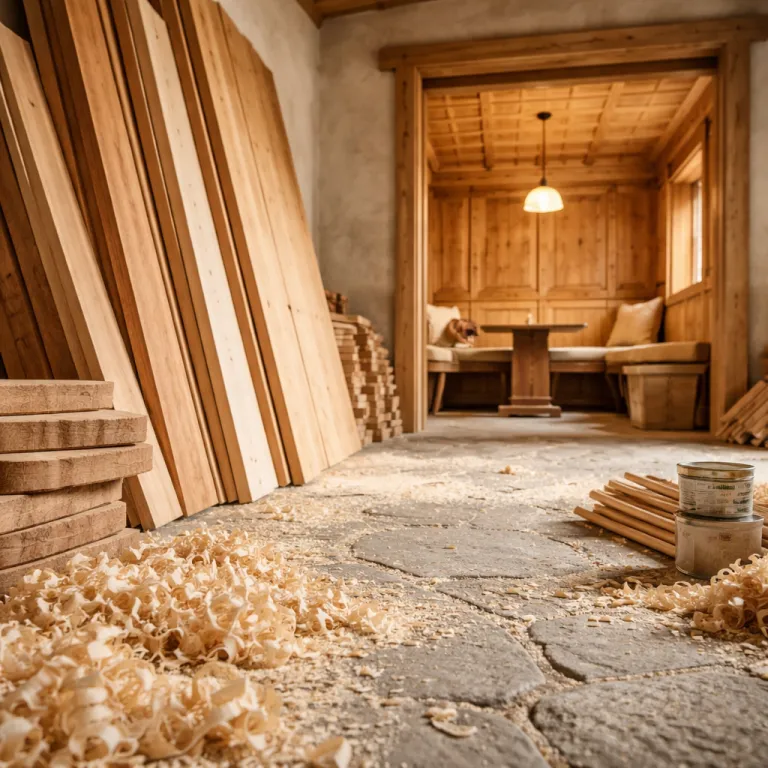
The stube as the quiet heart of Tyrolean stube hotels
Step into the wood-panelled dining room of a serious hotel in Tyrol and you feel the temperature of the stay change. In the best Tyrolean stube hotels, the stube is not a nostalgic prop but the working heart of the house, shaping how guests move between room, restaurant and spa. For travellers crossing Austria from Innsbruck to South Tyrol, these intimate rooms become the measure of whether a stay hotel is truly rooted in its alpine area or just borrowing the view.
Historically, the stube emerged when families abandoned the smoky central hearth and created a single heated room, usually lined in stone pine and anchored by a tiled stove. That shift, which began in castles and later reached farmhouses, explains why so many traditional Tyrolean homes still reserve their best conversations, food and drink for this one space. A regional household survey on living traditions in Tyrol and South Tyrol, published by Tirol Werbung and the Südtirol tourism board in 2019, reported that a large majority of homes still maintain some form of stube, which helps explain why Tyrolean warmth in hotels feels less like décor and more like continuity.
In luxury properties, the same logic applies: the stube concentrates heat, sound and social life in a way no open-plan dining area can match. When you book stay options in Tyrolean stube hotels, look for floor plans where rooms and suites orbit a central stube rather than a generic lobby bar. That layout usually signals a Hotel Tyrol team that understands how alpine architecture, spa wellness rituals and slow dining belong in the same narrative, not scattered across disconnected zones.
From bauernstube to herrenstube: where to stay with a living stube
Across the Alps, a handful of hotels treat their Stuben as living rooms rather than museum pieces, and they are worth planning your travel around. At Schloss Mittersill in Austria, the former herrenstube now serves as an intimate dining room where panelled walls, a corner Kachelofen and low ceilings turn a simple restaurant service into something closer to a private club. Here, rooms and suites in the castle wings feel like satellites to that core, and guests drift back after spa or sauna sessions to sit in the front row of the fire’s radiant heat.
In South Tyrol, the Rosa Alpina legacy in San Cassiano is carried forward through smaller wood-lined dining rooms that still echo the original farmhouse bauernstube, even as modern design touches refine the chairs and lighting. These spaces once hosted a Michelin-listed restaurant and still show how a serious kitchen can operate within a compact dining area without losing the sense of traditional Tyrolean intimacy. Families booking larger rooms and suites nearby appreciate that children can eat early in the stube, then retreat to a quiet suite while adults linger over food and drink in a different room without disturbing anyone.
Further north, the Tannerhof in Bavaria’s alpine area keeps its farmhouse stube as the social anchor, while contemporary timber lodges and spa wellness buildings climb the slope behind. The contrast between the rustic dining room and the clean-lined wellness area illustrates how Tyrolean stube hotels can balance heritage with a modern design language. For solo travellers, these properties offer a rare combination: you can book stay options that include both a contemplative spa and a restaurant where locals still claim the corner bench, as one long-time guest described it in a recent house newsletter.
Stone pine, acoustics and the science of feeling at home
What you notice first in a good stube is not the look but the sound, because conversation in these rooms sits at a softer register than in most hotel restaurants. Wood panelling in stone pine absorbs clatter from plates and glasses, so even when the dining area is full, voices remain clear and unstrained. That acoustic calm is one reason many Tyrolean stube hotels report guests lingering longer over dining and ordering more food and drink than in brighter, harder-surfaced spaces.
Stone pine, sometimes called Swiss pine, also carries a distinctive scent that regular visitors to Tyrol and South Tyrol can identify instantly. Studies from regional institutes such as Joanneum Research (notably the “Zirbenholz und Herzfrequenz” project on heart-rate variability) and the Salzburg University of Applied Sciences have linked this timber to lower resting heart rates and improved sleep quality, which aligns with what many travellers report after a few nights in a stone-pine-panelled room or suite. When a Hotel Tyrol property lines both its stube and several rooms and suites in this wood, the effect extends from the dining room to the bedroom, turning the entire stay hotel experience into a kind of low-key wellness ritual.
Heating matters just as much as materials: traditional Kachelöfen radiate a steady warmth that air-based systems in modern design hotels rarely match. In many alpine properties, logs are still loaded from an adjacent service room, keeping smoke and mess away from the dining room while the ceramic mass releases heat for hours. As one local explanation puts it, “How are Stuben heated? Typically by large stone- or tile-covered stoves, with logs inserted from an adjacent room,” and that simple method remains central to the Tyrolean warmth you feel when snow piles against the windows.
When heritage meets Michelin: eating seriously in a stube
The most convincing argument for keeping a stube at the centre of a hotel is what happens on the plate, especially when a serious kitchen is involved. In several alpine properties, chefs recognised by the Michelin Guide have chosen to serve at least one menu in a traditional stube rather than in a larger, more photogenic dining area. That decision often leads to fewer covers but a higher chance that a Michelin-level meal will feel like a private dinner rather than a performance.
In the Dolomites and across South Tyrol, you still find restaurants where the main dining room is a panelled stube, while a secondary space handles breakfast and casual food and drink. This layout allows the kitchen to protect the atmosphere of the stube for evening dining, when lighting, service pace and wine pairings can be tuned to the room’s scale. Guests who book stay packages that combine a spa wellness program with a multi-course dinner in such a room often describe the experience as more restorative than a day spent chasing panoramic views.
Even large properties, such as Interalpen Hotel Tyrol near Innsbruck, understand the value of a smaller, wood-lined dining room alongside their grand restaurant spaces. While the main Interalpen restaurant and spa wellness area speak to scale, the more intimate rooms, suites and traditional Tyrolean corners offer a counterpoint where you can eat in relative quiet. For travellers comparing Tyrolean stube hotels, this mix of front-row spectacle and tucked-away warmth is often more compelling than yet another glass-walled restaurant with a generic alpine view.
Renovation choices, dark skies and how to book the right stube
Not every renovation has been kind to the stube, and you feel the loss most in properties that chased a uniform modern design at the expense of character. Some hotels in Austria and the wider alpine area removed their original Stuben in favour of open-plan lobbies, only to find that guests spent less time on site and treated the stay hotel as a simple base for travel rather than a place to linger. When the wood-panelled room goes, the subtle gradient between public restaurant, semi-private dining room and intimate corner bench often disappears with it.
The most successful Tyrolean stube hotels take the opposite route, preserving their Stuben as continuing spaces where locals still eat, rather than as preserved museum pieces. You see this in valleys that also protect their night skies, where properties highlighted in guides to dark-sky country in the Alps pair starlit terraces with low-lit, wood-lined interiors. One such example is explored in depth in a feature on alpine hotels that bet on the stars above the refuge, which shows how a thoughtful wellness area, a quiet spa and a living stube can all support the same slow rhythm of stay.
When you book stay options through a curated platform, read room descriptions carefully and look for explicit mentions of a stube, stone pine panelling or a traditional Tyrolean dining area. Ask whether the Hotel Tyrol property offers meals in the stube for solo travellers, not just for groups, and whether the spa wellness facilities sit close enough that you can move from sauna to dining room without crossing a public lobby. In Innsbruck and across South Tyrol, the most rewarding rooms and suites are often those that place you within a short walk of both the wellness area and the warmest, most human-scaled room in the house.
FAQ
What is a Tyrolean Stube in a hotel context?
A Tyrolean Stube in a hotel is a wood-panelled room, usually built in stone pine, that serves as the warm social centre of the property. It often functions as a dining room or lounge, anchored by a tiled stove that radiates heat for hours. In many Tyrolean stube hotels, this space is where guests spend the most meaningful part of their stay, eating, reading and talking in a calm acoustic environment.
How old are traditional Stuben in Tyrol and South Tyrol?
Many traditional Stuben in Tyrol and South Tyrol date back several centuries, especially in farmhouses and former manor houses that have been converted into hotels. Historical records from regional cultural archives indicate that the stube concept spread from castles to rural homes over a long period, which explains why some hotel Stuben today are several hundred years old. When you stay in such a room, you are sharing a space that has hosted generations of Tyrolean families and travellers.
Are Stuben still used in modern alpine hotels today?
Yes, Stuben remain central to many modern alpine hotels, particularly those that position themselves as authentic Tyrolean stube hotels rather than generic mountain resorts. Some properties create new Stuben using traditional materials and modern design, while others restore existing rooms with original panelling and stoves. In both cases, the goal is to maintain warmth, foster community and showcase local craftsmanship within a contemporary hospitality setting.
How are Stuben different from other hotel dining rooms?
Stuben differ from standard hotel dining rooms through their scale, materials and function. They are usually smaller, fully wood-panelled and heated by a tiled stove, which creates a softer acoustic and a more even warmth than large, open restaurant spaces. This combination encourages longer meals, quieter conversation and a stronger sense of connection to Tyrolean culture during your stay.
Can I request a room or suite near the Stube when I book?
Many hotels will accommodate requests for a room or suite near the Stube, especially smaller properties where the layout is compact. When you book stay options online, use the comments field to mention your interest in being close to the stube or traditional dining area. This can be particularly valuable for solo travellers who want easy access to the social heart of the hotel without crossing large public spaces.
Sources
Tirol Werbung regional cultural archives; Südtirol tourism board architectural notes; Austrian National Tourist Office heritage hospitality reports; Joanneum Research “Zirbenholz und Herzfrequenz” study on stone pine and heart rate; Salzburg University of Applied Sciences wood and wellness research summaries on alpine interiors.