Bolzano, a City Where Two Cultures Meet
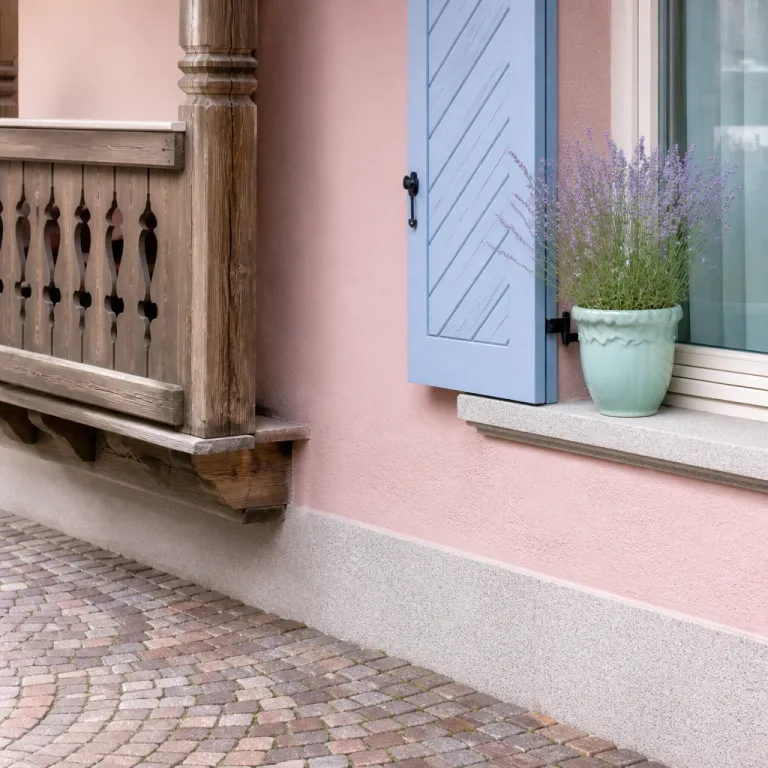
Bolzano sits at the confluence of the Isarco and Talvera rivers, a city of roughly 108,000 people that serves as the capital of South Tyrol and, in many ways, as the hinge between the Italian and Germanic worlds. The bilingual street signs tell part of the story. Every road has two names, every square two identities. Known as Bozen in German, the city shifts block by block from Mediterranean piazzas to Tyrolean gabled facades. This is not a city that chose one tradition over the other. It absorbed both, and the resulting character makes it an ideal destination for travellers who discover that the Alps hold more than mountains.
For anyone seeking a hotel in the city center, Bolzano offers something that mountain resorts cannot: genuine urban texture layered over a setting of extraordinary natural beauty. The Dolomites are visible from the main streets. The Renon plateau rises directly above. Vineyards climb the green slopes to the south. And the old town, compact and walkable, holds enough cultural substance to reward several days of exploration without ever leaving the city limits. It is a great base for the region and a destination in its own right.
The Heart of the City, Walther Square and the Arcades
Piazza Walther, named after the medieval poet Walther von der Vogelweide, functions as the gravitational center of Bolzano. The cathedral rises on its southern edge, a Gothic structure whose patterned roof tiles catch the light in ways that reward repeated glances. Cafes line the square, and the terrace culture here leans unmistakably Italian, all espresso and aperitivo, while the buildings around it carry the solidity of Austrian construction. Hotels located near Walther Square place guests at the intersection of these influences, within steps of the cathedral, the main shopping streets, and the principal transport connections. It is the perfect place to book a stay in the heart of South Tyrol.
The arcades, known as the Lauben in German and Via dei Portici in Italian, extend from the square into the old town as an unbroken corridor of medieval commerce. Established by the Bishops of Trento in the twelfth century, these covered walkways sheltered traders moving goods between Italy and the Germanic north. The round arches and painted facades remain largely intact, and the shops beneath them have evolved from trading houses to a mix of boutiques, delicatessens, and traditional South Tyrolean retailers. Walking the arcades on a winter afternoon, with the smell of speck and fresh bread drifting from doorways, is one of those excellent experiences that locates a city in time and place more effectively than any guidebook.
Hotels in the old town benefit from this density of experience. The pedestrian zone that encompasses Walther Square, the arcades, and the surrounding streets creates an environment where exploration happens naturally, without planning or request for transport. A guest staying in the center can walk from their room to a Romanesque church, through a medieval market, past a contemporary art museum, and into a wine bar serving local Lagrein, all within fifteen minutes.
Hotels in Bolzano, What to Expect in the Center
The hotel landscape in central Bolzano reflects the city's dual identity. Properties range from historic establishments, the traditional albergo or Stadt Hotel with generations of hospitality behind them, to contemporary boutique hotels that engage with the city's architectural heritage through modern design. What most share is a commitment to location. A hotel in the center of Bolzano is typically located a short walk from Walther Square, from the main museums, and from the Renon cable car, which provides access to the green plateau above the city in twelve minutes.
Rooms and suites in the better city center hotels tend to be furnished with an attention to materials that reflects South Tyrolean craft traditions. Local woods, natural fabrics, and a colour palette drawn from the surrounding landscape appear consistently. Comfortable rooms with views either toward the Dolomites or over the rooftops of the old town are common, and some properties have rooftop terraces or garden spaces that stands as a quiet counterpoint to the urban activity below. Many an excellent hotel in Bolzano offers this blend of mountain air and city sophistication.
The concept of fresh mountain air runs through the hospitality culture here. Several hotels in the center make a point of their proximity to the mountains, positioning themselves as places where urban convenience and alpine freshness coexist. This is not mere marketing. Bolzano is located at the meeting point of three valleys, and the air quality, even in the city center, carries a clarity that visitors discover quickly and find difficult to forget.
Booking a hotel in Bolzano center rewards those who plan with some care. The best rooms with south-facing views or suites overlooking the cathedral fill reliably during festival periods and the summer months. A reservation made in advance, particularly for stays during the celebrated Christmas market season, ensures the pick of the available rooms. All rights reserved, naturally, for early planners.
The Museum Quarter and Cultural Anchors
The South Tyrol Museum of Archaeology, located on Via Museo at the entrance to the pedestrian zone, houses one of the most significant archaeological discoveries of the twentieth century. The Iceman, known as Otzi, was found in 1991 in the Otztal Alps and dates from roughly 3300 BCE. The museum displays the mummified body alongside his original clothing, tools, and equipment, and the exhibition places these artefacts within a broader narrative of Copper Age life in the Alps. For a traveller staying in the center, the museum is likely within a ten-minute walk from any hotel near Walther Square. It is a great destination for those who find deep time as compelling as mountain scenery.
Museion, the museum of modern and contemporary art, occupies a striking glass-and-steel building that faces the Talvera River. Its programme rotates through international exhibitions with a particular focus on the intersection of art and alpine identity. The building itself is as much a statement as anything inside it, and its cafe overlooking the river is a perfect stop between gallery visits.
Castel Roncolo, known as Runkelstein Castle, sits on a rock spur above the Talvera gorge at the northern edge of the city. Built in 1237, it contains the largest surviving cycle of secular medieval frescoes in Europe. Scenes of courtly life, hunting, tournaments, and episodes from the legends of Tristan and Isolde cover the walls with a vivacity that any guest with an interest in medieval culture will find remarkable. The castle is reachable by a pleasant walk along the river from the city center, a route that passes through green public parks along the Passeggiata del Talvera.
The Messner Mountain Museum at Sigmundskron Castle, a short distance south of the center, adds another dimension. Created by Reinhold Messner, the legendary mountaineer, the museum invites visitors to discover humanity's relationship with mountains through art, artefacts, and architecture. The views from the castle walls across the Adige Valley toward the surrounding peaks are themselves a great reason to request a half-day excursion from any hotel base in Bolzano.
The Renon Cable Car and the Plateau Above
The Renon cable car departs from a station five minutes on foot from both the main train station and the old town. The ride takes twelve minutes, with gondolas departing every four minutes, and delivers passengers to Soprabolzano on the Renon plateau at roughly 1,200 metres above sea level. The transition is remarkable. Within minutes, the urban landscape gives way to alpine meadows, scattered farmsteads, and panoramic views across the Dolomites that extend, on clear days, from the Schlern massif to the distant Ortler group.
On the plateau, the Renon narrow-gauge railway connects several villages, passing through a landscape of earth pyramids, peculiar geological formations created by erosion that stand like sentinels along the route. The combination of cable car, historic railway, and plateau walks makes a half-day excursion from a city center hotel in Bolzano one of the more rewarding day trips available anywhere in the Alps, all achievable without booking a car.
Hotels in the center often recommend the Renon excursion to guests seeking a mountain experience without a full day commitment. The proximity is the main point. A guest can breakfast at their hotel room, ride the cable car to the green plateau, walk through meadows with excellent Dolomite views, lunch at a traditional Buschenschank farm inn, and return to Bolzano in time for an afternoon at the museum or an evening passeggiata through the arcades. It is an ideal itinerary for those who stay in the city but want mountain air within easy reach.
Wine, Food, and the South Tyrolean Table
Bolzano sits at the northern end of the South Tyrol Wine Road, a route that threads through vineyards producing some of the most distinctive wines in Italy. Lagrein, a red grape indigenous to the Bolzano basin, yields wines of considerable depth and character. Gewurztraminer, which takes its name from the nearby village of Tramin, performs with particular intensity in this climate. Hotels in the city center are well positioned for wine exploration, with several estates accessible within a comfortable journey by bus or on foot.
The food culture in Bolzano navigates the same dual identity as the city itself. A single meal might begin with a plate of speck, the juniper-smoked ham that stands as South Tyrol's most recognisable culinary product, continue with canederli, bread dumplings served in broth or with butter, and conclude with strudel filled with local apples. The best restaurants in the old town move fluidly between Italian and Tyrolean registers, and the daily fruit market supplies ingredients that reflect the region's agricultural abundance. For hotel guests, the density of dining options in the city center ensures variety without the need for transport. Request a recommendation from the hotel reception, and the response will invariably include places within walking distance.
Getting to Bolzano and Practical Info
Bolzano is connected by rail to Verona, Innsbruck, and Munich, making it one of the most accessible alpine cities in Europe. The main train station sits at the western edge of the center, a comfortable ten-minute walk from Walther Square and the old town. For travellers arriving by air, Verona and Innsbruck airports are the nearest options, each roughly an hour away.
Within the city, public transport is efficient. The urban bus network covers the center and surrounding areas, while the Renon cable car and funicular to San Genesio provide mountain access. Most hotels in the center are located within the compact pedestrian zone, and the city's scale means that attractions, restaurants, and transport hubs are all reachable on foot. Booking is straightforward through any hotel's direct channels, and for the best room selection, an early reservation is advisable.
Bolzano is the right choice for travellers who want alpine proximity with urban substance. It suits those drawn to culture, architecture, and food as much as to mountains. Hotels in the city center place guests at the heart of all of it: two languages, two culinary traditions, a medieval core, excellent museums, and the Dolomites waiting at the end of a twelve-minute cable car ride. It is a destination that any visitor who takes the time to discover its layers will find difficult to leave. The best way to experience Bolzano is to book a comfortable room in the center and let the city reveal itself at its own unhurried, perfectly balanced pace.