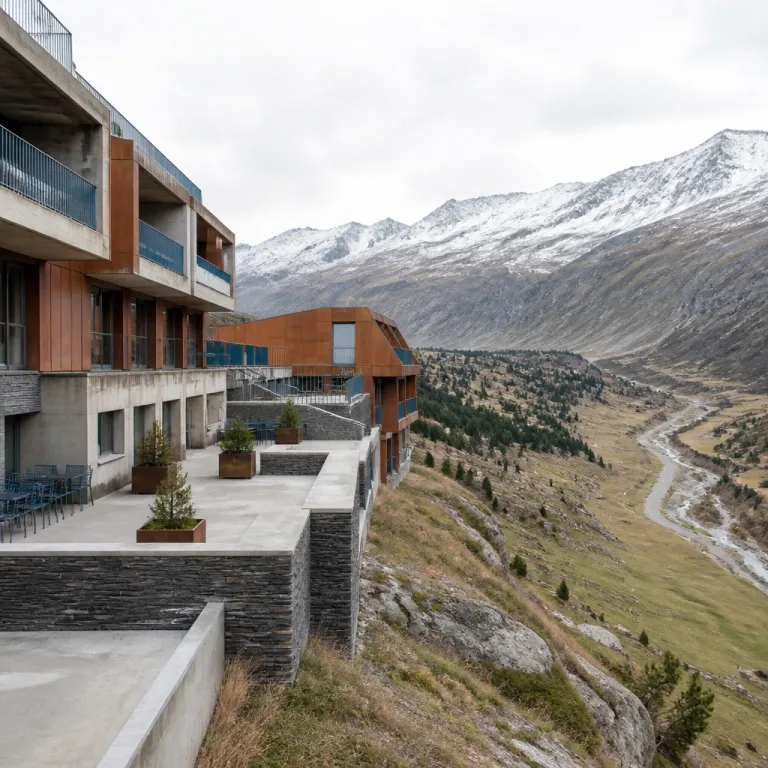
Mountain Hotels in Kandertal Valley Switzerland
Why Kandertal Valley works for a mountain stay
Steep green slopes, a narrow riverbed and a string of quiet villages define the Kandertal Valley long before you see a hotel façade. This is not a showy resort strip but a lived-in Alpine corridor where farmhouses, guesthouses and mountain hotels share the same steep pastures. If you are choosing between several Swiss Alps valleys, Kandertal suits travelers who value hiking access, local character and an authentic rhythm over nightlife and shopping.
The main hub, Reichenbach im Kandertal, sits roughly midway between Thun and the higher side valleys, with the railway line and road running along the Kander river. Trains from Thun take around 25 minutes, and from Spiez about 10 minutes, which makes the village easy to slot into a wider Bernese Oberland itinerary. From here, you fan out towards Kiental, Griesalp or up towards the Adelboden–Lenk area, each offering a different type of stay and a different style of mountain views. The location works especially well if you want to combine quiet days in the valley with day trips to the wider Bernese Oberland.
Expect hotels that lean into traditional Swiss architecture, wood balconies and gabled roofs rather than glass-and-steel statements. Many properties are long-established houses that have gradually added modern comforts such as contemporary bathrooms, flat screen televisions and improved insulation, while keeping creaking staircases and carved timber. The result is a valley where the best stays feel rooted, not designed by committee, and where the landscape still sets the tone.
Choosing the right base: Reichenbach, Kiental or higher up
Reichenbach im Kandertal works as the practical base. You are close to the railway, the main road and the small village-center services, with bakeries, a few shops and easy transfers to other Bernese Oberland sites. Hotels here tend to offer straightforward access, more accessible parking options and a wider choice of room types, from compact doubles to larger family rooms that can comfortably fill with gear after a day outside.
Representative options include Hotel Bahnhof Reichenbach, directly opposite the station with simple rooms and a mid-range price level, and Hotel Des Alpes on the main street, which combines traditional décor with a small in-house restaurant. Both are typical of Reichenbach’s accommodation: practical, friendly and well placed for public transport connections.
Kiental, reached by a winding road that peels off near Reichenbach, feels immediately more remote. The village is smaller, the valley walls closer, the sense of enclosure stronger. Staying here suits guests who want direct access to hiking trails from the door, less traffic and a slower pace. You trade some convenience – fewer restaurants, fewer late buses – for immersion in the landscape and more dramatic mountain views.
Higher up towards Griesalp, at over 1 400 metres, the atmosphere shifts again. Here, hotels are firmly in mountain territory, surrounded by pastures and peaks rather than streets and shops. Griesalp Hotels, a cluster of historic houses with around three-star comfort, and Berggasthaus Golderli, a rustic mountain inn, are typical of the accommodation style: simple rooms, hearty food and strong emphasis on the outdoors. This is where you stay if your priority is to step out early onto high trails, watch the light change on the Blüemlisalp massif and return to a hot meal in a hotel restaurant rather than to a city stroll. The trade-off is simple: superb scenery, less flexibility.
What to expect from rooms, comfort and services
Rooms in Kandertal Valley hotels tend to be functional first, charming second. Think wooden floors, solid beds, thick duvets and large windows framing the valley or forest rather than elaborate design pieces. When you book, pay attention to the room type descriptions: some will specify a guaranteed mountain view or balcony, others will face the village street or garden. For a longer stay, that detail matters more than any marketing adjective, especially if you plan to spend time reading or relaxing in the room.
Many properties have gradually integrated modern amenities into historic shells. You will often find flat screen televisions, updated bathrooms and better soundproofing, while staircases, beams and proportions remain resolutely traditional. Do not expect the spa infrastructure of large beach hotels; in this valley, wellness is more likely to mean a small sauna, a relaxation room or simply the ability to walk five minutes and be in open pasture. Some hotels, such as the Griesalp complex, offer compact wellness corners with a sauna or hot tub, but large-scale spa facilities remain the exception.
Services follow the same pattern. Friendly staff, often local or long-settled in the region, tend to know the hiking routes, bus timetables and seasonal quirks by heart. They can usually point you to the nearest trailhead, recommend a family-friendly walk or explain how to reach the next valley by public transport. Some hotels offer accessible parking or even free parking on site, which is valuable if you are driving up narrow mountain roads. Pets are sometimes allowed, but policies vary, so it is worth checking in advance if you plan to travel with a dog.
Dining, hotel restaurants and local flavour
Breakfast in Kandertal usually smells of fresh bread and alpine butter rather than industrial buffets. Many hotels serve regional cheeses, cold cuts and homemade jams, often in a dining room lined with wood panelling and windows onto the valley. It is a simple but satisfying ritual before a day of hiking or exploring the Bernese Oberland, and a good moment to ask staff about current trail conditions or bus times.
Hotel restaurants are central to the experience here, especially in Kiental and the higher hamlets where independent restaurants are few. Expect menus that lean on local cuisine: rösti, seasonal game, soups and robust vegetarian dishes built around mountain potatoes and cheese. In the evening, the dining room often becomes the social core of the property, with guests comparing routes and weather rather than scrolling through guest reviews. In Reichenbach, Hotel Des Alpes and similar village inns illustrate this pattern, combining straightforward rooms with a restaurant that also serves locals.
For those who like to alternate, Reichenbach’s main street, around Bahnhofstrasse and the small square near the station, offers a handful of additional options within walking distance of several hotels. You will not find the variety of a larger city, but you will find enough to vary your stay over several nights. If a spa is important to you, look for properties that explicitly mention wellness facilities rather than assuming every hotel will offer them, and check whether access is included in the room rate or charged separately.
Nature, hiking access and seasonal rhythm
Trailheads are the real luxury in Kandertal Valley. From Reichenbach, buses and mountain roads lift you quickly into side valleys, while from Kiental and the upper hamlets you can often start hiking directly from the hotel door. Routes range from gentle riverside walks to more demanding ascents towards high passes and viewpoints over the Swiss Alps. Popular options include paths towards the Blüemlisalp region, balcony trails above Kiental and family-friendly loops along the Kander river.
Summer and early autumn are the prime seasons for hiking, with meadows in bloom and long daylight hours. In these months, hotels can fill quickly on weekends, especially those with the best mountain views or immediate trail access. Booking early is wise if you have specific dates or a preferred room orientation. Winter brings a quieter, more introspective atmosphere, with snow-covered roofs and a slower pace, though this valley is less about major ski domains and more about snow walks, sledging and calm. Shoulder seasons can be rewarding too, but some higher routes and mountain hotels may close between main holiday periods.
Day trips are straightforward. From Reichenbach im Kandertal, you can reach Thun’s lakeside promenade in under an hour by train and bus, or connect towards the Adelboden–Lenk region for a different style of mountain day. Spiez, with its castle and lake views, is even closer. This makes the valley a good choice if you want a base that feels rural yet still allows you to sample other Bernese Oberland sites without changing hotels every night.
Practicalities: access, parking and what to check before booking
Reichenbach im Kandertal lies on the main rail line between Spiez and Kandersteg, which makes arrival by train easy. From the station, local buses and taxis distribute guests up the side valleys towards Kiental and the higher hamlets. Timetables are usually coordinated with regional trains, but evening services can thin out, so it is worth checking the last bus times for your travel dates. If you are driving, the main road up the valley is well maintained, but the final stretches to smaller villages can be narrow and winding, especially in winter conditions.
Parking policies vary. Some hotels in and around the village centers offer free parking directly on site, others provide paid or limited spaces, and a few rely on public car parks nearby. When you compare options, look specifically for mentions of accessible parking or guaranteed spaces if mobility or luggage is a concern. In the higher parts of the valley, car access can be more restricted, which adds to the sense of seclusion but requires a bit more planning. In some cases, you may leave the car in a valley car park and continue by post bus or on foot.
Before you commit, verify a few key points: check time for arrival and departure (some properties have relatively early check-out), clarify whether pets are allowed if relevant, and read how the hotel describes its location in relation to the nearest bus stop or village center. In a valley where a few hundred metres can mean a steep climb, those details shape your daily rhythm more than any abstract star rating. It is also worth confirming whether tourist taxes include local transport benefits, as some Bernese Oberland communities offer discounted or free bus use with an overnight stay.
Who Kandertal Valley suits best
Travelers who choose Kandertal Valley usually know they are not booking a classic resort. They are trading big-city distractions for mountain silence, and extensive spa circuits for the simplicity of a hot shower after a long walk. If your ideal stay revolves around hiking, reading on a balcony with a mountain view and unhurried dinners, this valley aligns closely with your expectations and rewards a slower pace.
Families appreciate the manageable scale of the villages and the straightforward layouts of most rooms. You will find fewer hyper-designed suites and more practical configurations that can quietly fill with boots, backpacks and children’s jackets. Couples looking for privacy and scenery rather than nightlife will also feel well served, especially in Kiental and the higher hamlets where evenings are calm. Small groups of hikers often base themselves in Reichenbach or Kiental to combine easy transport with direct access to marked trails.
If you crave shopping streets, bar-hopping or the buzz of larger Swiss cities, you may be happier basing yourself closer to Interlaken or in a more developed resort and visiting Kandertal on a day trip. For those who value authenticity, direct access to trails and a slower, more grounded pace, the valley’s hotels offer exactly what they promise: mountain stays where the landscape, not the lobby, is the main event.
Mountain Hotels in Kandertal Valley Switzerland
Kandertal Valley in the Bernese Oberland is a strong choice if you want authentic Swiss Alps scenery, direct access to hiking and a calm, village-based atmosphere rather than a busy resort. Hotels here are generally traditional properties with modern comforts, often offering mountain views, on-site restaurants and practical services such as parking and clear room type options. Reichenbach im Kandertal suits travelers who want transport connections and a small village-center feel, while Kiental and the higher hamlets appeal to guests seeking immersion in nature and quieter evenings. Before booking, compare location, parking, pet policies and check-in/check-out times, as these details will shape your stay more than decorative extras.
FAQ
Is Kandertal Valley a good base for hiking in the Swiss Alps?
Yes, Kandertal Valley is particularly well suited to hiking, with easy access to a wide range of trails in the Bernese Oberland. From Reichenbach im Kandertal you can reach side valleys and higher starting points by bus or car, while in Kiental and the upper hamlets many routes begin directly near the hotels. This makes the valley an efficient base if you want several days of varied walks without constantly changing accommodation, and a good alternative to busier Swiss Alps resorts.
Are the hotels in Kandertal Valley family-friendly?
Most mountain hotels in Kandertal Valley are used to welcoming families and offer practical room configurations rather than elaborate suites. You will often find larger rooms or simple family rooms that can accommodate extra beds, along with straightforward services and a relaxed atmosphere. The villages themselves are compact and calm, which tends to work well for families who prioritise safety and outdoor time over urban entertainment, and who appreciate being close to easy walking paths.
What kind of amenities can I expect in Kandertal Valley hotels?
Amenities focus on comfort and practicality rather than luxury excess. Many properties offer comfortable beds, modern bathrooms, flat screen televisions and on-site restaurants serving local cuisine. Some hotels provide small wellness areas such as a sauna, and several offer free or easily accessible parking, but large spa complexes and resort-style facilities are less common than in bigger Alpine destinations. If you need specific services such as luggage storage, late check-in or pet-friendly rooms, check the hotel description carefully before booking.
Do I need a car to enjoy a stay in Kandertal Valley?
You can enjoy the valley without a car if you base yourself in or near Reichenbach im Kandertal, which is on a main rail line and connected by bus to Kiental and other areas. A car, however, gives you more flexibility for reaching higher trailheads, exploring nearby sites and managing luggage, especially if you are staying in smaller hamlets. If you drive, check each hotel’s parking arrangements in advance, as some offer free parking on site while others rely on nearby public spaces or have a limited number of marked spots.
When is the best time to visit Kandertal Valley?
The best period depends on your priorities. Late spring to early autumn is ideal for hiking, with open trails, green pastures and longer days, though popular weekends can see hotels fill quickly. Winter brings a quieter, snow-covered landscape suited to peaceful walks and a slower pace, but the valley is less focused on large ski areas than some neighbouring regions, so it is better for tranquillity than for intensive downhill skiing. If you prefer fewer crowds and lower prices, consider late spring or early autumn, when the main routes are usually open but the villages feel calmer.