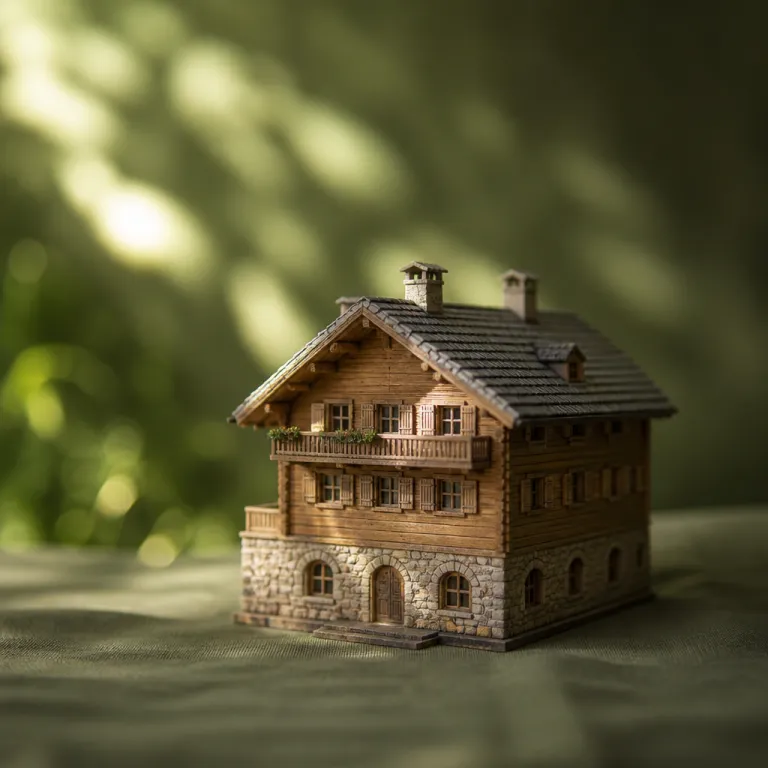
Where to Stay in Poschiavo Valley: Best Hotels and Rooms in the Swiss Alps
Why Poschiavo Valley is worth choosing for your stay
Stone bell towers, Italian voices on the square, Swiss precision in the timetables of the train: Poschiavo Valley in southern Switzerland sits in that rare seam where the Alps of Switzerland and Italy blur into one another. The result feels quietly luxurious rather than showy. People come here less for a scene and more for a sense of place: the curve of Lake Poschiavo at dawn, the way the mountains close in as you approach the Bernina Pass, the smell of wood smoke in the narrow lanes of the village.
For a hotel stay, this valley suits travelers who value atmosphere and story over spectacle. Guest rooms tend to be human in scale, often set in historic buildings with creaking staircases and thick walls, rather than in sprawling resort complexes. You trade ski-in, ski-out convenience for waking up in a room that looks directly onto a cobbled piazza or a line of larch trees. If you want to book a room that feels anchored in the Alps rather than interchangeable with any other mountain destination, Poschiavo is a strong candidate.
The location also works well for people combining Switzerland and Italy in a single journey. The valley lies on the route of the famous Bernina train line, which means you can arrive without a car and still move easily between the lakeshore, the village and the high mountains. Time here moves at a slower rhythm: long lunches on terraces, unhurried walks along the lake, evenings listening to the murmur of Italian and Romansh in the cafés. It is not a place to rush through; it is a place to inhabit for a few days and to return to in your memory long after you have checked out of your hotel room.
Atmosphere and setting: between lake, village and high Alps
Morning light on Lake Poschiavo is the valley’s quiet luxury. The water sits at around 960 metres, ringed by steep forested slopes and a scattering of houses that catch the first sun. From the lakeside path you look up to snow lines and, beyond them, the high plateau that leads towards the Bernina Pass. Nature feels close, but not remote; you are never far from a village, a small hotel, a place to sit with a coffee and watch the mountains change colour.
In the main village of Poschiavo itself, the mood shifts. Narrow streets such as Via da Mez and Via da Cumün are lined with painted façades, wrought-iron balconies and carved wooden doors that hint at the valley’s trading past. This is where you find the more historic hotels, some with centuries of story behind their walls. Rooms in these properties often open onto the central square or onto quiet inner courtyards, so you hear church bells and footsteps on stone rather than traffic. The most emblematic address is Hotel Albrici, a Poschiavo historic landmark on the main piazza, where guest rooms look directly onto the life of the village.
Higher up the valley, closer to the route of the Bernina train, the landscape becomes more dramatic. Peaks rise sharply, and in clear weather you can see the white sweep of glaciers from the carriage windows. Staying in this upper section suits travelers who want to step directly from their hotel into the mountains, with trails starting almost at the doorstep and less time spent commuting. Down by the lake, by contrast, the atmosphere is softer and more contemplative, ideal for people who prefer water, walks and long afternoons on a terrace simply enjoying the beautiful nature of the Alps.
What to expect from hotels and rooms in Poschiavo Valley
Rooms in Poschiavo Valley tend to be straightforward, comfortable and rooted in local materials. Expect a mix of polished wood floors, simple Alpine furniture and, in some of the more historic buildings, painted ceilings or old stone stairwells that tell their own story. Guest rooms are usually not vast, but they are well proportioned, with enough space for luggage and for a small seating area. Many hotels offer a variety of room types, from compact doubles to larger family rooms that can accommodate several people, so you can choose the size that fits how you like to spend your time indoors.
In the village centre, some properties occupy buildings that have been welcoming travelers since the nineteenth century. Here, the charm lies in the details: a slightly uneven corridor, a heavy key instead of a plastic card, a breakfast room that looks onto the square where the valley’s life unfolds. These are the places where you feel the weight of Poschiavo’s historic role as a trading stop between northern Switzerland and Italy. If you are sensitive to character and patina, this is where you will want to book a room, especially if you enjoy reading about the building’s history while you sit under old portraits.
Closer to Lake Poschiavo and along the road towards the Bernina Pass, hotels often lean more towards views and outdoor access. Rooms may open onto balconies facing the water or the mountains, with large windows that frame the changing light. This suits travelers who plan to spend much of their time outside, returning to the hotel mainly to sleep, shower and enjoy a well-prepared lunch or dinner. Across the valley, the overall standard is solid and quietly reliable rather than ostentatious, which aligns well with the understated nature of the region itself and makes it easy to find a beautiful but unpretentious room.
Historic charm versus contemporary comfort
Choosing a hotel in Poschiavo Valley often means choosing between layers of history and a more contemporary interpretation of Alpine comfort. Properties in the heart of the old village, especially around the main square, tend to occupy buildings that have stood since at least the mid-1800s. Their public spaces might feature frescoed ceilings, old portraits and thick stone walls that keep the rooms cool in summer. Staying here places you inside the living museum of Poschiavo historic life, where every corner seems to have a story and where the Italian language drifts up from the square.
These older houses, however, sometimes come with quirks. Room layouts can be irregular, corridors may twist unexpectedly, and not every guest room will have the same view or orientation. For some travelers, this individuality is part of the appeal; for others, especially those who prefer uniformity, a more modern property near the lake or along the valley floor may be a better fit. Contemporary hotels in the area often offer cleaner lines, more predictable room categories and a clearer separation between sleeping, bathing and living spaces, which some people find more relaxing after a long day on the train or in the mountains.
There is also a cultural nuance to consider. In the historic centre, the atmosphere leans strongly Italian in language, food and daily rhythm, even though you are firmly in Switzerland. Lunch can stretch, espresso is taken standing at the bar, and the square fills with people in the early evening. Closer to the Bernina Pass and the higher slopes, the mood feels more overtly Alpine, with a focus on hiking, mountain air and early starts. Deciding where to stay is therefore not just about the building, but about which side of the valley’s personality you want to inhabit and how you like to balance culture with pure landscape.
Food, lunch culture and the Italian-Swiss blend
Meals in Poschiavo Valley are not an afterthought; they are central to the experience of staying here. Many hotels run their own dining rooms, where breakfast might feature local cheeses, breads and fruit from nearby orchards, and where lunch and dinner lean into the Italian side of the valley’s identity. You will see risotti, handmade pasta and polenta alongside more classic Alpine dishes, often prepared with a lightness that reflects the influence of nearby Valtellina in Italy and the valley’s long trading links across the border.
Staying in the village centre gives you the richest access to this food culture. Step out from your room at midday and you are within a few minutes’ walk of several cafés and restaurants, some with tables spilling onto the square. This is where you feel the daily rhythm most clearly: workers taking a quick plate of pasta, families gathering for Sunday lunch, hikers returning from the mountains and rewarding themselves with a glass of local wine. Choosing a hotel here suits travelers who like to eat in different places rather than in the same dining room every night and who enjoy deciding each day where to sit down for lunch.
By the lake or higher up the valley, the offer is more focused but often more scenic. A hotel terrace overlooking Lake Poschiavo at sunset can be a memorable setting for a simple grilled fish or a plate of cured meats. The combination of Italian flavours and Swiss orderliness means service tends to be efficient but unhurried. If food is a priority for you, it is worth checking how central the property is, whether it has its own restaurant and how easy it is to reach the village for an evening stroll after dinner, especially outside peak season when opening times can change.
Access, the Bernina train and who the valley suits best
Reaching Poschiavo Valley is part of its appeal. The Bernina train line, one of the most scenic routes in the Alps, links the valley with other parts of Graubünden and with the Italian town of Tirano. From the carriage windows you watch glaciers, high lakes and the curve of the Bernina Pass unfold in slow succession, before descending into a landscape of chestnut trees and stone villages. Arriving this way sets the tone: you are here for mountains and nature, not for nightlife, and your first view of the lake often comes before you even step off the train.
This destination works particularly well for travelers who value quiet and authenticity. Couples looking for a few days of calm, solo travelers who enjoy walking and reading, and families who prefer lakeside paths to crowded resorts will all find the valley a good match. The scale of the hotels, with their limited number of rooms, helps maintain a sense of intimacy; you are unlikely to feel lost in a crowd. People who thrive on large spas, shopping streets and late-night bars may find the rhythm here too subdued, especially outside the main summer and winter holiday periods.
For planners, a few checks before you book a room make a difference. Look at the hotel’s exact position in the valley: village square, lakeshore or near the higher slopes each offer a distinct experience. Consider how much time you want to spend on the train or on foot, and whether you prefer to wake up to the sound of church bells or to the quiet of the lake. Above all, be clear about your priorities: history or views, village life or pure landscape. Poschiavo Valley rewards travelers who choose with intention and who enjoy letting a place’s story unfold slowly over a few unhurried days.
Is Poschiavo Valley a good choice for a first trip to the Swiss Alps?
Poschiavo Valley is an excellent choice for a first trip if you are looking for a quieter, more authentic corner of the Swiss Alps rather than a major resort. The combination of Lake Poschiavo, the surrounding mountains and the historic village centre offers a compact introduction to Alpine landscapes and culture. Access by the Bernina train makes it easy to reach without a car, and the scale of the hotels keeps the experience intimate and manageable for people who are just starting to explore Switzerland.
What type of traveler will enjoy hotels in Poschiavo Valley most?
Hotels in Poschiavo Valley suit travelers who value atmosphere, nature and local culture over extensive facilities. Couples, hikers, and people interested in the Italian-Swiss blend of language and food will feel particularly at home. Families who prefer lakeside walks and train rides to busy ski areas also tend to appreciate the valley’s calm rhythm and human-scale guest rooms, especially if they like to spend time together in simple but comfortable rooms rather than in large resort complexes.
How long should I stay in Poschiavo Valley?
A stay of two to four nights works well for most travelers. Two nights allow you to experience the village, take a ride on the Bernina train and walk along Lake Poschiavo. With three or four nights, you can add a full day of hiking near the Bernina Pass, enjoy a leisurely lunch in the village and still have time to simply sit on a terrace and watch daily life unfold, giving the valley enough time to leave a lasting impression.
Is it better to stay in the village or near Lake Poschiavo?
Staying in the village centre is better if you want easy access to restaurants, historic streets and the everyday life of Poschiavo. You step out of your hotel directly into the square and narrow lanes. Staying near Lake Poschiavo is preferable if you prioritise views, swimming and direct access to lakeside paths, accepting that you may be a little further from the densest cluster of dining options and that you will spend more time walking or on the train to reach the village in the evening.
Do I need a car to enjoy Poschiavo Valley?
You do not need a car to enjoy Poschiavo Valley, especially if you stay near the village or along the Bernina train route. The train connects the valley with other parts of Switzerland and with Italy, and local paths link the village, the lake and nearby hamlets. A car can be useful if you plan to explore more remote side valleys, but for a focused stay centred on the main valley, public transport and walking are usually sufficient and allow you to travel at the same unhurried pace as the place itself.