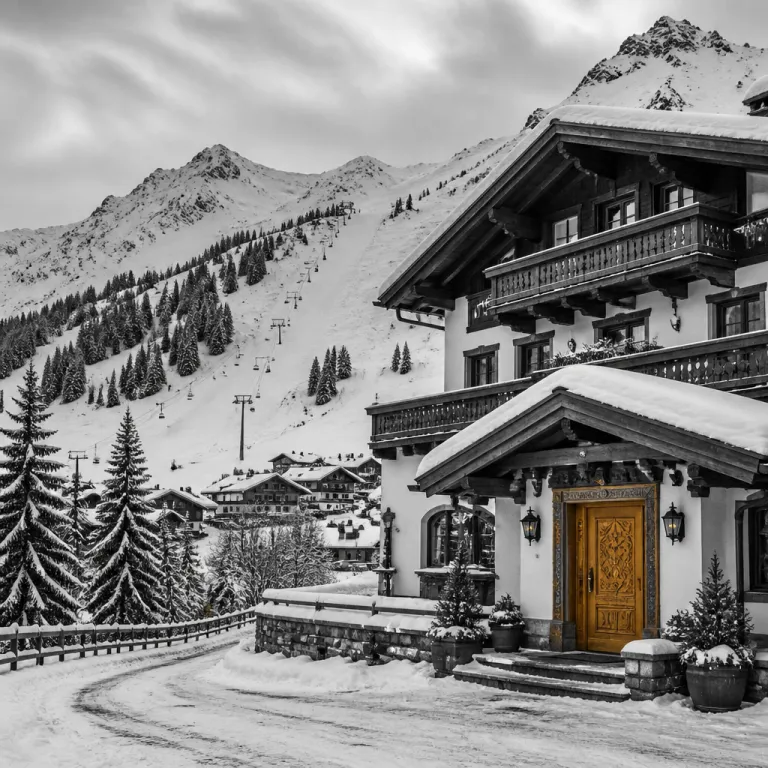
Why an Italian ski resort in the Alps elevates your winter stay
Choosing an Italian ski resort in the Alps means combining refined hospitality with dramatic mountain scenery in one seamless escape. Across this part of Italy, ski culture blends with gastronomy and contemporary alpine design, creating destinations where long days on the slopes end with memorable evenings in candlelit dining rooms and tranquil spas. For travellers who value attentive service and comfort, the best hotels here turn every winter stay into a curated, highly personal experience.
Italy counts around 300 ski resorts across the Alps and Apennines (source: Lonely Planet, 2023), and many of the most prestigious lie between Trentino, South Tyrol, and the Dolomites. In these regions, extensive ski areas connect multiple valleys, so skiers can cover many miles of ski slopes without repeating the same run. Luxury hotels position you close to high speed ski lifts, often within 50 to 200 metres of the nearest gondola, allowing you to move effortlessly from spa to piste and back again.
Dolomiti Superski, the largest linked ski area in Italy, offers 1,246 kilometres of slopes on a single pass (source: Dolomiti Superski, 2023–24 season). This network includes renowned destinations such as Alta Badia, Val Gardena, Val di Fassa, and Cortina d’Ampezzo, each with its own character and style of resort. When you book a premium hotel within this ski area, you gain access to some of the best ski terrain in Italy while enjoying elevated service standards, from private guides to tasting menus built around local mountain ingredients such as speck, mountain herbs, and regional cheeses.
Top Italian ski resorts in the Dolomites for luxury hotels
The Dolomites form the heartland of many travellers’ ideal Italian ski resort, especially for those seeking high end hotels and design-led chalets. Sheer limestone peaks frame gentle ski slopes, so both expert skiers and beginners can share the same dramatic panoramas. Within this area, several ski resorts stand out for refined accommodation, gourmet dining, and efficient ski lifts that keep queues short even in peak weeks.
Alta Badia is a prime example of a ski area where understated luxury meets traditional Ladin culture. Here, Michelin starred restaurants sit beside family run hotels, and many properties offer ski in ski out access directly onto the Sella Ronda circuit. Flagship addresses such as Hotel La Perla in Corvara or Rosa Alpina in San Cassiano illustrate how discreet service and serious cuisine can coexist with relaxed mountain warmth. This makes Alta Badia one of the best ski bases in resorts Italy for travellers who want to ski many miles each day yet return easily to a serene spa.
Further west, Val Gardena combines long, varied ski slopes with a sophisticated village atmosphere and a strong focus on design hotels. The resort links seamlessly into the wider Dolomiti Superski network, giving access to multiple ski areas without changing passes or transport. Properties such as the Gardena Grödnerhof in Ortisei or Hotel Tyrol in Selva showcase contemporary alpine interiors, extensive wellness areas, and thoughtful details like heated outdoor pools overlooking the Sella massif. For travellers comparing high end options across the Alps, guides to luxury ski resorts in France can help benchmark Italian properties against their French counterparts and highlight how Italian service, cuisine, and spa culture often feel more relaxed yet equally polished.
South Tyrol and Trentino: where Italian ski culture meets alpine precision
South Tyrol and Trentino offer a distinctive take on the Italian ski resort, shaped by both Italian and Austrian influences. In South Tyrol, ski resorts such as Val Gardena and Alta Badia pair Germanic efficiency with Italian flair, which appeals strongly to international skiers. Trentino, home to Val di Fassa, Val di Fiemme, and Madonna di Campiglio, adds a slightly more relaxed atmosphere while still delivering excellent ski lifts and meticulous grooming.
Val di Fassa sits at the centre of several Dolomites ski areas, making it ideal for guests who want to explore different slopes every day. Luxury hotels here often run private shuttles to the nearest ski lifts, with typical transfer times of five to ten minutes, so your stay remains seamless even if you are not directly on the piste. The combination of varied ski slopes and spa focused hotels makes this valley attractive for mixed ability groups and families.
Val di Fiemme is known for its cross country skiing and quieter downhill ski resorts, which suits travellers seeking a calmer winter experience. Madonna di Campiglio, by contrast, is one of the best ski destinations in Trentino for glamorous apres ski and stylish hotels around a compact centre. Here, five star properties such as Lefay Resort & SPA Dolomiti in nearby Pinzolo or Hotel Chalet del Sogno in Madonna di Campiglio itself combine ski concierge services with large wellness areas and fine dining. When planning where to stay across the wider Alps, resources such as a detailed guide to where to stay in the Bernese Oberland can help you compare Italian ski options with Swiss mountain resorts in terms of atmosphere, transfer times, and hotel facilities.
Val Gardena, Cortina d’Ampezzo, and the art of slopeside luxury
Some names recur whenever travellers discuss the best Italian ski resort for luxury stays, and Val Gardena and Cortina d’Ampezzo are always among them. Val Gardena’s three main villages, Ortisei, Santa Cristina, and Selva, offer a spectrum of hotels from discreet five star retreats to design led chalets. Many properties sit within a short walk of ski lifts, often 100 to 300 metres from the nearest cable car, which reduces transfer time and maximises your skiing hours.
Cortina d’Ampezzo, often called the “Queen of the Dolomites”, has long attracted an international crowd seeking both ski slopes and high fashion. The resort’s Corso Italia is lined with boutiques and elegant cafes, while the surrounding ski area offers dramatic views and varied pistes. For guests who value style as much as ski performance, Cortina’s hotels deliver refined interiors, attentive concierges, and curated apres ski experiences that might include private wine tastings or guided evening strolls through the historic centre. One recent guest at a central Cortina hotel described the appeal as “waking up to pink Dolomite peaks, skiing all day, then dressing for an aperitivo as if it were a small city, not a mountain village”.
Across these destinations, a growing number of properties focus on direct access to the ski area, sometimes allowing you to step from the ski room straight onto a groomed run. For inspiration on this type of stay, consult guides that highlight hotels positioned directly on alpine runs and explain how true ski in ski out access works in practice. When evaluating options, look for clear information about distance to ski lifts in metres, shuttle schedules, and whether the hotel offers heated ski storage and boot dryers.
Planning a luxury stay in an Italian ski resort: practical advice
Securing the right hotel in a leading Italian ski resort requires early planning, especially for peak winter dates between January and February. During this period, ski resorts across Italy reach maximum occupancy, and the best ski in ski out hotels often sell out months in advance. Booking early also helps you find interconnecting rooms or suites, which are limited in many traditional alpine properties and particularly sought after by families.
When comparing resorts Italy wide, start by clarifying your priorities between ski area size, village atmosphere, and level of service. Travellers who want extensive ski areas should focus on Dolomiti Superski, Monterosa Ski, or large Trentino domains, where ski lifts link multiple valleys. Those who value quieter slopes and intimate hotels might prefer smaller ski resorts in South Tyrol or less publicised corners of Val di Fiemme, where evenings are more about fireside drinks than late night clubs.
Practical details matter as much as aesthetics for a successful winter stay. Check transfer times in miles or kilometres from the nearest airport or train station, and verify whether the hotel offers private transfers or shared shuttles. As a reference, transfers from Innsbruck or Verona to major Dolomites ski resorts typically range from two to three hours by road in normal winter conditions (sources: regional tourism offices, 2023–24 season data). Always review the ski area map to understand where your chosen hotel sits relative to ski lifts, ski slopes, ski schools, and key apres ski venues, and ask the property directly if you need precise walking distances in metres.
How to choose between Italian ski resorts for different skier profiles
Not every Italian ski resort suits every type of skier, so aligning your choice with your skiing style is essential. Strong skiers who enjoy covering many miles each day often favour Dolomiti Superski, where 1,246 kilometres of slopes reward long range exploration. In this network, Alta Badia, Val Gardena, and Val di Fassa offer direct access to the Sella Ronda circuit, which links several ski areas in a single loop and lets you tour multiple valleys in one day.
Families and cautious skiers may prefer resorts with wide, forgiving ski slopes and excellent ski schools. Alta Badia and parts of Val di Fiemme excel here, combining gentle pistes with hotels that offer kids’ clubs, pools, and flexible dining. For these guests, the best ski choice is often a resort where ski lifts are close to the hotel, reducing the need to carry equipment long distances and making it easier to return quickly for rest breaks.
Travellers who prioritise atmosphere and apres ski might lean towards Madonna di Campiglio or Cortina d’Ampezzo, where stylish bars and lounges complement the skiing. Those seeking a quieter, more contemplative winter stay can look to smaller ski chalets and intimate hotels in lesser known corners of South Tyrol. Across all these destinations, remember that Italian ski resorts cater to every level, from complete beginners to experts, and that the core winter season typically runs from December to April, with January and February representing the busiest period for luxury hotels.
Key statistics for luxury and premium Italian ski resorts
- Italy counts around 300 ski resorts across multiple mountain regions, giving travellers a wide choice of ski areas and village styles (source: Lonely Planet, 2023 overview of Italian winter tourism).
- Dolomiti Superski offers 1,246 kilometres of interconnected slopes on a single pass, making it one of the largest linked ski areas in the world and a major draw for international skiers (source: Dolomiti Superski and Wikipedia, 2023–24 data).
- The core winter season in most Italian ski resorts runs from December to April, with January and February representing peak demand for luxury hotels and premium services (source: Italian tourism boards, recent seasons).
- Monterosa Ski links three valleys with around 180 kilometres of runs, providing an alternative to the Dolomites for guests seeking extensive terrain with a quieter atmosphere (source: Monterosa Ski, 2023–24 figures).
- Advanced snowmaking systems and groomed pistes now cover a high percentage of slopes in leading Italian ski areas, improving snow reliability during warmer periods and extending the viable season (source: regional tourism offices, recent reports).
FAQ about luxury stays in Italian ski resorts
What is the largest ski area in Italy for luxury travellers ?
The largest ski area in Italy is Dolomiti Superski, which offers 1,246 kilometres of slopes across several valleys and numerous resorts. Luxury travellers benefit from a wide choice of high end hotels in villages such as Alta Badia, Val Gardena, and Cortina d’Ampezzo. A single pass allows guests to ski multiple areas while returning each evening to a refined base with spa facilities and gourmet dining.
When is the best time to book a luxury hotel in an Italian ski resort ?
The best time to ski in Italy is generally January to February, which also marks the busiest period for hotel bookings. For premium properties in top resorts, it is wise to reserve several months in advance, especially for school holiday weeks. Travellers seeking quieter slopes and better availability might consider early December or March, when conditions often remain good in higher ski areas and prices can be more flexible.
Are Italian ski resorts suitable for beginners staying in luxury hotels ?
Many Italian ski resorts are very suitable for beginners, and this includes destinations with luxury hotels. Areas such as Alta Badia, Val di Fassa, and parts of Val di Fiemme offer gentle slopes, excellent ski schools, and well organised rental services. High end hotels in these resorts often provide concierge assistance with lesson bookings and equipment arrangements, making the learning process smoother and more enjoyable.
How important is ski in ski out access when choosing a premium hotel ?
Ski in ski out access can significantly enhance comfort, especially for families and keen skiers who value time on the slopes. Being able to walk a few metres from the ski room to the piste reduces reliance on shuttles and simplifies daily logistics. However, some non slopeside hotels compensate with frequent private transfers, so it is worth comparing total door to lift time rather than distance alone.
What should I check before confirming a luxury stay in an Italian ski resort ?
Before confirming a booking, review the hotel’s exact location relative to ski lifts, ski schools, and village amenities. Check transfer options from your arrival airport or station, spa and wellness facilities, and whether the property offers ski storage and boot warming. It is also helpful to confirm cancellation policies and any included services, such as half board dining, private guiding, or childcare, to understand the full value of your stay.
References
- Dolomiti Superski official information and ski area data.
- Monterosa Ski official resort and lift system details.
- Lonely Planet overview of ski resorts and winter tourism in Italy (2023 edition).