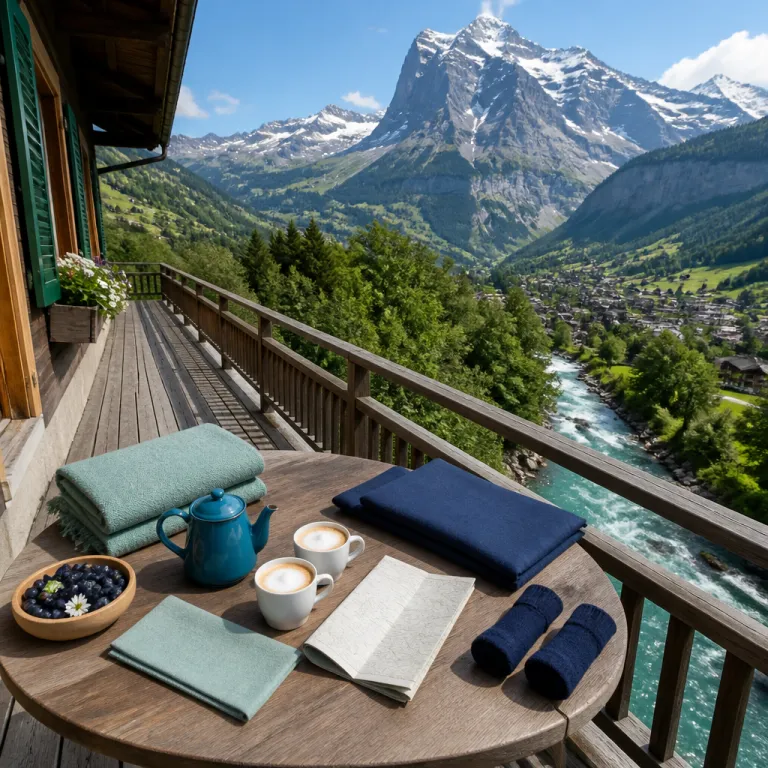
Grindelwald: when adventure infrastructure meets discreet luxury
Grindelwald sits at the heart of the Bernese Oberland, where luxury hotels in the Bernese Oberland lean into the drama of the Eiger rather than hide from it. This is a village where the Eiger Ultra Trail by UTMB runs beneath the north face and where the summer calendar quietly rivals winter, with distances from 16 km to 250 km and the flagship E101 covering 101 km with 6 700 m of elevation gain[1]. For guests choosing a hotel here, that blend of serious alpine sport and polished service defines the rhythm of a summer stay.
The Grindelwald Tourism Office describes the season with disarming clarity: “Hiking, biking, and sightseeing are popular.” That simple thought underpins how hotels in Grindelwald now design experiences, from early breakfast for runners to late checkouts for hikers returning from First or Männlichen. Many Bernese Oberland hotels offer luggage storage and shower access after checkout, turning a night hotel reservation into a full day base camp for the Jungfrau region. Typical summer nightly rates for well located four star properties range roughly from CHF 280 to CHF 450 for double rooms, with higher prices during major events.
High-end properties in Grindelwald position themselves between grand hotel heritage and contemporary mountain lodge comfort. Some sit close to the train station for easy access to the Jungfraujoch line, while others frame quieter views across the valley towards the Wetterhorn. For couples, a hotel spa with outdoor pool or hot tub facing the Eiger can be the perfect base after a long trail day, especially when the average July temperature around 18 °C[2] keeps evenings pleasantly cool.
The Eiger Ultra Trail has reshaped how hoteliers think about summer demand and how they price both mid range and top tier rooms. During race week, rooms in every category from simple Mürren hotel style guesthouses to five star properties in Grindelwald are booked by athletes, crews, and spectators. Outside those peak dates, luxury stays in the Jungfrau region often reward flexible travelers with quieter terraces, more attentive service, and space to enjoy the Swiss Alps without the race crowds.
Compared with Zermatt or St. Moritz, Grindelwald’s luxury scene feels more closely tied to the trail network and lift system than to shopping streets. Guests choosing hotels here are usually thinking about cable car timetables, sunrise on the Eiger, and whether their stay will align with clear weather windows. That focus on the landscape, rather than on pure glamour, is what makes the Bernese Oberland hotel offer distinct within the wider Swiss Alps.
The UNESCO Jungfrau-Aletsch landscape: how setting shapes every stay
The Jungfrau-Aletsch UNESCO World Heritage area gives the Bernese Oberland a different gravitas, and luxury hotels in the Bernese Oberland lean into that status with architecture and service that foreground the mountains. Properties in Grindelwald, Wengen, Mürren, and Lauterbrunnen share a common backdrop of glaciers, sheer cliffs, and the iconic trio of Eiger, Mönch, and Jungfrau. For guests, that means every hotel choice is partly a decision about which face of this alpine amphitheatre they want to wake up to.
In Grindelwald, many hotels Bernese properties open directly towards the Eiger, with balconies that frame the north face in almost cinematic fashion. Over in Wengen, the views swing towards the Lauterbrunnen valley and the Jungfrau, with car free streets keeping the soundscape to cowbells and church bells. Mürren and the Mürren hotel scene perch higher still, with Mürren Wengen panoramas that feel suspended between sky and rock.
UNESCO status also influences how hotels think about sustainability and guest movement. Car free villages like Wengen and Mürren rely on train station access and cable car links, so a hotel near these nodes offers both easy access and a lower impact way to explore the Jungfrau region. For couples, that translates into a stay where you step from your room to the platform or gondola in minutes, without ever needing a car.
Wine and dining have quietly caught up with the scenery, especially in properties that curate regional Swiss lists rather than defaulting to generic international bottles. If you care about what the mountains actually grow, look for hotels that echo the spirit of a refined alpine wine route, similar to the approach highlighted in this guide to a summer wine route through the Alps. In the Bernese Oberland, that might mean pairing lake fish with Fendant from Valais or serving local cheeses alongside crisp Swiss whites.
The UNESCO designation also shapes how trails are maintained and interpreted, which in turn affects hotel programming. Many properties now offer guided hikes, digital trail maps, and partnerships with local mountain guides to help guests understand the geology and culture beneath the postcard views. When you book luxury hotels Bernese Oberland in this core area, you are effectively buying into a curated relationship with one of Europe’s most carefully protected landscapes.
Compared with Chamonix, where the Mont Blanc massif often dominates everything, the Bernese Oberland spreads its drama across several valleys and viewpoints. That gives hotels in Grindelwald, Wengen, Mürren, and Lauterbrunnen room to develop distinct personalities while still sharing the same UNESCO narrative. For travelers, it means you can return to the Jungfrau region several times, change valley and hotel, and still feel you are exploring a coherent, evolving story.
Interlaken and the lakes: choosing your gateway to the high valleys
Interlaken remains the main gateway to the Bernese Oberland, and for many travelers it is where the decision between lake and valley stay is made. The town sits between Lake Thun and Lake Brienz, with trains and boats fanning out towards Grindelwald, Lauterbrunnen, and beyond. For couples planning luxury hotels Bernese Oberland, the question is whether to sleep by the water or head straight into the higher alpine villages.
Hotel Interlaken and other long established properties near the train station offer a practical first night hotel option after a long international journey. Staying here gives guests easy access to morning departures towards Grindelwald or Wengen, while allowing time to adjust to the pace of the Swiss Alps. Some travelers choose to split their stay, beginning with a lakeside hotel in Interlaken before moving deeper into the Jungfrau region.
Lakeside properties around Lake Brienz bring a different mood from the cliff lined Lauterbrunnen valley or the Eiger facing hotels in Grindelwald. The water softens the landscape, and evenings often revolve around terraces, boat rides, and long dinners rather than cable car schedules. If you are drawn to the idea of slow mornings by the water, look for inspiration in curated pieces on what Alpine lakeside hotels offer, then apply that lens to your Bernese Oberland planning.
Compared with the car free villages higher up, Interlaken is busier and more commercial, with a wider spread of mid range hotels and international restaurants. That can be an advantage if you want variety, nightlife, or flexible check in times before heading to a quieter valley. For many couples, one or two nights in a well located Interlaken hotel, followed by a longer stay in Grindelwald or Wengen, strikes the right balance.
Luxury hotels Bernese Oberland around the lakes also appeal to travelers who prioritize spa facilities and pool decks over immediate trail access. Here, a hotel spa with indoor and outdoor zones can become the main attraction, with day trips by train or boat into the mountains. If you are planning a longer stay, consider starting lakeside to unwind, then moving to a higher altitude hotel for the more intensive hiking or trail running days.
Grindelwald, Wengen, Mürren, Lauterbrunnen: choosing your valley and village
Once you leave Interlaken, the Bernese Oberland splits into distinct valleys and villages, each with its own hotel character. Grindelwald feels like the most energetic, with the Eiger looming above and a strong focus on adventure infrastructure. Wengen, Mürren, and Lauterbrunnen offer quieter alternatives, with car free streets or narrow valley floors shaping a different pace of stay.
Grindelwald is the obvious choice if you want to be at the centre of the Eiger Ultra Trail action and close to the First and Männlichen lift systems. Hotels here range from grand hotel style properties with full spa facilities to mid range lodges that still offer strong views and thoughtful service. For couples, the key is to decide whether you want to be near the train station for early departures or slightly above the village for more open valley views.
Wengen sits on a sunny terrace above the Lauterbrunnen valley, and its car free status gives it a calm, almost resort like atmosphere. Many hotels line the ridge with direct views towards the Jungfrau and down to the valley floor, making sunrise and sunset part of the daily ritual. The Mürren Wengen pairing is particularly appealing for travelers who like to split a week between two perspectives on the same mountains.
Mürren, reached by cable car and mountain railway, feels more remote and intimate, with a compact cluster of hotels and chalets. A Mürren hotel stay suits guests who value quiet evenings, big skies, and quick access to high level trails above the village. The car free layout and cliff edge setting make even mid range rooms feel special, especially when the weather clears over the Eiger, Mönch, and Jungfrau.
Lauterbrunnen itself, down in the valley, offers a different proposition again, with hotels close to the train station and the base of the cable car to Grütschalp. Here, the Lauterbrunnen valley walls rise almost vertically, and the sound of waterfalls replaces the open horizon of Wengen or Mürren. For some travelers, a night hotel in Lauterbrunnen before heading higher can be a practical way to manage late arrivals or early departures.
Property spotlights: from Grindelwald icons to valley classics
Within the wider landscape of luxury hotels Bernese Oberland, a few properties stand out as reference points for planning. In Grindelwald, Hotel Belvedere has long been a benchmark, with its elevated position giving guests some of the most direct Eiger views in the village. Rooms and suites here balance traditional Swiss touches with modern comfort, and the hotel spa becomes a sanctuary after long days on the trails.
Hotel Belvedere’s location slightly above the main street offers a sense of retreat while still keeping easy access to the train station and bus stops. For couples, that combination of privacy and practicality makes it a perfect base for a week that mixes hiking, cable car excursions, and perhaps a day trip to Interlaken or Lake Brienz. During the Eiger Ultra Trail period, the hotel often hosts both runners and spectators, giving the property a quietly charged atmosphere.
In Wengen, Hotel Silberhorn sits close to the train station yet manages to feel firmly rooted in the alpine landscape. Many rooms look straight towards the Lauterbrunnen valley and the Jungfrau, and the proximity to lifts makes it ideal for guests who want to step from breakfast to gondola in minutes. As a Hotel Silberhorn guest, you are well placed to explore both the Wengen side of the Jungfrau region and the connections towards Kleine Scheidegg.
Down in Interlaken, Hotel Interlaken remains a reliable choice for travelers who want character, garden space, and central positioning. The property works well as a first or last night hotel, especially for guests arriving late by train or planning early departures into the higher valleys. Its mix of room categories, from mid range options to more spacious suites, allows couples to tailor their spend while still enjoying a sense of history.
Across the Bernese Oberland, many hotels Bernese properties now complement traditional strengths with digital tools such as trail apps and online concierge services. That evolution aligns with the region’s broader move towards eco friendly tourism and smarter use of local transport, where passes and integrated tickets make car free travel easier. When you compare these hotels with counterparts in Zermatt or Chamonix, the emphasis here feels less about show and more about quietly efficient access to the Swiss Alps.
Summer lifts, trail culture, and how Grindelwald sets the regional tempo
The summer lift network is where Grindelwald truly sets the pace for the Bernese Oberland, and luxury hotels Bernese Oberland increasingly market themselves around proximity to key stations. From the village, cable car lines rise towards First and Männlichen, while trains climb to Kleine Scheidegg and on to Jungfraujoch. For guests, that means the choice of hotel can shave precious minutes off early starts or late returns, especially during busy periods.
Properties close to the Grindelwald Terminal and village train station are particularly attractive for trail runners and hikers who want easy access to the Eiger Ultra Trail routes. During race week, breakfast times shift earlier, spa hours stretch later, and laundry services become as important as wine lists. Hotels Bernese in this niche understand that a well timed shuttle or a flexible checkout can matter as much as a panoramic terrace.
The influence of trail culture extends beyond Grindelwald into Wengen, Mürren, and even quieter corners like Gimmelwald. While Gimmelwald itself has a modest hotel scene, its position on the cliff above the Lauterbrunnen valley makes it part of many multi day itineraries that link several villages. Couples who enjoy point to point hiking can use a combination of train, cable car, and footpaths to move between stays, turning the Jungfrau region into a continuous journey rather than a single base.
For travelers planning a summer trip, it pays to align hotel bookings with lift maintenance schedules and major events. Articles such as this guide to peak Alpine summer properties illustrate how certain weeks see sharper demand, especially around mid July when the Eiger Ultra Trail takes place. Booking early, especially for rooms with the best views or spa access, is essential if you want specific dates.
Compared with other Swiss Alps destinations, the Bernese Oberland now feels particularly tuned to summer, with more than 200 marked hiking trails around Grindelwald alone[3]. The average July temperature of around 18 °C[2] creates comfortable conditions for long days outside, and hotels have adapted with lighter menus, terrace focused service, and flexible housekeeping for guests who return muddy and late. In this context, Grindelwald’s blend of infrastructure and authenticity sets a tempo that the rest of the region follows, making it the natural reference point when choosing where to stay.
Statistics: key figures for planning a Bernese Oberland summer stay
- The average July temperature around Grindelwald is approximately 18 °C, according to the Swiss Meteorological Service[2], which makes long hiking and trail running days comfortable without excessive heat.
- The Grindelwald area offers around 200 marked hiking trails, based on data from the Grindelwald Tourism Office[3], giving guests an unusually dense network of options from gentle valley walks to demanding alpine routes.
- The Eiger Ultra Trail by UTMB features distances from 16 km to 250 km, with the flagship E101 covering 101 km and 6 700 m of elevation gain beneath the Eiger’s north face[1], concentrating high demand for hotel rooms in mid July.
- The peak summer period in the Bernese Oberland typically runs from mid July through August, when most lifts operate daily and local transport schedules are optimized for hikers and sightseers.
- Eco friendly tourism and digital travel guides are priority themes for local stakeholders, leading to increased use of transport passes, trail apps, and car free village planning in Wengen and Mürren.
FAQ: planning luxury hotel stays in the Bernese Oberland
When is the best time to visit Grindelwald and the Bernese Oberland in summer ?
The most reliable summer window for Grindelwald and the wider Bernese Oberland runs from mid July to the end of August. Trails are usually fully open, lifts operate on dense schedules, and average daytime temperatures around 18 °C make outdoor activities comfortable. This period also aligns with key events such as the Eiger Ultra Trail, which can influence hotel availability.
Which village is best as a first time base: Grindelwald, Wengen, Mürren, or Lauterbrunnen ?
Grindelwald works best if you want direct access to the Eiger, a wide choice of hotels, and strong lift infrastructure. Wengen and Mürren suit travelers who prefer car free streets and dramatic terrace views over the Lauterbrunnen valley. Lauterbrunnen itself is practical for short stays and onward connections, especially if you plan to move between several villages.
How far in advance should I book luxury hotels in the Bernese Oberland ?
For peak summer dates, especially around mid July and during the Eiger Ultra Trail, booking luxury hotels Bernese Oberland three to six months ahead is prudent. Rooms with the best views, spa access, or proximity to train stations and cable cars sell out first. More flexible travelers visiting in late June or early September may find good options with shorter notice.
Is it better to stay by the lakes in Interlaken or in the high valleys ?
Staying in Interlaken or by Lake Brienz offers easier arrival logistics, more dining variety, and a softer lakeside atmosphere. Choosing Grindelwald, Wengen, Mürren, or Lauterbrunnen places you closer to the main hiking and trail running routes, with stronger immersion in the alpine landscape. Many couples split their trip, starting with one or two nights by the lake before moving higher for the core of their stay.
Do I need a car to explore the Jungfrau region and its hotels ?
A car is not necessary and can even be a disadvantage, since Wengen and Mürren are car free and rely on trains and cable cars. The Bernese Oberland has an integrated public transport system, with passes that cover trains, buses, and lifts, making hotel to trail connections straightforward. Choosing properties near key stations or terminals ensures easy access without the stress of parking or mountain driving.