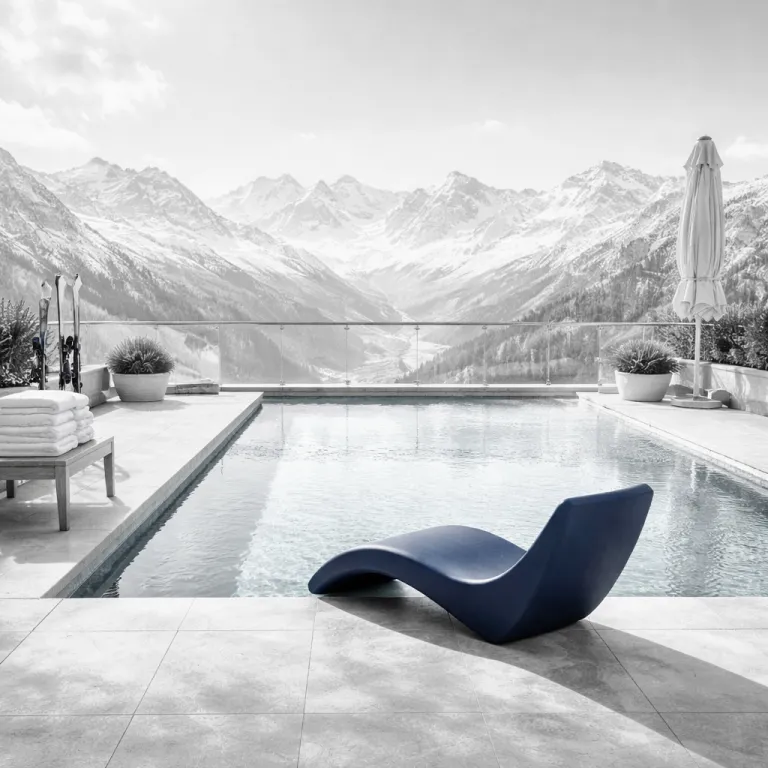
Why travel alps is no longer a winter only idea
Travel alps used to mean a single season, a single sport. Luxury hoteliers in the Alps now read climate data as closely as their revenue reports, because snow reliability is no longer a comfortable assumption. For business leisure travelers extending a work trip, this shift opens a different kind of mountain year, where a three day board meeting in Zürich quietly becomes five days of Alpine hiking, lake swimming and slow travel in the Swiss Alps.
Three forces are converging across the Alps and reshaping every premium hotel strategy. Climate volatility is shortening the dependable ski window, while wellness led guests increasingly prioritise hiking adventures, spa rituals and unhurried itineraries over pure downhill speed, and summer average daily rates in destinations like the Engadin or the Dolomites are steadily catching up to winter peaks. Operators, travelers and local authorities now treat the mountains as a twelve month asset, not a four month gamble, which is why you see Minergie certified properties, serious trekking tour programs and curated cultural excursions multiplying from northern Italy to the Lauterbrunnen Valley.
For you as a guest, this means the best alps stays are no longer defined only by ski in ski out access or a famous Mont Blanc view. The most interesting properties now curate guided hiking trekking itineraries, small group cultural excursions to a nearby town, and wellness focused level days that balance meetings with mountain air. When you plan your next trip, ask not just about the cable car schedule in January, but about the hotel’s train ride partnerships, its summer tour mont packages and whether its adventures alps programming feels as thoughtful in July as it does in February.
Where the year round model already works in the alps
Certain valleys quietly proved that a twelve month travel alps model is not theory but practice. The Engadin in Switzerland, with St. Moritz at its centre, has long paired winter glamour with summer sailing, high altitude hiking adventures and serious cultural programming, which keeps luxury hotels busy across many days of the year. When you stay in the Swiss Alps here, a single day might move from a guided alps hiking tour before breakfast to a design exhibition in town and a late train ride along the lake, all stitched together by a concierge who understands both sport and art.
Further west, Six Senses Crans-Montana has become a case study in how wellness led luxury can decouple revenue from snow depth. Its spa centric programming, plant forward dining and curated hiking trekking routes attract guests from Italy and Munich in equal measure, many of them extending business trips into long weekends that feel like a private adventure retreat. This is travel alps for executives who want a high service mountain experience where the best alps moments might be a sunrise yoga session facing Mont Blanc rather than a crowded cable car queue.
Across the border in northern Italy, the Dolomites show how a once winter focused region can now sell summer as confidently as snow. Properties around Alta Badia and Cortina d’Ampezzo invest heavily in guided hiking tour options, small group via ferrata adventures alps experiences and haute route style multi day itineraries that link several luxury hotels by foot, with luggage transferred by car. If you are flying into Milan for meetings, pairing that schedule with a few days of elegant escapes for skiing near Milan in the Italian Alps and then returning in summer for a hiking focused trip creates a year round relationship with the same mountain, the same staff and the same high standards.
Where the old winter monopoly is failing
Not every corner of the Alps is adapting at the same pace, and that matters when you book. The classic French station model above 2 000 metres, built almost entirely around ski weeks and reliant on a single cable car or glacier, struggles when snow lines retreat and shoulder seasons lengthen. Many of these concrete heavy resorts still treat summer as an afterthought, offering a token hiking tour or two rather than a coherent travel alps proposition that could attract discerning business leisure guests.
Austrian valleys dependent on glacier skiing face a similar reckoning, because the economics of snow making at scale are colliding with environmental pressure and shifting guest expectations. While places like the Arlberg are experimenting with shoulder season festivals, wellness retreats and curated alps hiking adventures, other areas remain locked into a winter only mindset that leaves hotels half empty for long stretches of the year. When you compare options, a property in Lech with serious summer programming and small group guided hikes will feel very different from a high altitude block in France Italy border resorts that still close their doors once the last ski tour ends.
For a business traveler planning meetings in Geneva, Zürich or Munich, this divergence is critical. Choosing a hotel that only understands winter means your potential extra days in the mountains become a compromise rather than an upgrade, with limited adventure options and little sense of place once the pistes close. Before you commit, study how the property talks about Lauterbrunnen Valley excursions, Mont Blanc panoramas, Italy Switzerland cross border train ride links or even a simple day trip to the Julian Alps, because a rich network of experiences signals a hotel that has already moved beyond the old ski season monopoly and may also be aligned with sustainable travel values.
How to choose future proof luxury stays for business leisure trips
For executives blending meetings and leisure, the most strategic travel alps decision is not the room category but the property philosophy. Look for hotels that treat the mountain as a year round partner, with programming that spans winter ski tour options, spring wellness weeks, summer hiking trekking and autumn culinary adventures alps experiences. Names like Schloss Elmau in Bavaria, Chenot Weggis on Lake Lucerne and Six Senses Crans-Montana show how serious operators now design level days that balance work, recovery and guided time outdoors rather than chasing only peak winter occupancy.
Practical signals matter when you scan a booking site or speak with a reservations team. A future proof hotel will highlight its access to train ride routes, its partnerships with local tour operators for small group hiking tour experiences, and its ability to arrange a private cable car ascent or a haute route style multi day itinerary linking France Italy and Switzerland in one coherent trip. It will also talk confidently about both Mont Blanc and lesser known ranges like the Julian Alps, positioning them as complementary options for different days and different energy levels during your stay.
To align your own plans with this new reality, build flexibility into your itinerary and into your expectations of what the best alps experience can be. Consider a meeting in Zürich followed by three days in the Swiss Alps, then a short hop to northern Italy for a town focused weekend that mixes culture, hiking adventures and serious dining, all booked through a platform that understands sustainable travel and year round mountain life. When you evaluate properties on stay in alps style criteria, ask how they handle shoulder seasons, whether they can arrange guided alps hiking for a small group of colleagues, and how they think about snow as one chapter in a longer mountain story rather than the whole book, then use resources like guides to Austria’s luxury ski season timing and insider advice on the best skiing in France for luxury stays to benchmark winter strength within that broader context.
Key figures shaping year round luxury travel in the Alps
- Switzerland welcomed millions of summer visitors in 2022 according to the Swiss Federal Statistical Office (FSO, tourism statistics), underlining how non winter demand now rivals traditional ski season peaks across the Swiss Alps.
- The Alps stretch for roughly 750 miles across eight countries as reported by AFAR and TravelPulse in 2023, which means travelers can combine multiple regions such as France Italy and northern Italy or Italy Switzerland in a single multi day trip.
- Year round programming at properties like Six Senses Crans-Montana, Schloss Elmau and Chenot Weggis reflects a broader industry trend where summer average daily rates are steadily catching up to winter levels in leading destinations, with several Swiss and Austrian resorts reporting strong warm season ADR growth since 2019.
Essential questions for planning a luxury trip in the Alps
Best time to visit the Alps ?
Best time to visit the Alps ? Depends on activities; winter for skiing, summer for hiking. For business leisure travelers, shoulder seasons can be ideal, because hotels are less crowded yet still offer strong wellness and hiking adventures programs. Align your travel alps dates with both your meeting schedule and the specific mountain experiences you value most.
Do I need a visa ?
Do I need a visa ? Depends on your nationality and the country visited. Because the Alps span multiple borders, always check entry rules for each France Italy or Italy Switzerland segment of your trip, especially if you plan a multi day haute route style itinerary. When in doubt, consult official government websites or your company’s travel department well before departure.
Are the Alps family friendly ?
Are the Alps family-friendly ? Yes, with activities suitable for all ages. Many luxury properties now design guided hiking tour options, small group adventures alps experiences and wellness programs that work for both children and adults, making it easier to extend a business trip into a family holiday. When you book, ask specifically about level days programming, kids clubs and safe alps hiking routes tailored to younger guests.