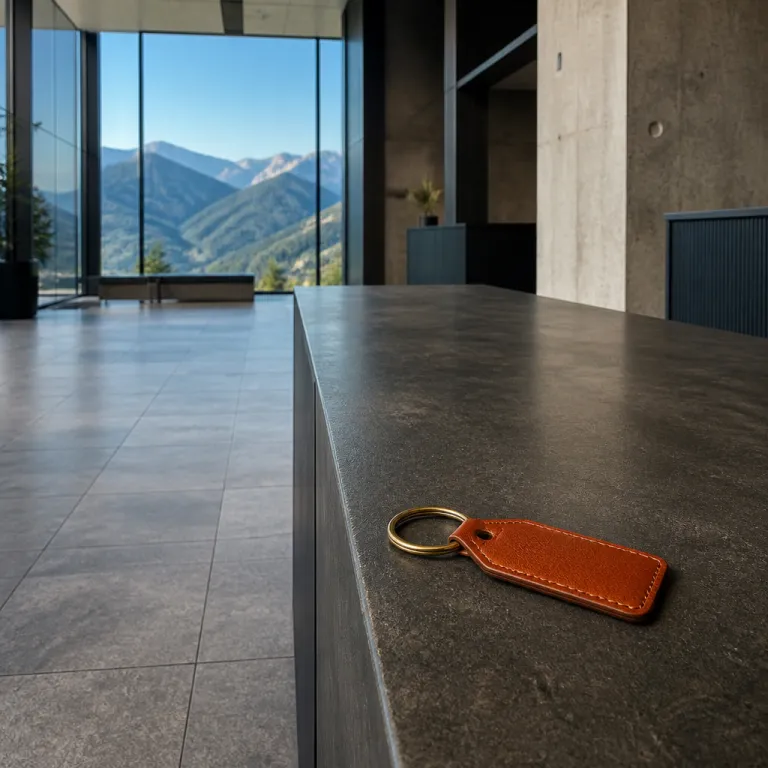
Why the Alpes Maritimes are a compelling hotel destination
Sea light on one side, Alpine ridgelines on the other; the Alpes Maritimes offer a hotel landscape you will not find elsewhere in France. In a single stay, you can sleep one night facing the Baie des Anges and the next under pine trees above the Gorges du Loup. This contrast is the real luxury here, more than any marble lobby or designer spa, and it shapes how you compare hotels and locations.
For travellers comparing destinations along the French Riviera, the département stands apart because it stretches from the urban style seafront of Nice to the quieter arrière-pays around Mouans-Sartoux and the plateau near the Parc naturel régional des Préalpes d’Azur. You are not choosing between beach and mountains; you are choosing your ratio of each. That is the key decision before any booking or hotel comparison, whether you are browsing boutique addresses or larger resorts.
Those who want a classic Côte d’Azur experience will gravitate to hotels located directly sur mer, within a few steps of the promenade and private beaches. Guests seeking a slower rhythm, cooler nights and more space will prefer hotels Alpes side, in the hills behind Cannes Mouans or above the Vallée du Loup near Tourrettes-sur-Loup. Both options can be superb, but they suit very different trips and travel styles, so clarifying your priorities before you search saves time later.
Quick picks: top hotels in Alpes-Maritimes at a glance
- Best for first-time visitors: A seafront hotel on the Promenade des Anglais in Nice, such as the historic Hotel Le Negresco.
- Best for beach and nightlife: A Croisette-side property in Cannes, for example Hôtel Barrière Le Majestic Cannes.
- Best for quiet inland stays: A country-style hotel around Mouans-Sartoux or Mougins with gardens and a pool.
- Best for families: A mid-range hotel between Valbonne and Biot with parking and easy access to both Cannes and Antibes.
- Best for hikers and cyclists: A small inn-style hotel in the valleys leading towards the Parc du Mercantour.
Top Hotels in Alpes Maritimes France: is this area a good choice for my stay ?
The Alpes Maritimes are an excellent choice if you want both the French Riviera and the first slopes of the Alpes in one trip. You can choose a hotel in Nice or Cannes for easy access to the beach, restaurants and urban style nightlife, or opt for a property in the hills around Mouans-Sartoux or the Loup valley for quieter nights and more space. The region suits travellers who enjoy contrast and are willing to think carefully about location before booking. If you value either sea views or mountain air — or ideally both over a few nights — this is one of the most rewarding parts of France to book a hotel.
Top hotels in Alpes-Maritimes: 7 notable places to consider
The list below is not exhaustive, but it highlights a range of well-known hotels across the Alpes-Maritimes, from iconic Riviera landmarks to quieter inland retreats. Price indications are approximate for a standard double room and vary by season and events.
- Hotel Le Negresco, Nice (luxury, seafront)
Typical nightly rate: around €350–€800 in high season, from about €220 off-peak.
Why stay: A Belle Époque palace directly on the Promenade des Anglais, with museum-like interiors and classic Riviera views over the Baie des Anges. - Hôtel Barrière Le Majestic Cannes (luxury, Croisette)
Typical nightly rate: roughly €400–€900 during summer and festivals, from about €250 in quieter periods.
Why stay: Prime position opposite the Palais des Festivals, private beach access and a glamorous atmosphere ideal for guests focused on nightlife and events. - AC Hotel by Marriott Nice (upper mid-range, city seafront)
Typical nightly rate: about €220–€450 in high season, from around €150 off-peak.
Why stay: Contemporary rooms a short walk from the Promenade des Anglais, with a rooftop pool and easy tram access to Nice airport and the old town. - Hotel Beau Rivage, Nice (mid-range, old town edge)
Typical nightly rate: approximately €180–€350 in summer, from about €120 in low season.
Why stay: Steps from both the beach and Vieux-Nice, this design-led hotel suits travellers who want to walk everywhere and enjoy the city’s markets and restaurants. - Hotel Martinez, Cannes (luxury, art deco seafront)
Typical nightly rate: around €380–€850 in peak periods, from roughly €240 in shoulder seasons.
Why stay: An emblematic art deco property on the Boulevard de la Croisette, known for its spacious rooms, private beach and classic Côte d’Azur glamour. - Le Mas Candille, Mougins (upscale, inland resort)
Typical nightly rate: about €260–€550 in high season, from around €190 off-peak.
Why stay: A landscaped estate above Cannes with pools, gardens and views towards the Préalpes, ideal for guests seeking calm while remaining within driving distance of the coast. - La Bastide Saint-Antoine, near Grasse (charming, gourmet focus)
Typical nightly rate: roughly €280–€600 in summer, from about €210 in quieter months.
Why stay: A Provençal bastide surrounded by olive trees, combining refined rooms with a gastronomic restaurant and easy access to Grasse and the first Alpine foothills.
Coastal stays: from Nice to the heart of the Riviera
On the seafront in Nice, hotels line the Promenade des Anglais like a continuous balcony over the Mediterranean. A room night here is about waking up to that particular blue, watching early swimmers cross the bay before breakfast. If you want to walk everywhere, a hotel in central Nice around place Masséna or avenue Jean-Médecin keeps you close to the tram, the Vieux-Nice markets and the beach in under 10 minutes on foot, with Nice Côte d’Azur airport usually 15 to 25 minutes away by tram or taxi.
Further along the coast, the strip between Cannes and Juan-les-Pins is denser, more theatrical. Here, a star hotel on or just behind the Croisette or boulevard de la République places you in the middle of the Riviera’s social stage. Expect restaurants that stay open late, bars with live music, and a constant flow of guests in evening dress crossing the lobby after dark. If you prefer quieter nights, look one or two streets back from the main seafront and marina, where room rates can also be slightly lower outside major events.
Coastal hotels in the Alpes Maritimes tend to offer more compact rooms than their inland counterparts, trading space for immediate access to the beach and marina life. When you check availability, pay attention to room descriptions; a “sea view” might mean a full-frontal panorama or a lateral glimpse from a balcony. For many travellers, that detail matters more than any abstract rating or generic category, especially when comparing prices that can range from around €150 in low season to several hundred euros in summer.
Hinterland and mountain: where the Alpes begin
Drive 25 minutes inland from Cannes and the atmosphere changes completely. Around Mouans-Sartoux and Mougins, hotels are often set back from the road, behind stone walls and cypress alleys, with gardens that smell of jasmine at night. Here, the focus shifts from the beach to space, shade and long lunches on terraces. It suits guests who want the Riviera’s access without its constant noise and late-night traffic, and who are comfortable with a 20 to 30 minute drive to the sea for occasional swims.
Continue north towards Grasse, Le Bar-sur-Loup or the plateau de Caussols and you enter the first folds of the Alpes. Hotels in these villages often feel closer to a logis hotel tradition, with fewer rooms, thicker walls and a stronger link to local life. You might dine in a restaurant where the same family has run the kitchen for decades, or sleep under old beams that keep the room cool even in August. The trade-off is distance; expect at least 40 to 50 minutes by car back to the sea, and plan fuel stops and parking in advance during high season.
Further still, near the high valleys towards the Parc du Mercantour, properties become more seasonal and oriented towards hiking, cycling and winter sports. A place like the area around the Route Napoléon, not far from the plateau where the Hôtel Artuby stands in the wider Provence Alpes region, illustrates the shift; nights are fresher, stars brighter, and the rhythm dictated by the mountains rather than the Riviera. Choose this if you care more about trailheads than sun loungers or nightlife, and if you are comfortable driving 60 to 90 minutes from the coast.
How to choose the right area for your stay
Location is the single most important filter when choosing a hotel in the Alpes Maritimes. Before you look at any rating or review, decide whether your days will be spent mostly on the beach, in town, or in the hills. A hotel Nice side, on or near the Promenade, is ideal if you plan to rely on public transport and want museums, markets and the sea within walking distance. You accept busier streets in exchange for that convenience and coastal buzz, and you can usually reach Cannes by train in about 30 to 40 minutes.
If your trip revolves around the glamour of the French Riviera — film festival venues, yacht harbours, late-night restaurants — then staying near the Croisette or in the central grid of Cannes makes sense. Here, room categories can vary widely even within the same star level; some rooms are designed for a short city break, others for longer stays with dressing areas and terraces. Read descriptions carefully rather than relying only on the number of stars or brand name, and check whether breakfast, parking or beach access are included in the nightly rate.
Travellers who prefer a more discreet base often choose the belt of villages between Mouans-Sartoux, Valbonne and Biot. From there, you can reach both Cannes and Antibes in around 20 to 30 minutes, yet return at night to quieter streets and cooler air. For a different mood again, the valley of the Loup near La Colle-sur-Loup and Tourrettes-sur-Loup offers hotels surrounded by les pins and olive groves, with views towards the gorge instead of the sea. It is a deliberate choice for guests who value landscape over address, and who do not mind planning their days around a car rather than a tram or train.
What to look for in rooms, restaurants and services
Room configuration in the Alpes Maritimes often reflects the building’s history. In older seafront properties, some rooms are compact but open onto balconies with superb views; others are larger but look towards the city or an inner courtyard. When you check availability, compare not only size but orientation and floor level. A higher floor on boulevard des États-Unis in Nice, for example, can mean less traffic noise and a wider sweep of the Baie des Anges, which many guests find worth a modest supplement.
Inland, rooms tend to be more generous, sometimes with direct access to gardens or pools framed by pine and cypress. Here, the luxury is silence at night and the ability to leave windows open to the scent of the surrounding maquis. If you are sensitive to light or sound, ask yourself whether you prefer the soft background hum of the city or the near-total quiet of the arrière-pays. It is a personal choice, not a question of better or worse, and it shapes how rested you feel, especially over a stay of three nights or more.
Restaurants are another key differentiator. Coastal hotels often feature Mediterranean menus built around fish, citrus and local vegetables, with terraces facing the sea. In the hills, you are more likely to find hearty Provençal dishes, game in season and desserts using local citrus or violets from Tourrettes-sur-Loup. Some properties follow a more urban style, with contemporary dining rooms and lighter menus; others lean into the logis tradition, with generous portions and a more familial atmosphere. Decide which table you want to come back to every night, and check whether half-board or tasting menus fit your budget.
Understanding ratings, reviews and the “logis” spirit
Star ratings in France are regulated, but they do not tell the whole story. A three star hotel in a 19th century building on rue de France in Nice might offer smaller rooms but a stronger sense of place than a more recent four star hotel on the outskirts. Use the rating as a baseline, then read between the lines of recent guest feedback to understand what people actually experienced during their stay. Look for patterns rather than isolated comments or outliers, and note how management responds to recurring issues.
In the Alpes Maritimes, you will encounter both international-style properties and smaller houses closer to the logis hotel tradition. The latter often prioritise personal welcome, local cuisine and a sense of continuity with the village around them. They may not have every facility you find in a large Riviera resort, but they can offer a more grounded experience of the region. This is particularly true in the valleys leading towards the high Alpes, where hotels function as social anchors for the community and as practical bases for walkers and cyclists.
When you read any review, pay attention to what matters to you specifically. Some guests focus on proximity to the beach, others on the quality of the restaurant, others again on the feel of the room at night. A property located a few minutes’ walk from the sea but with a calm, shaded garden might suit you better than one directly on the promenade. The art is to match your own priorities with the strengths of each address, rather than chasing an abstract “best”, and to balance nightly price with the experiences you actually plan to have.
Who the Alpes Maritimes suit best as a hotel destination
Travellers who enjoy contrast will get the most from a stay in the Alpes Maritimes. You can spend one day on the sand near Juan-les-Pins, another exploring the perfume ateliers of Grasse, and a third walking a balcony path above the Gorges du Loup. Booking two different hotels — one sur mer, one in the hills — over four or five nights is often more rewarding than staying in a single place. It allows you to feel both the Riviera and the first folds of the Alpes, and to compare coastal and inland atmospheres directly.
The region works particularly well for couples and small groups who value atmosphere as much as amenities. A compact room with a balcony over the port of Nice can be more memorable than a larger space without character. Families, on the other hand, often prefer inland properties with gardens, pools and easier parking, especially around Mouans-Sartoux or the villages between Cannes and Grasse. Here, children can move more freely, and evenings stretch out under the trees, with the option of day trips to the beach rather than a daily obligation.
For road-trippers crossing Provence Alpes towards Italy or back to Lyon, the département is a natural pause. A night near the coast breaks the journey with a swim and a walk along the promenade; a second night in the interior, perhaps near the plateau above the Loup valley, offers cooler air and starry skies. In both cases, the key is to align your choice of hotel with the specific chapter of your journey, rather than treating the Alpes Maritimes as a single, uniform stop, and to factor in realistic driving times between stages.
FAQ
What is the best area to stay in the Alpes Maritimes for a first visit ?
For a first visit, staying in or near central Nice works well because you can walk to the beach, markets and main sights, while also using trains and buses to reach other Riviera towns. If you prefer a slightly quieter base with easy access to both Cannes and Antibes, the belt of villages around Mouans-Sartoux and Valbonne offers a good balance between calm surroundings and coastal day trips, with typical driving times of 20 to 30 minutes to the sea.
How many nights should I plan in the Alpes Maritimes ?
Three to five nights is a comfortable range for a first stay in the Alpes Maritimes, allowing time for at least one full beach day, one day exploring inland villages, and another for Nice or Cannes. If you want to combine the coast with hiking or time in the higher Alpes, consider a week and split your room nights between a hotel sur mer and a second property in the hills, adjusting your budget for the fact that coastal nights are often more expensive in peak season.
Are inland hotels very far from the beach ?
Inland hotels around Mouans-Sartoux, Mougins or Valbonne are typically 20 to 30 minutes by car from the beaches of Cannes or Antibes, which many guests find acceptable for day trips. Properties deeper in the valleys towards the Préalpes d’Azur or the Mercantour can be 45 minutes to over an hour from the sea, so they are better suited to travellers who prioritise countryside and mountain activities over daily beach time and who are comfortable planning their days around driving.
How should I compare hotels beyond the star rating ?
Beyond the official star rating, focus on location, room orientation, and the style of the restaurant and common areas, as these shape your daily experience. Reading several recent guest reviews helps you see consistent strengths or weaknesses, such as noise levels at night, the atmosphere at breakfast, or how well the hotel’s setting — urban, coastal or rural — matches what you are looking for. Comparing photos and descriptions of room categories also clarifies whether a particular address suits a short city break or a longer holiday.
Is it worth staying in two different hotels during one trip ?
Staying in two different hotels can be very rewarding in the Alpes Maritimes because it lets you experience both the Riviera coast and the first Alpine foothills. Many travellers choose two or three nights in a hotel Nice or Cannes side for beach and city life, followed by a couple of nights inland near the Loup valley or the Grasse area for cooler evenings, quieter surroundings and a different perspective on the region. This approach adds one extra check-in, but it often makes the overall trip feel richer and more varied.