How Alpine gastronomy outgrew the “imported chef” era
Open any serious luxury hotel guide to the Alps today and the plate now matters as much as the piste. A decade ago, Alpine fine dining was largely a seasonal transplant, with Paris or Milan names flown in for winter residencies that treated the mountains as a glamorous backdrop rather than a primary terroir. Today the most interesting hotels in the French Alps, the Austrian Alps and Switzerland are led by chefs who commit for multiple nights, multiple seasons and often entire careers.
This shift began where infrastructure, ambition and altitude aligned, and Courchevel is the clearest case study in any serious narrative about high-end hotels in the Alps. Courchevel’s seven Michelin stars in the 2023 Guide France, anchored by Yannick Alléno’s three-star Le 1947 at Cheval Blanc, signaled that a grand hotel in the mountains could sustain top-level cooking built on Alpine product rather than Parisian nostalgia. Once operators saw that guests would book a hotel primarily for the restaurant, the economics of year-round operations and longer chef contracts suddenly made sense for grand resort owners and independent hoteliers alike.
The second structural change came from a new chef generation, trained in global capitals yet determined to build an Alps experience that feels rooted, not imported. These cooks treat mountain huts, valley farms and small dairies as their primary suppliers, using guided visits to producers as seriously as they once treated stages in big city kitchens. When you book hotels such as The Alpina Gstaad in Gstaad or Hotel Bellevue des Alpes above Kleine Scheidegg, you now enter dining rooms where the view of the mountain is matched by menus that read like precise maps of the surrounding slopes.
From chef in residence to resident chef: why permanence wins
The old chef in residence model suited marketing departments more than guests who stayed multiple nights on a serious business leisure trip. A famous name would arrive for a limited winter run, design a tasting menu that could have been served in any capital, then leave before the last snowmelt and the first wild herbs appeared. That era is fading fast, replaced by resident chefs who understand that a hotel in the Alps must now deliver a coherent culinary identity across all seasons.
Operator economics pushed this change as much as creative pride, especially in destinations like the French Alps and the Austrian Alps where non ski seasons are growing. Running a grand resort or grand hotel twelve months a year demands restaurants that can attract local diners in May as reliably as they attract international guests in February, which is why longevity linked gastronomy at places like Schloss Elmau in Bavaria has become a reference point. For owners, a stable culinary team reduces training costs, strengthens supplier relationships for Alpine product and supports the broader shift to a twelve month luxury calendar, a dynamic explored in depth in this analysis of the end of the ski season bias on stay in Alps.
For travelers reading any hotel guide to Alpine resorts, the practical implication is clear and immediate. When you choose hotels in Gstaad, St. Moritz or Vals, ask whether the head chef is contracted year round and how the menu changes between summer and winter, because permanence usually correlates with sharper sourcing and more confident cooking. Properties such as 7132 Hotel in Switzerland, known for minimalist luxury and Alpine tranquility, show how a resident chef can turn a quiet valley into a serious gastronomic destination for executives extending a work trip into leisure.
What lands on your plate: from Parisian nostalgia to Alpine terroir
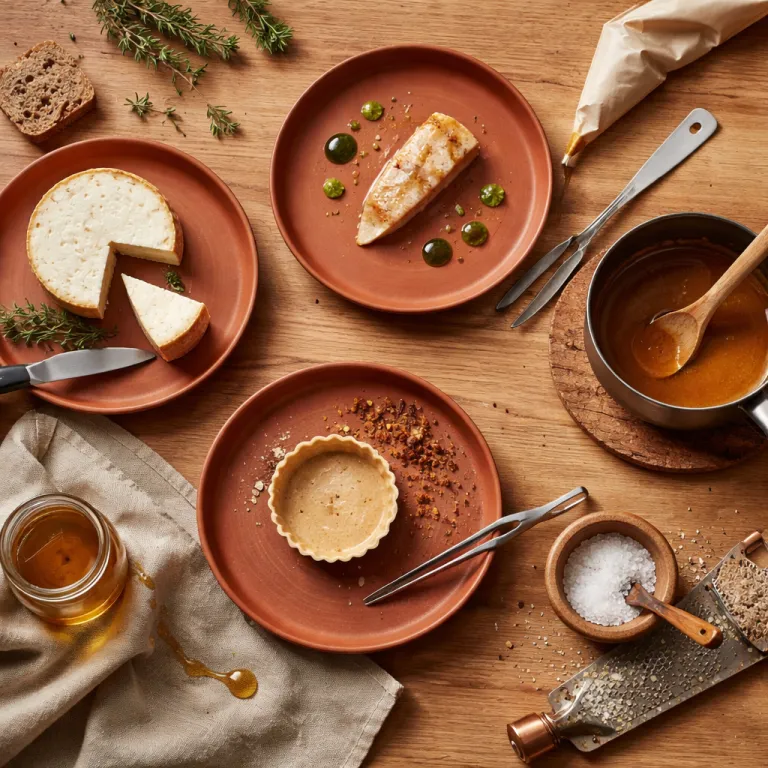
The most telling difference between the old and new eras is what actually arrives on the plate during your stay in the Alps. Where once menus leaned on foie gras, caviar and generic luxury signifiers, the leading kitchens now build tasting sequences around lake fish, heritage grains, raw milk cheeses and vegetables grown within a few kilometres of the hotel. This is where Mirazur in Menton, St. Hubertus in the Dolomites and the kitchens of the French Alps quietly intersect, each treating their mountain or coastal setting as a living pantry rather than a scenic view.
For the business leisure traveler, this means a hotel guide to Alpine stays is now as much about producers as about pillow menus, especially if you travel with kids who are curious about where food comes from. Many grand resort properties offer guided visits to farms, vineyards or mountain huts, turning a standard corporate offsite into an Alps experience that teaches as much as it entertains, while still respecting tight schedules and limited time. In Switzerland, Hotel Bellevue des Alpes uses its 60 room scale to keep service personal, while The Alpina Gstaad with its 56 rooms balances a modern design language with restaurants that treat the surrounding mountain as both pantry and stage.
Summer has become the quiet star season for gastronomy focused hotels, a trend underlined by the record summer dynamics reshaping year round luxury in the Swiss Alps. When snow recedes, chefs gain access to wild herbs, flowers and vegetables that simply do not exist in winter, and tasting menus shift from rich, slow braises to lighter preparations that still feel grand in style. If you plan a haute route trek or a series of multiple nights across different valleys, consider alternating refined dining rooms with carefully chosen mountain huts, because the contrast between polished service and elemental cooking is now part of the modern Alps experience.
Where to eat now: valley by valley guidance for business leisure travelers
Star counts still cluster in a few privileged valleys, and any honest hotel guide to the Alps must acknowledge that concentration. Courchevel, Gstaad and St. Moritz command the headlines, while other parts of the French Alps and Austrian Alps quietly refine their offer without the same media glare. This imbalance matters, because it shapes where investors build new hotels, where chefs choose to settle and where travelers assume the best meals will be served.
Yet for the executive extending a work trip, the smartest strategy is to read those star maps as starting points, not final verdicts. In Gstaad, The Alpina Gstaad anchors a cluster of hotels that combine serious wine lists with discreet service, while in St. Moritz the grand hotel tradition still frames evenings where a jacket feels natural rather than forced. Cross to the Dolomites and properties such as Cristallo Hotel Cortina, profiled in this elevated guide to Italian luxury in the Dolomites on stay in Alps, show how Italian service style and mountain focused gastronomy can turn a standard corporate retreat into something far more textured.
For travelers with kids, the new generation of hotels in Switzerland and beyond understands that family friendly does not mean compromising on culinary ambition. Many properties now offer early evening menus built from the same Alpine product as the main dining room, simply edited for younger palates, while parents enjoy extended tasting menus over multiple nights. When you book, ask precise questions about restaurant concepts, sourcing and seasonal shifts, because in the current era the dining room is no longer an ancillary product of the hotel but the primary reason many guests choose one address over another.
Key figures shaping Alpine hotel gastronomy
- Hotel Bellevue des Alpes operates with 60 rooms in Kleine Scheidegg, which allows its restaurant team to maintain a high staff to guest ratio and preserve a classic Alpine atmosphere while still feeling intimate.
- The Alpina Gstaad offers 56 rooms in Gstaad, a scale that supports multiple dining venues and serious wine programs without tipping into anonymous grand resort territory.
- Courchevel currently holds seven Michelin stars across its restaurants in the 2023 Guide France, anchored by Le 1947 at Cheval Blanc with three stars, making it one of the densest concentrations of high end dining in the French Alps.
- Properties such as 7132 Hotel in Vals have capitalised on increased interest in minimalist luxury accommodations and rising demand for Alpine tranquility experiences, trends that encourage longer stays and deeper engagement with local gastronomy.
- Travel guidance consistently highlights Hotel Bellevue des Alpes, 7132 Hotel and The Alpina Gstaad as notable hotels in the Swiss Alps, underlining how a small group of properties can shape international perceptions of an entire region’s hospitality standards.
Check hotel availability in advance. Consider seasonal variations in pricing. Review hotel amenities to match preferences.