Why mid May is the Alps’ quiet luxury season for families
When you plan to travel the Alps with children, mid May quietly outperforms the headline summer weeks. While many families default to a school holiday trip in late June or the classic July–August window, those who arrive earlier find empty paths, attentive staff and luxury hotels easing back into rhythm. For a premium family stay, this shoulder season offers softer crowds, lower rates and a calmer alpine experience that still feels fully alive.
The Alps stretch for roughly 1,200 kilometres across eight countries, and that scale matters when you choose where to go in May. Some valleys in France, Italy and Switzerland remain snowbound above about 1,800 metres, yet lower villages already feel like summer, with meadow hiking routes open and farm gates unlatched for visits. National Geographic describes the region simply and accurately: “What are the Alps? A major mountain range in Europe.”
For families, the key is to frame your travel as a valley-by-valley tour rather than one long, exhausting drive across the Swiss Alps. Plan four to six days in one base, then add shorter trips to a second or third valley if your children handle change well. This slower approach turns each view into a highlight, each walking tour into a story and each hotel into a familiar refuge rather than just another stop on a rushed adventure tour.
Valleys that work in mid May and where to sleep well
Below 1,800 metres, several pockets of the Alps are reliably walkable by mid May, which makes them ideal for a first family trip. In the French–Italian borderlands, Chamonix and the lower villages of the Mont Blanc valley usually offer snow-free riverside paths, forest loops and a clear view of the glaciers above. You will not ride every lift, but you can still enjoy an easy walking tour, a gentle bike tour along the valley floor and relaxed Alps hiking without technical gear.
Across in Switzerland, Gstaad and the Saanenland meadows green up early, and many luxury hotels quietly reopen with attractive shoulder season rates. Grand Hotel Park Gstaad, which is scheduled to return under the Four Seasons flag in 2026, is already positioning its May calendar around families, with kids’ clubs and guided hiking tour options rather than just pool access; you can follow the property’s evolution in this detailed look at the Four Seasons Gstaad relaunch. For parents, this means you can book a longer stay, spread activities across more days and still pay less than in late June or the peak July–August period.
To the east, the Italian Alps around the Alpe di Siusi plateau and Val Gardena often feel like a private playground in May, especially for a small group of families travelling together. COMO Alpina Dolomites and Forestis in the Dolomites both run early season family programmes, typically starting from late April or early May, pairing guided hiking outings with calm spa time for parents. Use these properties as your base for a flexible tour-mont-style itinerary, with one day focused on meadows, another on forest adventure and a third on a scenic view trip by car to nearby passes.
Five lift free family adventures that work before summer crowds
Mid May is when the Alps reward families who are happy to keep their adventure at a modest level and skip the cable cars. Meadow hikes are the headline act; think two to three hour loops through wildflowers, where every person in the family can walk at their own pace and still feel part of the same experience. Choose routes that stay below 1,800 metres, especially in the Swiss Alps and Italian Alps, and you will usually avoid lingering snow while still enjoying a full alpine view.
Lakeside days are another quiet luxury, particularly if you combine the Italian Alps with a side trip to Lake Garda, where daytime temperatures often sit between 16°C and 22°C and the water is cool but swimmable for hardy children. Families who travel the Alps with a car can easily link Italy–Switzerland routes, spending a few days in the Dolomites, a few days around Lake Garda and then crossing into Switzerland for a final stay. Farm visits, pony trekking and beginner via ferrata routes round out the programme, giving your trips a balance between soft adventure tour elements and slower cultural moments.
Because many ski lifts and official summer programmes only start in late June or even early July, you need to think beyond the piste map and focus on what is open on foot. This is exactly why we argue that the luxury calendar now runs all year; the detailed analysis in our feature on the end of the ski season bias explains how properties are rethinking their seasons. In practice, it means you can plan Alps hiking, a gentle walking tour or even a family friendly bike tour in May, then return for more demanding hiking tours or longer adventure tours in the September–October window when older children can tackle higher routes.
Packing, pricing and how to book smart for mid May
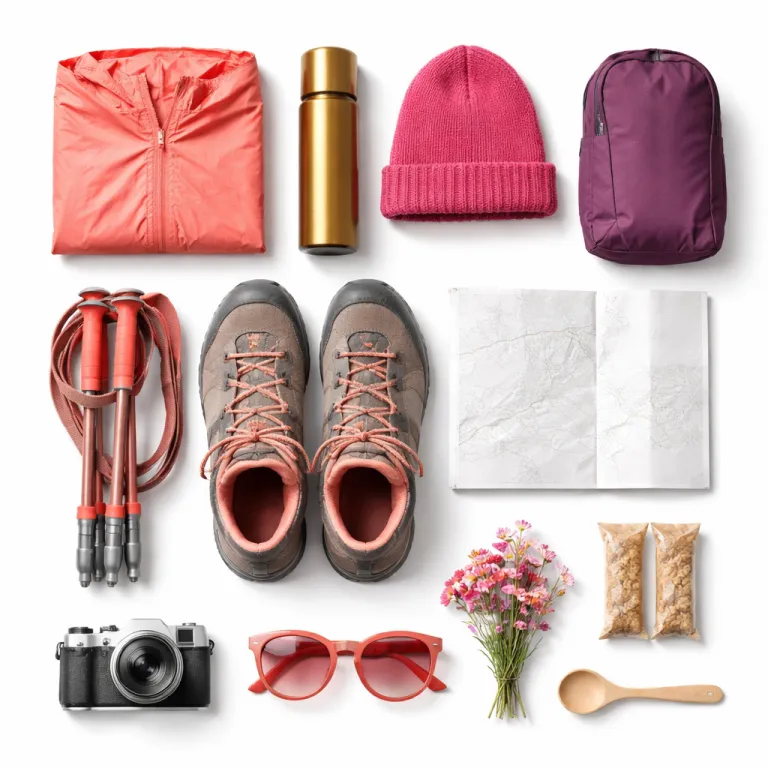
Weather in the Alps during mid May is famously changeable, which is part of the charm and part of the challenge for any family trip. In valleys such as Chamonix, daytime highs often range from 12°C to 18°C, with cooler evenings and the occasional late snowfall above 1,500 metres. European families tend to pack light but layered: thin merino base layers, a mid-weight fleece, a waterproof shell and proper hiking shoes for every person, even if you only plan short walks.
From a booking perspective, May is where the real value sits for luxury hotels across Switzerland, the French–Italian border and the wider alpine arc. Rates can be significantly lower than in late June or the peak July–August weeks, and you often receive more attentive service because staff are not yet stretched by full occupancy. Properties like COMO Alpina Dolomites, Forestis and Grand Hotel Park Gstaad already run structured kids’ programmes in May, so your stay feels complete rather than like a half-open shoulder season experiment.
When you plan to travel the Alps with children, compare three windows: mid May, late June to late July and the softer September–October period. Mid May offers the quietest trails and the best chance of room upgrades, while September–October brings stable weather and golden larch forests that frame every view trip. For families drawn to design-led alpine hotels, keep an eye on projects such as the reimagined Saint Georges in Megève, where this in depth preview of Luke Edward Hall’s Megève project shows how the next generation of hotels will make a simple Mont Blanc view feel like part of a larger story-driven stay.
FAQ
Which countries should I include in a mid May family itinerary in the Alps?
For a first mid May trip, focus on Switzerland, France and Italy, which together hold many of the most accessible alpine valleys below 1,800 metres. A classic loop links the French–Italian Mont Blanc region, the Italian Alps around the Dolomites and a final stay in the Swiss Alps near Gstaad or the Bernese Oberland. This keeps driving days manageable while still giving your family a sense of how the Alps pass through France, Italy, Switzerland, Germany, Austria, Slovenia, Liechtenstein and Monaco.
Are hiking trails really open in mid May, or is there still too much snow?
Many lower level trails are open by mid May, especially below 1,800 metres in valleys such as Chamonix, Gstaad and parts of the Dolomites. Higher routes near Mont Blanc or other major peaks can remain snow covered, so families should choose Alps hiking routes that local guides classify as spring suitable. Always check regional weather forecasts, ask your hotel concierge for a current walking tour map and avoid any hiking tour that requires technical equipment unless you are with a qualified guide.
How many days should a family plan for a mid May stay in the Alps?
Five to seven days is a comfortable range for most families, allowing time to settle into one or two hotels without constant packing. With this duration, you can schedule two or three meadow hikes, a lakeside day, a farm visit and one gentle adventure tour such as a beginner via ferrata or pony trekking. Shorter trips of three or four days work if you focus on a single valley, while longer trips can add a side visit to Lake Garda or a cross-border Italy–Switzerland drive.
What activities can children enjoy without ski lifts or high mountain access?
Children can enjoy meadow hiking routes, easy bike tours on valley paths, farm visits, pony trekking and simple walking tours of historic villages. Many local communities in the Alps have invested in family friendly adventure experiences that do not rely on lifts, such as low level via ferrata routes and themed forest trails. These options make mid May an excellent time to travel the Alps, because you avoid queues while still giving each person in the family a rich, varied experience.
Is mid May cheaper than peak summer for luxury hotels in the Alps?
Yes, mid May is usually significantly cheaper than late June or the main July–August school holiday period for comparable rooms in luxury hotels. Properties often open with shoulder season pricing, yet they already offer full service, including kids’ clubs and guided activities in places like COMO Alpina Dolomites, Forestis and Grand Hotel Park Gstaad. This pricing structure allows families to extend their stay by several days, turning a long weekend into a more relaxed week-long trip without a proportional increase in budget.
Sources
National Geographic – Alps travel features on summer adventure and seasonal timing.
Encyclopaedia Britannica – Reference data on the length of the Alps and the countries they span.
Official regional tourism boards for Chamonix Mont Blanc, Gstaad Saanenland and South Tyrol – Operational dates for lifts, trails and summer family programmes, typically published for each season by March or April.