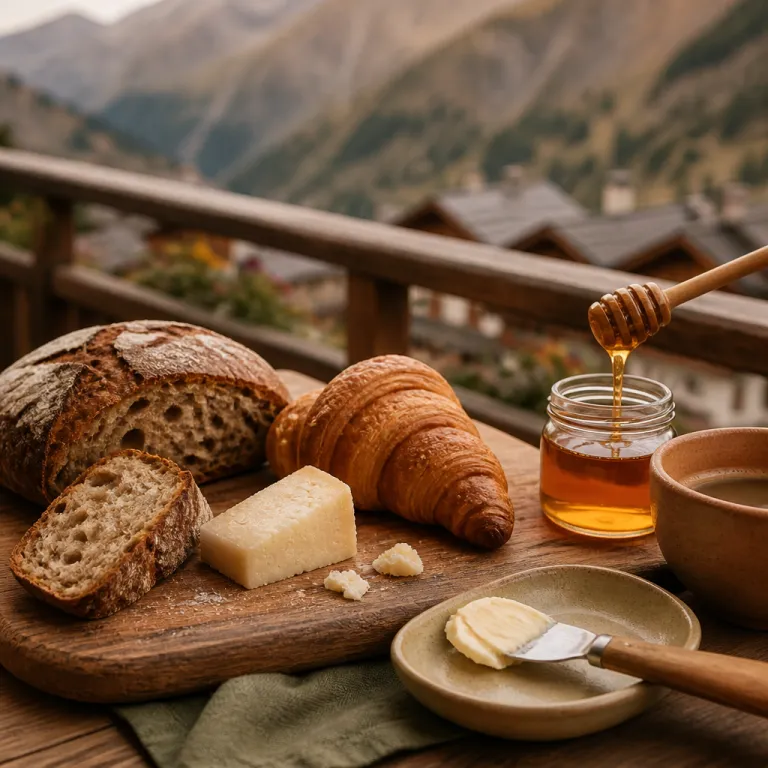
Why the alpine hotel breakfast has become the real signature meal
In the Alps, the quiet luxury test now happens at the first meal of the day, not the last. Alpine hotel chefs have turned the traditional alpine hotel breakfast into a producer led ritual, where the milk, the bread and even the speck are named with the same care once reserved for a tasting menu. When you check into a hotel alpine property in Zermatt, Leogang or Alta Badia, the most reliable indicator of a good stay is often the hot breakfast rather than the headline dinner service.
Across the region, guest surveys consistently show that alpine hotel breakfasts often surpass dinners in quality and variety, and this gap is not accidental. Kitchens know that breakfast covers operate on tighter margins, so when a hotel chooses to serve a generous hot breakfast with breakfast included in most room categories, it signals a serious commitment to quality over quick profit. In internal hospitality research, one recurring finding is clear ; “Why are Alpine hotel breakfasts superior? They offer diverse, high-quality options.” and “How can dinner offerings be improved? By incorporating guest feedback and local ingredients.”
For couples planning a romantic stay, this shift matters because it changes how you plan your day and how you evaluate hotel features. Instead of asking only about spa amenities or whether the hotel is close to the ski area or national park, you now need to check how the property talks about its morning table and whether breakfast is complimentary or charged as a separate event. When you browse stay-in-alps.com, treat the alpine hotel breakfast description as a core part of the hotel features list, on par with the wellness center or the view of the mountain peaks.
The cheese plate and charcuterie board as alpine quality benchmarks
Walk into the breakfast room at Suvretta House in St. Moritz or Schloss Elmau near the Bavarian alpine border, and the cheese table reads like a roll call of local alms rather than a generic regional platter. The best alpine hotel breakfast services now list each cheese by maker and pasture, turning a simple plate into a map of the surrounding mountain area. When a hotel alpine property only labels cheeses as “Swiss” or “Austrian” without naming the farm, it usually reflects a more superficial relationship with its producers and a less ambitious kitchen.
Charcuterie tells a similar story, especially when the buffet promises house cured speck or ham. In the most serious hotel features lineups, “house cured” means the kitchen actually manages the curing process on site, often in partnership with a specific alpine farmer, and the result is a hot breakfast spread that feels both rustic and precise. In weaker properties, the same phrase can hide industrial products, so always check whether the staff can explain which valley the meat comes from and how long it has been aged before it reaches your table.
For couples who like to close a deal over dinner or plan a proposal at the restaurant, it is worth comparing how the evening menu stacks up against this morning abundance. Some grand hotels still shine at both services, but many now offer a more standardised dinner while the alpine hotel breakfast remains the true expression of the kitchen ; our guide to alpine hotel restaurants that still earn the second bottle helps you identify the rare properties that excel in both meals. When you reserve table service for the evening, remember that the most authentic taste of the mountain may already have been on your plate at eight in the morning.
Bread, dairy and honey: reading the producers behind the buffet
The bread station is where a supposedly premium alpine hotel breakfast often reveals its limits. At Rosa Alpina in Alta Badia or Forsthofgut in Leogang, you will find loaves from a named village baker or an in house bakery, with crusts that crack and crumb that still smells of the previous night’s fermentation. When a hotel alpine property serves only uniform rolls and sliced toast, even in a beautiful mountain setting, it suggests that convenience has quietly overtaken craftsmanship in the back of house.
Dairy is even more telling, because milk and yoghurt travel short distances in the Alps when a hotel chooses to work with nearby farms. The most serious alpine hotel breakfast programs proudly state the name of the dairy farmer on the menu, and staff in the breakfast room can explain which pasture the cows graze and how the seasons change the flavour. When the label simply says “local milk” without a producer, you should check whether the hotel is using the word “local” as marketing rather than as a genuine link to the surrounding area.
Honey offers the quickest test of all, especially for couples arriving late and catching only the last half hour of service on their first day. A row of anonymous squeeze bottles usually means the hotel has not invested in an alpine apiary partnership, while jars with the beekeeper’s name and village show a deeper commitment to place and to good sourcing. If you care about gastronomy as much as spa rituals, pair this breakfast scrutiny with our analysis of how the Alps started winning Michelin stars again, and you will quickly see which properties treat the morning buffet as seriously as the evening tasting menu.
Eggs, coffee and service: how to read the breakfast room
Eggs are the most honest mirror of a hotel kitchen, because they leave little room to hide. In a well run alpine hotel breakfast service, you can order eggs any style and receive them consistently cooked, with yolks at the right temperature and whites that are neither rubbery nor underdone. When a hotel alpine property limits you to a single chafing dish of scrambled eggs, even while advertising extensive amenities and a premium room category, it usually reflects a kitchen that is stretched or under trained.
Coffee has long lagged behind tea in alpine luxury hotels, but that is slowly changing as properties build serious coffee programs into their hotel features. The best alpine hotel breakfast rooms now offer freshly ground beans, multiple brewing methods and staff who can explain the roast profile as easily as they can talk about the mountain weather, while weaker hotels still rely on push button machines even when breakfast is not complimentary. For couples who care about both caffeine and calm, this difference shapes the rhythm of the day, especially when you plan to spend hours in the spa center or hiking in the park above the village.
Service style matters just as much as product, particularly in how staff manage the flow of guests and the option to reserve table seating. A friendly but precise team will remember your coffee order by the second day of your stay, check discreetly whether you need anything else and guide you through the hot breakfast options without hovering. When you evaluate a potential booking on stay-in-alps.com, look for mentions of a dedicated breakfast manager or maître d’, because that role often signals a property where the morning meal is treated as a key event rather than a simple amenity.
When breakfast is the only meal worth taking on site
Not every alpine hotel can or should compete with destination restaurants, and many have quietly accepted that breakfast is where they will shine. In several respected properties across the Alps, couples now plan their day around a long alpine hotel breakfast on site, then head into the village or up the mountain for lunch and dinner at independent restaurants. This pattern makes sense economically for hotels, because breakfast included in the room rate keeps occupancy attractive while outsourcing dinner risk to external venues.
For guests, the key is to recognise when a hotel alpine property is intentionally breakfast focused rather than accidentally weak at dinner. If the morning buffet is rich with local cheeses, a genuinely hot breakfast selection, free flowing coffee and thoughtful vegetarian options, while the evening menu feels generic, you can safely treat the hotel as your morning base and look elsewhere for the night’s main events. Our guide to luxury wellness resorts in the Alps highlights several addresses where the spa and the breakfast room form the real heart of the experience, and where dinner is best taken in the nearby town center.
Couples with a mid to high budget can use this strategy to balance value and pleasure over a multi night stay. Choose a hotel with strong breakfast amenities, a calm mountain area and a friendly service culture, then reserve table space at one or two serious restaurants in the region for your key evenings. By treating the alpine hotel breakfast as the anchor of your day and the clearest expression of the property’s values, you will make better booking decisions and enjoy a more coherent, quietly luxurious time in the Alps.
FAQ
Why do many guests rate alpine hotel breakfasts higher than dinners ?
Guest feedback across multiple alpine destinations shows that breakfast satisfaction scores often exceed dinner ratings by a noticeable margin, because the morning meal offers more diverse, high quality options with a stronger link to local producers. Kitchens usually retain full control over the alpine hotel breakfast, while dinner can be constrained by outsourced concepts or cost driven menu engineering. As a result, the first meal of the day has become the truest expression of a hotel’s culinary identity.
What should couples check before booking a hotel for its breakfast ?
Before confirming a stay, couples should check whether breakfast is included in the room rate, whether the hotel names its cheese, dairy and honey producers, and whether eggs are cooked to order rather than only offered in chafing dishes. It is also worth asking if there is a possibility to reserve table seating at peak times, especially in smaller properties where the breakfast room can feel crowded. Finally, look for signs of a serious coffee program and attentive, friendly service, because these features shape the overall mood of the morning.
How can I tell if a hotel really uses local alpine products at breakfast ?
A genuinely local alpine hotel breakfast will list specific farms, alms and apiaries on the menu or buffet labels, not just generic regional descriptions. Staff in the breakfast area should be able to explain where the milk, cheese, speck and honey come from, and ideally how the seasons affect their flavour. If the hotel only uses vague terms like “local” or “from the mountains” without naming producers, the sourcing is likely more commercial than it appears.
Are there alpine hotels where breakfast is worth taking on site but dinner is not ?
Yes, there are many alpine hotels where the breakfast service is outstanding while dinner feels more standardised or less ambitious. In these properties, couples often enjoy a long, producer focused breakfast on site, then explore village restaurants or mountain huts for their evening meals. This approach lets you benefit from the hotel’s strong morning offering while still seeking the best regional cooking at dinner.
How does breakfast quality relate to overall hotel value in the Alps ?
In the Alps, a high quality breakfast included in the rate can significantly enhance perceived value, especially for couples staying several nights. When a hotel invests in excellent morning products and service, it often reflects a broader culture of care that extends to the spa, housekeeping and front desk teams. Conversely, a weak breakfast in an otherwise expensive property is usually a warning sign that the hotel prioritises marketing over substance.
Sources
Swiss Tourism Board ; Austrian National Tourist Office ; German National Tourist Board.