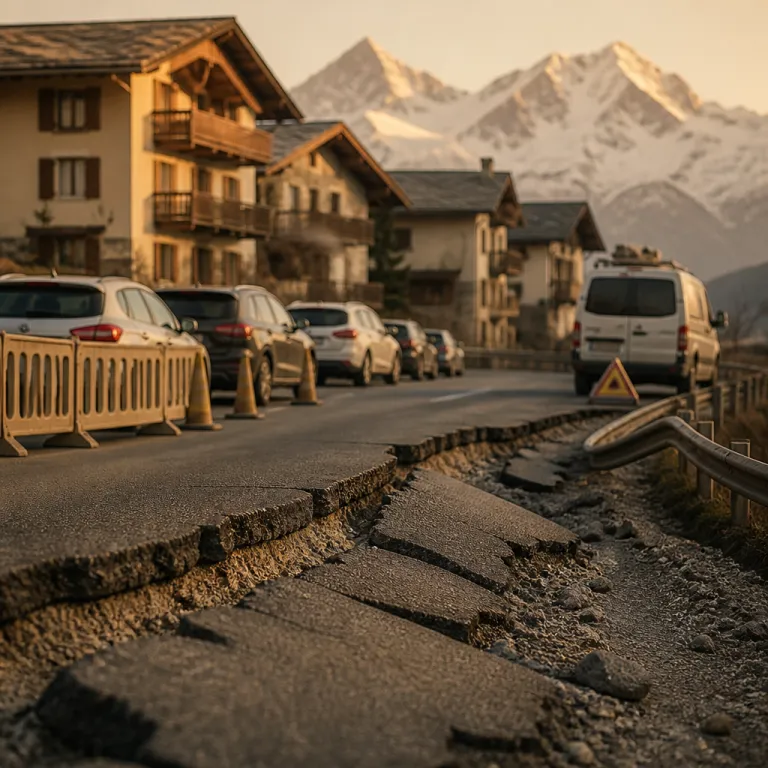
Traffic data reshapes alpine travel routes for this summer
Queues at the Gotthard and Brenner corridors are already reshaping how couples plan alpine travel routes for this summer. For travelers using alpine travel routes summer 2026 as their planning lens, the message is blunt ; Europe’s main north south arteries through the alps will be under sustained pressure long before school holidays peak. Alpine transport authorities confirm that the time you choose to cross each mountain corridor will now define whether your day feels like a romantic road trip or a lost day in traffic.
Forecasts for the Gotthard Road Tunnel show that July weekends will bring 120 to 160 minute waits, with August national holidays pushing delays even higher. The rule of thumb is simple ; every kilometer of queue on these alpine roads adds roughly 11 to 12 minutes, which means a five kilometer line can quietly turn a short day drive into a multi hour ordeal for any couple heading towards the french alps or the italian lakes. European transport authorities are already warning that maintenance backlogs and legal disputes over transit regulations will keep infrastructure strain high across this alps summer period.
Rail freight still carries around two thirds of Swiss alpine cargo, yet passenger cars dominate the summer narrative on every alpine road. Official data on transalpine freight volumes underlines how these corridors serve both heavy logistics and leisure traffic at the same time, which is why environmental organizations keep pressing for sustainable solutions while couples simply want the best route to their mountain hotel. As one official summary puts it with stark clarity ; "What is causing the strain on Alpine transport corridors?" "Maintenance backlogs, legal disputes, and environmental concerns."
What congestion means for luxury arrivals in key alpine valleys
For guests booking high end stays in switzerland, austria, and the french alps, alpine travel routes summer 2026 planning now starts with tunnel forecasts rather than spa menus. Couples driving towards Zermatt, St Moritz, Kitzbühel, Chamonix, or the italian lakes will feel the impact most on peak days, especially from late june to early september when synchronized holidays and campervans converge on the same mountain passes. The smartest alps explorer couples are already shifting their arrival time to late evening or very early morning to keep the alpine experience relaxed rather than rushed.
Night travel between 22:00 and 05:00 currently shows almost no queues in 98 percent of measured cases, which transforms a stressful daytime tour into a calm, high alpine approach where you simply roll through. For a couple heading to a lakeside suite above Lake Lucerne or a high altitude retreat near mont blanc, that timing choice will decide whether the first day feels like a soft landing or a test of patience. Luxury hoteliers along the main alpine road corridors quietly advise guests to target Tuesday to Thursday arrivals, avoiding the heavy july august weekend pulse whenever possible.
Climate shifts are opening some passes earlier in june and keeping them viable longer into the june september window, which subtly redraws the map of alps hiking access, mountain bike logistics, and multi day touring itineraries. That means a couple planning a tour mont blanc circuit, a haute route segment, or curated hiking trips between mountain huts can now pair rail and road more flexibly, especially when rail share remains strong through key Swiss valleys. For travelers who value heritage as much as efficiency, historic palace properties and grand hotels along these corridors are mapped in detail in our guide to historic alpine hotels where the past still checks in.
Strategic routing tips for couples booking premium alpine stays
For couples using stay in alps style planning, alpine travel routes summer 2026 now demand the same precision you would apply to a haute cuisine reservation. Aim to reach the Gotthard, Brenner, or mont blanc approaches before 07:00 or after 20:00, and your alps summer arrival will usually feel smooth enough to stop at lakes or villages en route. Leave during late morning on a saturday in july august, and the same trip can stretch into a frustrating multi day shuffle between queues, rest areas, and delayed check ins.
Choosing secondary passes and lesser known valleys can transform the entire alpine experience for a couple seeking quiet luxury. Routes into national park gateways, side valleys of the french alps, or smaller italian lakes often use high alpine passes that sit away from the main freight corridors, which means more time for a slow lunch and less time staring at brake lights. Our feature on hidden alpine valleys that reward the second time visitor maps several options where the roads are scenic, the mountain huts are reachable on relaxed hiking trips, and the hotels still feel under the radar.
Couples planning alps hiking or mountain bike escapes should align hotel bookings with realistic transfer days, especially when linking a tour mont blanc stage, a haute route section, or other multi day tours that cross borders between switzerland, austria, and italy. Booking a final night near an alpine road junction or rail hub before flying home will cut stress and protect the last day of your trip from unexpected queues. For those who value dark skies, quiet terraces, and an unhurried alpine experience, our report on dark sky alpine retreats that bet on the stars above the refuge highlights properties where late arrivals and early september departures align perfectly with calmer traffic and clearer nights.