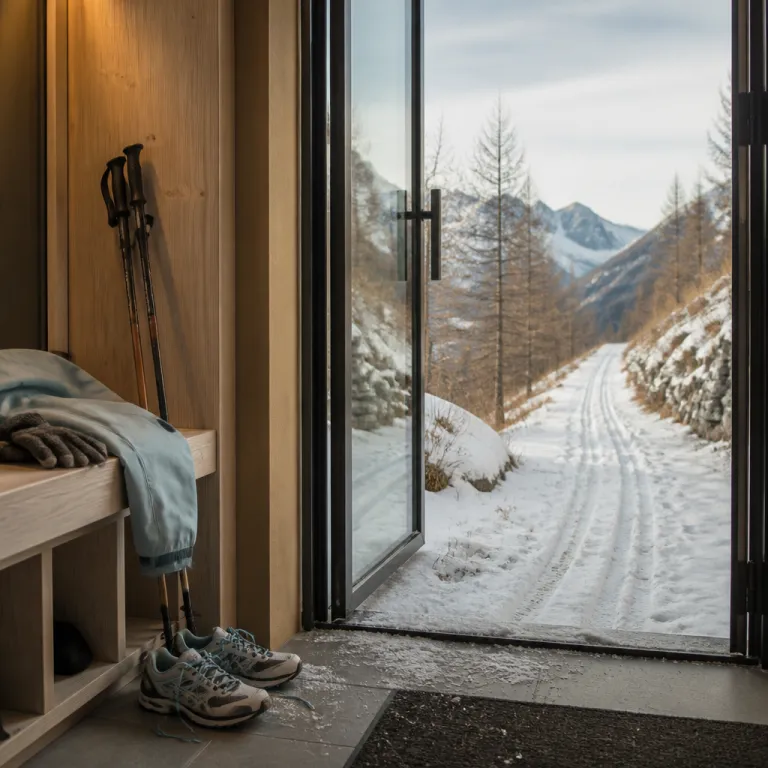
Trail running Alps hotels for couples who start from the lobby
Trail running Alps hotels speak to couples who want the first running step to happen before the first coffee. These properties sit in the high Alps where a short walk from the hotel lobby will place you on a marked trail, turning a simple trip into a structured running adventure with altitude, culture and serious comfort. For many trail runners, the right accommodation is now as important as the route itself, especially when you factor in recovery, logistics and changing mountain weather.
Across the French Alps, the Swiss Engadin, the Austrian Tyrol and the Italian Dolomites, a new generation of hotels treats running as a core activity rather than a side note. These trail-focused Alpine hotels provide GPX libraries of local routes, early breakfast for runners heading out at dawn, and same day laundry so your kit is dry before the next day’s trail session. Typical amenities include direct trail access, gear storage, laundry services, recovery areas and, in some cases, guided runs or coaching that resemble a light version of a dedicated running camp.
Couples planning a multi day trip should think in stages, not just nights. One hotel might anchor your first days as you adjust to altitude and explore gentler trails, while a second property closer to the Mont Blanc massif or another international mountain corridor will suit longer ultra trail style efforts. The best hotels understand that trail runners want both precise logistics and a glass of wine with breathtaking views when the watch finally stops, and that some guests will mix serious training days with slower, more romantic walks.
Chamonix valley and the Mont Blanc orbit: where races shaped the hotels
Chamonix, France is still the gravitational centre for trail running Alps hotels, especially for couples who dream of circling Mont Blanc together. The classic Tour du Mont Blanc route passes through the Chamonix valley, and local hotels have learned from the Mont Blanc ultra events that fill the town each summer with runners, crews and families. Many properties now design their accommodation and services around trail runners who treat the valley as both training camp and romantic base, with stays often timed to the late June to early September running season.
In this corridor, a good hotel will offer secure storage for poles and packs, flexible breakfast hours and staff who actually know which trails are snow free that day. Some Chamonix hotels keep printed maps of the Tour du Mont Blanc variants at reception, while others maintain digital libraries of GPX routes for everything from a one day trail loop above Argentière to a three day running camp style progression. As a planning benchmark, classic runs such as the Grand Balcon Nord (around 13 km, roughly 800 m of ascent, usually snow free from late June) or a Col des Posettes loop (about 16 km with 1,000 m of climbing) give couples a realistic sense of daily effort.
The UTMB and other ultra trail events have quietly raised the standard for running infrastructure in the Chamonix valley. Properties that once focused only on winter skiers now court trail runners with early check in for those arriving from overnight flights, post run massage slots and laundry turned around within hours, though some of these services may carry a surcharge or require advance booking. For a deeper look at how these international mountain corridors are evolving under pressure, see our analysis of Europe's strained Alpine travel routes and plan your trip dates with that context in mind.
Tyrol, Engadin and Valais: altitude hotels that think like running camps
Move east and the focus shifts from race finish lines to long, quiet days on high trails. In the Austrian Alps, properties such as DAS EDELWEISS Salzburg Mountain Resort in Großarl and Hotel Nesslerhof in the same valley act almost like informal running camps, with direct access to routes that climb into the Hohe Tauern National Park. Hotel Nesslerhof offers trails that start near the accommodation and lead to panoramic ridges, then back to a spa with more than one hundred treatments for recovery after a hard running day, though availability and pricing vary by season and package.
Across the border in Switzerland, Hotel Schweizerhof Sils Maria brands itself as a Swiss running hotel and backs that promise with infrastructure worthy of serious running camps. From the door you can link lakeside paths with higher mountain trails, building a multi day progression that alternates flatter running with steeper climbs to mountain huts and passes. Frutt Mountain Resort in Melchsee-Frutt and Riders Hotel in Laax follow a similar model, where a running camp can be as informal as three days of guided trail running followed by long evenings in the bar comparing views and stories, or as structured as a coached week booked through a specialist organiser.
Further west in Valais, Shed Hotel Verbier and properties in Zermatt and Saas-Fee serve trail runners who want both altitude and design forward comfort. These running bases work well for couples where one partner might prefer a spa day while the other heads out on a long route with breathtaking views of peaks and glaciers. One recent guest in Verbier described a typical day as “a 20 km ridge run at around 2,400 m, then straight into the sauna and a late dinner,” a pattern that illustrates how modern Alpine hotels blend endurance sport with slow evenings.
Historic charm, modern legs: where the past meets the running present
Not every trail running stay needs to feel like a performance camp, and some couples prefer hotels where history softens the edges of a hard route. In the French Alps, Les Fermes de Pierre et Anna in Le Grand-Bornand offers wooden chalets that open onto meadows and forest trails, giving runners gentle warm up loops before steeper climbs. La Sivolière in Courchevel 1850, while known for winter, sits in a mountain amphitheatre where summer trails weave between larch forests and high pastures, with many routes staying between roughly 1,600 m and 2,200 m in altitude.
In Switzerland, Hotel Grischa Davos and Mountain Plaza Hotel Davos show how traditional resorts can pivot toward running guests without losing their sense of place. Both hotels sit close to cable cars and funiculars that lift trail runners quickly into the surrounding mountain, turning a short stay into a multi day sequence of high routes with minimal transfer time. Hotel Grischa even promotes altitude training, which appeals to couples preparing for an ultra trail event later in the season and willing to spend several nights sleeping above 1,500 m to adapt.
Further south, Hotel Steger Dellai on the Seiser Alm plateau in Italy offers wide, rolling trails that suit both new runners and experienced trail runners seeking relaxed days between harder efforts. Here the views are open and constant, with the Mont Blanc massif far away but the Dolomite towers providing their own breathtaking views from almost every route. If you like the idea of sleeping where generations of travelers have stayed before you, our guide to historic Alpine hotels that respect their past highlights properties where a modern running adventure fits naturally into an older story.
How to choose and use a trail ready Alpine hotel
Choosing between trail running Alps hotels starts with one question: how much running do you truly want to build into this trip. If you and your partner plan a full running adventure with back to back days on the trails, look for hotels that explicitly mention trail running, running camps or ultra trail support in their materials. If the goal is a romantic stay with one or two big day trail outings, then proximity to a beautiful route and strong spa facilities may matter more than a full running camp schedule, and you can often trade specialist services for a slightly lower room rate.
Before you book, ask the hotel for three concrete things by email. First, request a list of recommended routes by distance and elevation, ideally with GPX files, so you can match each day to your fitness and the weather in the Alps. For example, many hotels in Chamonix suggest the Grand Balcon Nord or a Col des Posettes loop as classic day runs. Second, confirm practical details such as early breakfast times, late check out options after a long mountain run, laundry turnaround and whether they can arrange transfers to or from key trailheads on the Tour du Mont Blanc circuits, as these extras may need to be reserved and priced in advance.
Finally, consider safety and acclimatization, especially if you are new to running Alpine terrain. Arrive at least one day before any very long route so your body can adjust to the international mountain environment and thinner air. Check trail conditions before arrival, pack appropriate running gear, and inquire about guided runs if you want local insight into the Mont Blanc massif, Chamonix valley or other complex areas where weather and snow can change a plan within hours, and always verify current information directly with the hotel or local tourist office.
FAQ
What makes a hotel truly trail running friendly in the Alps ?
A genuinely trail running friendly hotel in the Alps offers direct access to marked trails, early breakfast, secure gear storage and fast laundry. Staff should know local routes and be able to suggest options for different fitness levels and weather conditions. Many of the best hotels also provide GPX files, massage services and flexible check in or check out for runners arriving from long travel days, though the exact mix of services differs from property to property.
Are Alpine trail running hotels suitable for beginners ?
Yes, many trail running Alps hotels cater to beginners as well as experienced trail runners. Properties in areas like Seiser Alm, Melchsee-Frutt or Le Grand-Bornand offer gentle routes with modest elevation gain and clear waymarking. When you book, ask the hotel to highlight two or three easy day trail options that start directly from the accommodation, and request approximate distance, ascent and typical season so you can judge whether they fit your current level.
Do these hotels operate year round for trail runners ?
Most of these hotels operate throughout the year, but the prime running season usually runs from late spring to early autumn. At higher altitudes, snow can linger on north facing trails, so some routes only open in mid summer. It is wise to email the hotel about current trail conditions and seasonal closures before finalizing your trip dates, especially if you are targeting high passes or balcony paths above 2,000 m.
What amenities should couples prioritise for a multi day running trip ?
For a multi day running trip, couples should prioritise early and flexible meal times, same day laundry, and access to spa or recovery facilities. Proximity to varied routes matters, so you can alternate harder days with easier runs from the same hotel base. If you plan an ultra trail style block of training, look for hotels that already host running camps or endurance events, and check whether they offer multi night packages that bundle meals, guided outings and wellness access.
How many dedicated trail running hotels exist in the Alps ?
Across the wider Alpine region, a growing number of hotels now explicitly market themselves around trail running and endurance guests. These properties often sit at mid to high altitude, which offers a useful training effect for many runners. The exact count and average elevation change each season as more hoteliers recognise the demand from couples who want their running adventure to start at the hotel door, so always consult current hotel descriptions and regional tourism sites when you plan.