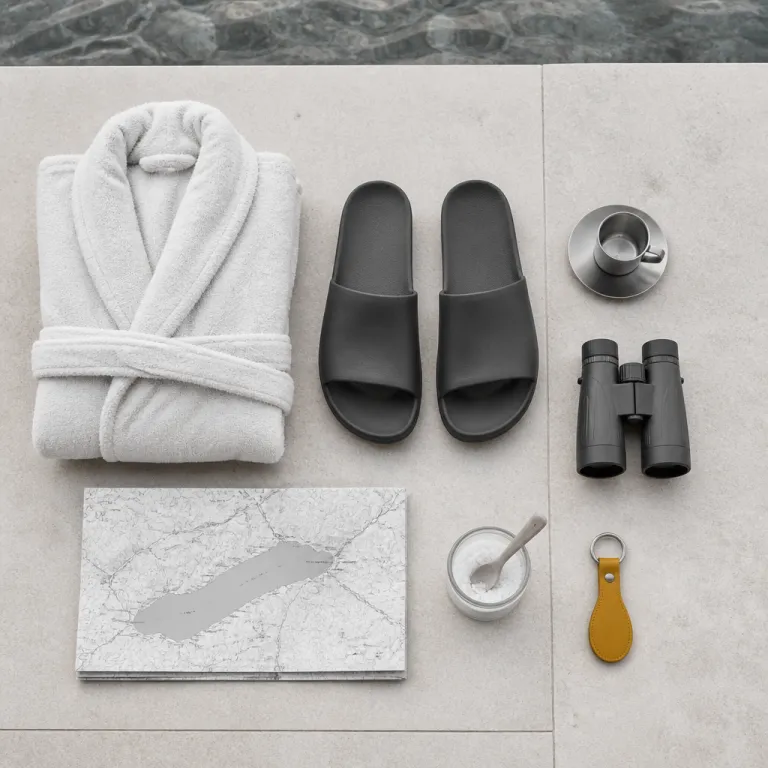
The rhythm of the lake hours in the Alps
Wake early beside an alpine lake and the day feels different. The water lies still while the mountain peaks above the Alps catch the first light, and lakeside luxury hotels quietly prepare terraces for guests who will claim the best lake view tables. This rhythm, shaped by both lake and mountain, defines what waterfront properties offer that even the most polished mountain retreat cannot match.
Along the shores of Lake Lucerne, Lake Geneva, Lake Garda and Lake Como, the typical day bends around the water rather than the ski lift. Families step from their hotel straight onto flat promenades, where strollers roll easily and children race scooters, before everyone returns to lakeside hotels for late breakfasts with wide lake views and a soft mountain backdrop. The lake located directly at your feet means you can check availability for paddleboards at reception, then be in the water within minutes, rather than planning transfers to a distant resort base station.
Morning belongs to the lake, afternoon to the mountain and evening to the shore. Guests swim or take a view hotel boat out by 9 a.m., then trade swimsuits for hiking shoes and head into the alpine trails above the water. After night falls, families drift back to their hotels, where a fire pit on the terrace, a discreet hot tub and a calm lake view replace the bustle of ski hotels clustered around a noisy lift station.
Why lakeside commands a premium over pure mountain stays
Across the Alps, luxury hotels beside the water quietly charge more per night than many celebrated mountain lodges. That premium reflects not only the scarcity of shoreline but also the layered experience of alpine lake hotels luxury stays, where you can swim, sail and hike without ever leaving a single valley. When you compare invoices, the higher rating of lakeside properties often mirrors the density of services packed into one address.
Data from regional hospitality associations show that alpine lakeside hotels run consistently high occupancy, with many reporting figures above eighty percent even outside peak ski season. For example, the Swiss Federal Statistical Office’s “Hotel accommodation in summer season 2023” release notes average hotel occupancy above seventy percent around major lakes in recent summers, with top-tier resorts exceeding that benchmark. This demand is driven by travelers who value direct lake access, generous rooms with a guaranteed lake view and the ability to check availability for both spa appointments and boat excursions in one call. As one expert summary from a 2023 Lake Lucerne tourism board report puts it with disarming clarity: “Private lake access, water sports, scenic views.”
Families feel the difference most clearly. In a pure mountain retreat, parents juggle shuttle times, altitude changes and steeper paths before anyone reaches an activity, while at lakeside hotels children can swim close to the hotel terrace while adults read or work. One Zurich-based family quoted in a Swiss tourism survey described their stay on Lake Lucerne as “the first alpine holiday where we never had to fold the stroller to reach an activity.” For repeat visitors who already know the big-name resorts, the smartest move is often to shift the budget from a higher room category in a crowded ski village to a lake located property in a quieter bay, then use guides such as hidden Alpine valleys for second-time visitors to plan mountain excursions from the water.
Design, space and family friendly comfort on the shore
Step inside the best alpine lake hotels luxury addresses and the first impression is space. Rooms tend to be wider than in many high-altitude ski hotels, because shoreline plots allow architects to stretch laterally rather than stack vertically. That extra width translates into family friendly layouts, with sliding doors, twin beds for children and generous balconies that frame the lake views like a cinema screen.
Many of these properties operate as design hotels in everything but name, with clean lines, natural stone and large windows that keep the lake in sight from breakfast to night. A grand hotel on Lake Lucerne might pair a historic façade with a contemporary spa wing, where a hot tub faces the water and a quiet fire pit anchors the outdoor lounge. Parents appreciate that children can move between pool, garden and lake access without crossing busy roads, while staff keep a close check on safety from discreet vantage points.
For families, the practical advantages accumulate quickly. You can check availability for interconnecting rooms online, then call the hotel to confirm a private terrace or ground-floor access to the garden for younger guests. Flat lakeside paths make evening walks with strollers effortless, and the community feel of promenades in Switzerland, the Italian Alps and the French shore towns means there is always an ice cream stand or playground within a few hundred metres of most hotels.
Signature properties: from Lake Como to Moritz Switzerland
On Lake Como, Corinthia’s forthcoming property crystallises what alpine lake hotels luxury can mean when a serious brand commits to the water. The restored nineteenth century building will offer 145 guest rooms, a floating pool that extends onto the lake and a spa that treats the water as a stage rather than a backdrop. According to the brand’s published development plans and 2023 investor presentation, the hotel is scheduled to open with multiple restaurants and a dedicated lakeside pier. Here, every view hotel angle is choreographed so that the lake view remains central, whether you are at breakfast or returning late at night from a boat dinner.
Further east in Moritz Switzerland, Grace La Margna shows how a historic address can pivot from winter fame to year-round relevance. Its renovation brings direct access to more than 580 kilometres of hiking trails, e-bike rentals for families who prefer wheels to skis and a 20 metre pool with a counter-current system that lets serious swimmers train while children play nearby. The hotel’s position above the lake in St. Moritz means guests enjoy both a classic mountain retreat atmosphere and a sweeping lake view, with ski hotels energy in winter and a calmer lakeside rhythm in summer.
On Lake Geneva, the Hotel Royal at Évian Resort leans into wellness with a lakeside twist. Guests can book Yog-apnée sessions that blend yoga and freediving, then return to Michelin-starred dining at Les Fresques before an evening stroll along the shore. For travelers planning lower-impact itineraries, routes such as those outlined in low-carbon Alpine week by train make it realistic to combine several lake hotels in one trip without relying on rental cars.
How to choose the right alpine lake hotel for your family
Choosing between alpine lake hotels luxury options starts with one question: what do you want the water to do for your stay. If you picture long swims and paddle sessions, prioritise hotels with genuine private access to the lake, not just a distant view across a road or railway line. Families should check availability for lake-facing rooms early, because these categories often sell out first during school holidays.
Look closely at how each hotel balances water and mountain. Some grand hotel addresses, especially in Switzerland and the Italian Alps, operate almost like urban resorts with multiple restaurants, kids’ clubs and indoor pools, while others feel more like intimate mountain lodges that happen to sit beside a lake. Read community reviews with care, paying attention to comments about noise at night, the quality of the hot tub and whether the promised lake views match the photos on the booking page.
Finally, consider the wider rhythm of your trip. If you plan to spend several days in the high Alps, it can make sense to start or end with two or three nights at a lake located property, using guides such as mountain hotels betting on summer to understand how resorts shift once the snow melts. When you find a hotel that offers both a credible rating and the right mix of free activities for children, a welcoming community atmosphere and easy access to both water and trails, you will feel the full power of the lake hours that no mountain-only stay can replicate.
FAQ
What makes alpine lakeside hotels different from traditional mountain lodges ?
Alpine lakeside hotels combine direct lake access with classic mountain views, while traditional mountain lodges focus mainly on altitude activities. Lakeside properties often offer private swimming areas, boat docks and flat promenades, which are easier for families with small children than steep village streets. Mountain lodges, by contrast, usually prioritise ski-in access, proximity to lifts and a more enclosed mountain retreat atmosphere.
Are alpine lake hotels a good choice for families with young children ?
Yes, many alpine lake hotels are strongly family friendly because the terrain around the lake is flatter and safer for strollers and small bikes. Children can swim close to the hotel under supervision, while parents relax on terraces that still enjoy a full lake view. Look for properties that offer kids’ menus, connecting rooms and clear information about shallow swimming areas.
How should I compare prices between lakeside hotels and mountain lodges ?
Lakeside hotels often charge higher nightly rates than comparable mountain lodges because shoreline locations are limited and demand is strong in both summer and shoulder seasons. When comparing, consider what is included in the price, such as free access to pools, water sports equipment or kids’ clubs. A slightly higher rate at a lake located property can represent better value if it reduces the need for paid excursions and transfers.
Do I need a car to enjoy an alpine lake hotel stay ?
Many major alpine lakes, such as Lake Lucerne, Lake Geneva and Lake Como, are well connected by trains and boats, so a car is not essential. Lakeside promenades and ferry services make it easy to move between hotels, villages and trailheads without driving. If you plan to explore remote valleys above the lake, occasional taxis or organised transfers can fill the gaps.
When is the best time to book an alpine lakeside hotel ?
For peak summer weeks and school holidays, it is wise to check availability several months in advance, especially for rooms with guaranteed lake views or private terraces. Shoulder seasons around late spring and early autumn often offer better value while still delivering pleasant temperatures for walking and boat trips. Last-minute deals are possible, but they rarely include the most sought-after room categories beside the water.