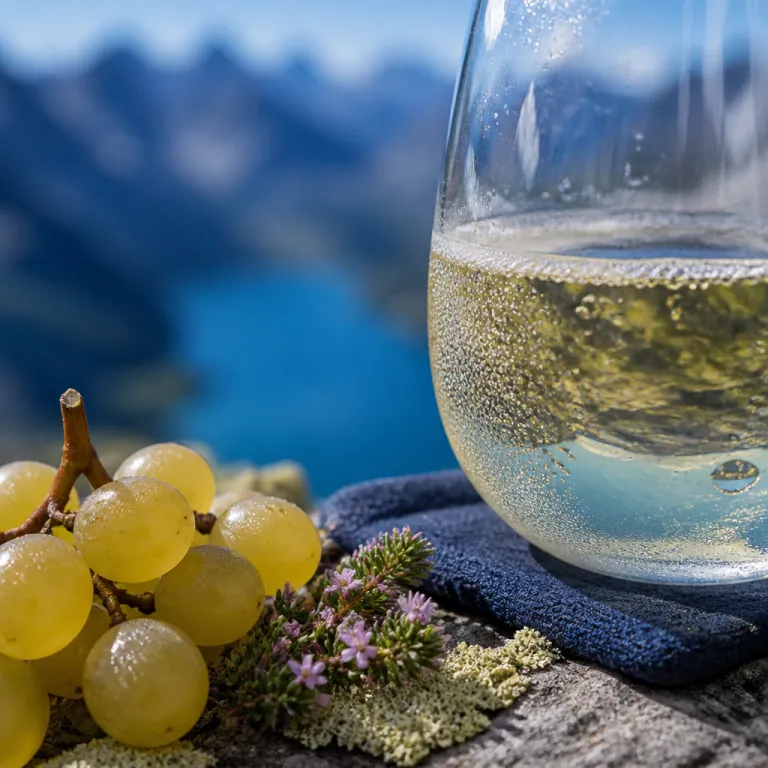
Designing an alpine wine route for a seven to ten day summer escape
Think of your alpine wine route as a north south spine running from Savoie to Alto Adige, with each valley offering a distinct rhythm and very different wines. This is not a sprint between famous labels but a measured trail that follows wine growing landscapes, terraced vineyards and steep slopes where grapes genuinely struggle and concentrate flavor. Plan seven to ten days, moving slowly between three or four key wine regions so that each estate visit, each lake side tasting and each evening in a luxury hotel feels unhurried.
The core itinerary runs Savoie in France, Valais in Switzerland, then the Alto Adige region above the Adige river, with optional detours into the Aosta Valley or Austrian Alps for more alpine wine nuance. From west to east, you move from delicate savoy wine and crisp whites to structured reds from the Adige wines belt, always staying close to hiking trails and mountain passes rather than highways. This route works best in the summer months when most vineyards are open for wine tourism, terraces are set for sunset glasses and high passes are snow free for scenic drives.
Official tourism boards describe the concept clearly: “What are Alpine wines? Wines produced in mountainous regions of the Alps.” That definition matters when you choose where to visit, because not every valley wine list in the Alps focuses on true alpine wine or on the specific grape varieties that thrive above 500 to 1 000 meters. Use digital wine guides, regional maps and hotel concierges to align your wine trail with real wine routes, not just generic scenic drives that happen to pass a few wineries.
Savoie and the French Alps: light whites, serious terroir and lakeside stays
Savoie is where many travelers start their alpine wine route, partly because the region is easy to reach from Lyon or Geneva and partly because the scenery around Lake Bourget and Lake Annecy is immediately seductive. Here the vineyards cling to steep slopes beneath limestone cliffs, and the best estates work tiny parcels of terraced vineyards that look almost vertical from the road. Typical vineyard altitudes range from around 250 meters near the lakes to more than 600 meters on south facing slopes, which helps explain the tension and freshness in the wines. You come for refreshing whites like Apremont and Roussette de Savoie, but you stay for the way these wines pair with lake fish and mountain cheeses on shaded hotel terraces.
Focus your visit on the Combe de Savoie and the slopes above Chambéry, where wine production is still small scale and many cellars are family run. Names such as Domaine Giachino, Domaine des Ardoisières or André et Michel Quenard illustrate how carefully worked parcels can turn steep hillsides into some of the best alpine wine sites in France. Ask for flights that compare different grape varieties such as Jacquère, Altesse and Mondeuse, and pay attention to how the same grapes shift character from valley wine to higher altitude plots. Several luxury properties between Annecy and Megève now curate serious savoy wine lists, and some of the best new summer openings highlighted in the guide to anticipated Alpine hotel openings are finally giving local wines the same attention as Champagne.
Use your hotel as a base for both wine tourism and soft adventure, alternating morning winery visits with afternoon hiking trails above the vineyards or boat trips on the lake. Many routes are gentle enough for a relaxed walk between villages, turning your wine trail into a literal trail wine experience where each hamlet offers a different glass. Expect tasting fees of roughly €10–€20 per person for a structured flight at better known estates, often waived with bottle purchases. Two or three nights here allow you to understand why this wine region has quietly become a favorite among sommeliers who care about freshness, precision and a clear sense of place.
Valais and the Swiss Alps: altitude, heritage grapes and serious hotel cellars
Crossing into Valais, the alpine wine route tightens along the Rhône valley, where vineyards rise in dramatic tiers above the river and the light feels almost Mediterranean. This wine region is defined by terraced vineyards cut into steep slopes, with stone walls absorbing heat by day and releasing it at night to protect delicate grapes. The result is a mosaic of micro parcels that produce some of the best alpine wine in Europe, from Fendant and Petite Arvine to Heida grown at impressive altitudes. Around Visperterminen, for example, Heida vines climb close to 1 100 meters, while many classic sites near Sion and Sierre sit between 500 and 800 meters.
Luxury hotels in Crans Montana, Zermatt and Verbier now treat local wines as a point of pride rather than an afterthought, and the program at Six Senses Crans Montana is a reference for how to do it well. Their sommeliers build lists that balance international icons with focused selections from nearby estates, allowing guests to taste multiple wine regions of Valais without leaving the property. Producers such as Domaine Jean-René Germanier, Cave du Rhodan or Provins regularly appear on serious lists and give a sense of the region’s range. For a deeper dive into how top properties across the Alps handle this balance, the editorial overview of luxury hotels in the Alps is a useful benchmark when you choose where to stay.
Plan at least one day where you move slowly between wineries, using the valley floor cycling path as your informal wine trail and arranging transfers back to your hotel. Many cellars now offer structured tastings that explain local grape varieties, the challenges of wine production on such steep slopes and the history of wine growing in this 26 304 hectare Alpine vineyard area. Alpina Vina’s regional report on Alpine vineyards, which details this figure and its breakdown by country, is a useful reference when you want to understand how compact yet diverse these wine regions are. Because Swiss wine routes are compact, you can easily combine a morning hike above the vineyards with an afternoon tasting, then return to a hotel terrace for a final glass as the last light hits the peaks.
Alto Adige and the Adige valley: Germanic precision, Italian warmth and design forward hotels
East of the Swiss border, the alpine wine route drops into the Adige valley, where Alto Adige feels more like a central European enclave than classic Italy. Here the Adige river carves a broad corridor between cliffs, and vineyards climb from the valley floor up to cooler terraces that shape the character of both white and red wines. The region of Alto Adige is one of the most compelling wine regions in the Alps, with a mix of Germanic grape varieties and Italian varieties that reward patient tasting. Vineyards near Bolzano can sit around 250–400 meters, while sites in Valle Isarco or around Cortina Sulla Strada del Vino often reach 700–900 meters, giving a wide spectrum of adige wine styles.
Base yourself near Bolzano, Merano or around Lake Caldaro, where design led hotels pair clean lines with deep wine lists focused on local estates. Names such as Cantina Terlano, Cantina Tramin and Alois Lageder appear frequently on serious lists and offer a clear introduction to adige wines. Ask sommeliers to walk you through the contrast between valley wine from warmer sites and higher altitude plots that give sharper acidity, especially in varieties like Gewürztraminer, Pinot Bianco and Lagrein. Many properties now offer curated wine tourism experiences that link guests directly with wineries along the Adige, including private transfers for tastings of adige wine and vertical flights of adige wines from a single estate.
Driving the official wine route of Alto Adige is an easy way to structure your days, but do not rush; the most rewarding stops often come from lingering in one village and walking between nearby cellars. Several marked hiking trails connect vineyards above the river, turning your wine trail into a scenic loop with panoramic views of the Adige valley and the Dolomites. This is also where the concept of alpine wine becomes very clear, because you can taste how the same grapes behave differently from north south exposures, from shaded terraces to sun drenched slopes.
How to choose luxury hotels that respect what the mountains grow
Not every five star property along the alpine wine route takes local wine seriously, so your choice of hotel matters as much as your choice of region. When you research, look beyond spa photos and check how the wine list is described, whether the sommelier mentions specific wine regions like Savoie, Valais or Alto Adige and whether wineries from nearby valleys appear by name. A credible alpine wine program will highlight grape varieties that belong to the mountains, not just international blends shipped from elsewhere.
Ask direct questions before you book, especially if you plan a romantic trip built around wine tourism and long dinners. Does the hotel organize guided visits to local estates, or at least maintain relationships with a few wineries that can host you for tastings of savoy wine, adige wines or niche valley wine labels? Do they offer by the glass options from the surrounding wine region, or is the list dominated by Bordeaux and Napa with only a token alpine wine or two hidden at the back?
Properties that care about sense of place will often integrate wine routes into their wider activity planning, suggesting hiking trails that pass through vineyards or arranging picnics among terraced vineyards above the valley. Some now use digital guides to map a personalized wine trail for guests, linking cellar appointments with scenic drives and lunch stops by a lake or river. For couples, this level of curation turns a simple route into a coherent journey, where each glass you taste feels anchored to the landscape you crossed earlier that day.
Practical planning: pacing, seasons and pairing wine with Alpine summer life
Summer from June to August is the prime window for an alpine wine route, because vineyards are in full leaf, passes are open and wineries are geared for visitors. The dataset used by regional tourism boards is clear that the best time to visit Alpine vineyards is the summer months, June to August, and that aligns perfectly with hotel high season and long daylight hours. Typical transfer times between the main hubs are manageable: allow around two hours by road from the Savoie lakes to central Valais, and roughly four to five hours from Valais to the Alto Adige wine region via the main Alpine tunnels. Book accommodations early, especially in headline resorts, because the combination of wine tourism, hiking trails and lake holidays means premium rooms sell out quickly.
Think in clusters rather than single nights, giving each wine region at least two nights so you can balance tastings with rest and exploration. A realistic seven to ten day plan might allocate two nights in Savoie, three in Valais and three in Alto Adige, with optional extra nights in the Aosta Valley or Austrian Alps if you want more variety. Public transport can support parts of this route, with trains linking Geneva to Sion or Brig and long distance services connecting Zurich or Milan to Bolzano, but a car or private transfer still helps for smaller villages and remote cellars. This pacing respects the slower rhythm of mountain travel, where a one hour drive on the map can stretch longer when you stop for viewpoints, short walks or an unplanned visit to a roadside estate.
Couples traveling with children can still follow a version of this route by choosing hotels that combine strong wine lists with family friendly facilities and easy outdoor activities. Resources like the editorial guide to summer activities with kids in the Alps help you balance tastings with lake swims, cable car rides and gentle valley walks. Remember that wine is only one layer of the experience; the most memorable evenings often involve a simple glass of local trail wine on your balcony while the last light fades over the peaks.
Key figures and trends shaping Alpine wine travel
- The Alpine vineyard area covers 26 304 hectares according to Alpina Vina, a relatively small surface compared with major lowland wine regions but one that delivers high diversity thanks to fragmented parcels and steep slopes.
- Regional tourism bodies report that rising interest in Alpine wines is closely linked to the growth in wine tourism, with more travelers choosing routes that combine hiking trails, lake stays and winery visits in a single trip.
- Across France, Italy and Switzerland, coordinated wine tour initiatives now focus on three main objectives: taste local wines, learn about winemaking and experience regional culture in situ rather than through imported bottles.
- Summer months from June to August concentrate the majority of visits to Alpine vineyards, aligning with the period when Savoie in France, Valais in Switzerland and Alto Adige in Italy all operate full seasonal programs.
- Innovation in digital guides and self drive routes has made it easier for independent travelers to navigate multiple wine routes in one journey, while still relying on local wineries, tour operators and hospitality services for depth.
FAQ about planning an Alpine wine route
What exactly counts as Alpine wine and which countries produce it ?
Alpine wine refers to wines produced in mountainous regions of the Alps, where vineyards often sit on steep slopes and terraced vineyards at higher altitudes. The main countries producing these wines are France, Italy and Switzerland, with key areas including Savoie, Valais, the Aosta Valley and Alto Adige. These regions share a focus on freshness, clear acidity and grape varieties adapted to cooler climates.
When is the best time to visit vineyards along an Alpine wine route ?
The most comfortable period for an Alpine wine route is the summer months from June to August, when passes are open, vineyards are accessible and wineries run full tasting schedules. This timing also aligns with the broader Alpine tourism season, so luxury hotels operate all facilities and terraces. Shoulder seasons can be quieter but may involve limited access to higher hiking trails or reduced opening hours at some cellars.
How many days should couples plan for a meaningful Alpine wine trip ?
A focused itinerary needs at least seven days, allowing two or three nights in each major wine region without rushing. Couples with more time can extend to ten days, adding extra valleys or slower days dedicated to hiking trails, lake time or spa sessions between tastings. The key is to avoid changing hotels every night, because settling into one estate or resort lets you explore nearby wineries in a more relaxed way.
Do I need a car to follow an Alpine wine trail or wine route ?
A car offers the most flexibility for a self drive route, especially when connecting smaller villages and remote wineries that public transport does not serve frequently. However, many regions now support wine tourism with guided tours, shuttle services and digital maps that link train stations to nearby vineyards. In high profile resorts, hotels often arrange private transfers so you can enjoy tastings without driving.
How can I ensure my hotel takes local wine seriously ?
Before booking, review the hotel restaurant pages and look for explicit references to nearby wine regions, local grape varieties and partnerships with specific wineries. Properties that highlight tastings of savoy wine, Valais specialties or Alto Adige labels, and that mention curated wine routes or cellar visits, usually have a stronger commitment to regional wine production. You can also email the concierge with questions about their wine program; the detail and enthusiasm of the response is often a reliable indicator of how much the mountains actually shape what ends up in your glass.
References
- Fine Dining Lovers, analysis of emerging wine service trends in high end hospitality.
- AnOther Magazine, feature on the Wein am Berg festival at Das Central in Sölden.
- Alpina Vina, data on Alpine vineyard surface area and regional breakdowns.