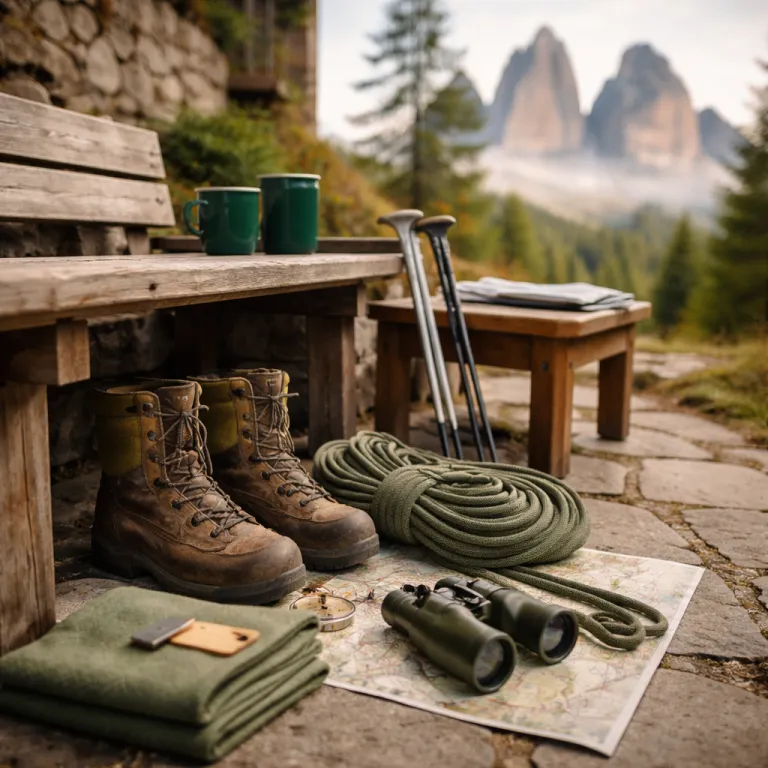
Alpine character at the foot of the Drei Zinnen
Snow-dusted roofs in Sesto, church bells from San Giuseppe, and the pale rock of the Drei Zinnen catching the last light. This is the immediate setting of the historic hotel you are considering in the Dolomites region. Located on Via S. Giuseppe 28 at about 1 310 meters above sea level, it sits in the quieter part of the village, away from the main traffic axis yet close enough to walk to the small center of San Candido by bus connection or car in around 10 minutes. The atmosphere is unmistakably alpine, but with a Central European precision that feels very South Tyrol.
Guests come here for the mountains first. The iconic Tre Cime di Lavaredo, or Three Peaks, rise just beyond the valley, and on clear days the mountain view from many rooms and terraces is the main attraction. This is not a flashy star hotel built yesterday; it is a property dating back to 1929, renovated in 2020, where the charm lies in the balance between history and updated comfort. Wood, stone, and traditional Tyrolean motifs dominate the interiors, but the wellness area and heated outdoor pool bring the experience firmly into the present.
For travelers comparing options across the Italian Dolomites, this address suits those who value direct access to nature over urban buzz. Dobbiaco, San Candido, and the cross country skiing trails of the upper Puster Valley are all within easy reach, yet evenings remain quiet, almost contemplative. If your ideal holiday combines long days outdoors with unhurried dinners and a sense of place, this Sesto base in the Zinnen Dolomites is a strong candidate.
Rooms, layouts, and what to expect as a guest
Thirty-five rooms only, spread across a historic building, create a scale that feels intimate without being cramped. You will not find endless corridors or anonymous wings here; instead, a compact layout where most rooms are a short walk from the lobby, restaurant, and wellness area. The renovation has preserved the alpine character while refreshing fabrics, bathrooms, and lighting, so the overall impression is warm rather than rustic. Think polished wood floors, thick duvets, and mountain view balconies in many categories.
Room types typically range from single room options for solo travel to larger spaces suitable for families. Solo guests, especially hikers or cross country enthusiasts, often appreciate the simplicity of a well-designed single room: enough storage for gear, a comfortable bed, and quick access to the early breakfast options. Couples tend to favor double rooms facing the Drei Zinnen or the Sesto sundial peaks, where sunrise and sunset can be watched directly from the window.
Families and small groups will want to verify the exact layout before booking, particularly if they need separate sleeping areas or additional beds. Some rooms in older alpine buildings can be more compact, so it is worth checking dimensions and configuration rather than assuming uniformity. The trade-off is clear: more character and a sense of history versus the standardized footprint of a newer resort. Guests who value atmosphere usually consider this a worthwhile exchange, especially when returning from a day in the Dolomites to a room that feels rooted in place rather than interchangeable.
Wellness area and outdoor pool in the Dolomites air
Steam rising from a heated outdoor pool while the snow line creeps down the slopes above Sesto is one of the quiet luxuries here. The wellness area is not a mega spa complex, but it is thoughtfully designed for the scale of the hotel. After a day on the trails around the Drei Zinnen, slipping into warm water with a clear mountain view can feel more restorative than any elaborate treatment menu. The focus is on essential facilities that support recovery and relaxation rather than spectacle.
Inside, expect a compact spa zone with typical alpine wellness features: saunas, relaxation spaces, and areas to cool down between sessions. The atmosphere tends to be calm, more about hushed conversations and reading than social display. Guests who prioritize wellness retreats will appreciate the balance between facilities and the surrounding nature; you are never more than a short walk from fresh air, forest paths, or the gentle sound of the Rio Sesto.
Compared with larger star hotel complexes in the Italian Dolomites, the advantage here lies in immediacy. You move from room to wellness area in minutes, without navigating multiple levels or crowded locker rooms. The trade-off is scale: fewer pools, fewer zones, but also fewer people. For many, especially couples and solo travelers seeking a quiet holiday, that intimacy is precisely the point. If your idea of an excellent wellness experience is a simple, well-kept spa framed by the Zinnen Dolomites rather than a sprawling water park, this property aligns well with that preference.
Breakfast, dining, and South Tyrolean flavors
Morning begins with the smell of coffee and fresh bread, not with a generic buffet line. Breakfast options typically reflect the dual identity of South Tyrol: Italian dolce alongside hearty alpine staples. You can expect good bread from local bakeries, mountain cheeses, cold cuts, and seasonal fruit, complemented by pastries and lighter choices for guests who prefer a more restrained start before a demanding mountain day. The emphasis is on quality and regional products rather than sheer quantity.
Evenings shift the focus to local cuisine. Knödel, game dishes in season, and pasta with herbs from the surrounding meadows often appear on the menu, alongside lighter Mediterranean plates. This is where the hotel’s commitment to promoting local culture becomes tangible: recipes, wines, and ingredients that speak of the Dolomites region rather than an anonymous international spread. Guests returning from Tre Cime hikes or cross country skiing in nearby Dobbiaco often linger over multi-course dinners, turning the meal into a quiet ritual.
Those with specific dietary needs should verify available options before booking, especially if they require extensive vegetarian, vegan, or allergy-sensitive menus. The kitchen is generally flexible, but the scale of the property means it cannot mirror the variety of a large resort. In exchange, you gain a more personal approach and dishes that feel cooked for a room of known guests rather than a crowd. For travelers who consider food a central part of their holiday, this balance of authenticity and comfort is a strong argument in favor of staying here.
Location in Sesto and access to the Drei Zinnen
Standing outside the entrance on Via S. Giuseppe, you are already oriented toward the mountains. The village of Sesto stretches along the valley, with the hotel positioned conveniently for both walkers and those relying on public transport. From here, the road toward the Tre Cime trailheads and the high plateau above the Fischlein Valley is straightforward, and in summer the first hiking routes can start almost from the doorstep. In winter, groomed paths for country skiing and cross country circuits lace the valley floor.
San Candido lies roughly 6 km down the road, a short drive or bus ride away, offering additional shops, cafés, and a slightly livelier evening scene. Dobbiaco, another key hub in the Dolomites region, is similarly close, particularly relevant for guests focused on cross country skiing events or lake walks. The position is strategic without feeling exposed; you are not right on the main traffic artery, yet you avoid the isolation of more remote hamlets like Bad Moos higher up the valley.
For travelers comparing different corners of the Italian Dolomites, this Sesto base offers a clear advantage if the Drei Zinnen and Tre Cime Natural Park are central to their plans. Cortina d’Ampezzo or Val Gardena may have more extensive shopping and nightlife, but they sit farther from the Three Peaks. Here, the mountains that dominate postcards are part of your daily horizon. Guests who value that proximity over urban diversions will find the location particularly compelling.
Summer hiking, winter skiing, and outdoor rhythm
Boots on at the entrance, and within minutes you are on a trail. That is the essential promise of this address in the Zinnen Dolomites. In summer, the network of paths around Sesto and San Candido offers everything from gentle valley walks to demanding ascents toward the Drei Zinnen and the surrounding ridges. The famous Sesto sundial peaks cast moving shadows that locals use to tell the time, a small cultural detail that underlines how deeply the mountain shapes daily life here.
Winter shifts the focus to snow. Cross country skiing enthusiasts are particularly well served, with access to the extensive tracks of the Alta Pusteria area, including loops near Dobbiaco and connections toward the Nordic arenas. Country skiing along the valley floor suits those who prefer a steady, meditative pace, while more athletic guests can push distance and elevation. Alpine skiers will find lifts within driving distance, though this is not a ski-in, ski-out star hotel complex; it is better suited to those who enjoy a varied winter holiday with snowshoeing, sledging, and walks as much as downhill runs.
Between seasons, the rhythm softens. Autumn brings larch forests turning gold, quieter trails, and crisp air ideal for long walks before returning to the wellness area. Spring can be more unpredictable, but it rewards patient travelers with snow-capped peaks above green meadows. For guests who plan their travel around outdoor experiences rather than urban attractions, this Sesto base offers a consistently strong proposition across the year.
Who this Sesto mountain hotel suits best
Not every traveler will value the same things in the Dolomites, and this is where clarity helps. This historic Sesto property suits guests who prioritize landscape, calm, and a sense of continuity over cutting-edge design or nightlife. Couples seeking a quiet holiday with long dinners, mountain view rooms, and unhurried mornings will feel particularly at ease. Solo travelers, especially hikers and cross country skiers, benefit from the manageable scale, the single room options, and the straightforward access to trails.
Families find advantages too, notably the family-friendly attitude and the possibility of larger rooms or combinations. However, those expecting extensive kids’ clubs, entertainment programs, or water slides might be better served by larger resorts in other parts of the Italian Dolomites. Here, children are more likely to be entertained by snow, forests, and the novelty of the Drei Zinnen skyline than by organized activities.
Guests who travel frequently in South Tyrol will recognize the particular blend of Italian and Austrian influences in Sesto and San Candido. If you enjoy that cultural mix, the local cuisine, and the quieter rhythm of a valley focused on outdoor life, this hotel aligns well with your expectations. If, on the other hand, your ideal stay revolves around shopping streets, late-night bars, and a highly urban atmosphere, you may want to compare with larger towns before finalizing your booking.
Practical booking considerations and how to compare
Deciding whether to book here rather than in Dobbiaco, San Candido, or another Dolomites region resort comes down to a few concrete criteria. First, clarify your priorities: direct access to the Drei Zinnen area, a historic building with modernized comfort, and a wellness area sized for a smaller guest count. If these matter more than extensive nightlife or a fully urban setting, this Sesto address stands out. Check room categories carefully, especially if you need a specific mountain view, a single room, or a configuration for families.
Seasonality is another key factor. Peak periods around summer hiking season and winter holidays see higher demand, so advance booking is wise if your travel dates are fixed. Consider how you plan to move around: guests arriving by car have maximum flexibility to explore San Candido, Dobbiaco, and even Bad Moos, while those relying on public transport should verify bus schedules, especially in shoulder seasons. Having a credit card ready for securing your reservation is standard practice and simplifies the process.
When comparing with other star hotel options in the Italian Dolomites, look beyond surface labels. Evaluate the real distance to the Three Peaks, the character of the surrounding village, and the balance between facilities and intimacy. Read a variety of reviews with a critical eye, focusing less on isolated complaints and more on recurring themes about atmosphere, service style, and guest profile. In the end, this Sesto hotel is an excellent choice for travelers who want the Drei Zinnen not just as a day trip, but as the constant backdrop to their stay.
Key facts about this historic Sesto mountain hotel
- Number of rooms: 35 rooms in total, offering an intimate scale compared with larger Dolomites resorts.
- Year of construction: The main building dates back to 1929, giving it a distinct historic character.
- Recent renovation: A significant update was completed in 2020, combining preserved architecture with modern amenities.
- Altitude: The property sits at approximately 1 310 meters above sea level in Sesto, ideal for mountain air and quick access to trails.
- Operating period: Open year-round, with different seasonal focuses such as hiking, cross country skiing, and wellness stays.
Traveler questions about staying near the Drei Zinnen
What amenities does this Sesto mountain hotel offer?
Guests can expect a well-maintained wellness area with a heated outdoor pool, spa facilities such as saunas and relaxation zones, and a restaurant serving local South Tyrolean and Italian dishes. The scale of the amenities matches the 35-room size, prioritizing comfort and calm over spectacle. Family-friendly features, including suitable room types and a welcoming attitude toward children, make it a viable option for multi-generational holidays as well.
Is this hotel suitable for families with children?
Yes, the property is generally well suited to families, particularly those who value nature-based activities. Family rooms and flexible layouts can accommodate parents and children, and the surrounding area offers easy walks, gentle sledging slopes, and accessible trails. However, families seeking extensive entertainment programs or large play zones may find more options in bigger resorts; here, the focus is on shared outdoor experiences and relaxed evenings rather than organized kids’ clubs.
How can I book a room at this Sesto hotel?
Rooms can be reserved through standard channels such as the hotel’s official website, email, or phone, using a credit card to secure the booking. Before confirming, it is wise to verify the exact room category, view, and bed configuration that best match your travel plans, especially if you need a single room, a family setup, or a specific orientation toward the Drei Zinnen. Booking in advance is particularly important for peak hiking and winter sports periods.
Is this hotel a good base for outdoor activities in the Dolomites?
It is an excellent base for guests focused on the Drei Zinnen and the wider Dolomites region. The location in Sesto offers quick access to hiking routes, Tre Cime viewpoints, and extensive cross country skiing networks around Dobbiaco and San Candido. Compared with more distant towns, you spend less time commuting to trailheads and more time on the mountain itself, making it especially appealing for hikers, skiers, and nature-oriented travelers.