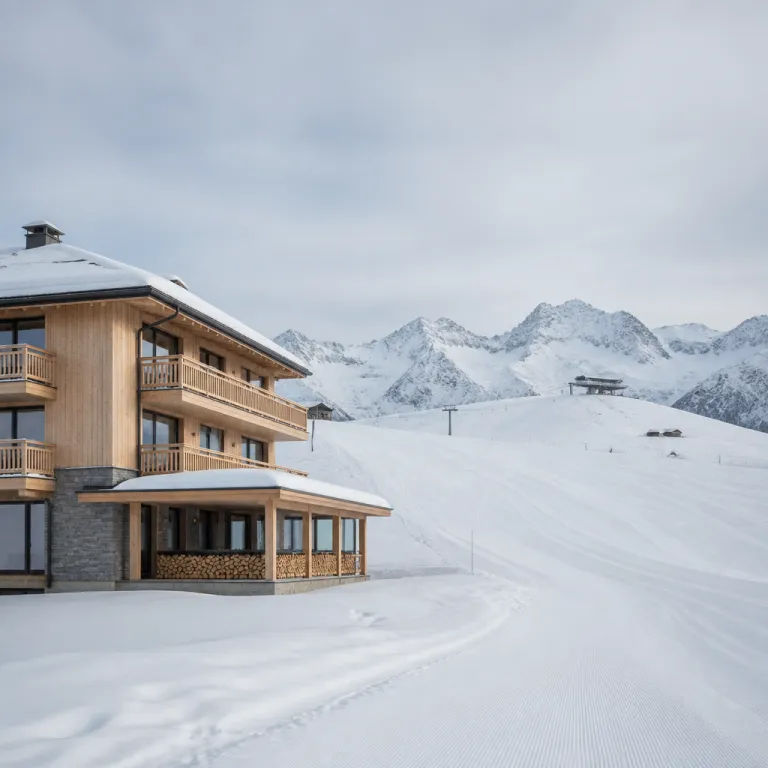
Where to Stay in Alagna Valsesia for Monterosa Ski
Why Alagna Valsesia works for a Monterosa ski stay
At the very end of the Valsesia road, Alagna feels like a cul‑de‑sac in the best sense. The mountains close in, the traffic thins, and the focus shifts to Monterosa Ski and the old Walser houses that frame the tiny centre. You are at the gateway to the Alagna–Gabiet–Passo dei Salati sector of the Monterosa Ski area, with high‑altitude terrain that has made the village a reference point for expert skiers.
For travellers searching “hotel Valsesia Monterosa Italy”, this village is the most strategic base on the Piedmont side. You are in Alagna Valsesia itself, not a satellite hamlet, which means a short walk to the lifts, the ski pass vendor, the ski school meeting points and the compact cluster of alberghi Alagna around Piazza degli Alberghi. Properties such as Hotel Cristallo, Hotel Monterosa and MH Olen Hotel Alagna sit within a few minutes on foot of the main lift base, according to typical distances shown on local maps.
The atmosphere is more mountaineer than jet‑set. Expect wooden balconies, stone roofs, and a few carefully restored Walser casa buildings rather than sprawling resorts. It suits skiers who value access and authenticity over glitz, and who like the idea of stepping out of a small star hotel and reaching the Alagna–Bocchetta delle Pisse cable car in a very short walk.
Summer changes the script. The same property that serves as a ski base becomes a trailhead hub for Alpe trails and high‑altitude refuges, with hikers tracing the old paths towards Alpe Pile and beyond. If you want one address that works in both seasons, a central Valsesia hotel in the village core is the right filter when you book. Monterosa Ski officially promotes Alagna as a dual‑season destination, with lift‑assisted hiking and panoramic terraces in the warmer months (source: Monterosa Ski resort information).
Location and access: reading the village map
Everything in Alagna happens within a compact radius. The main cluster of hotels lines the streets around Piazza degli Alberghi 12, a tiny square that effectively acts as the village lounge, with a restaurant bar here, a ski rental there, and the Monterosa Alagna lift station just a short stroll away. From the square to the Alagna–Bocchetta delle Pisse cable car station is a brief, level walk, depending on your exact address (based on village map and local signage rather than timed measurements).
From a typical central 3‑star property near this square, you reach the Monterosa Ski lifts in only a few minutes on flat ground. That detail matters on icy mornings with children, ski boots, and poles in hand. Being close to the cable car also means you can come back easily for a forgotten alarm clock, a change of gloves, or a quick espresso in the lounge. One repeat guest described it simply: “We never touched the car for a week; everything we needed was within a short walk of the hotel and lifts.”
On a village map, you will see how compact the layout is. The church, the small grocery, the ski storage shops, and most of the star hotel options sit between the river Sesia and the lift base. Staying in the centre keeps you out of the car once you arrive, which is a quiet luxury in itself. The Alagna–Passo dei Salati cable car, which links to the higher Gabiet and Gressoney side in about 15–20 minutes of total uplift time according to Monterosa Ski information, departs from this same base area.
If you prefer more seclusion, you can look at alberghi Alagna slightly away from the core, closer to the river or the road to Riva Valdobbia. You gain calm and views, but you lose the ability to step from room to restaurant in under a minute. For most skiers and hikers, a central property near Piazza degli Alberghi strikes the best balance between convenience, atmosphere and access to the Monterosa lifts.
Rooms and comfort: what to expect inside
Typical 3‑star hotels in Alagna Valsesia are intimate in scale, with around a dozen rooms rather than floors of corridors. That small size shapes the experience; you are more guest than room number, and the overview of rooms is easy to grasp from the moment you check in. Comparable central properties, such as Hotel Monterosa, follow a similar pattern, with a limited number of units and a family‑run feel.
Expect classic Alpine interiors rather than edgy design. Think carpeted floor in many rooms for warmth, wooden furniture, and simple fabrics that can handle ski gear and hiking backpacks. Some rooms can take extra beds for families, so if you travel with children, confirm the configuration when you book and ask explicitly about maximum occupancy. Many Valsesia hotel owners are on site and can advise on which room types best fit strollers, baby cots or ski bags.
Details are functional rather than flashy. An alarm clock on the bedside table, decent storage for layers, and enough hanging space for damp jackets matter more here than statement lighting. If you are used to large luxury hotels, adjust expectations; this is a traditional Valsesia hotel with a focus on practicality and mountain rhythm. Heating, hot water and reliable Wi‑Fi are the essentials, and most central 3‑star properties deliver these consistently according to aggregated guest feedback on major booking platforms.
Noise levels are generally low, especially in upper floors facing away from the square, but the village centre can be lively on peak winter weekends. Light sleepers may want to request a room at the back of the property. For many guests, the trade‑off is worth it: you gain immediacy to the lifts and the restaurant bar downstairs, while still enjoying a quieter atmosphere than in larger, purpose‑built ski resorts.
Dining, bar and village life
Evenings in Alagna revolve around a handful of tables. The in‑house restaurant of a central 3‑star property often serves as both dining room and social hub, with a bar corner where skiers debrief the day on Monterosa over a glass of Nebbiolo. In winter, it is common to see guides and local instructors stopping by for a quick drink after the last run from Passo dei Salati.
Menus tend to lean on Piedmont and mountain staples rather than experimentation. Expect polenta with local cheese, hearty soups, and game dishes in winter; lighter plates and salads in summer when hikers return from Alpe routes. Having a restaurant bar on site is a quiet advantage when the weather closes in and you prefer not to wander the village in snow. Many alberghi Alagna also offer half‑board formulas, which can be convenient if you plan long days on the slopes.
Step outside and you are within a short walk of other restaurants and cafés in the centre. This allows you to alternate between the hotel restaurant and neighbouring addresses without needing a car. For longer stays, that variety matters more than any single “top” table. Small wine bars and pastry shops around Piazza degli Alberghi and the church square add to the sense of a lived‑in mountain village rather than a purely seasonal resort.
Breakfast is usually straightforward and early enough for first lifts. If you are planning a serious ski day across the Monterosa ski area, confirm breakfast times at check‑in so you can align your first cable car. The village has a small grocery and bakery within walking distance if you prefer to assemble your own snacks for the slopes. In summer, many guests pick up picnic supplies here before heading towards Alpe Pile, Rifugio Pastore or higher refuges.
Ski, hiking and mountain logistics
From a skier’s perspective, the location is the main asset. Being only a short walk from the Monterosa Ski base station means you can collect your ski pass, drop children at lessons, and still catch early cabins without stress. Many guests treat the hotel as an extension of the lift station; boots on, a few minutes outside, and you are at the gondola. Monterosa Ski indicates that the Alagna–Bocchetta delle Pisse cable car runs with regular departures in high season, which helps keep queues manageable compared with larger Italian resorts (source: Monterosa Ski lift timetable).
Look for practical facilities when you compare options. A dedicated ski storage room on the ground floor, racks for poles, and a place to dry boots overnight make a tangible difference over a week. Some properties also coordinate with the local pass vendor, simplifying ski pass collection at check‑in, though the main sales point remains at the lift. For off‑piste or freeride days, many skiers arrange guiding through local offices in the village centre, which are reachable on foot from most hotels.
In summer, the same infrastructure serves hikers and climbers. Trails towards Alpe Pile and higher refuges start within walking distance of the centre, so you can leave the property on foot, cross the bridge over the Sesia, and be on a marked path within minutes. For those planning early starts, the reliability of wake‑up calls or that simple bedside alarm clock becomes more than a detail. Local hiking maps and information boards near the lift station outline approximate walking times and elevation gains for the main routes.
If you travel with pets, verify in advance whether pets are allowed and under which conditions. Some Valsesia hotel options in the village accept small dogs in specific rooms only, often with restrictions in the dining room. Clarifying this before you book avoids awkward conversations at check‑in. It is also worth asking about nearby walking areas along the Sesia river, where you can take dogs for short morning and evening strolls.
Who this Alagna Valsesia stay suits best
This corner of Valsesia is not for travellers seeking a large spa, designer lobbies, or extensive resort facilities. It is for those who value proximity to the lifts, a human‑scale property, and the feeling of staying in a real mountain village rather than a purpose‑built station. The overall impression is closer to a traditional Alpine hamlet with serious skiing than to a high‑profile, nightlife‑driven resort.
Experienced skiers who come primarily for the Monterosa terrain will appreciate the efficiency. You wake up, cross Piazza degli Alberghi, and you are on the cable car in minutes. The 3‑star hotel format, with its compact number of rooms and straightforward services, suits couples, small groups of friends, and families who want a reliable base rather than a destination resort. Freeriders in particular value the direct access to the Alagna side of Monterosa Ski, known for its long vertical drops and off‑piste itineraries (as highlighted in many independent ski guides).
Hikers and climbers find the same advantages from late spring to autumn. Being in the centre of Alagna Valsesia keeps you close to guides’ offices, bus stops, and the start of valley paths. You can return from a long day on the Alpe trails and be at your room, showered and seated in the restaurant bar, in very little time. For multi‑day hut trips, staying near the lifts and transport stops simplifies both the departure and the return.
If you prefer ultra‑quiet evenings, you might consider a guesthouse slightly outside the core, trading the immediacy of the centre for more seclusion. But for most travellers searching for a hotel in Valsesia near Monterosa, a central 3‑star address by Piazza degli Alberghi offers the most balanced answer to the question of where to stay. It combines walkable access to the Monterosa Ski lifts with the everyday services of a lived‑in village.
Is Alagna Valsesia a good base for Monterosa Ski?
Yes. Alagna Valsesia is the most practical base on the Piedmont side of Monterosa Ski if you want direct access to the lifts and a real village atmosphere. A central 3‑star hotel near Piazza degli Alberghi sits only a short walk from the cable car, which makes it ideal for skiers and snowboarders who prioritise time on the mountain over resort‑style facilities. Monterosa Ski itself presents Alagna as one of the three main gateways to the area, alongside Gressoney and Champoluc (source: official resort overview).
How far are the hotels from the ski lifts?
Typical central properties in Alagna Valsesia are only a few minutes on foot from the Monterosa Ski base station on flat terrain. Other alberghi Alagna options in the village centre are similarly close, usually within a short, easy walk. Only accommodations on the outskirts require a longer walk or a short drive. Distances on the village map show that most central hotels sit within a compact band around the Alagna–Bocchetta delle Pisse cable car station.
What kind of rooms and facilities can I expect?
You can expect classic 3‑star hotel rooms with carpeted floors in many units, simple wooden furniture, and practical storage. Some rooms can accommodate extra beds for families, so it is worth checking configurations before you book. Facilities typically include a restaurant, a bar, free on‑site parking, and a dedicated ski storage area on the ground floor. In several central Valsesia hotels, you will also find drying racks for boots, Wi‑Fi in common areas, and reception staff who can provide basic information on Monterosa Ski passes and lift opening times.
Is this area suitable for non‑skiers?
Yes, the village works well for non‑skiers who enjoy mountain scenery, walking, and a quiet pace. From a central hotel you can explore Walser architecture, stroll along the Sesia river, or take the lift up simply for views. In summer, hiking routes towards nearby Alpe areas start close to the centre, making it a good base for gentle walks as well as more serious treks. Non‑skiers can also use the cable cars as scenic lifts to reach panoramic terraces and mountain restaurants without needing skis (as indicated in Monterosa Ski summer information).
Can I bring pets to hotels in Alagna Valsesia?
Some Valsesia hotel options in Alagna do accept pets, usually small dogs, but policies vary by property and by room type. Always confirm in advance whether pets are allowed, whether there are extra cleaning fees, and if there are restrictions on access to the restaurant or common areas. When you book, mention the size and breed of your dog so the hotel can advise on suitable rooms and nearby walking routes along the river or towards the edge of the village.
