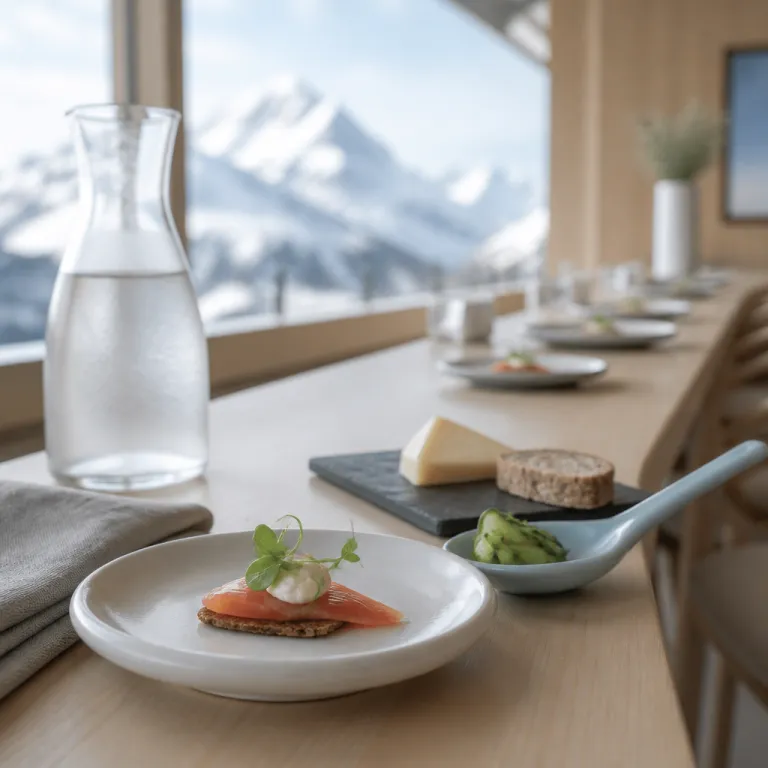
Alpine hotel bars: the smartest tables for family dining in the mountains
Why the bar has become the smartest table in alpine hotel dining
On a busy February evening in Zermatt, a family skips the white tablecloths of the main restaurant and settles at the polished counter of an alpine hotel bar. Within minutes, the children are sharing grilled chicken sliders and ice cream while the parents explore a serious wine list and watch the open kitchen at work. Across the alpine region, this is now the most interesting way to experience hotel dining, and it is quietly reshaping how premium families plan every day in the mountains, from breakfast to late night snacks.
Industry reports from alpine tourism boards and major hotel groups describe a clear rise in bar dining, with many properties now treating the counter as a fully fledged restaurant rather than a waiting area. A 2023 Swiss Tourism survey, for example, noted that more than 60% of newly renovated alpine hotels added expanded bar menus with full dining options. In practice, that means the same alpine hotel kitchen that sends out a multi course fine dining tasting menu in the main dining room is also plating grilled chicken sandwiches, freshwater fish and elevated comfort food at the bar with less ceremony and more flexibility. For a premium family, this is where great food, a thoughtful wine list and relaxed timing finally align.
Traditional dining tables are being complemented by bar experiences, and the impact is obvious as soon as you sit down. You still access the full wine list, but you also see craft beers poured, dining drinks mixed and bar snacks assembled in front of you, often from an open kitchen that feels more like a lively inn restaurant than a palace dining room. Alpine inn and alpine hotel teams use the bar to test new dining options, from wood fired trout to braised lamb on pumpkin purée, so the counter becomes the most creative restaurant seat in the house and a smart alternative to the classic hotel dining room.
From breakfast to apres ski: how families really eat in alpine hotels
For families, the rhythm of alpine hotel dining starts at sunrise, not at the late seating of a tasting menu. You want to start the day with a breakfast that actually fuels skiing, hiking or sledging, then keep enough flexibility for a casual lunch and an early dinner that fits children’s energy levels. The smartest alpine inn teams now design their menus around this family pattern rather than around a single grand restaurant service that assumes everyone eats late.
Look for properties where the cafe serves a proper breakfast lunch crossover, so you can sit in the bar or bistro with eggs, pastries and great coffee at 07:30, then return at 11:30 for soup, salad or grilled chicken without changing spaces. In many alpine hotel settings, the same dining room that hosts a formal fine dining menu at night becomes a relaxed breakfast room with mountain views and a quieter soundtrack. When you book accommodation rooms, ask whether breakfast is served only in the main restaurant or whether the bar and lobby lounge also offer breakfast options for children who wake early and want to start the day before ski school.
After skiing, the real test is the apres ski spread. Some hotels still push guests toward a long lunch dinner in the formal restaurant, but the more forward thinking alpine properties now serve generous bar menus with great food from mid afternoon until early evening. At family focused resorts such as those in Zermatt or St. Anton, you might find sliders, roast chicken, ice cream for the children and a glass from the wine list or a round of craft beers available at the counter. That means you can order comfort food and bistro style plates without committing to a three hour service, which is exactly how premium families prefer to eat between runs, spa time and the short walk back to their accommodation.
Open kitchens, humble dishes and the rise of the hotel bar menu
Walk into the right alpine hotel bar and you will see the kitchen, not the maître d’, setting the tone. Open kitchens have moved from headline restaurants into bar counters, where chefs plate freshwater trout, char and pike in front of guests who might still be in ski pants. This is where humble dishes turn gourmet and where the hotel dining story feels most honest, because you watch every plate leave the pass and see how seriously the team treats even a simple chicken schnitzel or bowl of soup.
Industry research on gastronomy trends highlights how bar centric tasting menus, interactive dining experiences and a focus on local and seasonal ingredients are redefining expectations. In the alpine region, that translates into wood fired vegetables, braised lamb with pumpkin purée, Swiss style filet mignon with yoghurt chimichurri and pearl onions, and even elevated chicken schnitzel, all served in spaces that feel more like a neighbourhood alpine inn restaurant than a palace dining room. At properties such as Chedi Andermatt or Rosa Alpina, the same kitchen talent that executes fine dining plates now uses the bar to experiment with shorter menus, sharper pricing and more flexible dining options for families who want a casual atmosphere without sacrificing quality.
Hotel teams have noticed that guests increasingly ask whether bar menus differ from main dining menus, and the answer is often yes, they feature exclusive dishes and pairings. As one food and beverage director at a five star alpine hotel in Andermatt put it, “our bar is now the most dynamic restaurant in the building; it is where families actually eat.” That might mean a bar only wine flight built around small alpine producers, or a bistro style lunch dinner menu that runs from midday until late, so you can eat when children are actually hungry. If you care about how the Alps stopped chasing Michelin stars and started winning them, you will find the most convincing proof in these relaxed bar spaces rather than in the most formal restaurant on property.
Where to sit: terrace, counter or inn restaurant for the best alpine views
Choosing the right seat in an alpine hotel can change the entire meal, especially when you travel with children. A terrace table with a wide mountain view might be perfect for a slow lunch, while a bar stool near the open kitchen suits a quick breakfast lunch stop between ski school and spa. The key is to match each part of the day with the right space and the right level of formality, so every meal feels easy rather than choreographed and you can move naturally between bar, bistro and main restaurant.
Many alpine hotels now treat their bars as fully fledged restaurants, with a dedicated bar menu, a curated wine list and staff trained to guide you through both dining drinks and food. You might find live music on certain evenings, which turns a simple plate of great food into an easy family night out without leaving the accommodation. When you reserve, ask whether the inn restaurant allows children in all areas, and whether the bar or cafe serves a reduced kids’ menu so younger guests can eat earlier while adults linger over wine or craft beers and enjoy the mountain view from the counter or lounge.
Some properties go further and blend activity with dining, such as mountaintop restaurants reached by gondola where the terrace doubles as an apres ski lounge. In these settings, the line between bar, bistro and restaurant blurs, and you can move from ice cream for the children to a serious glass of wine without changing venues. For premium families, this flexibility means you can enjoy alpine hotel dining that feels both special and practical, with accommodation rooms only a short lift ride away when bedtime arrives and the day on the mountain finally ends.
How to book alpine hotel dining that works for premium families
Planning a luxury alpine trip now means booking tables as carefully as you book accommodation rooms. You are no longer choosing only between a single hotel restaurant and room service, because the best alpine hotel dining often happens at the bar, in the cafe or in a casual bistro corner. The smartest families reserve a mix of spaces across their stay to match different moods, energy levels and weather on the mountain, from a relaxed bar lunch to a celebratory fine dining evening in the main restaurant.
Before you confirm any alpine inn or hotel, study how many dining options are genuinely available on site, not just how many names appear on the brochure. Ask whether the cafe serves a real breakfast, whether the bar offers a separate menu for lunch dinner, and whether there is a relaxed dining room where children are welcome in ski gear after apres ski. You want a property where you can start day one with a strong breakfast, grab a quick lunch with great food and end with either fine dining or comfort food at the bar, depending on how everyone feels and how long you have been on the mountain that day.
Hospitality reports now underline that alpine hotel bars are becoming popular for dining because they offer unique menus and intimate atmospheres. A recent analysis by a leading European booking platform found that alpine hotels offering substantial bar menus account for well over half of new four and five star openings in the region, which means you can be selective and choose the places that align with your family’s rhythm. Reserve bar seating in advance, explore bar specific menus and engage with bartenders for recommendations, because this is where the most thoughtful wine list curation, the most flexible dining drinks service and the most family friendly food now quietly live in the Alps, from family dining Zermatt bar menu concepts to cosy St. Anton bistro counters.
FAQ
Why are alpine hotel bars becoming popular for dining ?
Alpine hotel bars are becoming popular for dining because they combine serious cooking with relaxed service and flexible hours. Families can order from a focused menu, enjoy great food and still keep children on a realistic schedule after a long day on the mountain. The atmosphere is usually more intimate than the main restaurant, which suits guests who want quality hotel dining without formality and appreciate a casual bar setting for apres ski or a simple bistro style supper.
Do bar menus differ from main hotel restaurant menus ?
In many alpine hotels, bar menus differ from the main restaurant menus and often feature exclusive dishes and pairings. Chefs use the bar to test new recipes, highlight local ingredients and offer more casual options such as shared plates, grilled chicken or elevated comfort food that feels right at the counter. You still benefit from the same kitchen talent and wine list, but with less ceremony, more spontaneity and dining options that suit families who prefer flexible timing.
Is bar seating usually available without reservation in alpine hotels ?
Availability varies by property and by season, but bar seating in alpine hotels often fills quickly during peak apres ski hours. Some hotels keep a portion of the bar for walk ins, while others treat the counter as a bookable dining room with specific time slots. If you travel during school holidays or weekends, reserving bar seats in advance is the safest strategy, especially if you want specific views, a quieter corner for children or a front row seat at the open kitchen.
How can families get the most from alpine hotel dining options ?
Families get the most from alpine hotel dining by mixing spaces and times rather than relying on a single formal dinner. Book one or two evenings in the main restaurant, then plan several meals at the bar, cafe or bistro where children can eat earlier and move around more freely. Always ask about kids’ menus, high chairs and whether the cafe serves breakfast lunch style dishes throughout the day so you can adapt to changing plans, weather and energy levels without sacrificing great food.
Are bar centric dining experiences suitable for children in luxury alpine hotels ?
Bar centric dining experiences in luxury alpine hotels are increasingly designed with families in mind, especially in resorts that attract premium leisure travellers. Many bars now offer non alcoholic dining drinks, ice cream and simple dishes alongside more complex plates and a serious wine list. When you book, confirm that the bar area welcomes children and ask for quieter seating away from the busiest counter spots so the experience feels relaxed rather than overwhelming, with easy access back to your accommodation rooms when the day is done.