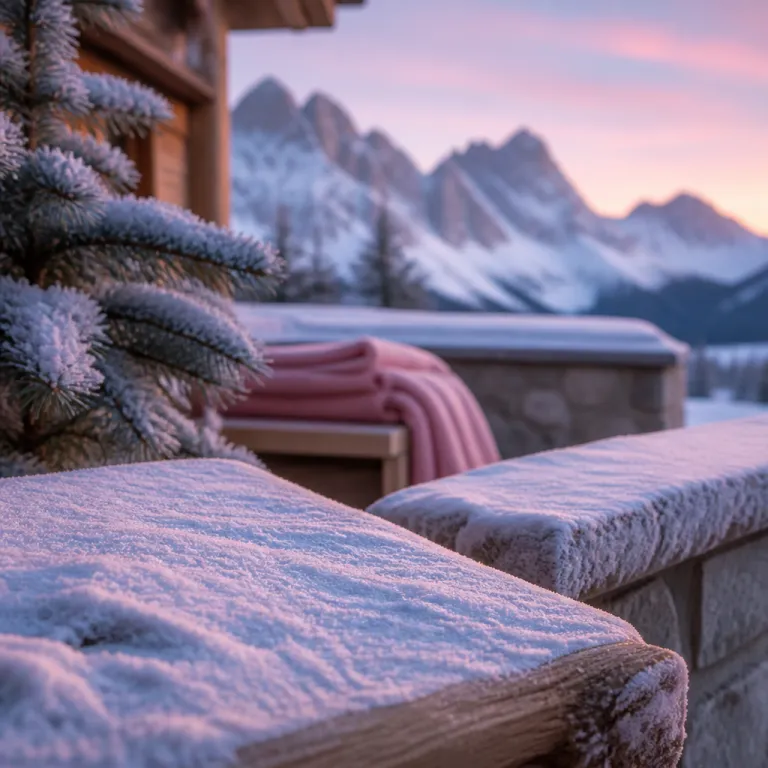
Reading the Cortina snow report for a luxury ski stay
The daily snow bulletin for Cortina d'Ampezzo is your compass for a refined alpine escape. When you book a premium hotel in Cortina d'Ampezzo, this report quietly shapes every ski decision you make, from first lift in the morning to the last drink in the evening. Treat it as a curated briefing on snow conditions, wind patterns, and how the mountain actually feels hour by hour.
For high-end travellers, the value lies in translating raw data into tailored experiences that match your expectations of comfort and service. A precise Cortina snow report will detail fresh snowfall, snow depth at the base and mid-mountain, and whether the main ski sectors are fully open or only partially operating. Luxury concierges often cross-check these updates with live feedback from ski instructors to advise whether a powder day or a relaxed spa afternoon will suit you better. As one head concierge at a five-star property explains, “We read the technical charts at 6 a.m., then translate them into simple choices for our guests: which slopes, what time to ski, and where to end the day with a glass of wine.”
In Cortina, the official snow report is issued by the local lift company, which manages roughly 120 km (about 75 miles) of skiable terrain and more than 70 marked runs across the wider area (Dolomiti Superski data). Their bulletins combine natural snowfall, artificial snow from advanced snowmaking, and grooming updates to give a realistic picture of the ski season. Key sectors such as Tofana (up to about 2,824 m), Faloria (around 2,123 m), and Lagazuoi (about 2,800 m) are listed with separate snow depth figures, so you can see at a glance where conditions are strongest. When you read that snow depth has increased overnight and that fresh snow has settled with low wind speed, you can confidently plan a long ski day followed by a late-night tasting menu back at your hotel.
How seasonal timing and snow depth shape luxury hotel choices
Timing your stay around the latest mountain conditions is essential when you are choosing between the most exclusive hotels in the Ampezzo valley. The ski season in Cortina d'Ampezzo typically starts in late November and runs into spring, but the quality of snow cover varies significantly between early, peak, and late-season days. A detailed snow forecast will highlight when fresh snow is likely, how snow depth will evolve, and whether rain or strong winds could temporarily affect the slopes.
Early in the season, snowmaking and grooming machines build a reliable base of compact snow on key pistes, while luxury properties often offer attractive packages to encourage longer stays. During peak season, when the snowpack is usually strongest and most ski areas in the Dolomites are fully open, premium hotels near the main ski lifts become highly sought after. This is when you should follow every snow update closely and book well ahead, using planning tools such as a valley-by-valley calendar for where to stay in the Alps in May on a detailed seasonal lodging guide to understand how late snow might influence shoulder-season stays.
Late in the season, the daily bulletin will often show a strong base at higher altitude but softer snow in the afternoon, especially on sunny days. Luxury travellers can respond by skiing in the morning when the surface feels firmer, then returning to their hotel spa or panoramic terrace in the evening. When rain is forecast at village level, concierges may suggest private transfers to higher ski resorts within the Dolomiti Superski area, where snow conditions and snow depth can remain excellent for a final powder day. As a practical rule of thumb, many regular guests target three main “powder windows”: early December cold spells that build the first deep base, mid-January to early February when storms often refresh north-facing slopes, and late March snowfalls that combine fresh cover with longer, sunnier afternoons.
Interpreting weather, wind, and how the mountain really feels
Reading a Cortina snow report is not only about centimetres of snow depth; it is about understanding how the mountain will feel on your skin. Temperature, wind speed, and humidity all influence whether the snow feels crisp, grippy, or heavy under your skis. A day with moderate wind and dry fresh snow can feel perfect, while a similar snow depth combined with strong gusts and damp air can feel far less comfortable.
Luxury hotels in Cortina d'Ampezzo often provide personalised briefings each morning, translating the technical information into clear advice for families, expert skiers, and non-skiers. They will explain whether the wind on exposed ridges might close certain lifts, how the snow conditions will evolve from morning to evening, and whether a night of fresh snow has created safe powder on groomed runs. If rain is expected in the valley but the snow forecast shows snowfall at higher elevations, staff may recommend a later start so you ski when the weather feels calmer. One family-focused concierge notes, “If the wind picks up after lunch, we’ll move children to sheltered slopes and keep the afternoon fun rather than tiring.”
Guests travelling with children appreciate this interpretation even more, especially when planning activities beyond the main ski area. On days when the bulletin suggests limited visibility or strong wind, a family might choose indoor pools, gentle sledging areas, or kid-friendly excursions recommended in a parents’ plan for summer in the Alps that also inspires winter ideas on family activities in the Alps. By aligning your expectations with the real feel of the mountain, you ensure that every day and night of your stay matches the standard of your luxury hotel.
Planning daily itineraries from morning powder to evening aperitivo
A refined alpine holiday in Cortina begins each morning with a careful look at the latest snow and weather update. When you see that fresh snow has fallen overnight and that the snow depth on north-facing slopes is strong, you can plan an early start to chase powder before the pistes become busy. On such days, many luxury hotels arrange private transfers to quieter sectors of the ski area, where the surface remains pristine for longer.
On other days, the report may show stable snow depth but rising temperatures and light wind, suggesting that the snow will feel firmer in the morning and softer by late afternoon. This is ideal for guests who prefer a relaxed breakfast, a mid-morning ski session, and a long lunch on a panoramic terrace overlooking Cortina d'Ampezzo. When the evening forecast mentions clear skies and no rain or strong gusts, you can extend your day with night-time strolls through the village before returning to your suite.
Luxury concierges also use historical snow reports to advise guests who plan trips months ahead, especially around key holiday periods when travellers from Japan and other long-haul markets often combine summer hiking with high-altitude snowfields. Even though July or August are outside the main ski season, some high passes can still hold patches of lingering snow that feel magical for first-time visitors. For winter stays, your hotel may suggest midweek arrival patterns to avoid peak weekend crowds while still enjoying the best snow conditions across interconnected ski resorts. A simple packing tip is to bring layered technical clothing and a light down jacket for village evenings, as temperatures can shift quickly between sunlit terraces and shaded streets.
Choosing the right luxury hotel by proximity to ski terrain
Where you sleep in Cortina directly affects how you use the daily snow bulletin each day. Properties close to the main lifts allow you to react quickly when the forecast announces sudden fresh snow or when wind speed threatens to close higher sectors. Guests in these hotels can step onto the slopes within minutes, maximising any powder window highlighted in the latest updates.
Some luxury hotels sit slightly away from the busiest access points, trading immediate slope access for privacy, larger suites, and exceptional spa facilities. For these guests, concierges monitor every report and arrange flexible transfers so that you still reach the best snow depth and surface quality without stress. When the base area feels crowded or when rain is expected at village level, they may guide you toward alternative ski resorts within driving distance, where fresh snow and calmer wind create a more refined experience.
If you travel with non-skiers, consider hotels that balance easy access to Cortina d'Ampezzo slopes with proximity to shopping streets, cultural sites, and winter walking paths. On days when the mountain bulletin suggests strong wind or heavy snowfall, non-skiers can still enjoy the village while you explore higher terrain. For curated ideas on how to combine skiing with fine dining, spa rituals, and off-slope elegance, consult a refined guide to things to do in Cortina on luxurious alpine experiences in Cortina before finalising your booking.
How technology, climate, and global travellers influence Cortina snow reports
The quality of the Cortina snow report today reflects both technological progress and changing climate patterns. Cortina d'Ampezzo is part of the Dolomiti Superski network, which uses advanced snow cannons, grooming machines, and a network of sensors to measure snow depth and track conditions across dozens of lifts and runs (Dolomiti Superski official information). This data-driven approach allows the operator to issue bulletins that are precise enough for luxury hotels to plan high-end services around them.
Climate trends have increased the reliance on artificial snow, especially at lower elevations and during warmer days in the early and late season. Rising temperatures can bring more frequent rain events at village level, which is why the snow forecast now pays close attention to the rain–snow line and potential combinations of precipitation and wind. As the resort diversifies into summer activities, the same measurement culture that underpins winter snow reports also supports hiking, cycling, and high-altitude experiences for guests arriving in July or August.
Global travellers, including a growing number of guests from Japan, expect transparent information about snow conditions and how they will feel on the slopes. Luxury hotels respond by integrating live Cortina snow data into their apps, in-room tablets, and concierge briefings, so that every day and night of your stay is planned with confidence. The resort publishes its winter operating period each year, and this commitment to clear timelines helps premium travellers align flights, transfers, and hotel bookings with the most reliable part of the ski season. On the official Cortina and Dolomiti Superski websites, the snow report is usually stamped with a “last update” time and date, allowing you to see exactly when figures for snow depth, open lifts, and avalanche risk were refreshed.
Using Cortina snow reports to compare Alpine luxury destinations
For travellers choosing between Cortina and other high-end ski resorts in the Alps, the local snow report becomes a powerful comparison tool. By tracking snow depth, fresh snow frequency, and wind speed over several days, you can see how consistently the ski area maintains premium conditions. This matters when you are investing in a suite, private guiding, and fine dining across an extended stay.
Some guests compare Cortina d'Ampezzo with Swiss or French resorts, while others weigh it against long-haul destinations such as Japan, where legendary powder days attract expert skiers. Cortina's strength lies in its combination of reliable snowmaking, detailed daily bulletins, and the cultural richness of an Italian mountain town that feels vibrant from morning to late evening. When reports show that the base is strong and that most lifts are open, you gain the confidence to commit to longer itineraries that include spa days, shopping, and gastronomic nights.
When you analyse multiple snow reports across a season, patterns emerge that help you choose the right travel window. Weeks with repeated fresh snow and low wind often align with the most memorable powder experiences, while periods with more frequent rain or variable weather may be better for guests who prioritise wellness and dining over aggressive ski schedules. By combining this analytical approach with the personalised advice of luxury concierges, you can ensure that every day in Cortina aligns with the level of refinement you expect from a premium Alpine escape.
Key figures behind Cortina snow and ski operations
- Cortina d'Ampezzo offers access to roughly 120 km (about 75 miles) of skiable terrain within the wider area, providing ample variety for luxury travellers who want different snow conditions and difficulty levels during a single stay (Dolomiti Superski official data).
- The ski resort operates more than 70 marked trails, which allows snow reports to specify snow depth and grooming status by sector, helping concierges match runs to each guest's ability (Dolomiti Superski official data).
- There are several dozen lifts across the Cortina ski area, including key access points such as the Freccia nel Cielo gondola toward Tofana and the Faloria cable car above the town, so wind speed and weather updates in the daily bulletin directly influence which sectors remain open on any given day (Dolomiti Superski official data).
- The defined winter season typically runs from late November into early May, giving luxury hotels a long window to design packages around peak powder days and softer spring snow (Cortina d'Ampezzo lift company communications).
FAQ about Cortina snow reports and luxury hotel stays
When does the ski season usually start in Cortina d'Ampezzo?
The ski season in Cortina d'Ampezzo generally begins in late November, when a combination of natural snowfall and artificial snow creates a solid base on key pistes. The official operator publishes an opening date each year, and the first Cortina snow report of the season confirms which lifts and sectors are open. Luxury hotels often align their main winter packages with this start, ensuring that guests arrive to reliable snow conditions.
How should I use the Cortina snow report when booking a luxury hotel?
Use the Cortina snow report to understand typical snow depth, frequency of fresh snow, and wind patterns for your preferred travel window. If you value powder days, look for periods when historical bulletins show repeated fresh snow and stable temperatures. For guests who prioritise spa time and village life, slightly warmer days with softer snow can still feel ideal, especially when most lifts remain open.
Is Cortina suitable for both expert skiers and beginners staying in premium hotels?
Yes, Cortina d'Ampezzo offers a wide range of terrain, from gentle beginner slopes near the base to challenging runs and off-piste zones for advanced skiers. The daily snow report highlights which areas have the best conditions, allowing instructors and concierges to guide each guest to suitable pistes. Luxury hotels often work closely with ski schools to match private lessons with the most favourable snow depth and weather on any given day.
What happens if rain or strong wind is forecast during my stay?
If the Cortina snow report predicts rain at village level or high wind speed on exposed ridges, luxury hotels adapt quickly. Concierges may recommend skiing in more sheltered sectors, shifting your main ski session to the morning, or focusing on spa and dining experiences while the weather passes. Because the ski area has multiple zones at different elevations, there is often a nearby sector where snow conditions remain comfortable even when the base feels wet.
How does Cortina compare with other Alpine destinations for snow reliability?
Cortina combines extensive snowmaking infrastructure with natural snowfall, which supports reliable snow depth on key pistes throughout the season. While some higher-altitude resorts may have colder temperatures, Cortina's detailed snow reports and grooming practices ensure that main runs stay skiable even during warmer spells. For luxury travellers, this balance of snow reliability, Italian hospitality, and village atmosphere makes Cortina a compelling alternative to other famous ski resorts in the Alps.