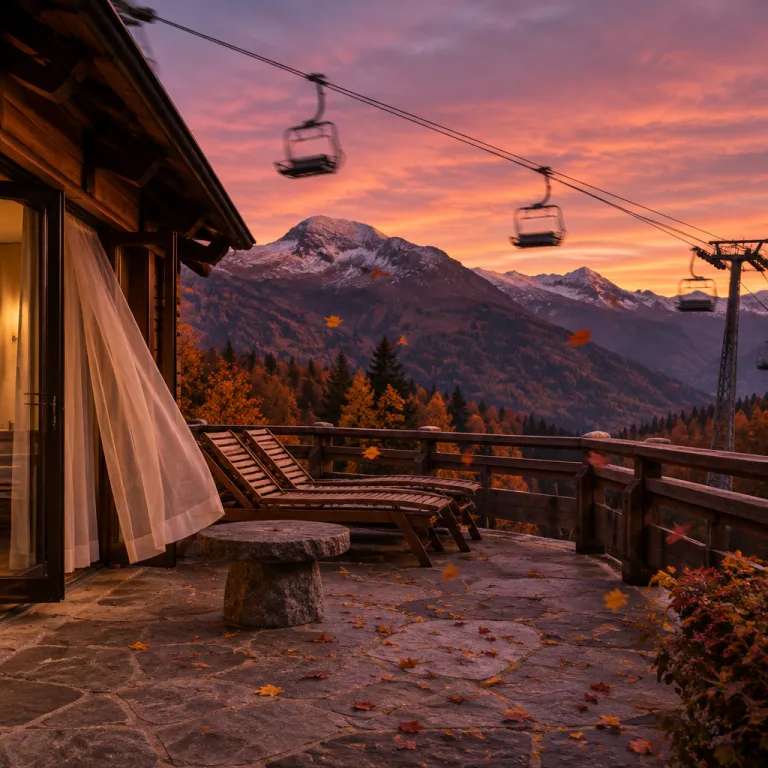
October in the Alps: when a private luxury alpine retreat feels truly empty
By October, the mountain paths are quiet and the last summer walkers have gone. This is when a private luxury alpine retreat finally feels like a genuine sanctuary, because the Alps shift from high season spectacle to low density calm. For couples used to busy resorts, the contrast between the crowded summer months and these almost silent weeks is striking.
Across the alpine region, many properties pivot from activity led programming to privacy first hospitality, and the best mountain chalets lean into this slower rhythm rather than fighting it. A private chalet or villa style rental that might feel busy in February suddenly becomes a secluded alpine retreat, with staff focusing on tailored service instead of volume. Space, quiet and the ability to shape your own stay become the real luxury travel markers, more than any marble lobby or oversized spa.
When you book a private alpine hideaway in October, you are not paying for queue free lifts or packed terraces, you are investing in stillness and mountain views that you rarely share. A well run collection of private chalets and villas will be honest about this shift, positioning October as a retreat for reflection rather than entertainment. In internal booking data from several French and Swiss resorts, average occupancy in late October often drops below 40 percent, and for the right couple that change of pace is exactly what turns a high altitude property into a private mountain sanctuary.
Hidden alpine locations where low density is the main amenity
Some locations in the Alps wear October better than others, and the most rewarding private luxury alpine retreat often sits just a short drive from the headline resort. In France, the quiet hamlets above Megève or the side valleys near Chamonix shelter mountain chalets that feel almost rural once the lifts stop, yet you still reach a Michelin level restaurant or a serious wine list within twenty minutes. In Switzerland, the car free lanes of Wengen or Mürren empty out after the hikers leave, turning a private chalet with a hot tub into a front row seat on the north face of the Eiger rather than a postcard backdrop shared with thousands.
Italy’s Dolomites offer a different alpine retreat mood in October, with larch forests turning copper and the air already sharp, and here a private alpine sanctuary near San Cassiano or Ortisei can feel like a discreet villa style experience wrapped in Ladin culture. Austria’s Lech and Zürs, so intense in winter, become almost village like again, and a couple can book a high level chalet where the only evening noise is cowbells and the occasional church bell. If you want a taste of this slower rhythm at altitude, the refined mountain travellers who head to the Refuge du Lac Blanc understand that true luxury in October is measured in silence and sky, not in square metres.
These locations suit travellers who value privacy over proximity to nightlife, and who see a private mountain setting as an asset rather than an inconvenience. When you choose such a secluded property, you trade instant access to shops for uninterrupted mountain views and the feeling that the valley belongs to you. For many couples, that trade is exactly what defines a private luxury alpine retreat in these emptiest weeks, and local tourism offices in resorts such as Chamonix, Zermatt or Val Gardena routinely describe late October as a genuine off season window.
Inside the private chalet: slow luxury, attentive management and real privacy
Step inside a well run private chalet in October and the change in tempo is immediate, because the management is no longer stretched by peak season demands. A smaller guest list means the équipe can raise the level of attention, turning standard amenities into personalised rituals that make your stay feel like a private luxury alpine retreat rather than a conventional hotel booking. When there are only a few chalets occupied, the team will often adjust breakfast times, spa access and even housekeeping around your preferred rhythm.
Many retreats offer a private chef in these shoulder weeks, since the kitchen is not servicing a full dining room, and this transforms the chalet into a genuine sanctuary where dinner is tailored to your pace and appetite. A hot tub that might be shared in winter becomes effectively private, and mountain views from the terrace feel more intense when you are not hearing neighbouring conversations. In this context, luxury is not about spectacle; it is about the quiet confidence of a property that can slow down without losing service quality, and several chalet managers report that guest satisfaction scores in October rival those of peak winter weeks.
For couples comparing options, a curated collection of private chalets open in summer and winter often hides its best value in October, when nightly rates soften but the experience deepens. In many high end resorts, premium properties price late October at 20 to 30 percent below February peaks, yet keep the same core team in place. The main content of your stay becomes time and space, not activities, and you can almost skip main resort attractions without feeling you are missing out. If you want more ideas on how shoulder seasons reshape high altitude stays, the guide on how weather in the Italian Dolomites shapes your luxury stay season by season explains why these quieter weeks can be the most rewarding.
What October really offers: space, silence and an honest tradeoff
Choosing an alpine retreat in October means accepting that some amenities will be limited, because many restaurants close and lift operations pause between seasons. In several French and Swiss ski areas, for example, summer lifts typically stop by late September and winter openings do not begin until late November or early December. Days are shorter, weather can swing from golden afternoons to early snow, and you need to read the terms and conditions of each property carefully to understand what is actually available during your stay. Yet for travellers who value privacy, these constraints are precisely what keep density low and turn a private luxury alpine retreat into a rare kind of sanctuary.
Space becomes the new status symbol, and a private mountain chalet with only two occupied neighbours feels more exclusive than any crowded five star lobby. You may have fewer spa treatments on the menu, but the therapist has time to talk, adjust and remember your preferences, which is a different level of service. When retreats offer flexible dining with a private chef or curated local deliveries instead of a full restaurant, you gain intimacy even as you lose choice.
This season suits couples and solo travellers who do not need constant entertainment, and who see reading by the fire or walking quiet trails as the main content of their trip. If you are curious about other under the radar stays that prioritise calm over spectacle, the guide to hidden gems in the Alps highlights properties where low density is part of the design. For these guests, a private luxury alpine retreat in October is not a compromise; it is the point.
How to choose your October sanctuary in the Alps
When you select a private luxury alpine retreat for October, start with location and altitude, because these two factors shape everything from weather to access. A high mountain setting above 1 500 metres brings sharper air and a stronger chance of early snow, while lower valleys feel more like late summer and keep more cafés and shops open. Decide whether you want a secluded property at the end of a lane or a chalet a short drive from a village, then filter your options accordingly.
Next, look closely at management style and the size of the team, since a smaller équipe can feel more personal but may offer fewer on site amenities. Ask how many chalets or suites will be open in October, whether the hot tub and spa operate fully, and if a private chef can be arranged for at least part of your stay. Clarify any seasonal terms and conditions in writing, from transport to breakfast service, so that your expectations match the reality of shoulder season operations.
Finally, consider how you want to use your time, because retreats offer very different experiences once the crowds leave. Some couples prefer villa style independence with self catering and long walks, while others want a fully serviced alpine retreat where the team will plan gentle activities and handle every detail. If you align your priorities with the property’s October rhythm, a private mountain sanctuary in the Alps can feel like true luxury precisely because almost nobody else is there.
FAQ: private luxury alpine retreats in October
Is October really quieter than September in the Alps ?
Yes, in most alpine resorts October is significantly quieter than September, because the main hiking season ends and many families return home after late summer holidays. Hotels reduce capacity, lifts often close and events pause, which lowers visitor numbers dramatically. In several major ski areas, tourism boards report that October visitor numbers can fall to less than half of August levels, making it one of the best months for a genuinely private luxury alpine retreat.
Will restaurants and lifts be open during my October stay ?
Operations vary by resort, but many high mountain lifts close between the summer and winter seasons, and some restaurants take a break. In larger villages, at least a few quality options usually remain open, especially at lower altitude. Always check the property’s terms and conditions and ask the management for an up to date list of services before you book, including any planned maintenance closures.
What type of property suits a couple seeking real privacy ?
A small private chalet or villa style apartment in a quiet hamlet usually offers more privacy than a large hotel, especially in October. Look for a secluded location with limited neighbouring chalets, strong sound insulation and private outdoor space such as a terrace or hot tub. A property with a dedicated team and the option of a private chef will feel more like a sanctuary than a standard room, and many couples also value discreet arrival arrangements and direct contact with the chalet manager.
How does weather affect an October alpine retreat ?
Weather in October is variable, with a mix of mild days, cool nights and the possibility of early snowfall at higher elevations. This unpredictability reduces some activities but enhances others, such as quiet walks, spa time and long dinners by the fire. If you pack layers and choose a property with strong indoor amenities, changing conditions can actually enhance the sense of retreat, especially when fresh snow dusts the peaks while valleys remain walkable.
Is an October stay good value for luxury travellers ?
For many luxury travel guests, October offers excellent value because nightly rates often drop while service levels remain high. In several well known resorts, premium chalets price October at noticeably lower levels than Christmas or February half term, yet keep senior staff on site. You may lose some seasonal facilities, but you gain space, attention and a calmer atmosphere. If your priority is privacy and depth of experience rather than a full activity programme, these weeks can feel like true luxury at a more accessible price.