The Dolomites are not one destination but a constellation of valleys, each with its own character, lift network and pace. Choosing where to stay matters more here than in almost any other corner of the Alps: the massifs are spread out, mountain roads are slow, and the valley you sleep in largely defines what you will see each day.
This guide compares the main bases at a glance, then looks at each area in detail so you can match your stay to the kind of trip you are planning.
The main areas at a glance
| Area | Best for |
|---|---|
| Cortina d'Ampezzo | Iconic scenery, elegant town life, eastern Dolomites |
| Val Gardena (Ortisei, S. Cristina, Selva) | Skiing and hiking with the widest lift access |
| Alta Badia | Quieter villages, renowned food scene, Sellaronda access |
| Western valleys (Val di Fassa side) | Road-trip bases and classic passes |
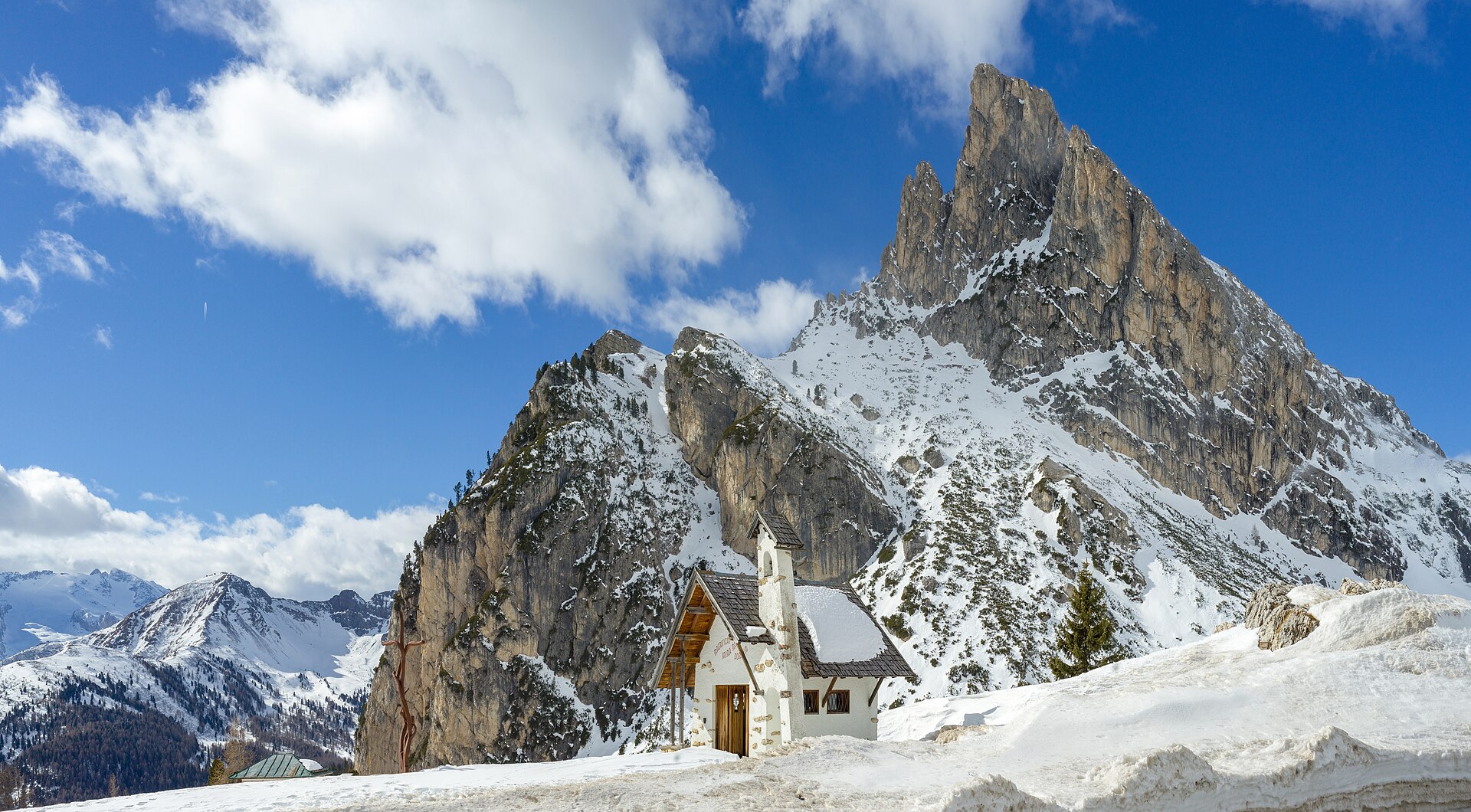
Cortina d'Ampezzo: the celebrated classic
Cortina sits in a wide, sunny basin ringed by some of the most photographed peaks in the range, Tofane, Cristallo and the Cinque Torri among them. It is the most town-like base in the Dolomites, with a lively pedestrian centre, and it puts you closest to eastern landmarks such as Lago di Braies and Tre Cime di Lavaredo. Browse our selection of the best hotels in Cortina d'Ampezzo to see what each part of the basin offers.
Val Gardena: the all-round favourite
If you want maximum mountain access for both skiing and hiking, Val Gardena is the safest choice. The valley's three villages each suit a different traveller: Ortisei is the largest and most refined, with a car-free centre and direct lifts to the Seceda and Alpe di Siusi sides; Selva sits highest and closest to the Sella massif, ideal for the Sellaronda circuit. Start with our guide to hotels in Val Gardena, or go straight to staying in Ortisei or our Selva di Val Gardena selection.
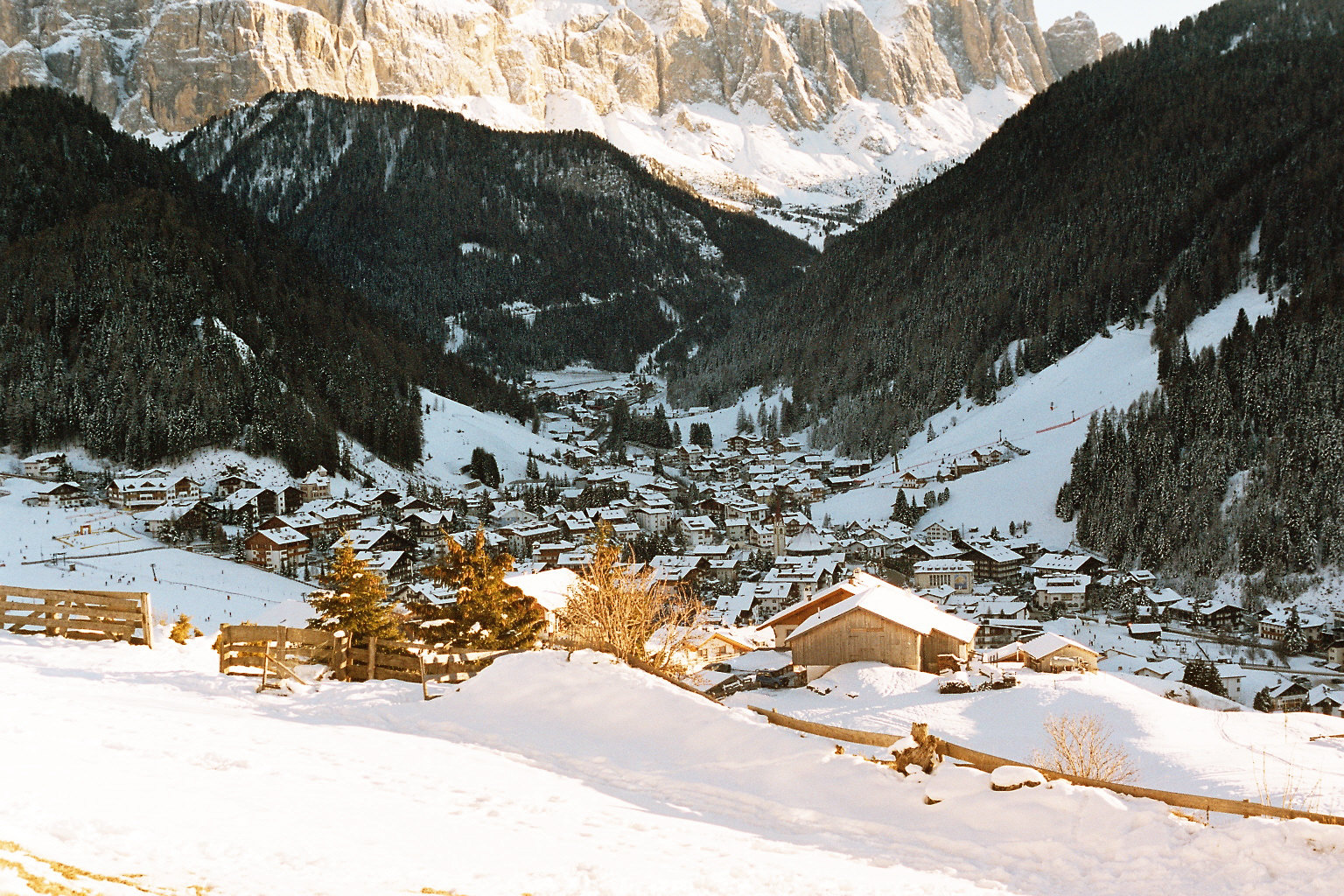
Alta Badia: quiet villages and serious cooking
One valley east of Val Gardena, Alta Badia trades bustle for a string of calm Ladin villages, Corvara, Colfosco, La Villa and San Cassiano, spread across high meadows beneath the Sella. It shares the same ski carousel as its neighbours but is best known for its concentration of acclaimed mountain restaurants. It suits couples and food-minded travellers who prefer their evenings unhurried. See our picks for where to sleep in Alta Badia.
Choosing between east and west
A simple rule of thumb: base yourself east (Cortina) for the most dramatic sightseeing and day-trip landmarks, and west (Val Gardena or Alta Badia) for the densest lift network and village-to-village skiing or walking. If your trip is a road trip rather than a single-base holiday, consider splitting your nights between one eastern and one western valley rather than commuting over the passes each day.
Frequently asked questions
Where should first-time visitors stay in the Dolomites?
Val Gardena is the most forgiving first base: central position, car-free village options and direct lifts to several massifs. Cortina is the better pick if the eastern landmarks are your priority.
Where is best for skiing?
Val Gardena and Alta Badia both sit on the Sellaronda circuit and share one of the largest connected lift networks in the Alps. Selva offers the quickest access to the circuit itself.
Where should hikers base themselves?
Ortisei is hard to beat in summer, with lifts rising to Seceda and the Alpe di Siusi plateau straight from the village. Cortina serves the eastern trailheads best.
Can I stay in the Dolomites without a car?
Yes, if you choose your base carefully. Ortisei and the Val Gardena villages are well connected by valley buses and lifts; a car matters more for touring the eastern lakes and passes.
Is Cortina or Val Gardena better for families?
Both work well. Val Gardena generally offers more ski-school-friendly slopes close to the villages, while Cortina offers more town amenities for non-skiing days.
How many nights do you need?
Three nights suit a single valley; a week lets you combine an eastern and a western base without rushing the passes in between.