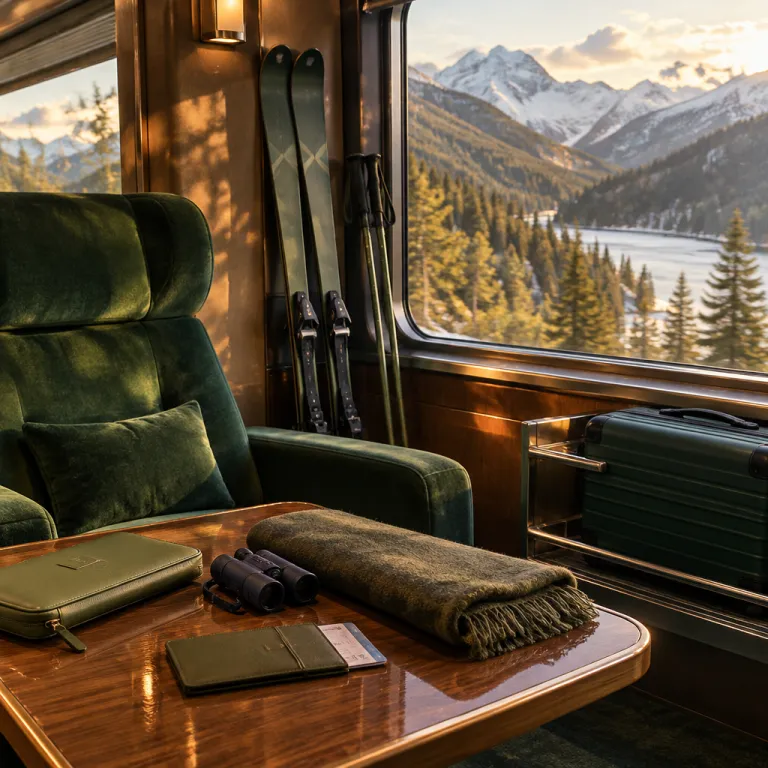
How to get to St Moritz for a refined Alpine escape
Understanding how to get to St Moritz is the first step toward a seamless luxury stay. The resort of St Moritz sits high in the Engadin Alps, so planning your route with care will shape the entire journey. For travelers booking premium accommodation, the way you arrive should feel like part of a spectacular journey across the Alps rather than a simple transfer.
Most international guests start by choosing between major airports such as Zurich Airport, Milan Malpensa, or regional hubs in northern Italy and western Austria. Each of these airports offers a different balance of flight options, transfer time, and onward transport, which will influence whether you favor trains, a car, or a private jet transfer. When you compare routes, always consider your arrival time in St Moritz, especially if you want daylight views of the Engadin valley panorama as you reach Moritz.
From Zurich, the classic route combines a mainline train with a scenic narrow gauge train journey into the high valley. This option is ideal for travelers who want to reach Moritz without driving mountain passes, while still enjoying a spectacular journey across viaducts and deep gorges. If you prefer full control and privacy, a St Moritz car transfer or self-drive on the Zurich to St Moritz route along well maintained roads is equally feasible.
Zurich to St Moritz by train and car for luxury travelers
For many guests researching how to get to St Moritz, Zurich is the natural gateway. Zurich Airport is Switzerland’s largest hub, with frequent long haul flights and efficient rail connections into the city within about fifteen minutes. From there, you can board fast trains toward Chur, then change to the regional train St Moritz service that climbs into the Engadin.
The total train journey from Zurich to St Moritz usually takes around three hours, depending on the connection you choose. This three hours window is comfortable for most travelers, allowing time to relax, enjoy a meal on board, and admire the changing Alps landscape without feeling rushed. Premium hotel concierges in St Moritz will often coordinate your arrival time with private transfers from the station directly to your accommodation.
Some guests prefer to drive Zurich to St Moritz, especially when traveling as a family or with ski equipment. The hours drive from Zurich is typically around three hours in good conditions, following well signposted highways and then a mountain pass or tunnel. If you opt for a St Moritz car rental, choose a vehicle with winter tires and adequate luggage space, and ask your hotel to advise on the best route in current weather.
Travelers comparing Zurich and other Swiss resorts for a luxury stay often weigh up St Moritz against destinations such as Zermatt. When you read a detailed guide like whether Zermatt is worth visiting for a luxury Alpine stay, you will notice that Zurich offers strong access to both resorts via trains and private transfers. This makes Zurich Milan cross border itineraries particularly attractive for guests who want to combine several top Alpine destinations in one journey.
Iconic scenic trains: Bernina Express and Glacier Express
Rail enthusiasts asking how to get to St Moritz are often drawn to the Bernina Express and the Glacier Express. These named trains are not just transport; they are curated experiences that turn the journey across the Alps into a highlight of your trip. Both trains cross high passes and dramatic viaducts, offering floor to ceiling windows and commentary about the surrounding peaks.
The Bernina Express links Chur or St Moritz with Tirano in Italy, crossing the Bernina Pass at over 2,200 metres. Many travelers start in Tirano after arriving from Milan by regional train, then continue on the Bernina Express to reach Moritz in style. This route between Italy and Switzerland is one of the few rail lines that connects Italy–Austria style landscapes with glaciers and palm fringed valleys in a single spectacular journey.
The Glacier Express, by contrast, connects Zermatt and St Moritz in a single long train journey across the heart of the Alps. While it is not the fastest way to reach Moritz, it is arguably the most scenic, with about eight hours of panoramic views, gourmet meals, and attentive service. Guests staying in premium accommodation often book the Glacier Express in first class or Excellence Class, then arrange a St Moritz car transfer from the station to their hotel.
Travelers who enjoy cable cars and high viewpoints sometimes combine these trains with other Alpine experiences. If you are planning a wider itinerary, a resource such as the guide to elegant ways to ride the Chamonix cable car for a luxury Alpine stay can help you compare different scenic routes. In every case, the key is to align your train schedules, hotel check in times, and luggage transfers so that the entire journey feels effortless.
Reaching St Moritz from Milan, Tirano, and northern Italy
Travelers flying into Italy often ask how to get to St Moritz from Milan in a comfortable and time efficient way. The Zurich Milan axis is one of Europe’s busiest travel corridors, and Milan’s airports offer extensive long haul connections. From Milan, you can either travel by train via Tirano and the Bernina Express, or arrange a car transfer that climbs directly into the Engadin.
The classic rail route begins at Milano Centrale, where frequent regional trains run to Tirano in about two and a half to three hours. From Tirano, you board the Bernina Express or regular regional trains operated by the Rhaetian Railway, which cross the Bernina Pass and arrive in St Moritz after a spectacular journey through spiraling viaducts and high mountain lakes. This combination of trains from Milan to Tirano and then onward to St Moritz allows you to experience both Italian and Swiss cultures in a single day.
For guests who prefer privacy and flexibility, a car transfer from Milan to St Moritz is another attractive option. The hours drive usually ranges between three hours and four hours, depending on traffic and the chosen route across the Alps. When you book a St Moritz car service, confirm whether the vehicle is equipped for winter conditions and whether the driver is experienced on Alpine passes, especially if you travel outside the main summer season.
Some luxury travelers combine Italy and Austria in one itinerary, using Milan as a starting point before looping through the Alps St Moritz region and onward to Innsbruck or Salzburg. In such cases, planning your route with a specialist travel advisor or a high end hotel concierge will help you sequence airports, trains, and car segments efficiently. This ensures that each journey Alps segment feels coherent, with enough time to enjoy spa facilities and fine dining at every stop.
Private jets, transfers, and seasonal access to St Moritz
Guests booking top tier accommodation often explore how to get to St Moritz by private jet or helicopter. The Engadin Airport near Samedan serves as the main aviation gateway for St Moritz, handling private jets and charter flights that connect directly with European cities. From the runway, it is only a short car transfer to most luxury hotels, which makes this option appealing for time sensitive travelers.
When you arrive by private jet, your hotel’s concierge will typically coordinate ground transport, luggage handling, and early check in where possible. Many properties maintain relationships with trusted car services, ensuring that your St Moritz car transfer is punctual and suited to winter driving in the Alps. This level of coordination is especially valuable when your flight time changes at short notice or when weather affects the pass roads.
Seasonality plays a major role in every journey across the Alps, particularly for those who prefer to reach St Moritz by road. In winter, some high passes may close due to snow, which can extend the hours drive or require detours through tunnels and lower routes. During shoulder seasons, such as late autumn, it is wise to consult local resources like the guide to the last trails of the season before the huts close, because hiking trail closures often mirror broader access patterns in the high Alps.
Travelers who rely on bus services should note that long distance buses typically connect major cities and airports rather than St Moritz directly. You might, for example, take a bus from an airport to a regional hub, then continue by train or car to reach St Moritz. For a seamless premium experience, many guests still prefer a combination of trains and private transfers, which offers both reliability and comfort.
Planning your journey around luxury stays and Alpine experiences
Choosing how to get to St Moritz is closely linked to the style of accommodation you book. High end hotels in St Moritz often include transfer services, luggage assistance, and even rail station meet and greet options in their packages. When you reserve your room, share your planned route and arrival time so the concierge can coordinate every step of your journey.
Travelers who value scenic experiences may prioritize routes that include the Bernina Express, the Glacier Express, or other panoramic trains. These train journeys transform the transfer into a curated experience, with commentary, regional cuisine, and uninterrupted views of the St Moritz skyline and surrounding peaks. If you are combining several resorts, such as Chamonix or Zermatt, align your train schedules with spa appointments and fine dining reservations to maintain a relaxed rhythm.
Guests who prefer flexibility might opt for a St Moritz car rental, especially if they plan day trips to nearby valleys or cross border excursions into Italy and Austria. A car allows you to adapt your route in real time, stopping at viewpoints, mountain villages, and gourmet restaurants along the way. However, always factor in pass closures, parking availability at your accommodation, and the extra time required for winter driving in the high Alps.
Whether you arrive by train, car, bus, or private jet, the key is to treat the journey as an integral part of your Alpine escape. By aligning your chosen route with your preferred style of luxury travel, you will reach St Moritz rested and ready to enjoy its ski slopes, lakeside promenades, and Michelin starred dining. Thoughtful planning turns a simple transfer into a spectacular journey that sets the tone for your entire stay.
Key statistics about travel to St Moritz
- The rail journey from Zurich to St Moritz via Chur typically takes around three hours, making it one of the most time efficient ways to reach a high altitude Swiss resort by public transport (Swiss Federal Railways data).
- The Bernina Express route between Tirano and St Moritz is part of the Rhaetian Railway in the Albula and Bernina landscapes, a UNESCO World Heritage site that attracts hundreds of thousands of passengers each year, underlining its status as a spectacular journey rather than a simple transfer (UNESCO and Rhaetian Railway figures).
- Engadin Airport near St Moritz handles several thousand aircraft movements annually, primarily private jets and charter flights, reflecting the strong demand for premium access options among luxury travelers (Engadin Airport operational statistics).
- The Glacier Express between Zermatt and St Moritz covers approximately 290 kilometres in about eight hours, crossing 291 bridges and 91 tunnels, which explains why many travelers treat it as a full day Alpine experience (Rhaetian Railway and Matterhorn Gotthard Bahn data).
FAQ about reaching St Moritz
What is the easiest way to reach St Moritz from Zurich?
The easiest option for most travelers is to take a direct train from Zurich to Chur, then change to the regional train toward St Moritz, with a total journey time of about three hours. This route avoids mountain driving, runs several times per day, and connects smoothly with flights arriving at Zurich Airport.
Is it better to travel to St Moritz by train or by car?
Traveling by train offers comfort, reliability, and outstanding views, especially if you include scenic routes like the Bernina Express. A car provides more flexibility for side trips and luggage, but requires confidence in mountain driving and attention to seasonal pass closures.
How do I get to St Moritz from Milan Malpensa or central Milan?
From Milan, you can take a regional train to Tirano, then connect to the Bernina Express or a regional Rhaetian Railway service to St Moritz in a single day. Alternatively, you can book a private car transfer from Milan’s airports or city centre, which usually takes around three to four hours drive depending on traffic and weather.
Can I reach St Moritz by private jet?
Yes, private jets and charter flights can land at Engadin Airport near Samedan, which serves the St Moritz area. From there, luxury hotels typically arrange short car transfers, luggage handling, and flexible check in to match your arrival time.
Are there bus services directly to St Moritz from major cities?
Long distance buses usually connect larger cities and airports to regional hubs rather than St Moritz itself. Most travelers who use buses still complete the final leg of the journey by train or private car, coordinated with their hotel or travel advisor.