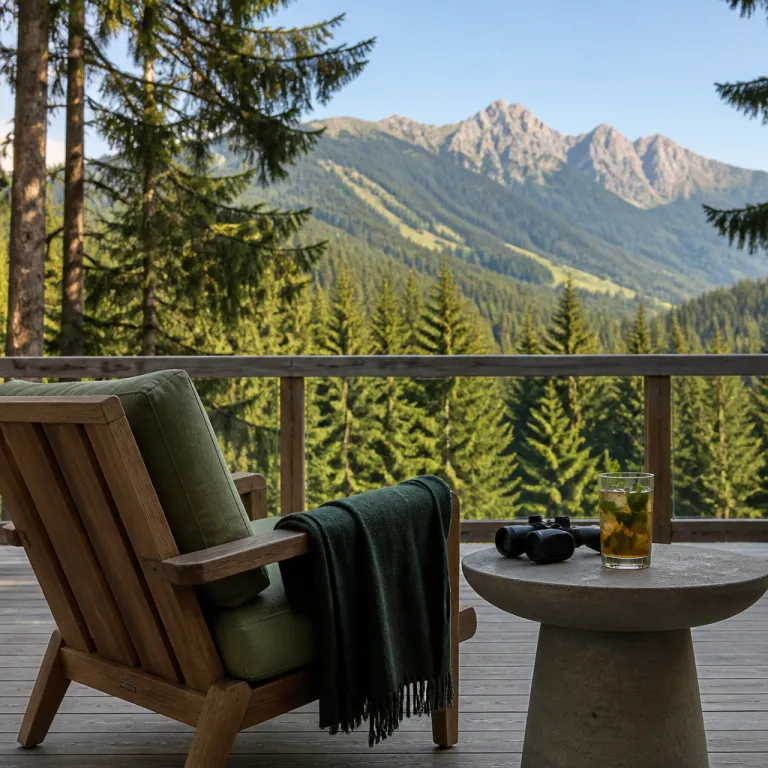
Section 1 – A new kind of Alps summer escape
Across Europe, the classic August beach week is quietly being rewritten in the Alps. As Mediterranean coasts now regularly push towards 35–40 °C and beyond, an Alps summer escape at 1,000 to 1,800 m offers summer weather that usually sits in a far more civilised 15–25 °C range. That temperature band is not marketing poetry; it is the difference between hiding from the summer heat and actually walking outside at midday.
Average August data illustrates the shift in a single contrast between a mountain town and a coastal city. According to MeteoSwiss long-term climate normals for 1991–2020, the average August temperature in Zermatt village is around 13 °C (55 °F), while the Spanish meteorological agency AEMET reports an August mean of roughly 27 °C (81 °F) in Barcelona over the same reference period. Those numbers explain why European travellers are rethinking where to spend their precious July–August break. In this context, an Alps summer escape is less about chasing sun and more about choosing the best time and the best altitude for your own rhythm.
Travellers who once defaulted to the beach now look to the French and Swiss Alps as a deliberate strategy to escape summer extremes. They want clear waters in a high mountain lake rather than crowded surf, and they want alpine meadows instead of packed promenades. Regional tourism organisations across the Alpine arc, such as Switzerland Tourism and Atout France, have been explicit that the goal is to provide alternative vacation options and promote sustainable tourism, and the rise in mountain tourism in recent European travel reports and 2023 national occupancy statistics shows that message is landing.
For luxury and premium hotel guests, this new summer Alps pattern changes how you plan your time. You book a lake-facing suite in Switzerland or France, then structure your hours around early hiking, long lunches and spa evenings. The result is a summer escape that feels both lighter and more restorative, with alpine light and mountain air doing as much work as any hot tub or hammam.
Section 2 – Where to go: four top alpine destinations for August
Choosing the right town is the core decision for any Alps summer escape. Each valley offers its own blend of lake access, hiking trails, cable car networks and charming alpine architecture, and the wrong match can leave you either bored or overwhelmed. Think of it as curating your own climate refuge rather than simply booking the nearest ski resort that happens to open in summer.
In the French Alps, Chamonix and Megève show two very different faces of Mont Blanc in July–August. Chamonix is all sharp mountain drama, high-speed cable car ascents and hiking boots on every corner, while Megève leans into village life, gastronomy and spa culture. If you are weighing Megève for winter as well, this detailed guide to choosing the right luxury hotel in the Alps is a useful reference for understanding service levels and locations: how to choose the right luxury hotel in Megève.
Across the border in Switzerland, the Bernese Oberland and the Lake Geneva region are the current coolcation darlings. Around Lake Geneva itself, towns such as Montreux and Vevey combine crystal-clear lake swimming with fast rail access from Geneva, which makes them ideal for travellers who prefer to avoid a rental car. Higher up, places like Wengen and Mürren offer panoramic views, quiet evenings and hiking trails that start almost at your hotel door.
For those who want a more Italian accent to their Alps summer escape, South Tyrol and the Dolomites deliver jagged alpine scenery with a culinary scene that rivals major cities. Here, the best time to arrive is often mid to late August, when the busiest weeks have passed but the summer weather still favours long days on the trails. Whether you choose a lakeside retreat, a ski village turned summer sanctuary or a remote mountain hideaway, focus on how you want to spend your hours rather than chasing a name you saw on social media.
Section 3 – What an August week at altitude really feels like
A well-planned Alps summer escape has its own daily choreography. Mornings start early, when the light is soft over the alpine meadows and the air is cool enough for a brisk climb without overheating, and this is when your hiking boots earn their luggage space. By late morning, you are usually riding a cable car to a ridge for panoramic views, then descending to a lake or spa before the warmest part of the day.
Afternoons are about water, wellness and unhurried time. On Lake Geneva or a smaller alpine lake in Switzerland, you can swim in clear waters that stay refreshing even in peak summer heat, then retreat to a shaded terrace for a long lunch. Many luxury properties now pair outdoor pools with hot tub decks and quiet spa zones, so you can move between crystal-clear water, saunas and treatment rooms as the hours slide by.
Evenings in a charming alpine town feel very different from a coastal resort strip. Instead of neon and late-night noise, you get mountain silhouettes, village church bells and restaurants that lean into local produce and Swiss or French wine. If you want a shot of pure adrenaline between spa sessions, this interview about skydiving above Interlaken shows how intense the alpine scenery can be from the air: skydiving in the heart of the Swiss Alps.
For lake-obsessed travellers, combining an Alps summer escape with a design-forward lakefront property can be the sweet spot. A stay on an Italian lake with fast access back into the mountain passes lets you balance lazy days by the water with active time on nearby trails. For inspiration on that blend of lake elegance and alpine access, see this detailed look at a refined property on Lake Como: lakefront elegance for alpine travellers.
Section 4 – Booking strategy, sustainability and how hotels are adapting
The shift towards an Alps summer escape is now strong enough that it changes how you book. Where August in the mountains once meant last-minute deals, luxury and premium hotels in key alpine towns now report that peak dates in July–August often fill months ahead, especially for lake-view suites and top-floor rooms with stunning vistas. If you want the best time slots for spa treatments or private guides, you should treat your booking window much like a winter ski holiday.
Hotel operations have quietly evolved to match this new demand pattern. Properties that once closed after the ski season now run full summer programs built around hiking, cycling and lake activities, often in partnership with local tour operators and mountain guides who provide equipment rentals and curated hiking trails. Many have invested in eco-friendly systems, from heat pumps to better insulation, aligning with the broader goal to promote sustainable tourism in the Alps highlighted in recent Alpine region climate and tourism reports and 2022–2023 national tourism board data.
For travellers, the sustainability angle is not abstract. Choosing a town on a main rail line, such as Geneva, Montreux or Innsbruck, often means you can arrive without a car and still access a dense network of cable cars, buses and hiking routes, which lowers your holiday footprint while keeping logistics simple. When you do need a transfer, high-speed trains and short local rides replace long motorway drives, and your visit becomes part of a lower-carbon travel pattern supported by national rail timetables.
Rates in the most sought-after alpine destinations are now edging closer to winter levels, especially in August when the combination of cooler summer weather, strong outdoor programming and wellness facilities creates intense demand. The trade-off is clear: you pay for access to scenery, space and comfort that crowded beaches can no longer guarantee, and in return you get a summer escape where the mountain, not the marketing, sets the pace. As one concise industry-style summary puts it, “Why choose the Alps over the beach in August? Cooler temperatures and fewer crowds.” and “What activities are available in the Alps during summer? Hiking, cycling, paragliding, and festivals.” and “Are the Alps crowded in August? Less crowded than popular beach destinations.”
FAQ
Why are more travellers choosing the Alps over the beach in August?
Travellers are moving their main summer escape to the Alps because temperatures at altitude are significantly cooler than on Mediterranean coasts, which makes outdoor activities comfortable all day. Mountain towns also offer hiking trails, lake swimming and wellness facilities without the intense crowding now common on major beaches. For many, this combination of climate refuge, scenery and luxury hotels is a better use of precious holiday time, especially when August daytime highs in lowland cities can exceed 30 °C while alpine resorts stay closer to the low 20s.
What is the best time in summer to visit the Alps for cooler weather?
For most travellers, the best time for an Alps summer escape is from mid-July to late August, when lifts, hiking trails and lake services operate at full capacity. Early August brings the liveliest atmosphere and more festivals, while late August usually offers slightly cooler summer weather and fewer families. If you prioritise quiet over events, aim for the final ten days of August in a higher-altitude town, when evenings can drop below 10 °C and mornings feel crisp enough for longer hikes.
Do Alpine resorts feel empty in summer if they are known for ski holidays?
Major ski destinations in the French and Swiss Alps now invest heavily in summer programming, so they no longer feel like off-season ghost towns. You will find open cable cars, guided hiking, cycling routes and full spa operations, especially in flagship resorts such as Chamonix, Zermatt or St. Anton. Smaller villages can be calmer, so check local event calendars if you want a more animated atmosphere, and consider pairing a quiet base with day trips to busier hubs.
How far in advance should I book a luxury hotel for August in the Alps?
For top-tier properties in high-demand towns, booking three to six months ahead is increasingly wise, especially if you want lake views, large suites or specific spa time slots. Weekends in August and the main holiday weeks for neighbouring countries tend to sell out first. More remote valleys may offer availability closer to the date, but choice will be narrower and you may need to be flexible on room category or exact travel dates.
What should I pack for an August stay in the Alps?
Pack layers rather than heavy winter gear, because days can be warm while evenings turn cool, especially above 1,500 m. Bring proper hiking boots or trail shoes, a light waterproof jacket, swimwear for lakes and spas, and a compact daypack for cable car and hiking excursions. This mix lets you move comfortably between alpine meadows, lakefront decks and refined hotel dining rooms without overpacking, and it keeps you ready for sudden mountain showers or a spontaneous high-altitude walk.