Chamonix is not a ski resort so much as a mountain town with several ski areas attached — and that distinction is the key to enjoying it. Strung along a valley at around 1,035 m beneath Mont Blanc, it offers the most storied high-mountain terrain in the Alps, from the Grands Montets to the 20 km Vallée Blanche glacier run, but its areas are separate, and planning your days matters more here than anywhere else.
| Area | Character | Best for |
|---|---|---|
| Brévent – Flégère | Sunny, linked, straight above town | Intermediates, Mont Blanc views |
| Grands Montets | High, north-facing, serious | Experts, powder, spring snow |
| Balme – Le Tour | Gentle, rolling, at the valley head | Beginners and relaxed cruising |
| Les Houches | Tree-lined, sheltered | Families, storm days |
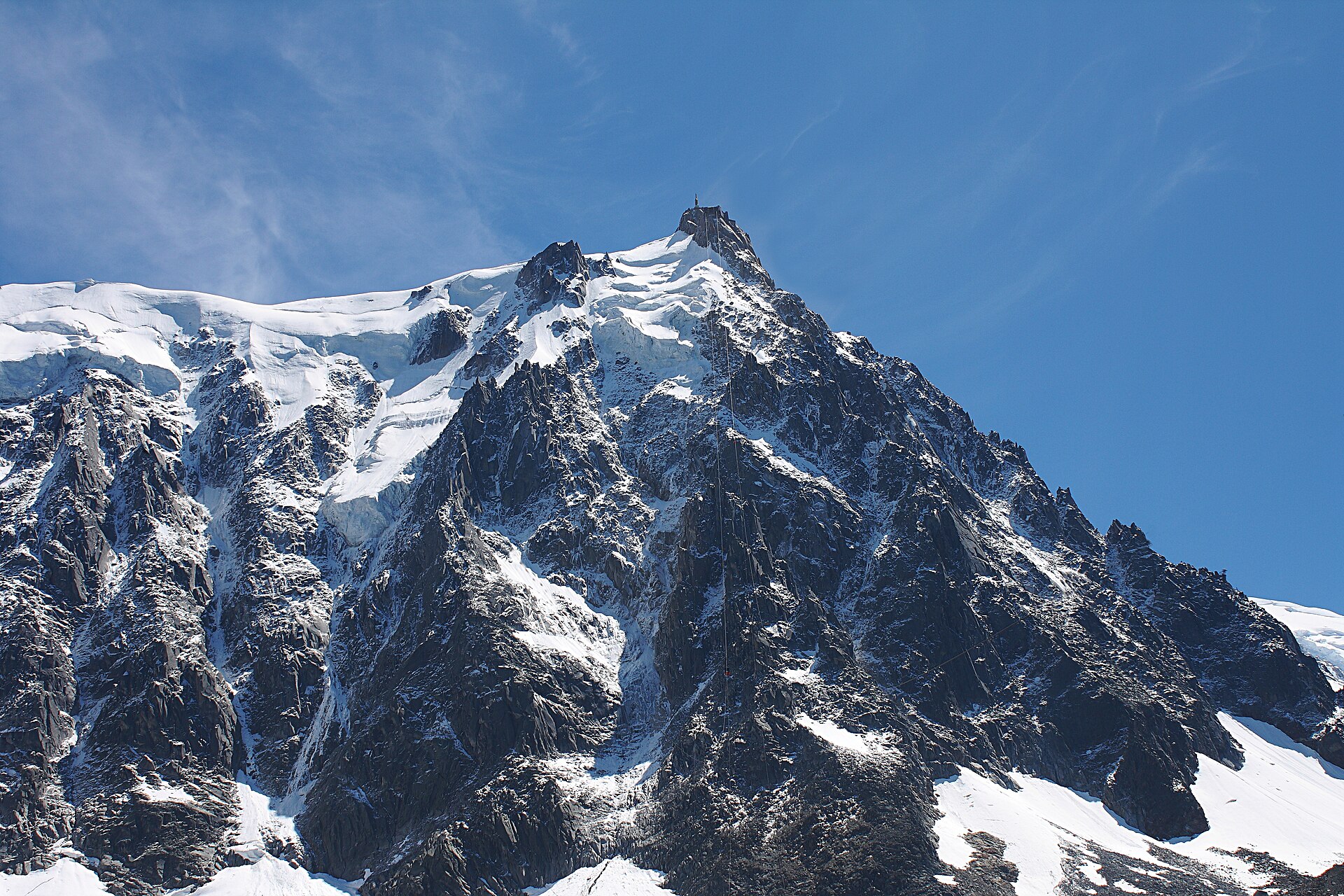
| Aiguille du Midi – Vallée Blanche | Cable car to 3,842 m, glacier itinerary | Experienced skiers with a guide |
How the valley works
Each area has its own base, linked by bus and train rather than by lifts. Brévent and Flégère face the sun and the Mont Blanc massif — the postcard skiing. The Grands Montets above Argentière is the freeride flagship, holding cold snow on its north faces. Le Tour suits gentler days, Les Houches saves bad-weather ones, and the Aiguille du Midi is the gateway to the Vallée Blanche — a glacier descent that belongs on any strong skier's list, guided, with glacier equipment.
Season and snow
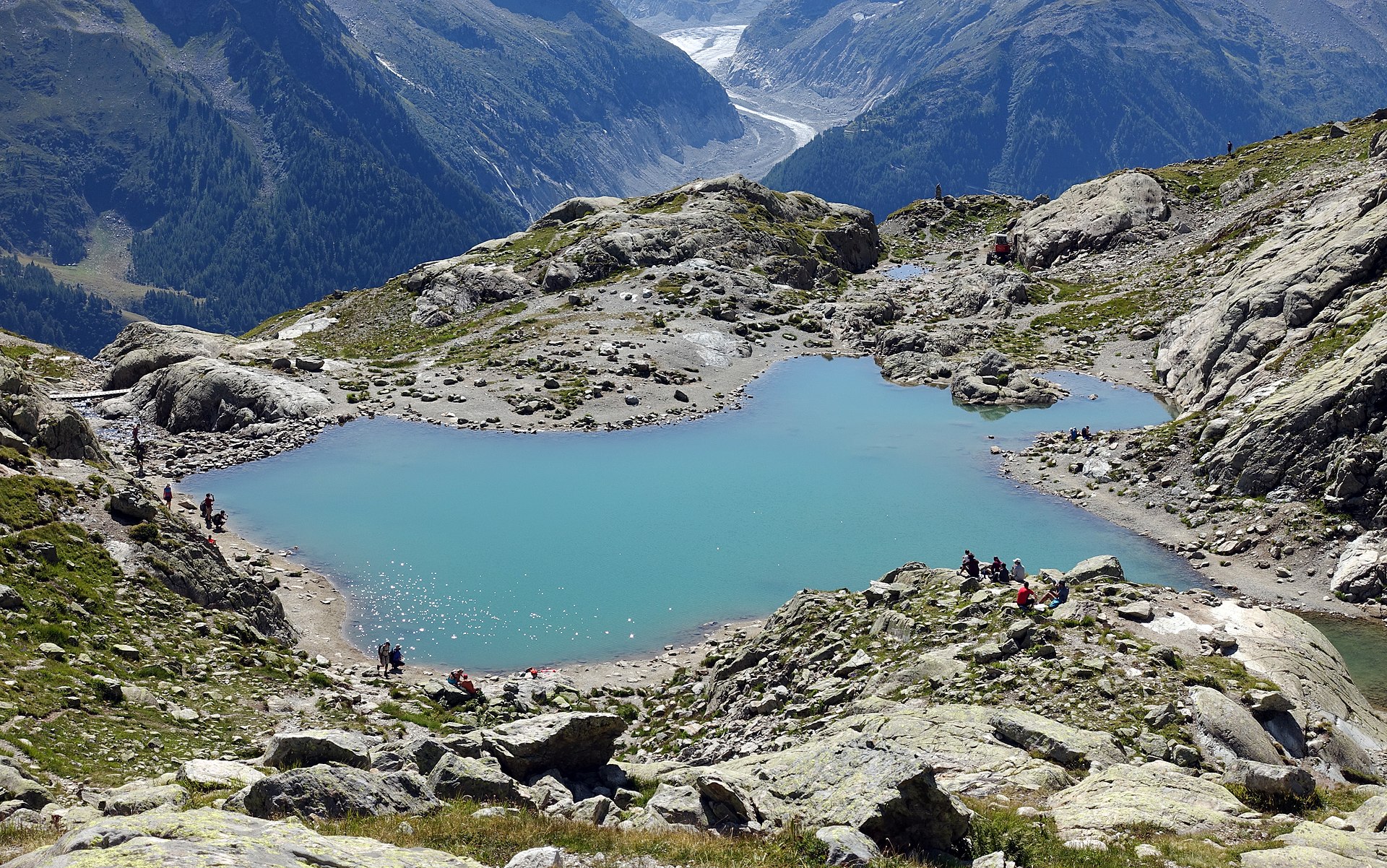
The season runs from early December to late April, but altitude splits the experience: the valley floor is low, so snow in town is never guaranteed, while the Grands Montets and the glacier routes keep winter conditions long after the village turns to spring. December and January bring cold, short days; March is the sweet spot of long light and settled snowpack.
The town and its culture
Chamonix is a real town — alpinism's world capital, with a working population, serious gear shops, and a bar and restaurant scene that runs year-round. The après is energetic without being industrial, and non-skiing days fill themselves: the Montenvers railway to the Mer de Glace, the Aiguille du Midi terraces, thermal spas and mountain museums.
Where to stay for skiing
Base choice decides your daily logistics. Central Chamonix puts restaurants and the Brévent lift in walking range; Argentière suits Grands Montets loyalists; Les Praz sits by the Flégère lift. Browse hotels in Chamonix for the current selection across the valley. If your trip is really about the Italian side of Mont Blanc, consider basing in Courmayeur — our guide to Courmayeur's neighbourhoods covers the twenty-minute hop through the tunnel.
Getting there
Geneva airport is barely more than an hour away, the shortest big-airport transfer of any major Alpine resort. The Mont Blanc Express railway threads the valley itself, and the valley bus network is free with a lift pass — a car is useful for chasing conditions between areas, but not essential.
Frequently asked questions
Is Chamonix good for beginners?
It can be, at Le Tour and Les Houches, but the valley's fragmented layout and expert reputation mean pure beginners often do better in a compact resort — compare the best areas of Morzine, an hour away and far gentler.
What is the Vallée Blanche?
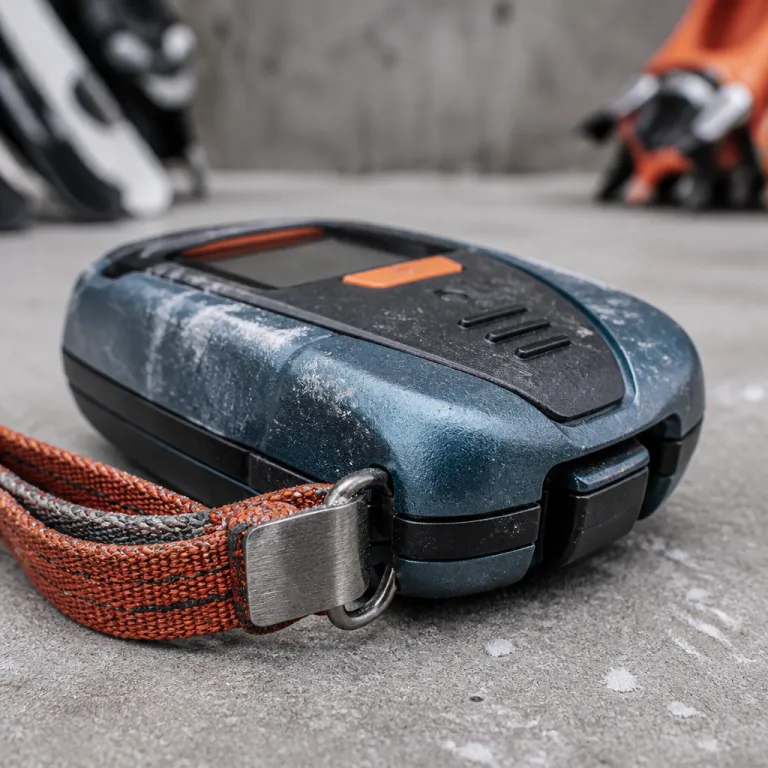
A roughly 20 km off-piste glacier descent from the Aiguille du Midi to the valley, crossing the Mer de Glace. It is unpatrolled glacier terrain: hire a guide, carry harness and transceiver, and pick a clear day.
Do the ski areas share one pass?
Yes — valley passes cover the Chamonix areas, and the top-tier option adds international days including the Italian side of Mont Blanc.
When is the best time to go?
March, for the combination of daylight, snowpack and atmosphere. Powder hunters aim for January storm cycles on the Grands Montets.
Is Chamonix expensive?
By French standards yes, by Swiss standards no. It undercuts Zermatt and Verbier while offering bigger mountain terrain than either — the trade-off is the bus-linked layout.