A Lakeside Refuge in the Southern Alps
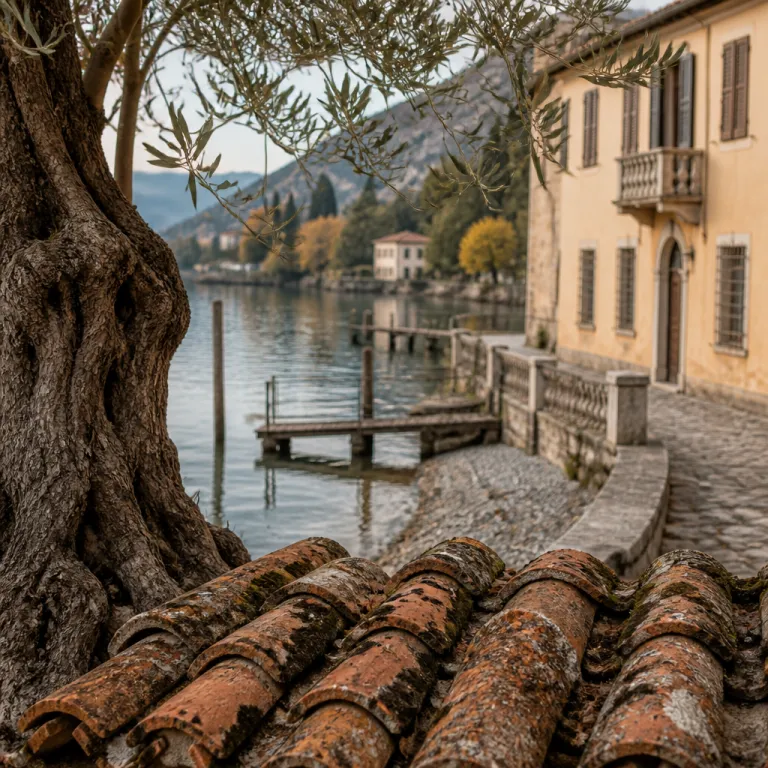
Ascona occupies the northern shore of Lake Maggiore in Ticino, the lowest-lying town in Switzerland and a place where the continental climate of central Europe softens into something warmer, gentler and unmistakably southern. The microclimate permits palm trees, citrus and camellias, creating streetscapes that feel more Ligurian than Alpine. The lakefront promenade follows the waterfront for roughly a kilometre, its pastel facades opening onto cafe terraces where the daily rhythm becomes visible: morning coffee, afternoon gelato, evening aperitivo, each ritual observed with measured seriousness.
The population hovers around five thousand permanent residents, though summer months swell that figure considerably. What draws visitors is not a single attraction but an accumulation of qualities: the light on Lake Maggiore at different hours, the food and wine traditions of the canton, the legacy of early twentieth-century intellectual ferment at Monte Verita, the beauty of the surrounding landscape, and a general atmosphere of cultivated ease.
The Old Town and Waterfront
Behind the promenade, the old town rises in narrow lanes paved with river stone and granite. The architecture belongs to several periods, from medieval fortified structures to Renaissance merchant houses to Baroque embellishments. Many buildings have been carefully restored, their ground floors now occupied by galleries, antique dealers and restaurants serving regional cuisine. The craftsmanship evident in the stonework and the ironwork of the balconies suggests a community that has always valued the quality of its built environment, even during periods of comparative poverty when the region served primarily as a transit corridor between the northern and southern provinces.
The central piazza functions as the hinge between the water and the hillside, a place defined by plane trees and the comings and goings of local life. On market mornings, producers from surrounding valleys set up stalls with cheese, cured meats and seasonal vegetables. The sensory impression is distinctly Italian, which makes geographic sense: the border lies a few kilometres to the south, and the linguistic and culinary traditions of Lombardy have shaped this corner of the Alpine world as deeply as anything arriving from the German-speaking cantons to the north. The resulting cultural hybrid produces an experience that feels simultaneously familiar and surprising, depending on the direction from which one has arrived.
Monte Verita and Its Legacy
The hill to the west, known as Monte Verita, carries a history that distinguishes Ascona from every other lakeside town in the Alpine region. In 1900, Henri Oedenkoven and Ida Hofmann established a colony dedicated to vegetarianism, nature and theosophy. Over subsequent decades the community attracted Hermann Hesse, Isadora Duncan, Mary Wigman, Rudolf von Laban and Max Weber. The Baron von der Heydt later transformed the property into a cultural centre whose resonance continues into the present.
The surviving buildings on Monte Verita now function as museum, conference centre and accommodation in restored Bauhaus and Jugendstil structures. For visitors who discover Ascona, the hill offers a half-day excursion combining intellectual history with views over Lake Maggiore. The walk from the old town takes thirty minutes uphill through chestnut forest, arriving at a vantage point that looks south across the full breadth of the water. The interpretive signage along the path is thorough without being intrusive, allowing those who prefer to absorb the atmosphere without reading every panel to do so comfortably, while rewarding those who pause with context that transforms the landscape from merely scenic into historically charged.
The Brissago Islands
The Brissago Islands sit in Lake Maggiore south of Ascona, accessible by boat. News of the islands botanical richness has spread far, with departures directly from the waterfront. The larger island houses botanical gardens of extraordinary richness, with subtropical and Mediterranean species thriving in the mild microclimate. The gardens represent one of the most remarkable outdoor collections in Switzerland, a place where bamboo groves, palm avenues and flowering terraces create an atmosphere closer to the Amalfi Coast than the Alpine foothills.
The boat crossing takes fifteen to twenty minutes, and the experience of arriving by water at an island entirely dedicated to horticulture creates a unique and beautiful sense of occasion. The return crossing in late afternoon, when western light gilds the surface and the mountain silhouettes sharpen, constitutes one of the most satisfying moments for anyone on holiday in the region. The botanical variety is genuinely astonishing for a latitude this far north: lotus ponds, protea specimens, tree ferns from the southern hemisphere and medicinal herb sections coexist in a composition that reflects more than a century of patient cultivation.
Ticino Cuisine and Wine
The restaurant scene reflects the unique position at the crossroads of Swiss precision and Italian generosity. Ticino cuisine draws on both traditions: polenta alongside risotto, Alpine cheese next to Mediterranean seafood, and the local Merlot wine that has developed from a peasant staple into something that serious enologists regard with genuine interest. The range of restaurants extends from simple grotti with stone tables and pergola shade to polished interiors where Michelin ambitions shape every composition on the plate.
The Merlot deserves particular attention. The grape arrived after the phylloxera crisis destroyed indigenous varieties and has since thrived in the granitic soils and southern exposure of the lakeside vineyards. The best expressions combine the structure of a cool-climate red with a warmth and generosity that reflects the terroir. Several producers welcome visitors for tastings, an activity that combines with a morning at the Brissago gardens or an afternoon by the pool. The depth of the local wine culture surprises many visitors who arrive expecting the Ticino to be a footnote in the broader narrative of Alpine viticulture and leave recognising it as a chapter that stands on its own merits.
Music, Galleries and the Cultural Calendar
Ascona hosts JazzAscona, one of the largest and most respected jazz gatherings on the continent, which transforms the lakefront into an outdoor concert venue each summer and fills every available hotel room well in advance. Beyond the festival period, the cultural infrastructure operates at a steady tempo through galleries and collections that reflect the historical attraction for creative minds. Smaller venues scattered through the old quarter show contemporary work alongside pieces referencing the early twentieth-century bohemian period.
The performing arts programme extends through the shoulder seasons as well, with chamber music recitals, literary readings and film screenings occupying various indoor and outdoor venues as the weather and the calendar dictate. The concentration of cultural activity in such a compact geography means that a visitor spending a week will encounter more programming than could reasonably be absorbed, which is precisely the kind of surplus that distinguishes a genuinely cultured destination from one that merely hosts occasional events.
Choosing a Hotel in Ascona on Lake Maggiore
The accommodation landscape spans a wider quality range than most Ticino settlements. At the luxury end, a property like the Castello del Sole offers an exclusive resort experience including private beach and beach club access, spa facilities, Michelin-level restaurant dining, suites with views over the water, outdoor pool surrounded by gardens and the daily attentiveness of staff who have perfected the balance between attentiveness and discretion. The Castello del Sole represents one of the finest places to stay anywhere on the lakefront.
Mid-range and boutique properties occupy the old town and slopes above the water, offering rooms with balconies framing the landscape. A comfortable and beautiful room with a view, free connectivity, private bathroom, daily housekeeping and access to wellness facilities represents the standard expectation. Boutique Casa-style hotels in restored historic buildings offer a limited number of Casa rooms and suites with unique character and exclusive vantage points that larger operations cannot replicate.
Spa, Pool and Wellness
Wellness facilities reflect the Mediterranean orientation. Pools positioned to maximise the southern exposure dominate the landscape, many usable from spring through autumn. Indoor spa sections complement these with saunas, treatment suites and relaxation spaces where guests can book sessions directly through reception. The premium properties operate wellness programmes with comprehensive menus. For those who prefer informality, a morning swim at the beach or in the clear waters followed by breakfast on a sun-warmed terrace constitutes an experience that no engineered facility can quite replicate.
Getting to Ascona
Ascona is reached from Zurich, roughly two and a half hours south by road or rail via the Gotthard corridor. Milan Malpensa provides the nearest major international air connection. Within the region, boats, buses and the Centovalli railway connect surrounding destinations. Properties typically offer free parking, a detail hotels confirm at the time of booking. For those who contact the hotel and book directly, many offer exclusive holiday packages including parking, spa credit and restaurant allowances.
The Verdict
Ascona delivers sophistication rooted in historical depth. The Monte Verita legacy, the Ticino culinary traditions, the Michelin restaurant scene, the Brissago gardens, Lake Maggiore itself and the daily rhythm of a settlement that understands the art of living create a unique holiday proposition. Accommodation ranges from exclusive suites at the Castello del Sole to intimate Casa hotels in the old town. Book directly for preferred terms. Contact the property to discover the room and suite availability, and prepare for a stay beside one of the most compelling bodies of water in the Alpine world.