Hotels in the Alps: exploring the best mountain destinations in Europe The Alps stretch across eight countries, from the coast behind Nice to the Slovenian border.
Hotels in the Alps: exploring the best mountain destinations in Europe
The Alps stretch across eight countries, from the coast behind Nice to the Slovenian border. Over centuries, a hotel culture has grown along this 1,200-kilometre arc that is unlike anything else in Europe. Grand properties built in the belle epoque era still operate alongside contemporary alpine retreats. Whether the trip calls for skiing, lakeside calm, or a view that makes conversation unnecessary, the mountains deliver places worth travelling for.
Switzerland, Austria, Italy, France, and Germany each contribute a distinct culture of hospitality. The differences matter more than most travellers expect. A week in the Austrian Tyrol feels nothing like a week in the Swiss Engadin, even though the peaks outside the window reach similar heights. Choosing the right destination means understanding what each region offers before committing.
The Swiss Engadin: St. Moritz and the grand hotel tradition
St. Moritz sits at 1,800 metres in the Engadin valley, receiving guests since the 1860s. The atmosphere is unique: a frozen lake hosting polo in winter, fine dining rivalling European capitals, and a guest profile that expects discretion alongside excellence. The Engadin light, sharp and clear at altitude, gives every panorama a cinematic quality that photographs cannot quite capture. The town pioneered winter tourism in the Alps, and the infrastructure that grew from that innovation still defines the standard.
What sets Moritz Switzerland apart is ambition. The grand hotel properties combine palace architecture with contemporary facilities: heated pools with mountain panoramas, gourmet restaurants holding Michelin stars, and rooms where the alpine view has been treated as the primary design element. For those who want to learn what the grand hotel tradition means in practice, the Engadin is where to start. The price per night reflects the pedigree, but the experience justifies it for guests who appreciate the difference between competent hospitality and something genuinely exceptional.
Beyond St. Moritz, the Engadin valley rewards those who explore. The frozen lakes stretching toward Maloja, the Muottas Muragl viewpoint above the valley floor, and the Diavolezza terrace facing the Bernina massif all provide panoramas that compete with the town's own celebrated views. The valley is quieter and more contemplative than Moritz itself, and the properties scattered along it offer a different pace: fewer black-tie evenings, more afternoon light on snow-covered peaks.
The Bernina Express railway, connecting St. Moritz to Tirano in Italy, crosses 196 bridges and passes through 55 tunnels on a UNESCO-listed route. The journey takes four hours and delivers mountain scenery that shifts from glaciated peaks to Mediterranean-influenced valleys. Guests staying in the Engadin often take this as a day trip, returning by the same route or continuing into northern Italy. It is one of the great rail journeys in Europe, and it starts from a platform that the grand properties of Moritz Switzerland overlook.
Lucerne: lakeside alpine elegance
Lucerne Switzerland occupies a different position entirely. The town sits on the shores of Lake Lucerne, surrounded by summits rising above 3,000 metres directly from the water. A performing arts centre designed by Jean Nouvel, a medieval old town with covered wooden bridges, and a cultural life that gives the destination substance beyond scenery. Lucerne is the kind of place where a rainy day is not wasted but redirected toward museums, galleries, and the kind of long lunch that the lakeside setting encourages.
The belle epoque properties along the Lucerne waterfront maintain a level of service that justifies their continued reputation. For guests who want mountain proximity without committing to a ski resort, this is the most accessible luxury destination in the Swiss mountains: less than an hour from Zurich by train. The view at dawn, when the peaks catch the first light above the shores of the lake, rewards early risers.
Excursion options from Lucerne are exceptional. The Pilatus railway, the world's steepest cogwheel train, climbs to 2,132 metres from the lakeside in 30 minutes. The paddle steamer to Vitznau connects to the Rigi railway, where the summit panorama extends across 13 lakes and the entire northern face of the Bernese Oberland. These experiences require no technical skill, only a willingness to take in what the landscape offers. The cultural calendar, including the Lucerne Festival for classical music, adds substance that purely mountain destinations in Europe cannot match.
Zermatt: the Matterhorn as permanent backdrop
Zermatt is car-free. Guests arrive by train through a narrowing valley that opens onto the village, with the Matterhorn visible at the end of every south-facing street. The ski terrain reaches 3,883 metres, the highest in the Alps, and skiing extends into summer on the glacier. Hotels in Zermatt range from five-star spa properties with rooftop pools to simpler chalets that deliver comfort without pretension.
The village has a lively energy in winter that quieter alpine resorts lack. Restaurants and bars create a social atmosphere that starts at apres-ski and continues well into the evening. In summer, hikers and mountaineers take over. Zermatt Switzerland rewards those who stay long enough to explore the Gorner Gorge, the Five Lakes Trail, and the Gornergrat railway that delivers a 360-degree panorama worth the trip alone. Check availability for both seasons; the best hotels fill quickly year-round.
The Austrian Tyrol: warm hospitality in the Alps
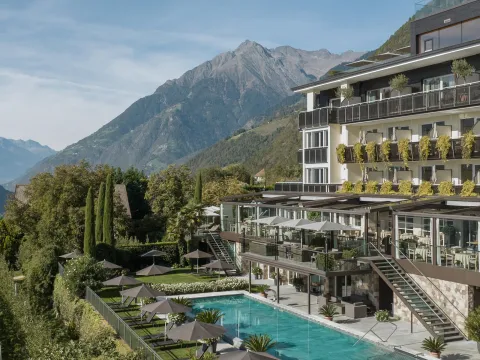
Austria brings a warmth to the alpine hotel experience that feels genuinely different. The Tyrolean valleys around Innsbruck, from the Otztal to the Zillertal, define welcome through abundance: the breakfast spread, the room dimensions, the time staff dedicate to each guest, and the volume of food at dinner. Where Swiss luxury tends toward restraint, Austrian properties lean into warm hospitality. The result is a mountain stay that feels less polished but more personal.
Wellness is not an add-on but a daily practice across the Austrian Alps. Sauna rituals, heated pools, and spa treatment programmes spanning multiple days are standard. For those whose trip prioritises relaxation alongside mountain activity, the Tyrolean approach is difficult to match across all of Europe. Rates per night sit consistently below Swiss equivalents, and the quality of the spa and dining means the value equation strongly favours Austria.
The Arlberg region, anchored by St. Anton, adds serious skiing to the Austrian proposition. The terrain is challenging, the snow record excellent, and the apres-ski culture among the liveliest in the mountains. Properties range from family-run inns to luxury addresses. The Arlberg Pass has connected communities on either side for centuries, and that history gives the region a depth that purpose-built resorts lack. Lech and Zurs, on the western side, offer a quieter alternative with snow reliability and terrain variety that serious skiers rate among the finest in the world.
The Dolomites: Italian warmth at altitude
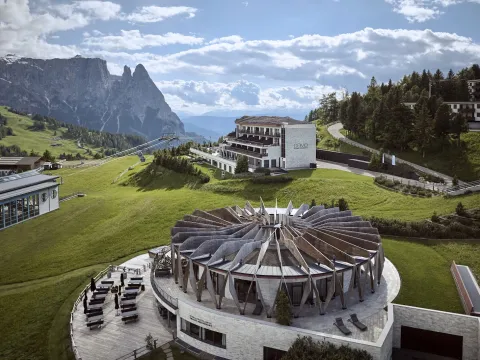
The Dolomites combine everything distinctive about Italian travel: food, aesthetic sensibility, and a hospitality instinct rooted in pleasure rather than efficiency. These mountains, a UNESCO World Heritage range in northeastern Italy, have the best dining culture in the mountains. Val Gardena, Alta Badia, and Cortina each have their own character, but all share a commitment to half-board dining that turns evenings into events worth anticipating.
What distinguishes the Dolomite experience is the seamlessness between outdoor effort and indoor comfort. A morning on the Sella Ronda followed by a spa session. A via ferrata traverse followed by a five-course dinner with regional wines. The mountain day does not end at the door. The transition from physical exertion to culinary pleasure is handled with a naturalness that feels specifically Italian. Alta Badia has three Michelin-starred restaurants within a fifteen-minute drive, and the cooking draws on Ladin traditions that predate Italian unification. For food-focused travellers, this corner of the mountains offers something genuinely unique.
Madonna di Campiglio and the Trentino region deliver excellent value at a lower price point than the headline Dolomite resorts. The skiing connects to 156 kilometres of linked terrain, the spa and dining standards are high, and the guest experience benefits from a family-run warmth that larger properties sometimes sacrifice. For those who want to explore the Italian Alps without the premium that Cortina commands, Trentino is the best option.
The French Alps: ski terrain and mountain gastronomy
France contributes the largest ski domains in the Alps and a gastronomic tradition that permeates the mountain stay. Chamonix, at the base of Mont Blanc, has an intensity matching its setting: serious mountaineering history, world-class terrain, and restaurants that treat Savoyard cuisine as high art. The accommodation scene reflects that seriousness.
Megeve and Courchevel occupy the polished, social end. Five-star spa facilities, design-conscious interiors, and a level of gastronomy that Austrian and Bavarian resorts rarely attempt. Les Trois Vallees, accessible from Courchevel, covers 600 kilometres of connected piste, the largest linked ski area in the world. The dining scene matches the terrain in ambition: fondue and raclette elevated to fine dining, local Beaufort cheese served with the precision of a Parisian tasting menu. For those whose trip must include genuinely exceptional food alongside skiing, the French mountains compete with the Dolomites for the strongest culinary culture.
Bavaria and the eastern Alps: value and discovery
The German Alps around Garmisch-Partenkirchen feel less discovered than Switzerland or France. The Zugspitze reaches 2,962 metres, the town has genuine history, and Bavarian welcome leans toward hearty cuisine and directness. Prices per night make this one of the strongest value destinations in Europe, and the proximity to Munich means accessibility is excellent.
Slovenia, at the eastern end of the range, provides the most accessible entry point for budget-conscious visitors. Lake Bled has become iconic for good reason: the island church, the clifftop castle, and the mountain backdrop create a composition that is almost theatrical in its beauty. The Julian mountains beyond offer hiking and skiing that rivals destinations further west at a fraction of the cost. The Soca valley, with its emerald river and limestone gorges, is one of the most beautiful places that most travellers have never heard of. Ljubljana, the capital, sits less than an hour from the mountains and offers a restaurant scene that punches well above its size. For those ready to go beyond the famous names, the eastern range consistently delivers.
Choosing the right alpine hotel
Contemporary alpine design: Vorarlberg in Austria or the newer properties in Val Gardena. Belle epoque romance and grand hotel heritage: St. Moritz and Lucerne. The best ski terrain with luxury hotels: Zermatt, Chamonix, Courchevel. Family-focused stays with spa: the Austrian Tyrol or Italian Trentino. Pure value: Bavaria or Slovenia.
The view from the window matters at every price point in the Alps. But what separates a good mountain trip from a memorable one is the hotel hospitality behind the scenery. The best alpine destinations understand that the peaks set the stage and the hotel experience completes it. Whether that means a grand palace in the Engadin or a family-run lodge in the Dolomites, the principle is the same.
What travellers ask about alpine hotels
Which country offers the best hotel value in the Alps?
Austria and the Italian Dolomites deliver the strongest combination of quality and price. Tyrolean hotel properties offer spa, dining, and well-appointed rooms at rates 30 to 40 percent below Swiss equivalents. The Dolomites add Italian gastronomy at prices that remain reasonable outside Cortina. Slovenia provides the lowest entry point with high standards. Swiss and French hotel rates command premiums reflecting prestige alongside quality.
When is the best time for an alpine hotel trip?
Winter runs December to April for skiing; January and February typically offer the best conditions across the Alps. Summer brings hiking, cycling, and lake swimming at hotel rates 20 to 40 percent lower per night. Late June and September balance good weather with fewer crowds. Lakeside destinations like Lucerne and Lake Garda in the Alps operate year-round, offering the widest flexibility for those planning a trip.
How accessible are hotels in the Alps from airports?
More accessible than most travellers expect. Lucerne Switzerland is 50 minutes from Zurich. Chamonix is 75 minutes from Geneva. The Dolomites are 90 minutes from Verona. Innsbruck has its own airport in the Tyrolean Alps. Munich serves the Bavarian alpine resorts. The trip from airport to hotel rarely exceeds two hours across the best destinations in Europe.