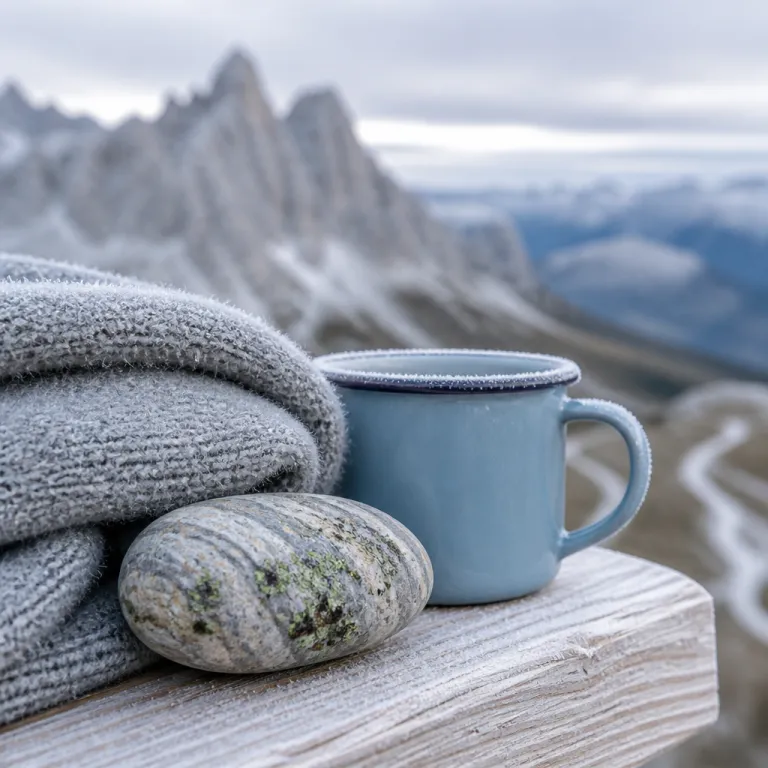
Luxury Dolomites hiking: refined bases for panoramic trails
Dolomites hiking and luxury stays around Cortina d’Ampezzo
Dolomites hiking around Cortina d’Ampezzo blends dramatic limestone peaks with refined Italian hospitality. In this part of the Dolomites, hiking trails start close to elegant five-star hotels, allowing you to move from spa to summit in a single day. Many travellers plan a multi-day hike yet still return each evening to a gourmet restaurant and curated wine list.
The area around Tre Cime di Lavaredo and Cinque Torri offers some of the best combinations of scenic hikes and premium accommodation. From Cortina d’Ampezzo you can book guided hiking tours that include private transfers to each trailhead, reserved parking, and lunch at a traditional rifugio or luxury mountain hut. Local partners often arrange a flexible start–finish schedule, so your day hike can adapt to weather, fitness, and cable car timetables.
One classic route is the loop around Tre Cime, also known as Cime di Lavaredo, which delivers panoramic views with moderate elevation gain. The full circuit from Rifugio Auronzo via Rifugio Lavaredo and Rifugio Locatelli/Dreizinnenhütte is roughly 9–10 km, takes about 3–4 hours for most hikers, and involves around 400 m of ascent on well-marked paths (Dolomites Guide, regional tourism boards). Many guests choose a guided day, then return another day for a self-guided hike once they know the route and the best viewpoints. For travellers focused on hiking Dolomites itineraries, combining this trail with Cinque Torri and the nearby nature park creates three contrasting day hikes without changing hotels.
Luxury properties near Cortina d’Ampezzo understand that Dolomites hiking guests need both comfort and logistics. Concierges routinely arrange private transfers to the Tre Cime parking area, reserve tables at popular mountain huts such as Rifugio Scoiattoli or Rifugio Averau, and secure late spa access for guests returning from long hikes. When you compare hotels, look for teams experienced with hiking tours, because they anticipate details such as early breakfasts, packed gourmet picnics, and drying rooms for technical gear.
For travellers who enjoy via ferrata routes as well as classic hikes, Cortina d’Ampezzo is a strategic base. The surrounding nature park areas host routes of varying difficulty, including famous via ferrata such as Ivano Dibona and Lipella, and local guides provide equipment plus detailed safety briefings. As the official guidance notes, “Check weather conditions, wear appropriate gear, plan routes in advance”, and the most attentive hotels will help you follow each of these steps before you leave the lobby.
Val Gardena, Seceda and Col Raiser: refined bases for panoramic trails
Val Gardena is one of the most polished valleys for Dolomites hiking, with a dense network of lifts and high-end hotels. The villages of Ortisei, Santa Cristina, and Selva offer easy access to the Seceda and Col Raiser cable car stations, where many of the best panoramic hikes begin. This makes it simple to plan a day hike that starts high, follows a scenic trail, and finishes back at your spa suite before dinner.
From the top of Seceda, the ridgeline trail towards the Odle peaks and the Adolf Munkel path is a highlight for hiking Dolomites enthusiasts. A popular route descends from the Seceda summit station past Rifugio Firenze/Regensburger Hütte to the Adolf Munkel trailhead, then follows the forested path beneath the dramatic north faces for a total of about 13–15 km, 4–5 hours, and roughly 600–700 m of cumulative ascent (regional tourism offices). Several rifugio-style mountain huts along this route, including Rifugio Odle and Malga Brogles, serve refined regional cuisine, so you can turn a simple hike into a leisurely gourmet day.
The Col Raiser cable car opens another set of routes ideal for hut hiking with comfortable elevation profiles. Families often choose a shorter hike between nearby huts such as Rifugio Fermeda and Rifugio Juac, while experienced hikers link several mountain huts into longer day hikes across the nature park. Luxury hotels in Val Gardena frequently coordinate these plans, arranging transfers to the cable car, advising on the best start–finish points, and checking lift schedules for your chosen day.
Parking can be limited at popular trailheads in Val Gardena, so many premium properties encourage guests to use hotel shuttles. This approach reduces stress at the trailhead and supports the valley’s focus on sustainable mountain tourism. If you are planning a wider alpine trip that includes other regions, resources on refined transfers between major airports and ski resorts can help you understand how private drivers and premium shuttles operate across the Alps.
For travellers who want both privacy and access, several luxury chalets in Val Gardena sit close to the main hiking routes. These properties often provide in-house guides who know every local trail, from gentle meadow walks to more demanding hikes towards the Sella massif. When comparing options, ask specifically about guided services, packed lunches for a full-day hike, and late check-out for the final day of your trip.
Tre Cime, Cinque Torri and nature parks: where iconic hikes meet five star comfort
The area around Tre Cime di Lavaredo is part of the Dolomites UNESCO World Heritage Site, and its status attracts both hikers and design-focused hotels. Many guests choose a luxury base in Dobbiaco, Sesto, or Cortina d’Ampezzo, then plan several day hikes into the surrounding nature park zones. This strategy allows you to enjoy the Tre Cime circuit, nearby hut hiking routes, and quieter trails without changing hotels every night.
The classic Tre Cime route begins from the Rifugio Auronzo parking area, where a toll road brings you close to the main trailhead. From here, a well-marked trail leads past Rifugio Lavaredo and on to Rifugio Locatelli/Dreizinnenhütte, each offering simple yet satisfying food that pairs well with the dramatic mountain scenery. Luxury concierges often pre-book lunch at a preferred hut, ensuring a relaxed start–finish rhythm to your day and avoiding queues at peak hours.
Cinque Torri, near Cortina d’Ampezzo, offers shorter yet spectacular hikes that suit mixed-ability groups. You can reach the main area either by the Cinque Torri chairlift from the Bai de Dones station or via a moderate hike from the road, then explore trails that weave between the Torri rock towers and historic sites. A classic loop around the towers and World War I open-air museum covers roughly 4–5 km, takes 2–3 hours, and involves about 250–300 m of ascent (local tourism statistics). Many travellers combine a morning hike at Cinque Torri with an afternoon spa session, creating a balanced Dolomites hiking day that feels both active and indulgent.
For couples planning a special trip, the combination of iconic hikes and refined hotels is particularly appealing. Inspiration from a refined honeymoon in the Swiss Alps translates well here, where you can pair private guided hikes with candlelit dinners and mountain-view suites. When you book, ask about bespoke hiking tours that include private photography sessions at Tre Cime or Cinque Torri during the quieter early morning hours.
Nature park regulations around Tre Cime and Cinque Torri help protect fragile alpine ecosystems, and luxury hotels increasingly align with these principles. Many properties encourage guests to use shared transfers instead of individual parking, and some offer electric vehicles for trailhead access. When evaluating hotels, consider how their sustainability practices support the long-term health of the Dolomites hiking environment you have come to enjoy.
San Martino di Castrozza and Pale di San Martino: quiet elegance for serious hikers
San Martino di Castrozza sits beneath the Pale di San Martino, a vast plateau that feels wilder than some other Dolomites areas. Travellers who prioritise challenging hikes and quieter trails often choose this region for their main trip base. The village hosts several refined hotels where attentive staff understand the needs of guests returning from long days in the high mountain environment.
The Pale di San Martino plateau is reached by cable car from San Martino, leading directly into a landscape of rock and sky. From the top station, multiple trail options unfold, ranging from short hikes between nearby huts to demanding routes that require careful planning of elevation and start–finish points. A classic loop from the cable car to Rifugio Rosetta, across the plateau towards Rifugio Pradidali, and back via a different valley can reach 15–18 km, 6–7 hours, and over 900 m of ascent, so it suits experienced hikers (Dolomites Guide). Many hikers choose to link several mountain huts on a single day hike, enjoying both the scenery and the traditional dishes served at each rifugio.
Luxury properties in San Martino di Castrozza often collaborate with local guides who specialise in this complex terrain. While a guide is not mandatory for hiking, the official advice remains clear: “Do I need a guide for hiking? Not mandatory, but recommended for safety.” For guests staying several nights, concierges can arrange a mix of guided and self-guided hikes, ensuring that you experience both the plateau and the surrounding nature park valleys.
Parking at the main cable car is usually straightforward, yet many hotels still provide shuttle services to simplify logistics. This allows you to focus on the route, the weather, and your equipment rather than on traffic or queues at the trailhead. When comparing hotels, ask whether they provide early breakfast for hikers, late afternoon snacks on return, and secure storage for technical gear between hikes.
For travellers combining San Martino with other alpine destinations, it can be helpful to think of the region as a quieter counterpart to more famous areas like Val Gardena or Cortina d’Ampezzo. The hikes here feel more remote, yet the hospitality remains polished and attentive. This balance makes San Martino di Castrozza an excellent choice for experienced hiking Dolomites guests who value both challenge and comfort.
Mountain huts, rifugi and luxury: choosing where to sleep between trails
One of the defining features of Dolomites hiking is the dense network of rifugi and mountain huts scattered across the range. Travellers can choose between staying in these huts overnight or returning to a luxury hotel in the valley after each hike. The right choice depends on your preferred level of comfort, the length of your day hikes, and how you want to structure your overall trip.
For many guests, the ideal solution is a hybrid itinerary that combines a few nights in mountain huts with several nights in premium valley hotels. You might, for example, spend two nights in rifugi along a hut hiking route near Tre Cime or Pale di San Martino, then reward yourself with a spa suite in Val Gardena or Cortina d’Ampezzo. This approach allows you to experience sunrise and sunset from the high mountain while still enjoying refined dining and wellness facilities before and after.
When planning nights in mountain huts, pay close attention to elevation and daily distance between each hut. Some routes involve modest climbs and gentle traverses, while others demand sustained effort and careful timing of start–finish points. Luxury travel advisors who specialise in hiking Dolomites itineraries can help you choose the best combination of huts and hotels, ensuring that each day hike feels challenging yet achievable.
Valley-based luxury hotels often maintain close relationships with specific rifugi, which can be helpful during busy periods. Concierges may be able to secure last-minute hut reservations, arrange luggage transfers between trailheads, or coordinate private transfers from remote parking areas back to the hotel. This level of support is particularly valuable for guests new to Dolomites hiking who still want to include an authentic hut experience in their trip.
For travellers who prefer to sleep exclusively in high-end properties, it is still possible to enjoy the atmosphere of mountain huts during the day. Many hikes can be planned as loops or traverses between rifugi, where you stop for lunch, coffee, or an afternoon dessert before descending to the valley. In this way, you experience the social and cultural side of the huts while keeping your nights firmly anchored in luxury surroundings.
Planning a luxury dolomites hiking itinerary across the Alps
Designing a multi-day Dolomites hiking itinerary that links several valleys requires careful attention to logistics. Distances between regions such as Cortina d’Ampezzo, Val Gardena, and San Martino di Castrozza are manageable, yet road conditions, parking availability, and cable car schedules all influence how many hikes you can realistically include. Many luxury travellers choose to work with specialised agencies or hotel concierges who understand both the geography and the standards expected at premium properties.
A common strategy is to focus each segment of the trip on a specific highlight, such as Tre Cime, Seceda and Col Raiser, or the Pale di San Martino plateau. Within each base, you can plan two or three day hikes that explore different aspects of the local nature park, from gentle meadow trails to more demanding routes with greater elevation gain. This structure keeps transfers between valleys relatively short while maximising time on the trail.
When comparing luxury hotels across the wider Alps, it can be useful to look at how properties in other regions handle altitude, access, and activities. For example, the detailed review of a high-altitude resort in the Three Valleys on a dedicated alpine luxury platform illustrates how thoughtful design can support both skiing and summer hiking. Applying similar criteria in the Dolomites, you might prioritise hotels with direct access to lifts, strong relationships with local guides, and wellness areas designed for post-hike recovery.
Transport between alpine hubs can be arranged through private drivers, helicopter transfers, or premium rail services, depending on your preferences. While the Dolomites themselves are best explored by road, many travellers arrive via major airports and then connect to their first hotel with a pre-booked transfer. Coordinating these elements in advance ensures that your focus remains on the hikes, the mountain scenery, and the refined experiences that frame each day.
Ultimately, the most successful luxury Dolomites hiking itineraries respect both the natural environment and the rhythm of the mountains. By aligning your plans with local advice on seasons, weather, and trail conditions, you enhance both safety and enjoyment. The result is a trip where every hike, every hut visit, and every evening in a carefully chosen hotel contributes to a coherent and memorable alpine journey.
Key figures and practical statistics for dolomites hiking
- The Dolomites UNESCO World Heritage Site covers nine core areas and over 140,000 hectares, giving hikers an exceptional variety of routes and landscapes within a relatively compact mountain range (Dolomites UNESCO World Heritage Centre).
- The highest peak in the Dolomites, Marmolada, reaches 3,343 metres, so many classic hikes stay below this altitude, reducing the risk of severe altitude-related issues for most travellers (Dolomites Guide).
- The main hiking season in the Dolomites typically runs from June to September, when trails are largely snow free and most mountain huts and cable cars operate daily (regional tourism offices).
- Summer visitor numbers have increased significantly in recent years, driven partly by the growing popularity of via ferrata and guided hiking tours that make high mountain terrain more accessible (local tourism statistics).
- Many luxury hotels in key valleys such as Val Gardena and Cortina d’Ampezzo now offer early breakfast from around 6:30, allowing guests to reach popular trailheads before peak parking congestion and midday heat (hotel service data).
FAQ about luxury stays and dolomites hiking
What is the best time of year for dolomites hiking from luxury hotels ?
The most reliable period for Dolomites hiking from valley-based luxury hotels is from June to September. During these months, trails are usually clear of snow, most rifugi and mountain huts are open, and cable car networks operate regular schedules. Shoulder seasons can be beautiful but require more flexibility, as some lifts and huts may be closed.
Are there trails suitable for beginners near high end hotels ?
Yes, many easy trails are available close to major resort villages such as Cortina d’Ampezzo and Val Gardena. Hotels in these areas often provide maps and suggestions for short hikes that start directly from the property or from nearby cable car stations. These routes typically have modest elevation gain and multiple options to shorten or extend the hike.
Do I need a guide for hiking if I stay in a luxury hotel ?
Guides are not mandatory, but they are recommended for safety and for deeper insight into the landscape. The official advice summarises this clearly: “Do I need a guide for hiking? Not mandatory, but recommended for safety.” Many premium hotels work with trusted local guides who can tailor routes to your fitness level and interests.
How far in advance should I book mountain huts and luxury hotels ?
For peak summer dates, it is wise to book both mountain huts and luxury hotels several months in advance. Popular rifugi near Tre Cime, Seceda, and Pale di San Martino can fill quickly, especially on weekends and during local holidays. Working with a specialist travel advisor or using hotel concierges to coordinate hut reservations can simplify the process.
Is it possible to combine spa focused stays with serious dolomites hiking ?
Combining spa-focused stays with demanding hikes is one of the strengths of the Dolomites. Many five-star properties in Cortina d’Ampezzo, Val Gardena, and San Martino di Castrozza offer extensive wellness areas designed for post-hike recovery. By planning early starts, efficient transfers to the trailhead, and realistic day hike distances, you can enjoy both challenging routes and unhurried evenings in the spa.
Suggested trustful sources : Dolomites UNESCO World Heritage Centre ; Dolomites Guide official publications ; regional tourism boards for South Tyrol, Veneto, and Trentino.