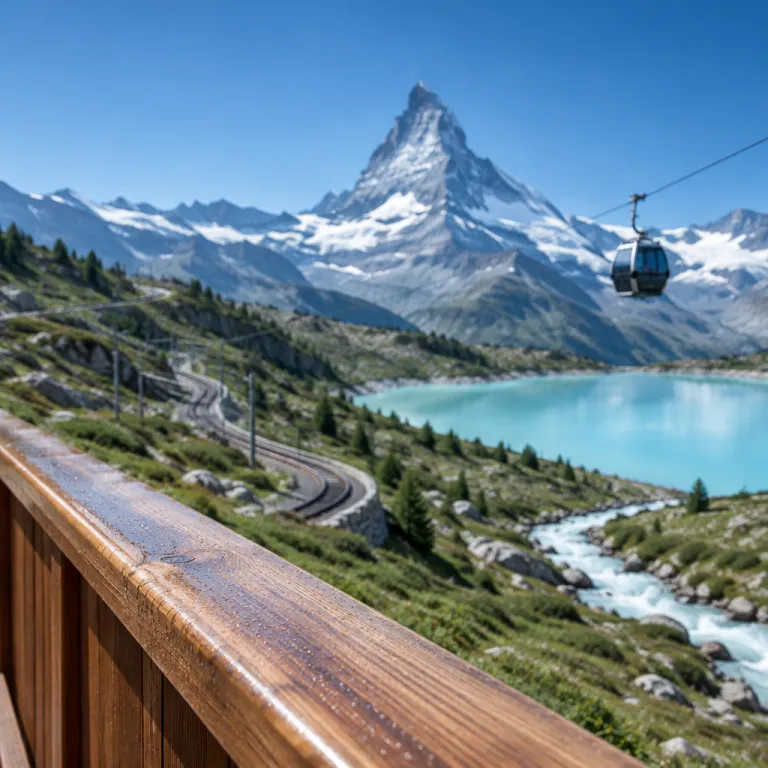
How to get to the Matterhorn from Zermatt for a perfect alpine day
Planning how to get to the Matterhorn from Zermatt starts with choosing the right route and understanding the basic logistics. The most comfortable way to travel from Zermatt to the high alpine viewpoints is by a sequence of modern cable cars and gondolas operated by Zermatt Bergbahnen. This combination lets you enjoy every ride while keeping enough energy for a refined evening in your luxury hotel.
From the centre of Zermatt, you walk a short distance to the Matterhorn Express cable car station, which serves as the main departure point for the mountain. Here, sleek cabins glide silently above the valley, linking Zermatt with Furi, Schwarzsee, Trockener Steg and the Klein Matterhorn area. Each section of the cable car line offers a different view of the Matterhorn from Zermatt, and the changing angles help you appreciate the peak’s dramatic north face.
Many travellers ask which route is best for a relaxed day with premium comfort. For most guests, the classic journey from Zermatt to Furi, then on to Trockener Steg and finally to the Klein Matterhorn station is the best balance between altitude, scenery and convenience. This route uses several cable cars and gondolas, but the connections are seamless and clearly signed, so even first time visitors feel at ease.
As you rise from Zermatt Furi, the landscape shifts from larch forest to open glacier terrain. The section from Furi to Trockener Steg brings you closer to the Matterhorn Glacier and the wide plateau where many high alpine trails begin. On clear days, the views of the Matterhorn from Trockener Steg are already spectacular, and many guests choose to pause here before continuing higher.
Luxury travellers often time their ascent to enjoy the softer light of early morning. This timing not only offers calmer cable car stations but also the most flattering views of the Matterhorn from every viewing platform. Planning your day around these quieter windows will also help you return to Zermatt in time for spa treatments and a refined dinner in your chosen five star property.
Choosing between Klein Matterhorn and Trockener Steg for the best views
Once you understand how to get to the Matterhorn from Zermatt, the next decision is where to stop. The two main high altitude options are Trockener Steg and the Klein Matterhorn area, each offering a different style of experience. Your choice will shape the rhythm of your day and the kind of views of the Matterhorn you bring back to your hotel.
Trockener Steg sits at around 2 939 metres and serves as a major transfer station for the Matterhorn Glacier Paradise area. From this Trockener Steg station, you can either continue by cable car to the Klein Matterhorn or stay to enjoy the broad terrace and its open viewing platform. The panorama from Trockener Steg includes the Matterhorn, the Monte Rosa massif and the distant Bernese Oberland peaks, which frame the horizon with snow covered ridges.
The Klein Matterhorn, often marketed as the Matterhorn Glacier Paradise, is reached by a final gondola ride from Trockener Steg. This last section feels especially dramatic, as the gondola glides above crevasses of the Matterhorn Glacier and climbs towards the highest cable car station in Europe. At the top, the Station Europe complex offers a sheltered viewing platform, a restaurant and direct access to the Glacier Palace carved into the ice.
For guests sensitive to altitude, staying at Trockener Steg may be the best compromise. You still enjoy wide views of the Matterhorn from Trockener Steg, with easier breathing and shorter exposure to very high elevation. Those who feel comfortable at altitude will appreciate the Klein Matterhorn area, where the views of the Matterhorn and surrounding glaciers extend across several countries.
Luxury hotels in Zermatt often recommend combining both stops in one carefully paced day. You can ascend from Zermatt to Furi, continue to Trockener Steg for a first pause, then ride up to the Matterhorn Glacier Paradise station for the Glacier Palace and Station Europe viewpoints. When planning high altitude stays elsewhere in the Alps, such as refined properties in Chamonix at similar elevations, resources like this guide to how high Chamonix is and what that means for your luxury alpine stay help you compare comfort levels.
Combining cable cars and hiking trails for an immersive alpine experience
Travellers who want more than a panoramic ride often ask how to get to the Matterhorn from Zermatt while including a scenic hike. The answer lies in combining cable cars with carefully chosen hiking trails that match your fitness and your appetite for adventure. This approach lets you enjoy both the comfort of modern lifts and the quiet of high alpine paths.
One popular option is to ride from Zermatt to Furi, then follow a gentle trail from Furi towards Schwarzsee or back down to the village. The path from Furi passes through meadows and forest, with frequent clearings where you can view the Matterhorn from different angles and capture varied photos. For a more ambitious day, you can continue by gondola from Furi to Trockener Steg, then choose a marked hiking route across the plateau.
Hiking near Trockener Steg requires proper footwear and awareness of changing weather. Trails around the Matterhorn Glacier area cross rocky terrain, and even in summer you may encounter patches of snow or ice. Always check the latest information at the cable car station before starting any hike, and allow extra time so you are not rushing to catch the last cable cars back to Zermatt.
Guests staying in luxury hotels often prefer a half day hike combined with a leisurely lunch. You might, for example, ride up to Zermatt Furi, walk a circular trail with views of the Matterhorn, then return by gondola in time for spa appointments. Another refined option is to ascend to Trockener Steg, enjoy the viewing platform and short walks nearby, then continue to the Klein Matterhorn for the Glacier Palace and a late afternoon descent.
Those who appreciate curated alpine experiences sometimes extend their journey beyond Zermatt. Combining a stay here with time in St Moritz, which is renowned as a location for refined alpine stays in Switzerland, allows you to compare different styles of high mountain access. In both destinations, the blend of cable cars, hiking trails and attentive hotel service creates a seamless balance between adventure and comfort.
Planning your summer or winter day around the Matterhorn Glacier Paradise
Understanding seasonal differences is essential when deciding how to get to the Matterhorn from Zermatt. The Matterhorn Glacier Paradise area operates year round, but the character of your day changes significantly between summer and winter. Luxury travellers can tailor their plans to match the atmosphere they prefer, whether that is sunlit glacier hiking or quiet snow covered panoramas.
In summer, the cable cars from Zermatt to Furi, Trockener Steg and the Klein Matterhorn carry hikers, sightseers and skiers training on the Matterhorn Glacier. The air feels crisp but pleasant, and the contrast between green valley slopes and white glacier fields is striking. Many guests choose to ride up early, visit the Glacier Palace, then enjoy a long terrace lunch before descending to Zermatt for late afternoon wellness rituals.
Winter brings a different rhythm to the same cable car network. The route from Zermatt Furi to Trockener Steg becomes part of a vast ski area, and the gondolas carry more skiers than hikers. Non skiers still enjoy the ride and the viewing platforms, but they should plan extra time for queues at each car station during peak holiday periods.
Regardless of the season, the Matterhorn Glacier Paradise complex at the Klein Matterhorn station offers reliable comfort. You find indoor viewing areas, the Glacier Palace, and clear signage to every viewing platform, which is especially welcome on cold or windy days. The Station Europe branding underlines that this is the highest cable car station on the continent, and the engineering alone fascinates many guests.
For travellers designing multi destination itineraries across the Alps, it is worth comparing how altitude and access work in different regions. The Bernese Oberland, for example, offers classic viewpoints like Jungfraujoch, while Zermatt focuses on the Matterhorn and its glacier plateau. If you enjoy pairing mountain experiences with regional gastronomy, consider timing your visit to coincide with events such as the South Tyrolean wine season, described in this article on the Törggelen season and new wine from cellar to hotel table.
Practical tips for luxury travellers using the Zermatt cable car network
Once you know the basic route, the finer details determine how to get to the Matterhorn from Zermatt with maximum ease. Thoughtful planning around timing, ticket types and comfort will elevate your day from a simple excursion to a polished alpine experience. High end hotels in Zermatt often assist with these arrangements, but understanding the essentials helps you make informed choices.
First, consider purchasing a flexible pass that covers multiple rides on the cable cars and gondolas between Zermatt, Furi, Trockener Steg and the Klein Matterhorn. This allows you to adapt your plan if the weather changes or if you decide to spend longer at a particular viewing platform. Many guests appreciate the freedom to ride from Zermatt Furi up to Trockener Steg, return to Furi for lunch, then ascend again later in the day without worrying about separate tickets.
Second, pay attention to the operating hours of each car station. The last cable car from Trockener Steg or the Klein Matterhorn back towards Zermatt can be earlier than you expect, especially outside peak summer. Always check the timetable before starting a hike from Furi or Trockener Steg, and allow a generous margin so you are not relying on the final departure.
Third, dress in layers and bring sun protection, even if you plan only short walks. The reflection from the Matterhorn Glacier and surrounding snowfields can be intense, and temperatures at the Station Europe level are much lower than in Zermatt. Luxury hotels often provide day packs, blankets or even portable oxygen on request, which can make time at altitude more comfortable.
Finally, remember that the journey itself is part of the experience. Take time to enjoy each ride, whether it is the first ascent from Zermatt to Furi or the dramatic glide from Trockener Steg to the Klein Matterhorn. By moving at a considered pace, you will appreciate every view of the Matterhorn from different heights and return to your hotel with a sense of calm rather than fatigue.
How the Matterhorn route compares with other top alpine destinations
Travellers who already know other alpine regions often ask how to get to the Matterhorn from Zermatt in a way that compares with their previous experiences. The answer lies in understanding how Zermatt’s lift system and luxury infrastructure differ from those in places like the Bernese Oberland or the Engadine. This perspective helps you position Zermatt within a broader portfolio of high end mountain stays.
In the Bernese Oberland, classic excursions such as Jungfraujoch or Schilthorn rely on a mix of cog railways and cable cars. The journey feels more segmented, with several changes of train and car station, and the emphasis is often on the historic character of the transport itself. By contrast, the route from Zermatt to Furi, Trockener Steg and the Klein Matterhorn uses a modern, integrated cable car network designed for efficient movement between ski slopes and glacier viewpoints.
When you travel from Zermatt Furi towards the Matterhorn Glacier Paradise, the focus is on seamless vertical gain. Each gondola or cable car section is timed to minimise waiting, and the signage clearly indicates connections to hiking trails, viewing platforms and the Glacier Palace. This makes it easy to plan a full day that includes both high altitude sightseeing and relaxed time back at your hotel spa.
Another distinction lies in how close you feel to the mountain itself. From Trockener Steg and the Klein Matterhorn, the views of the Matterhorn are immediate and imposing, with the peak dominating the skyline. In many Bernese Oberland viewpoints, the panorama is broader but the individual peaks feel slightly more distant, which creates a different emotional tone.
For guests building a multi stop itinerary, it can be rewarding to combine Zermatt with one or two contrasting destinations. Pairing the Matterhorn Glacier Paradise with a stay in St Moritz or a classic Bernese Oberland resort gives you a rich sense of how varied the Alps can be. In every case, understanding the specific logistics of each lift system will help you move confidently from valley hotels to high altitude viewpoints and back again.
Designing your Zermatt stay around the Matterhorn ascent
For many guests, planning how to get to the Matterhorn from Zermatt is the central theme of their stay. The ascent shapes decisions about hotel location, spa bookings and restaurant reservations, especially when you want a day that feels both adventurous and indulgent. Thinking of the excursion as the highlight of a carefully choreographed itinerary will help you make the most of every hour.
Start by choosing a hotel with easy access to the main cable car station for the Matterhorn Express. Properties located within a short walk or a brief electric car transfer reduce morning stress and allow you to reach Zermatt Furi early, before the main crowds. Many luxury hotels coordinate luggage handling and late check outs so that guests can enjoy a full day on the mountain before continuing their journey elsewhere in the Alps.
Next, decide whether you prefer a single focused day or two shorter ascents. Some travellers ride from Zermatt to Furi, continue to Trockener Steg and the Klein Matterhorn, visit the Glacier Palace and return in one extended outing. Others split the experience, dedicating one day to the Matterhorn Glacier Paradise and another to lower altitude hiking trails from Furi, which allows more time for long lunches and spa sessions.
Finally, consider how you want to remember your time with the Matterhorn. Booking a private guide or photographer can help you find the best angles from Trockener Steg, the Klein Matterhorn viewing platform and quieter spots along the trails. Back at your hotel, these images pair beautifully with a glass of wine and the satisfaction of having experienced one of the Alps’ most iconic peaks in comfort.
Key figures for planning your Matterhorn day from Zermatt
- The Klein Matterhorn cable car station, branded as Matterhorn Glacier Paradise, stands at about 3 883 metres above sea level, making it the highest cable car station in Europe according to Zermatt Bergbahnen ; this altitude difference from Zermatt’s village level of around 1 600 metres explains why temperature and oxygen levels feel so different.
- The vertical ascent from Zermatt to Trockener Steg is roughly 1 300 metres, which is comparable to many full day hikes in other alpine regions ; using cable cars for this gain allows luxury travellers to experience high mountain scenery without the physical strain of such elevation change.
- Average summer temperatures at the Klein Matterhorn station often remain below 5 degrees Celsius even on sunny days, while Zermatt in the valley can reach 20 degrees Celsius or more ; this contrast highlights the need for layered clothing and proper preparation for any visit to the Matterhorn Glacier Paradise.
- The cable car journey from Zermatt to the Klein Matterhorn, including changes at Furi and Trockener Steg, typically takes around 45 minutes of pure travel time ; allowing at least half a day in your schedule ensures you can enjoy viewing platforms, the Glacier Palace and relaxed photo stops without rushing.
Frequently asked questions about reaching the Matterhorn from Zermatt
How long does it take to reach the Matterhorn Glacier Paradise from Zermatt ?
The ascent from Zermatt to the Matterhorn Glacier Paradise usually takes about 45 minutes of actual cable car travel. You change at Furi and Trockener Steg, and short waiting times between gondolas can extend the total to around one hour. Most travellers plan at least half a day to include viewpoints and the Glacier Palace.
Is the route from Zermatt to the Klein Matterhorn suitable for families ?
Yes, the cable cars from Zermatt to Furi, Trockener Steg and the Klein Matterhorn are designed for families, with enclosed cabins and clear boarding areas. Children generally enjoy the ride and the Glacier Palace, but parents should be aware of the effects of altitude on younger guests. Taking time to acclimatise at Trockener Steg before continuing higher can make the experience more comfortable.
Can I hike part of the way instead of using cable cars only ?
Many visitors combine cable cars with hiking to create a varied day. A common choice is to ride from Zermatt to Furi, follow a marked trail for several hours, then return by gondola. More experienced hikers may explore routes around Trockener Steg, but should always check conditions and timetables before setting out.
Do I need special equipment to visit the Matterhorn Glacier Paradise ?
For a standard sightseeing visit, you only need warm layered clothing, sturdy shoes and sun protection. If you plan to hike near the Matterhorn Glacier or join guided glacier activities, your guide or rental shop will provide any technical equipment. Luxury hotels in Zermatt can assist with arranging gear, guides and tailored excursions.
Is it possible to visit the Matterhorn and another alpine region in one trip ?
Many travellers design itineraries that combine Zermatt with destinations such as the Bernese Oberland or St Moritz. Efficient rail connections make it realistic to enjoy the Matterhorn Glacier Paradise on one part of your journey and other high altitude viewpoints elsewhere. Planning at least several nights in each location allows you to experience both the mountain excursions and the full range of hotel services.