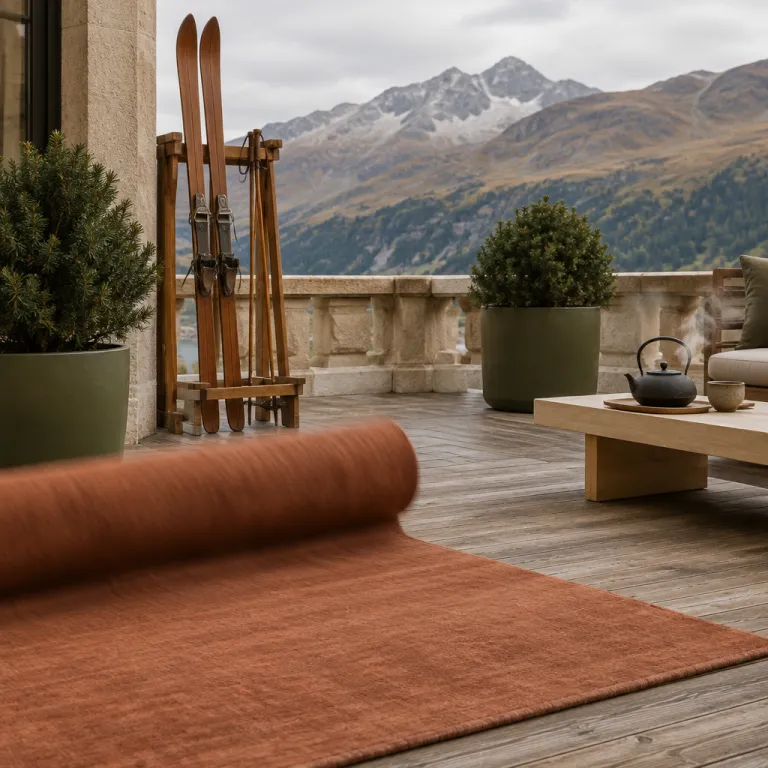
St. Moritz location in the Engadin valley
St. Moritz sits high in the Upper Engadin valley of eastern Switzerland. This elevated position on a south-facing slope above Lake St. Moritz combines long hours of sunshine with reliable snow, creating a rare balance that has shaped the resort’s reputation. The town is easily reached by train from Zürich or Milan in around 3 to 4 hours, with the final stretch on the Rhaetian Railway counted among the most scenic rail journeys in Switzerland and recognised as part of a UNESCO World Heritage route.
The resort spreads along the shores of Lake St. Moritz and up the hillside, so choosing the right part of town matters for every style of trip. Many luxury hotels cluster between the historic station area and the lake promenade, while other properties sit closer to the ski area access points and cross-country trails. When you compare different hotels in St. Moritz, look carefully at walking distances in metres and estimated minutes, especially if you plan to rely on the train and local buses rather than private transfers.
St. Moritz is divided into St. Moritz Dorf and St. Moritz Bad, and this distinction shapes the feel of each neighbourhood. The upper Dorf quarter is the traditional heart of the town, with grand hotel façades, luxury shopping streets, and direct access to the funicular for the Corviglia ski area. Down by the lake, St. Moritz Bad offers a flatter setting with spa-focused hotels in classic des Bains style, easier lakeside walks, and quick access to the frozen lake in winter.
During winter the lake becomes a frozen stage for polo, horse racing, and other snow events, which gives certain hotels front-row views. In summer the same shoreline turns into a base for sailing, stand-up paddleboarding, and lakeside jogging routes, so a lakefront hotel address can feel like a different resort altogether. Whether you stay in Dorf or Bad, the compact size of the town means you are rarely more than 10 to 15 minutes on foot (roughly 500 to 800 metres) from the station, the lake, or a ski lift.
Iconic grand hotels and legendary addresses
Luxury travellers often choose where to stay in St. Moritz based on a specific grand hotel, because these properties define the resort’s character. Badrutt’s Palace dominates the Dorf skyline, offering lake-facing suites, a private shuttle to the ski area, and a long tradition of hosting winter sports royalty. Nearby, Kulm Hotel St. Moritz overlooks the frozen lake and the Olympic bobsleigh run, with some rooms framing the historic track where early Winter Olympic competitions helped cement the resort’s fame.
On the opposite side of town, the historic Grand Hotel des Bains Kempinski anchors the St. Moritz Bad quarter with direct access to the Signalbahn lift and the cross-country ski network. This des Bains-style property suits guests who want spa facilities, Nordic skiing trails, and family-friendly ski area access all within a short walk. When comparing these hotels, consider whether you prefer immediate access to nightlife in Dorf or a quieter St. Moritz Bad atmosphere with more space around the lake.
St. Moritz has a long-standing rivalry with Cortina d’Ampezzo in Italy, and many guests split their alpine holiday between the two resorts. If you are planning such a twin-centre trip, it makes sense to choose accommodation close to the station for an easier transfer towards the Dolomites and the valleys around Cortina d’Ampezzo. For detailed planning on that Italian leg, a guide focused on where to stay in the Dolomites and which valley to choose can help you match each resort with your preferred style of skiing and scenery.
Within St. Moritz itself, not every luxury hotel is a palace-scale property, and some travellers prefer smaller hotels with direct lake access or proximity to the Segantini Museum. The Segantini Museum stands slightly above the town and offers sweeping views over the Engadin, so staying nearby gives you both cultural access and a quieter residential feel. Whether you choose Badrutt’s Palace, Kulm Hotel, or a more discreet hotel des Alpes-style address, always check the exact walking time to the lake, the ski lifts, and the train station before you book.
Lake St. Moritz and Engadin landscapes
The setting on Lake St. Moritz is central to the resort’s identity in every season. In winter the frozen surface becomes a vast natural arena, hosting Snow Polo World Cup matches, White Turf horse races, and open-air events that transform the lake into a social stage. Many hotels line the lakeshore, so a lake-facing room can feel like a private grandstand for these winter sports spectacles.
When the ice melts, the Engadin light reflects off the lake and surrounding peaks, creating a crisp clarity that painters like Giovanni Segantini captured in works now housed at the Segantini Museum. Guests who enjoy photography or painting often choose a hotel near the lake promenade, where early morning walks reveal calm water, long shadows, and the first trains arriving at the station. For those planning a wider alpine itinerary, this lakeside stay pairs well with time on Italian waters, and a refined guide to elegant ways to enjoy Lake Como can help you contrast Swiss precision with Italian lakeside charm.
The broader Engadin valley stretches for more than 80 kilometres, with a chain of lakes including Silvaplana and Sils that are easily reached from any central base in St. Moritz. Many visitors use the resort as a hub to explore these lakes by train, bus, or private transfer, returning each evening to the comfort of their chosen hotel. If you enjoy both lake and mountain scenery, consider splitting your stay between a lakefront St. Moritz hotel and a higher-altitude property in a nearby Engadin village.
In winter, the contrast between the frozen lake surface and the surrounding snow-covered forests creates a dramatic backdrop for cross-country skiing and snowshoeing. The Engadin cross-country marathon route passes close to St. Moritz Bad, so hotels in this quarter are ideal for keen Nordic skiing enthusiasts. Whether you are here for a quiet lakeside retreat or a packed winter sports schedule, the lake and Engadin landscapes will shape your daily rhythm.
Access, train journeys, and ski area connections
Reaching St. Moritz by train is part of the experience, and the resort’s location at the end of the Albula and Bernina lines makes it a natural terminus. The station sits just above Lake St. Moritz, with many hotels offering complimentary transfers or short walks of 5 to 10 minutes down to the lakeside promenade. If you arrive on the Glacier Express or Bernina Express, you step directly into the heart of St. Moritz, with the town rising steeply above the tracks.
For skiers, the key question is how your chosen hotel connects to the main ski area lifts on Corviglia, Corvatsch, and Diavolezza. Properties in Dorf often provide private shuttles to the Chantarella funicular, while hotels in St. Moritz Bad tend to focus on quick access to the Signalbahn and cross-country trails. When you evaluate different hotels, check whether ski-in/ski-out access is truly possible or whether a short walk in ski boots is required, especially on icy mornings.
The wider Engadin ski area offers roughly 350 kilometres of marked pistes, and the central position of St. Moritz in this network makes it easy to sample several mountains in one stay. Many guests alternate downhill ski days with cross-country sessions on the valley floor, taking advantage of the extensive Nordic skiing tracks that start near St. Moritz Bad. If you are planning a multi-resort itinerary that includes Italian destinations such as Cortina d’Ampezzo or the shores of Lake Como, it is worth reading a detailed guide on choosing the right shore and town on Lake Como to coordinate train connections and transfer times.
Within town, the local bus network links the station, the lake, the ski lifts, and the main hotels, which reduces the need for a car. Some grand hotels such as Badrutt’s Palace, Kulm Hotel, and Grand Hotel des Bains operate their own courtesy shuttles, often branded with the hotel crest and timed to meet key train arrivals. When planning your arrival and departure, allow extra time to enjoy the views from the train, especially on the Albula line where viaducts and spiral tunnels frame the Engadin from dramatic angles.
Culture, gastronomy, and alpine lifestyle
Beyond the slopes, the St. Moritz setting offers a rich cultural layer that rewards longer stays. The Segantini Museum, perched above the town, showcases works that capture the unique Engadin light and alpine life, and its position offers sweeping views over Lake St. Moritz. Staying in a nearby hotel allows you to combine morning gallery visits with afternoon walks along the lake or into the surrounding forests.
Gastronomy is another reason many guests return to St. Moritz, with a concentration of Michelin-starred restaurants and traditional Swiss Stübli venues. Wine lists in the leading hotels often highlight both Swiss wines from the Valais and Graubünden regions and international labels, making the resort a serious destination for wine enthusiasts. When you read travel articles about St. Moritz, you will notice frequent references to long lunches on sun terraces, where the combination of high-altitude light and refined cuisine defines the local lifestyle.
Evening life in the town ranges from piano bars in grand hotels to contemporary lounges in newer properties, and your preferred atmosphere should influence your chosen neighbourhood. Guests who enjoy late nights often stay near Badrutt’s Palace or Kulm Hotel, where bars and clubs cluster within a few hundred metres. Those seeking quieter evenings might prefer St. Moritz Bad, where spa-focused des Bains-style properties emphasise wellness, thermal facilities, and early nights.
Throughout the season, St. Moritz Tourismus curates a calendar of events that includes art exhibitions, classical concerts, and talks linked to the winter sports heritage of the resort. The legacy of the early Winter Olympics still shapes the town’s identity, with the Olympic bob run and ice tracks reminding visitors of St. Moritz’s pioneering role in organised winter sports. When you plan your stay, check the St. Moritz Tourismus programme and align your hotel booking with key cultural or sporting events that match your interests.
Choosing the right St. Moritz location for your stay
Selecting the ideal base in St. Moritz starts with clarifying your priorities, because the town offers distinct micro-neighbourhoods. If you want immediate access to luxury shopping, historic cafés, and the most iconic hotels, then St. Moritz Dorf above the lake is your natural choice. Here you will find Badrutt’s Palace, Kulm Hotel, and several other grand hotel addresses that place you at the centre of the resort’s social life.
Travellers focused on wellness, cross-country skiing, and lakeside walks often gravitate towards St. Moritz Bad. This quarter, closer to the lake and the valley floor, offers easier terrain for walking, quick access to the Engadin Nordic skiing network, and a slightly more relaxed atmosphere. Hotels such as Grand Hotel des Bains Kempinski combine spa facilities with direct links to the Signal ski area, which suits guests who value both wellness and efficient lift access.
Some visitors prefer to stay slightly outside the busiest streets, choosing a hotel near the Segantini Museum or on the quieter lakeshore towards the Les Trais Fluors hiking area. These addresses offer a more residential feel while still keeping you within a short bus ride or walk of the station, the lake, and the main ski lifts. When you compare options, use a simple checklist: confirm distances in metres and minutes, note elevation differences between hotel and lake, and check the orientation of your room towards the water, the town, or the surrounding peaks.
Finally, consider how St. Moritz fits into your wider alpine itinerary, especially if you plan to combine it with Cortina d’Ampezzo, Lake Como, or other Swiss resorts. The train connections, the position of your chosen hotel relative to the station, and the timing of major winter sports events or cultural festivals will all influence the best dates and exact address for your stay. With thoughtful planning, you can match the character of each neighbourhood to your personal travel style and create a stay that feels both effortless and deeply rooted in the Engadin landscape.
Key statistics about St. Moritz and the Engadin
- St. Moritz sits at an elevation of about 1,822 metres above sea level, which contributes to reliable snow conditions and a high number of sunny days each year according to St. Moritz Tourismus.
- The wider Engadin ski area offers roughly 350 kilometres of marked pistes, with Corviglia, Corvatsch, and Diavolezza forming the core ski area accessible from St. Moritz as reported by Engadin St. Moritz Mountains.
- The Engadin cross-country skiing network includes more than 240 kilometres of prepared trails, making St. Moritz one of Europe’s leading destinations for Nordic skiing according to Switzerland Tourism.
- The Rhaetian Railway Albula and Bernina lines, which connect St. Moritz to Chur and Tirano, are part of a UNESCO World Heritage site, highlighting the cultural and engineering significance of the train access to the resort.
- Lake St. Moritz typically freezes to a thickness that can exceed 30 centimetres in mid-winter, allowing safe staging of horse races and polo tournaments on the frozen lake under strict safety supervision.
FAQ about St. Moritz location and luxury stays
Is St. Moritz easy to reach by train from major cities?
Yes, St. Moritz is well connected by train, with regular services from Zürich and Chur via the Albula line and from Tirano via the Bernina line. Journeys typically involve one or two changes and take around 3 to 4 hours from Zürich, but the final section is considered one of the most scenic routes in Switzerland. The station sits close to the lake and many hotels, so transfers are usually short and straightforward.
Which St. Moritz area is best for first-time visitors?
First-time visitors who want the classic atmosphere often choose St. Moritz Dorf, the upper part of town above Lake St. Moritz. This area concentrates many grand hotels, luxury shops, and direct access to the Corviglia ski area via the Chantarella funicular. Guests who prefer a quieter setting with easier walking terrain may instead select St. Moritz Bad near the lake and cross-country trails.
Where should I stay in St. Moritz for cross-country skiing?
For cross-country skiing, St. Moritz Bad is usually the most convenient location. Many trails of the Engadin network start near this quarter, and hotels there often cater specifically to Nordic skiing guests with wax rooms and early breakfast options. The flat terrain around the lake also makes it easier to access the tracks on foot.
Are lakeside hotels in St. Moritz worth the premium price?
Lakeside hotels often command higher rates, but they provide direct views of Lake St. Moritz and the frozen lake events in winter. If you value sunrise reflections, easy lakeside walks, and front-row seats for polo or horse racing on snow, the premium can feel justified. Travellers who focus mainly on skiing and nightlife may prefer a hotel closer to the lifts in Dorf instead.
Can I combine a stay in St. Moritz with other alpine destinations?
Many travellers combine St. Moritz with Lake Como, Zermatt, or Cortina d’Ampezzo, using the train network and private transfers. The resort’s position at the junction of the Albula and Bernina lines makes it a practical starting or ending point for such itineraries. When planning, align your hotel choice with the station and check transfer times to ensure smooth connections.
References: Switzerland Tourism; Engadin St. Moritz Mountains; Rhaetian Railway; St. Moritz Tourismus